

News
News
Vera Gorbunova Pinpoints Surprising Role for Aging-Linked Protein
Wednesday, September 16, 2026
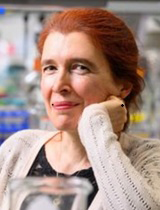 Until now, researchers believed that shutting down the cGAS protein could slow aging. But in a Nature Aging paper, the professor of Biology and her team discovered the opposite: Removing cGAS made mice age faster.
The findings suggest that cGAS has contradictory roles, and understanding them could impact therapies designed to reduce age-related inflammation.
Read More: Vera Gorbunova Pinpoints Surprising Role for Aging-Linked ProteinRuchira Singh Finds Early Cause of Vision Loss in Batten Disease
Wednesday, August 26, 2026
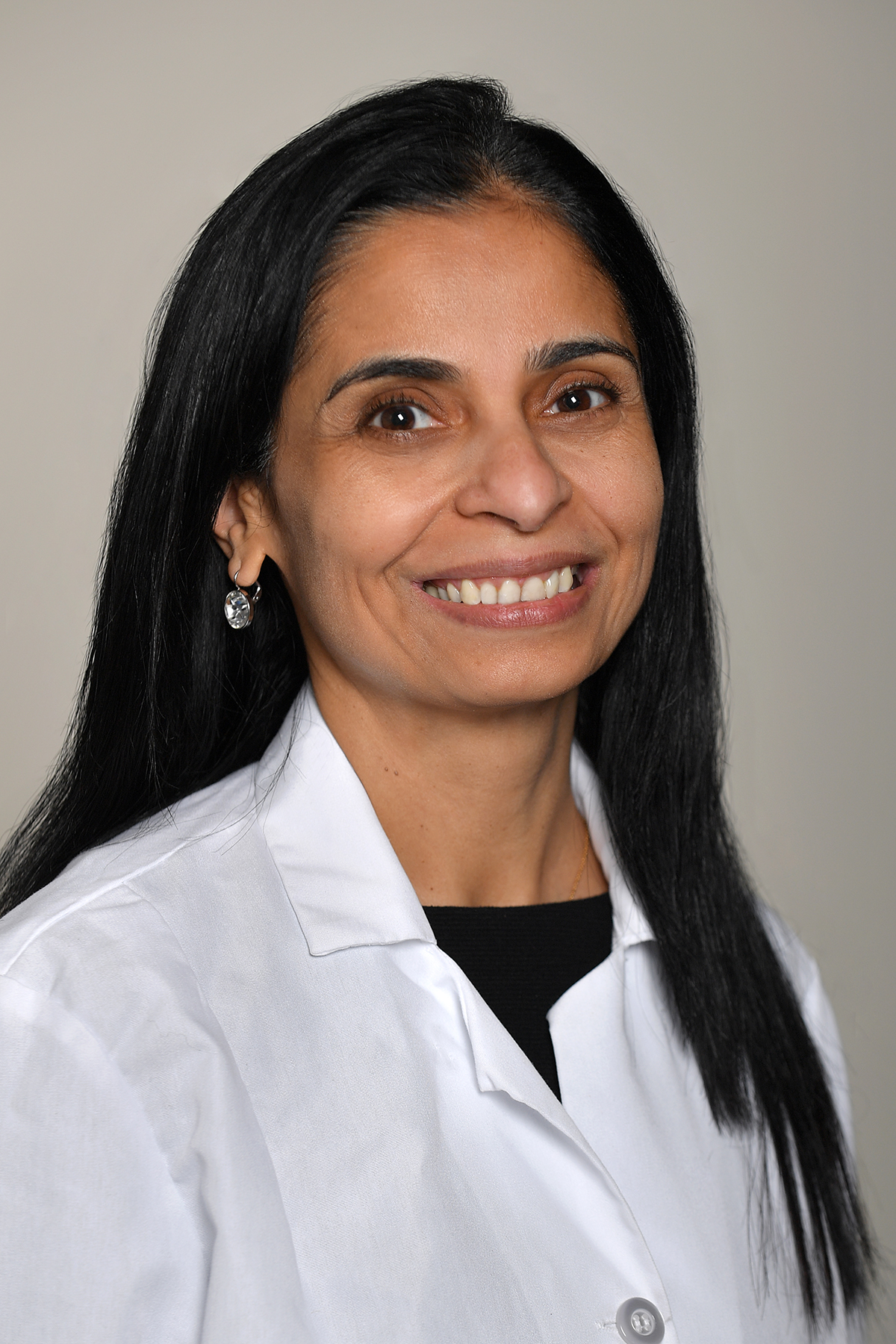 Researchers have developed a new way to study CLN3-Batten disease, a rare, inherited condition that causes early vision loss in children followed by progressive neurological decline. Their findings offer new insight into how the disease begins and point to a promising path for treatment.
Vision loss is often the first and most life-altering symptom for children with the disease, affecting their ability to read, learn, and navigate the world independently, often years before other neurological symptoms appear.
Studying CLN3-Batten disease has been challenging because the earliest damage occurs deep within the retina, a part of the eye that is difficult for researchers to access. To overcome this, researchers at University of Rochester Medicine have created a 3D human stem cell-derived retina model that closely mimics how key parts of the eye work together, specifically, the interaction between light-sensing photoreceptors and support cells called the retinal pigment epithelium (RPE).
“Although molecular and cellular changes associated with the disease have been shown in other models, this retina model captures the earliest and most consistent pathology seen in patients, including photoreceptor outer segment loss and degeneration,” said Ruchira Singh, PhD, an associate professor in the URochester Medicine Flaum Eye Institute, and lead author of the study, which appears in Science Translational Medicine.
Read More: Ruchira Singh Finds Early Cause of Vision Loss in Batten DiseaseAlaa Ahmed Defends Her Thesis!
Wednesday, July 15, 2026
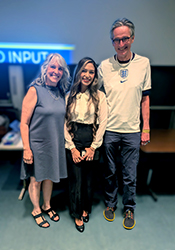
On July 15, 2026, BGG student Alaa Abdelmageed Ahmed successfully defended her doctoral thesis. Alaa joined BGG PhD program in fall of 2020 and joined Dr. Stephen Dewhurst’s lab in fall of 2021. Her research has involved deciphering the underlying mechanisms of resistance by some Cancer cells.
Congratulations, Dr. Alaa Abdelmageed Ahmed!
Abstract:
Cancer cells often have defects in antiviral pathways, making them susceptible to oncolytic viruses like vesicular stomatitis virus (VSV). However, some cancer cells resist viral infection through the constitutive expression of interferon-stimulated genes. This research explored the role of NF-κB activation and NF-κB-dependent antiviral signaling in establishing resistance to VSV infection in the PC3 cell line, derived from an aggressive metastatic prostate cancer (PrCa) tumor. Results confirm that multiple steps in the NF-κB pathway are differentially activated in PC3 and the VSV-susceptible LNCaP cells. Analysis using transcriptomics and proteomics approaches was conducted to further understand pathway-pathway interactions with the NF-κB pathway leading to the VSV-resistance phenotype. Additionally, this research highlights the differential expression of the BCL-2 gene and other apoptosis proteins in this resistance, which can be reversed by blocking BCL-2 expression. Onco-virotherapy using VSV is a promising tool in cancer therapeutics yet enhancing the tumor-killing capability of the virus in resistant cells will result in better treatment outcomes in a clinical setting.
Congratulations, Dr. McKayla Ford!
Monday, May 18, 2026

On May 18, 2026 BGG student McKayla Ford successfully defended her doctoral thesis. McKayla Joined BGG PhD program in 2020 and Dr. Paula Vertino's lab in the fall of 2021. Her research has involved dissection of the relationship between DNA sequence, DNA structure and transcriptional dynamics.
Abstract:
To control gene expression and allow for differentiation, regulation of the transcriptional process is vital. CpG islands (CGI), regulatory regions within DNA with a specific sequence and chromatin signature, support transcription by acting as promoters and enhancers. In this dissertation, the role of CpG islands in the regulation of transcription is examined, with a specific focus on the impact of the transition from CGI to non-CGI DNA has on early elongation. Sequence and structural characteristics of the CGI are also studied throughout this work in relation to their connection to transcription
Isaac Harris, Ph.D. publishes paper on 'Catabolism of extracellular glutathione supplies cysteine to support tumours' in Nature
Friday, March 27, 2026
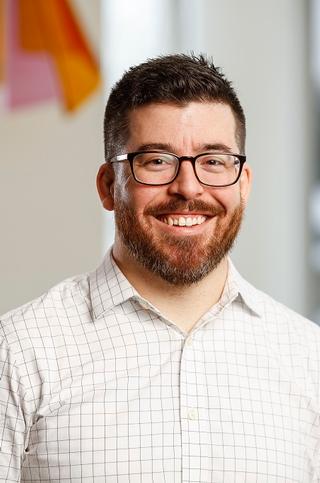

Recently, BGG Program Director, Isaac Harris published a paper in Nature on “Catabolism of extracellular glutathione supplies cysteine to support tumours”.
Abstract:
Restricting amino acids from tumours is an emerging therapeutic strategy with substantial promise1. Although typically considered an intracellular antioxidant with tumour-promoting capabilities2, glutathione (GSH), as a tripeptide of cysteine, glutamate and glycine, can be catabolized to release amino acids. The extent to which GSH-derived amino acids are essential to cancers is unclear. Here we show that depletion of intracellular GSH does not alter tumour growth and extracellular GSH is highly abundant in the tumour microenvironment, highlighting the potential importance of GSH outside tumours. Supplementation with GSH rescues cancer cell survival and growth in cystine-deficient conditions, and this rescue depends on the catabolic activity of γ-glutamyltransferases. Finally, pharmacological targeting of the activity of γ-glutamyltransferases prevents the breakdown of circulating GSH, reduces tumour cysteine levels and slows tumour growth. Our findings indicate a non-canonical role for GSH in supporting tumours by acting as a reservoir of amino acids. Depriving tumours of extracellular GSH or inhibiting its breakdown is potentially a therapeutically tractable approach for patients with cancer. Furthermore, these findings change our view of GSH and how amino acids, including cysteine, are supplied to cells.