

Cancer Prevention and Control
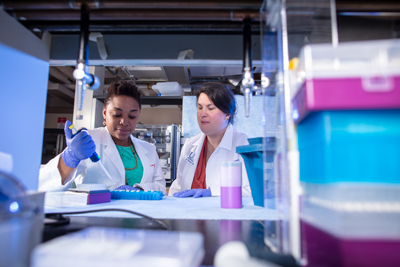 Researchers in the Cancer Prevention and Control program conduct population-based, transdisciplinary, practice-changing studies across the cancer control continuum from primary prevention through survivorship. Cross-cutting themes include behavior change; aging; cultural competence; and guideline and policy development.
The program focuses on catchment area needs to improve:
- Disproportionately high incidence and mortality rates for specific cancers (e.g., tobacco-related, hematologic, pancreatic/hepatobiliary);
- Low screening rates, high smoking rates, low physical activity rates, and high obesity rates;
- The burden of cancer treatment-related toxicity and side effects;
- Cancer supportive care delivery;
- Non discriminatory practices among individuals in our region
The specific aims of the CPC program are:
- To identify novel, effective interventions to reduce cancer risk in individuals with high probability for a cancer diagnosis.
- To develop innovative, effective supportive care therapies for patients, survivors, and caregivers to mitigate the toxicities and side effects caused by cancer and its treatments.
- To develop cutting-edge, effective system-level supportive care interventions for oncology practices and health care systems to improve outcomes for patients.
With a highly collaborative membership, the CPC also has strong expertise in clinical trial design and execution — and facilitates clinical research as a National Cancer Institute Community Oncology Research Program (NCORP) base, one of only two such research bases at an academic medical center in the U.S.
Program Leaders
Supriya Mohile, M.D., M.S.
Philip and Marilyn Wehrheim Professor of Medicine, Hematology/Oncology
Dr. Mohile conducts research focused on improving cancer care delivery for older adults.
Karen Mustian, Ph.D., M.P.H.
Dean’s Professor of Surgery, Cancer Control
Dr. Mustian focuses on the role of physical activity and exercise on cancer- and treatment-related side effects.
To view a full list of members and search by program, visit our research members page.