Asthma
Make Appointments & Get Care
What is Asthma?
Asthma is a long‑term (chronic) lung disease that causes the airways to swell and narrow. During an asthma attack, breathing can become hard and scary. With the right treatment plan, most people can control asthma, prevent asthma symptoms, and stay active.
University of Rochester Medicine offers complete asthma care for adults and children, from diagnosis to advanced treatment. Our teams provide personalized care and education to help you breathe easier.
What are the Symptoms of Asthma?
Asthma symptoms may come and go. You might have:
Wheezing (a whistling sound when you breathe)
Shortness of breath
Chest tightness or pain
Cough that is worse at night or early morning
Trouble sleeping because of coughing or breathing problems
Call 911 or go to the nearest emergency department if you have severe trouble breathing, trouble speaking in full sentences, blue lips or fingernails, or symptoms that don’t improve with the use of an inhaler.
If your inhaler is working, URochester Medicine can provide care through your primary care provider, urgent care, or virtual urgent care. The provider will evaluate your symptoms and determine the best course for treatment. They may refer you for an asthma consultation with one of our specialists.
Common Triggers
Asthma often flares when your lungs react to a “trigger.” Triggers are different for everyone and can include:
Allergens such as dust mites, pollen, mold, and animal dander
Respiratory infections like colds or the flu
Cold air or sudden weather changes
Smoke, strong odors, and air pollution
Exercise
Workplace exposures
Identifying and avoiding triggers is a key part of preventing asthma attacks.
AIR Live Chat: Now Available
Need to book an appointment? Questions about your health? A live chat agent may be available to assist.
How to Access a Live Chat Agent
- Click the blue chat icon in the bottom right corner of this page.
- Type live chat and send the message.
- Select the department you'd like to chat with from the list provided.
- Once connected, you'll be able to ask questions, schedule appointments, or get assistance with any concerns you may have regarding your health.
Our live chat agents are trained to provide accurate and helpful information to address your healthcare needs. Rest assured that all conversations are kept confidential in accordance with HIPAA regulations.
Note: Live chat support may be available during 8 a.m.–4:15p.m. Monday–Friday. Live chat will be closed on university holidays. If you require immediate medical attention or are experiencing a medical emergency, please call 911 or visit the nearest emergency room.
Treatments for Asthma
URochester Medicine offers comprehensive care for patients suffering from all forms of asthma. Our team includes internationally recognized asthma experts who emphasize personalized approaches to diagnosis and management.
How Is Asthma Diagnosed?
Your provider will perform a physical exam, ask about your symptoms and health history, and may order lung function tests:
Spirometry: Measures how much air you can exhale and how fast.
Peak flow: A simple at‑home test that tracks day‑to‑day changes.
Exhaled nitric oxide (FeNO): Looks for airway inflammation.
Bronchoprovocation testing: Helps confirm asthma when routine tests are normal.
Some people also benefit from allergy testing and blood testing to find specific triggers.
How Is Asthma Treated?
Asthma treatment is personalized. Most plans include daily control medicines plus a quick relief option for sudden symptoms.
Quick‑relief (short‑term) medicines
Used during a flare to relax airway muscles fast.
Short‑acting bronchodilators (rescue inhalers)
Oral steroids for moderate to severe attacks, if prescribed
Long‑term control medicines
Used every day to reduce airway inflammation and prevent asthma attacks.
Inhaled corticosteroids (ICS)
Combination inhalers (ICS + long‑acting bronchodilator)
Leukotriene modifiers and other add‑on medicines
Biologic therapies (for severe or allergic asthma): anti‑IgE, anti‑IL‑5/5R, anti‑IL‑4/13, and anti‑TSLP
Bronchial thermoplasty for carefully selected adults with severe asthma
Your care team will work with you to create a plan for everyday management. They will teach you how and when to use each inhaler or device and instruct you on what to do during a flare up.
With our personalized approach, we perform ongoing assessments with a step-by-step approach that includes adding new therapies to help get asthma under control and stopping treatments that are no longer needed.
Preventing Asthma Attacks
Small steps can make a big difference:
Take long‑term medicines exactly as prescribed—even when you feel well
Use your quick‑relief inhaler at the first sign of symptoms (as directed)
Get recommended vaccines (flu, COVID‑19) to lower the risk from respiratory infections
Reduce allergens at home: wash bedding in hot water, use mattress and pillow covers, and control dust mites
Avoid smoke and strong odors
Improve home ventilation
Manage reflux, sinus problems, and allergies that can make asthma worse
These steps help prevent asthma symptoms from getting out of control.
What Sets Us Apart?
- Comprehensive testing: Full lung function tests, FeNO, and bronchoprovocation when needed
- Advanced therapies: Access to the latest biologic treatments and specialized procedures for severe asthma, including FDA-approved biologic therapies (anti-IgE, anti-IL-5 therapy, anti-IL-4-/13, and anti-TSLP)
- Coordinated, multidisciplinary care: Allergy & immunology, pulmonary, otorhinolaryngology, speech pathology, gastroenterology, and occupational & environmental medicine experts working together

Providers
Locations
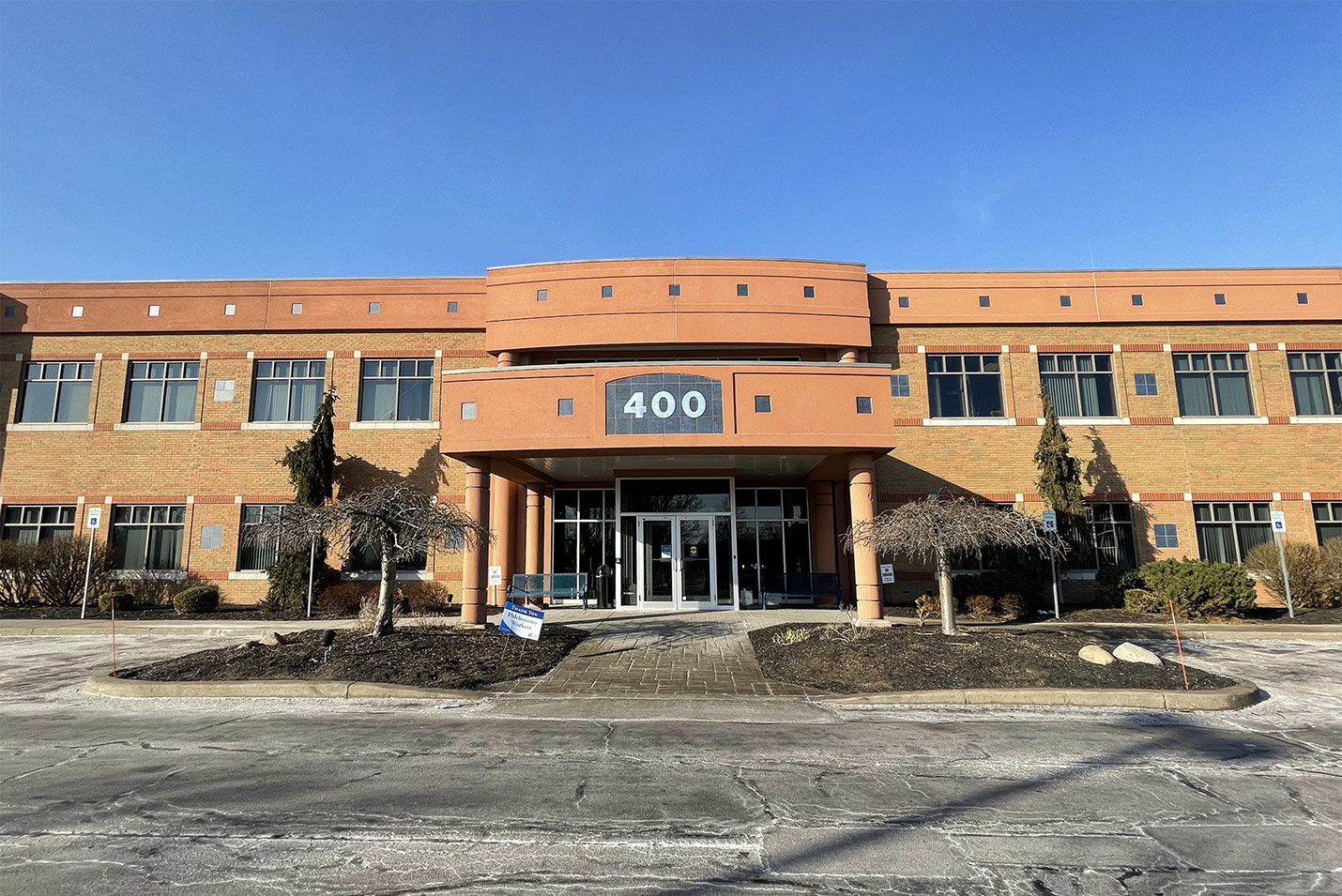
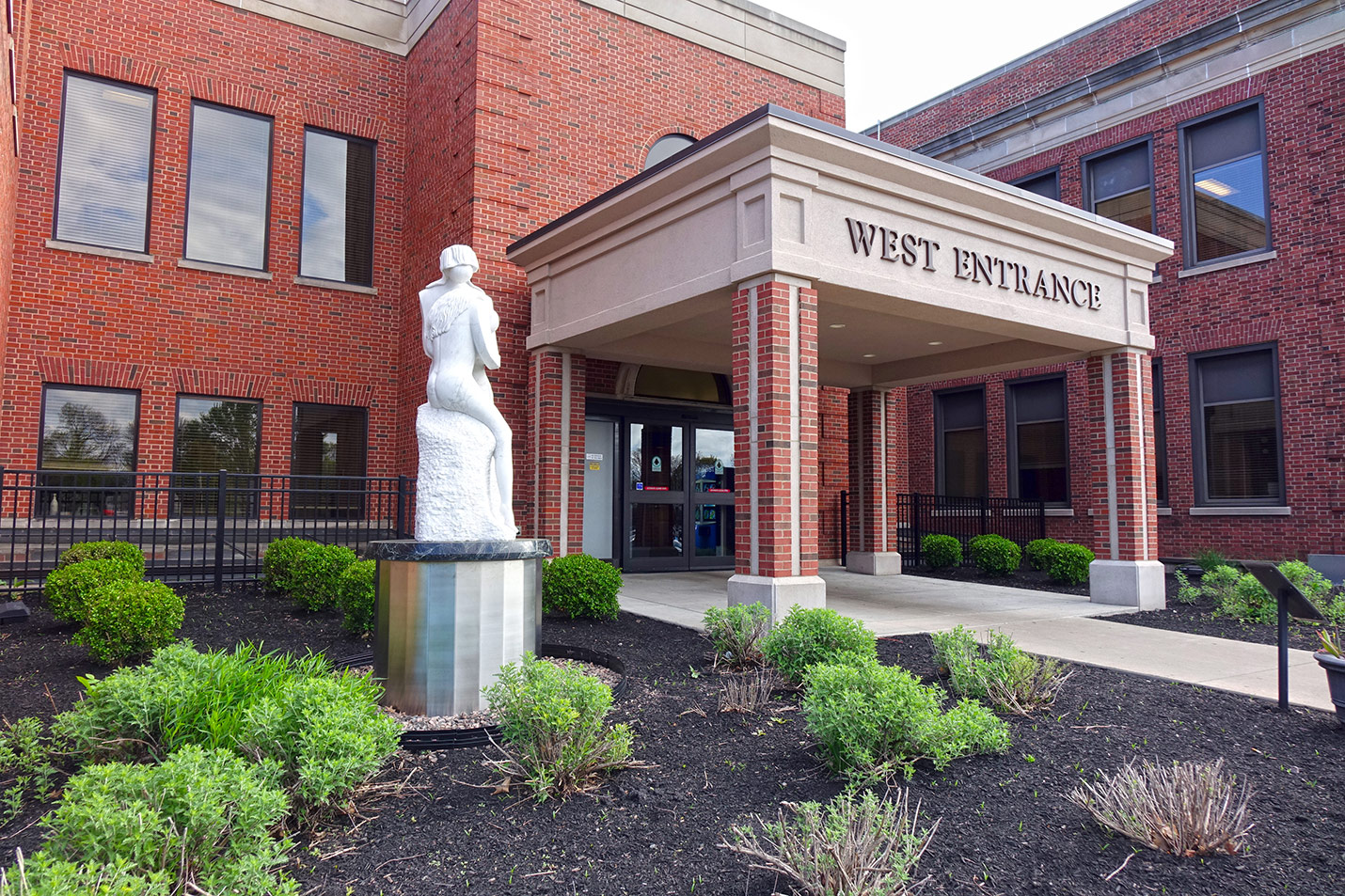
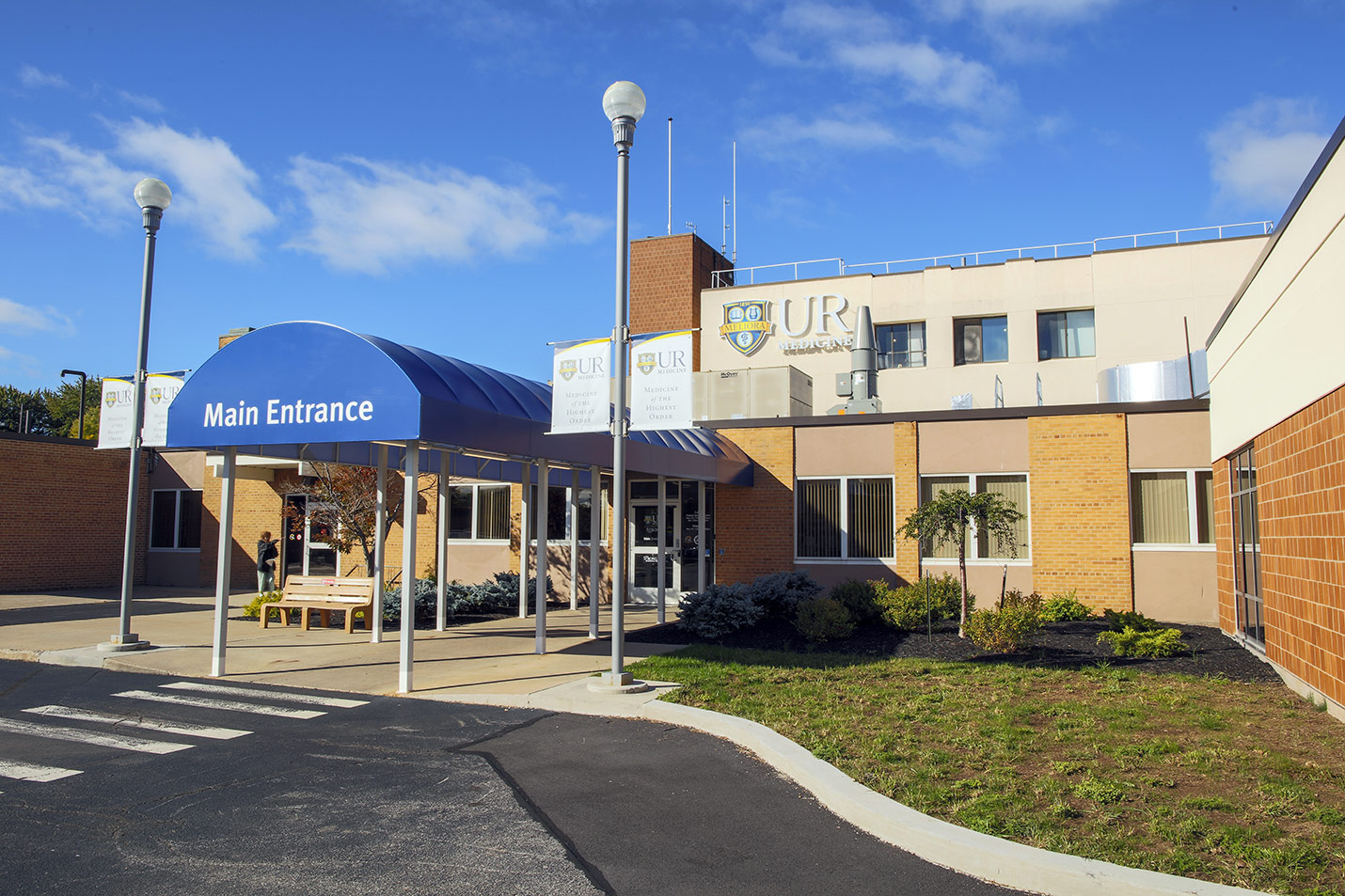
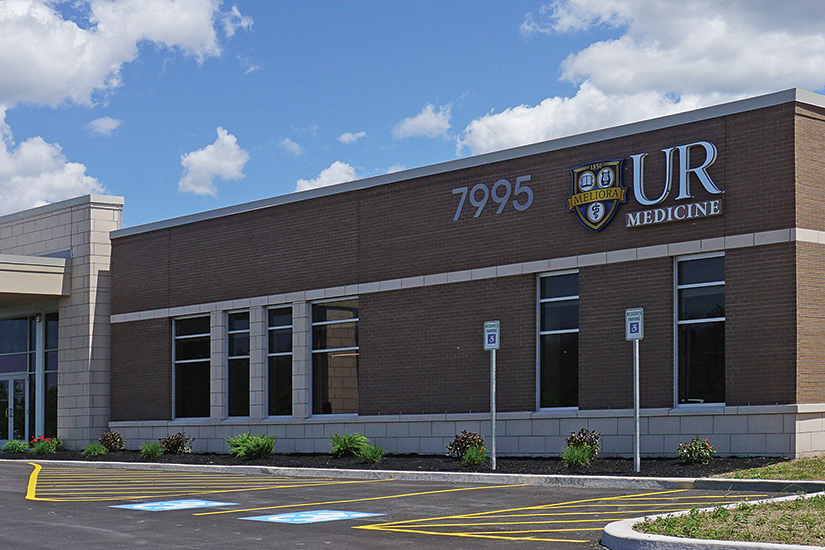
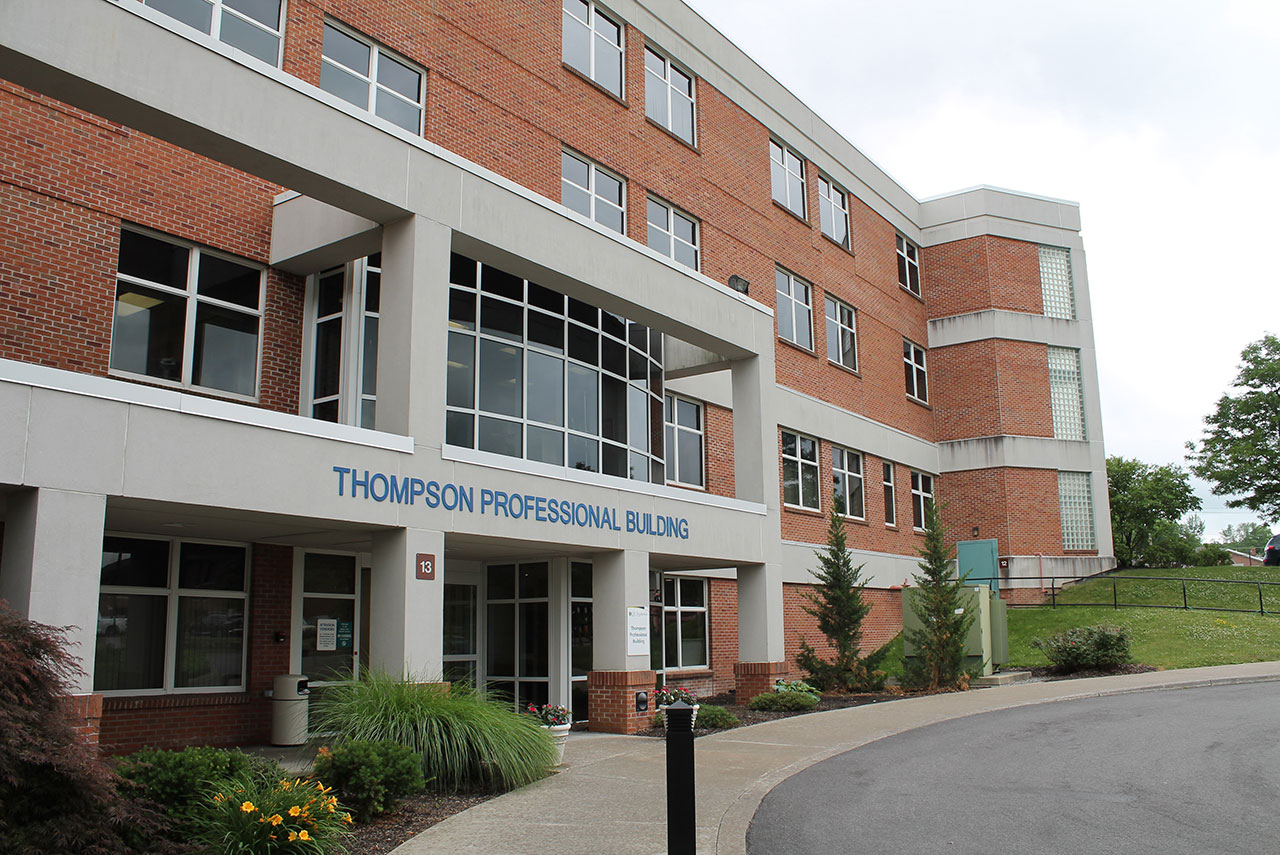
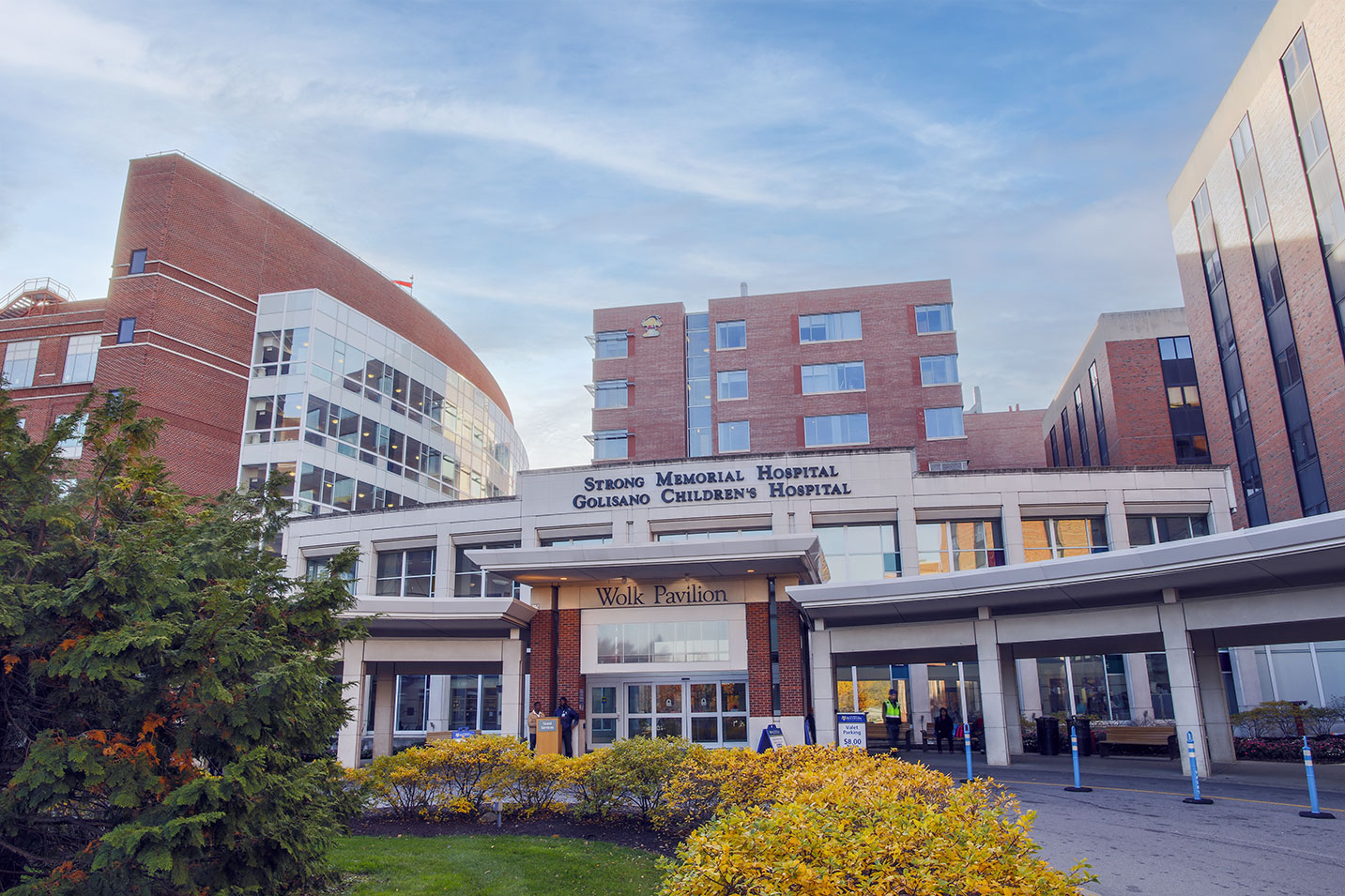
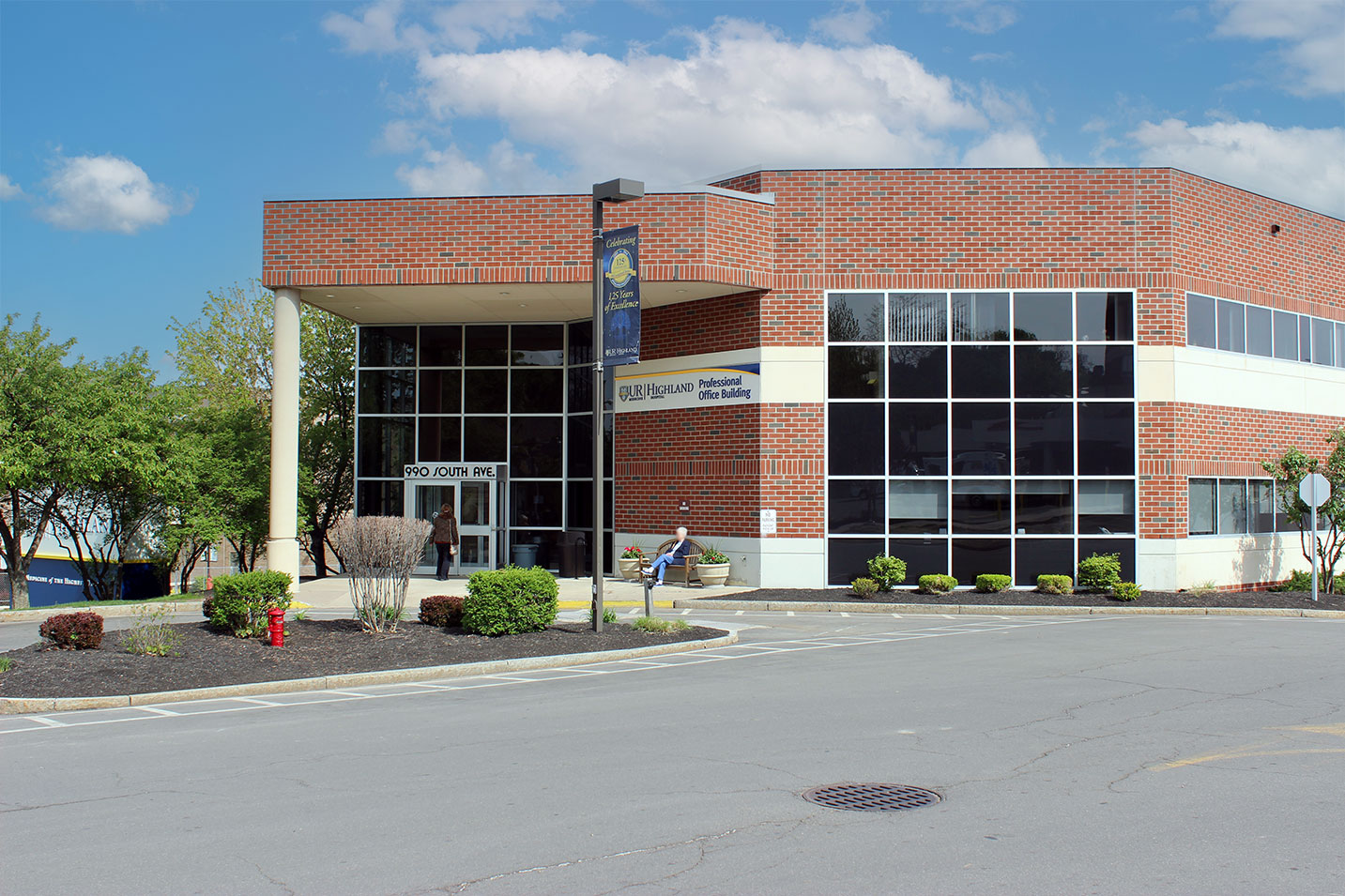
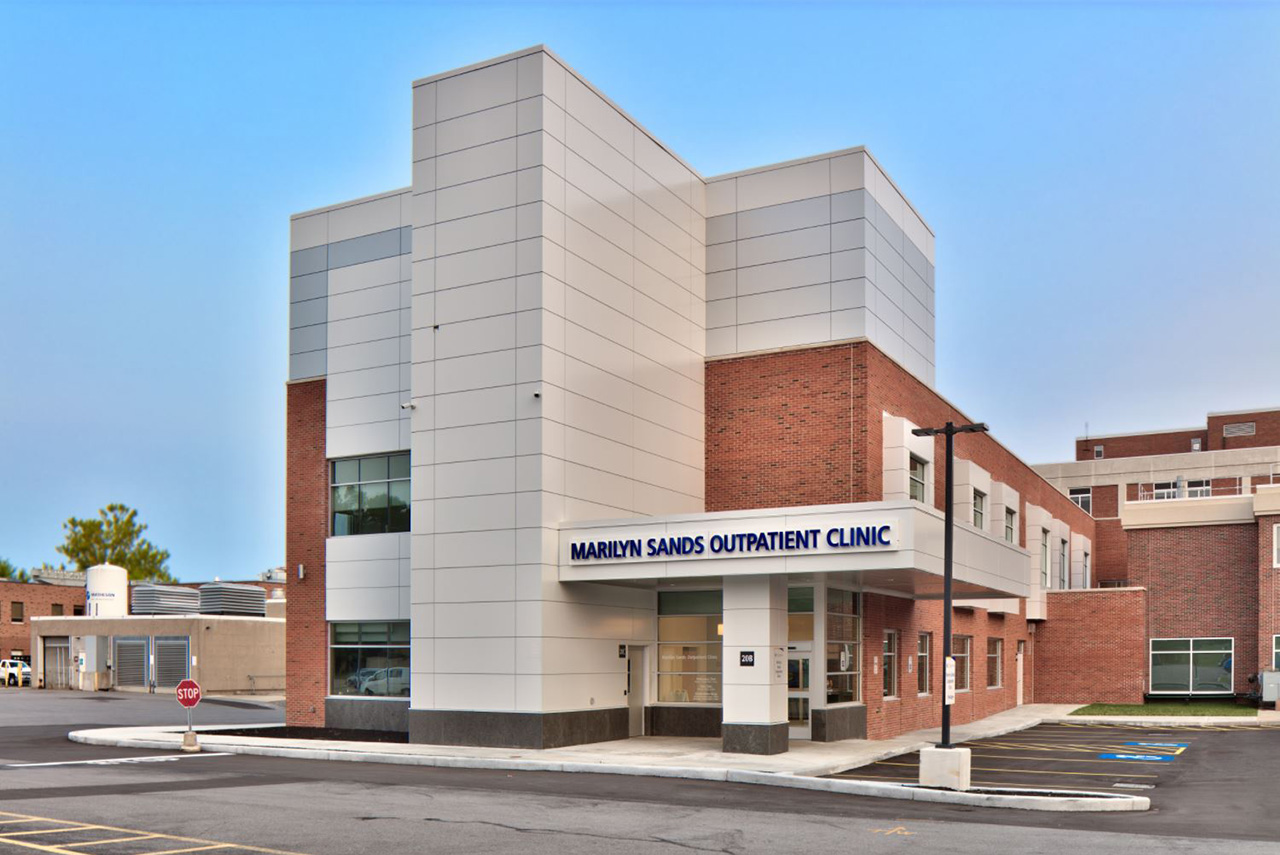
View All LocationsWe serve you in the Rochester metropolitan area and surrounding region. Locations are ordered by distance, with those closest to listed first.
11 locations

Patient Education & Support
Clinical Trials
Our team of physician researchers at URochester Medicine are working tirelessly to advance knowledge of lung diseases and therapies. Clinical trials are a great way to contribute to science and access new treatments. We have clinical trials in asthma that range from observational to advanced treatments. If you are interested in participating in clinical trials or learning more about these studies, please reach out to us.
(585) 276-7296