

Referrals to the Orofacial Pain/TMJ & Sleep Disorders Clinic
Referrals to the Orofacial Pain/TMJ & Sleep Disorders Clinic
Why Refer to EIOH?
- Board-certified ABOP specialists
- Rapid triage, co-management, and communication with referring providers
- Multidisciplinary access (Neurology, Otolaryngology, Rheumatology, Pain Medicine, Physical Therapy, Sleep Medicine)
- Evidence-based, research-driven care with advanced diagnostics
Conditions We Treat
- Arthralgia
- Disc Displacement Disorders
- Degenerative Joint Disease
- Subluxation and Dislocation
- Myofascial Pain Syndrome
- Myalgia
- Muscle Spasm and Tension
- TMJ-Related Headaches
- Tension-Type Headaches
- Migraine with Facial Pain Component
- Cervicogenic Headaches
- Trigeminal Neuralgia
- Glossopharyngeal Neuralgia
- Post-Herpetic Neuralgia
- Persistent Dentoalveolar Pain (Atypical Odontalgia)
- Burning Mouth Syndrome
- Cervicogenic Facial Pain
- Bruxism
- Referred Dental Pain
- Salivary Gland Disorders
- Oral Lesions and Mucosal Pain
- Rheumatoid Arthritis
- Lupus and Connective Tissue Disorders
- Fibromyalgia with TMD
- Sinus-Related Facial Pain
Referral Methods
Phone: (585) 275-1449
What to Include
Patient demographics, insurance, referral reason, symptoms, medical/dental history, imaging, current medications, prior treatments.
What to Expect After Referral
- 60-90 minute comprehensive evaluation
- Consultation report sent within 48-72 hours
- Ongoing collaboration and co-management
Our Locations
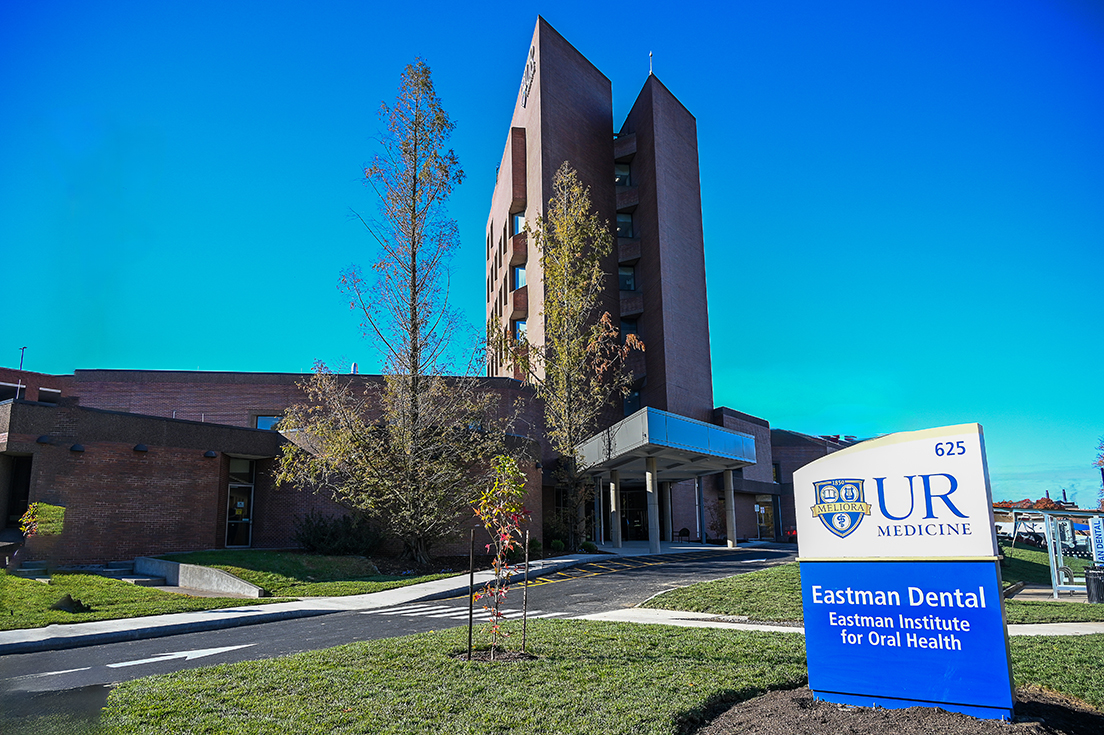 Orofacial Pain / TMJ & Sleep Disorders Clinic
Eastman Institute for Oral Health
625 Elmwood Ave
Rochester, NY 14620
(585) 275-5018 or (585) 276-5562
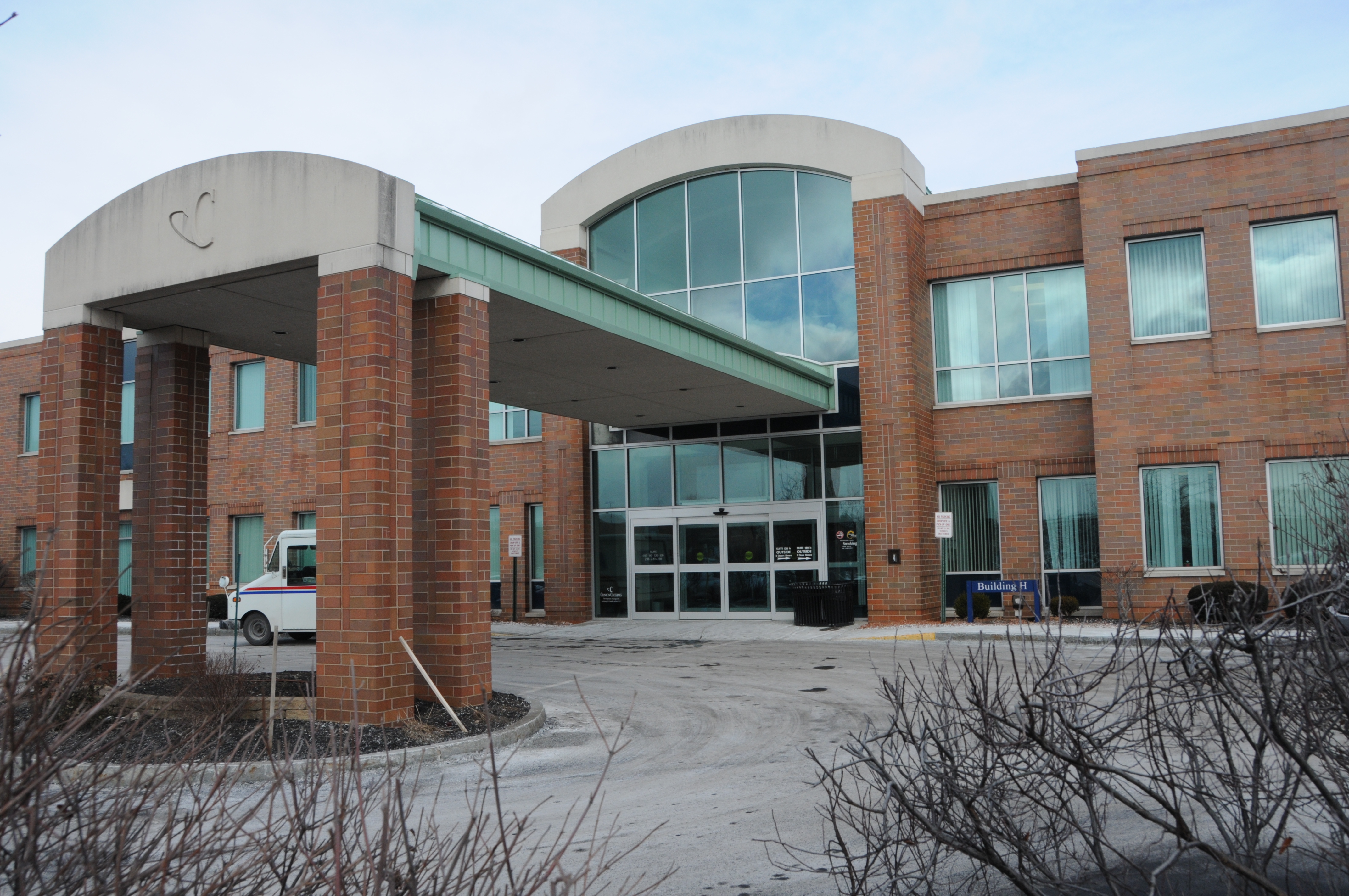 University Dental Faculty Group
2400 S Clinton Ave, Building H, Suite 125
Rochester, NY 14618
(585) 341-7177
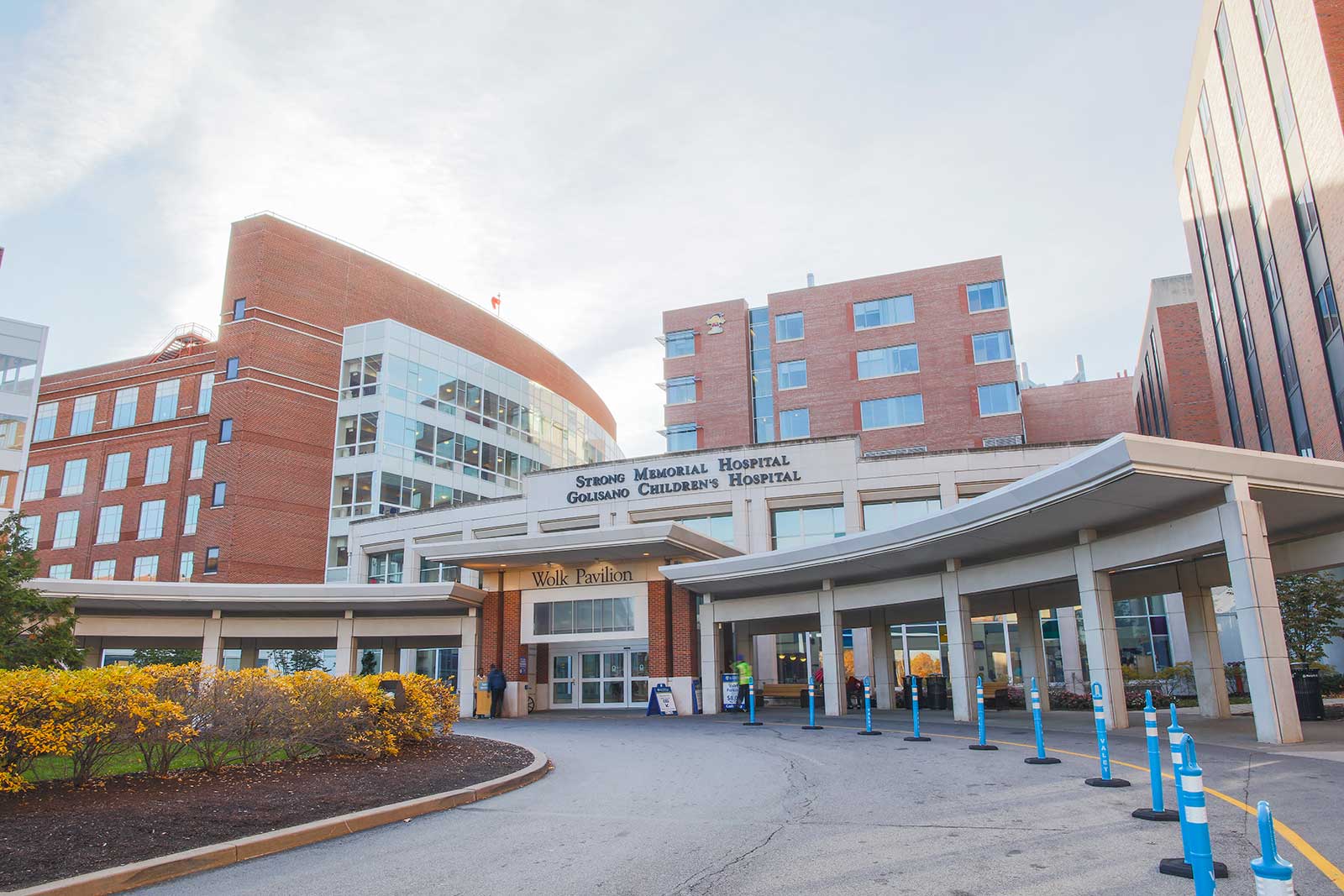 Oral & Maxillofacial Surgery Clinic
Strong Memorial Hospital
601 Elmwood Ave, 4th floor
Rochester, NY 14642
(585) 275-5531
Frequently Asked Questions
Our goal is collaborative care, not replacement. For most TMJ and orofacial pain patients, we provide specialized diagnostic evaluation and treatment while you continue primary, dental, or specialty care. We communicate regularly throughout treatment and transition patients back to you when symptoms are well-controlled and stable. Many patients benefit from periodic follow-up with us for maintenance, but we always maintain the referring provider relationship.
Absolutely. We frequently provide second opinions and diagnostic consultations for patients who have seen other providers without satisfactory diagnosis or treatment response. We'll provide our independent assessment and recommendations while respecting the patient's relationship with their current providers. Our goal is to be a resource for both patients and providers.
Yes. Our academic medical center setting provides access to multidisciplinary specialists, making us well-suited to manage medically and psychologically complex patients. We routinely work with patients who have fibromyalgia, autoimmune conditions, anxiety disorders, depression, and other comorbidities that affect pain presentation and treatment.
No, imaging is not required for referral. We'll order appropriate diagnostic studies based on our clinical examination and diagnostic needs. However, if you have recent relevant imaging (panoramic X-ray, CBCT,MRI), please send it along to avoid duplication and reduce costs for the patient.
Treatment duration varies based on diagnosis and complexity. Most TMJ disorder and myofascial pain patients see significant improvement within 8-12 weeks of initiating conservative treatment, with maximum benefit achieved by 3-6 months. Neuropathic pain conditions may require longer management. Complex chronic pain cases may benefit from ongoing care. We set clear goals and timelines with patients and keep you updated throughout the treatment process.
While the vast majority of orofacial pain conditions (70-85% of TMJ disorders) respond to conservative care, we coordinate surgical referrals when indicated. We maintain collaborative relationships with oral and maxillofacial surgeons, neurosurgeons, and other surgical specialists in the region. We ensure patients have exhausted appropriate conservative treatment options before surgery and provide pre- and post-surgical co-management when needed.
We follow evidence-based guidelines and use medications as part of a comprehensive treatment approach, not as standalone therapy. We rarely prescribe opioids for chronic orofacial pain, as they are typically ineffective for these conditions and carry significant risks. Our focus is on functional restoration through conservative therapies (physical therapy, oral appliances, self-care), appropriate non-opioid medications (NSAIDs, muscle relaxants, neuropathic pain medications), and multidisciplinary approaches. We coordinate with prescribing providers for patients on complex medication regimens.
We approach these patients with a harm-reduction and patient-centered model. We do not abruptly discontinue opioids, but work collaboratively with the patient and prescribing provider on safe tapering strategies when appropriate. We focus on improving function and quality of life through multimodal non-opioid approaches while addressing underlying pain conditions.
We accept most major insurance plans, including Medicare and Medicaid. Our billing staff can verify specific benefits before treatment begins.