Our Residents
Our Residents

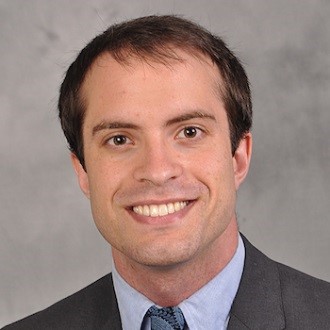
Megan Taggart, MD
Class of 2024
“Entering rural primary care after graduating from the URMC Family Medicine Residency I quickly realized how well my training prepared me. I felt comfortable in the clinic setting having previously cared for my own panel of largely underserved patients with needs that mirrored those present in rural communities. Training at an academic center I had enough patient volume to gain comfort managing common primary care complaints, and specialty rotations that equipped me to bridge patient care when access to specialists is limited. Ample elective opportunities in my second and third years allowed me to tailor my training to my future practice goals as I was able to rotate through rural clinics, spend more time in my own clinic, and gain additional specialty experience. Our program’s unique opportunities including P2, substantial procedural and MSK training, and lifestyle and integrative medicine training have been invaluable for practice in the rural setting.”
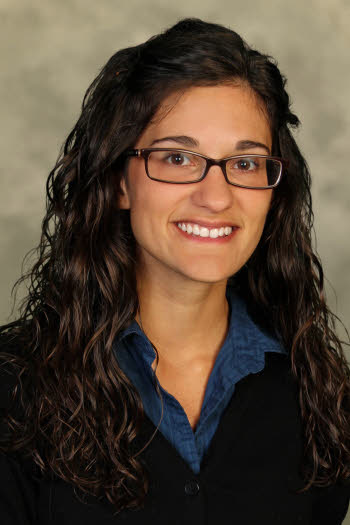
Ryan Nightingale, MD
Class of 2022
“I am very glad to say that my training with University of Rochester’s Family Medicine Residency gave me the skills I needed to thrive in a rural practice setting. Primary care in a rural setting requires a broad swath of skills to be able to manage the wide variety of conditions you encounter. Specialists are available, but many patients in rural settings strongly prefer as much of their care be done by their primary care doctor as possible. The wide range of complex medical cases I encountered during residency helped build my confidence in treating patients with complex conditions as well as in performing simple office procedures, referring to specialists only when necessary. At the same time, working as part of a larger care team with multiple specialists is all the more important when resources are limited in the rural setting. The residency experience at U of R provided the opportunity to work closely with a wide range of specialists, which improved my understanding of their clinical perspectives. I also cannot stress enough the importance of familiarity with psychiatric care and substance use disorder treatment for rural practice, as well as the ability to navigate socially complex scenarios. The emphasis of psychosocial medicine in my residency experience has ended up being a huge asset to me in rural practice, as social and psychiatric resources, strained as they are nation‑wide, are even less accessible in low‑income rural areas.”
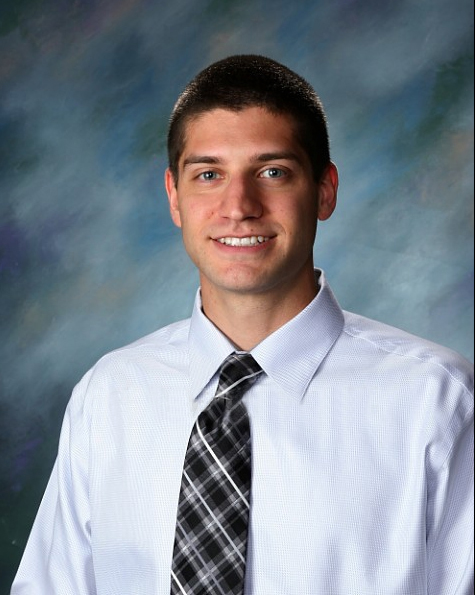
Sarah Porter, MD
Class of 2016
“After graduating from residency at Highland Family Medicine, I moved to Idaho to work in a rural community as an employee of the largest health system in the state. I moved with my family to rural Colorado in 2023 and now practice outpatient family medicine and pediatric inpatient care in the public clinic/hospital that is less than a mile from my home. I love working where I live – it’s given me a great sense of community, and I feel like I can have a real impact on our town and the wonderful people that live here. The mountains are pretty great, too! I’m thankful for the excellent training I received from HFM that prepared me so well for my career as a rural family medicine doctor!”
Matthew Thomashefski, MD
Class of 2016
“I have enjoyed working with the patient population in a rural community. I feel I have the opportunity to really get to know my patients and their families and watch the community grow over the years. Working in a rural setting requires excellent training to provide healthcare for a range of needs, and the University of Rochester Family Medicine Residency Program enabled me to do just that. The Program has a very supportive and collegial environment. I am excited for the future of this rural medicine track. It is good for the patients, the community, the program and our region.”
Jean Hamlin, MD
Class of 2015
“After residency, I have spent my career working in rural family medicine. I feel the University of Rochester/Highland Family Medicine residency program prepared me well for my career by offering me both a wide breadth of experience and excellent longitudinal follow‑up with my outpatient panel. I also appreciate how the residency program provided students with practical career skills in contract negotiation and team building.”