

Your Health and the Environment - Fall 2025
Your Health and the Environment - Fall 2025
News from the University of Rochester Environmental Health Sciences Center
In This Issue
- Forever Chemicals
- Iron Inhalation and the Brain
- Immune Cells and Allergies
- Plastics and Human Health
- Fish Consumption Advisories
- Housing Exposure Research

Celebrating 50 Years of the Rochester
Environmental Health Sciences Center
This is the 50 year of the Rochester Environmental Health Sciences Center (EHSC)! Funded by the National Institute of Environmental Health Sciences (NIEHS) since 1975, the Center is one of ~20 NIEHS Environmental Health Sciences Core Centers across the country. The Rochester EHSC is the second oldest continuously funded NIEHS Core Center and one of the longest running grants at the University of Rochester (UR).
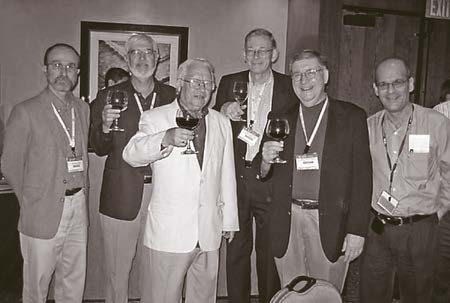
L to R: Ned Ballatori, James McGregor, Tom Clarkson, Tore Syverson, Paul Kostyniak and Michael Aschner
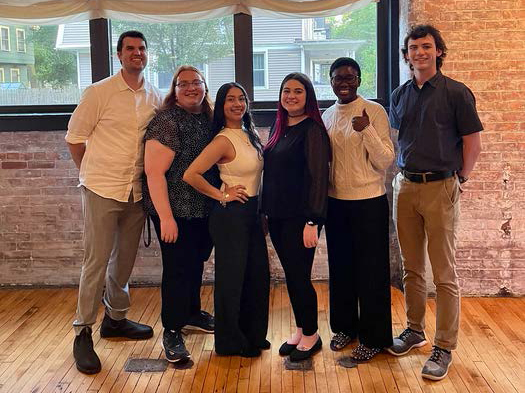
UR started the first Toxicology PhD program in the United States in 1966. Pictured L to R: Toxicology Trainees Ethan Lewis, Marissa Skulsky, Catherine Caballero, Jackie Agyemang, Aiden Straut
The EHSC supports innovative team science that has led to cutting-edge research discoveries over these 50 years, including how epigenetic mechanisms mediate gene-environment interaction, the role of air pollution in neurodevelopmental and neurodegenerative disease, and the influence of environmental exposures on infectious diseases and allergies, among others. Over its history, the EHSC has developed and sustained numerous collaborations that transform ideas into action - from new grants to research discoveries to information that helps create local and national policies that protect public health.
The central role of environmental factors in health and disease has long been recognized at UR, and the University has been leading national efforts in environmental health and toxicology for over 50 years. These efforts started in the 1940s as part of the Atomic Energy Project, which was active until the late 1960s. In the 1970s, the focus broadened beyond atomic energy. Dr. Tom Clarkson and his team were contacted by the University of Baghdad to help with what proved to be the largest mass organic mercury poisoning in history. This tragic event fueled international interest in how environmental exposures affect health. Locally, more faculty and students became interested in pursuing toxicology and environmental health research. Among these interests was growing recognition of the effects of leaded paint and leaded gasoline on children’s neurodevelopment. In 1975, faculty at UR founded one of the first National Institutes of Health (NIH)-funded Programs of Excellence in Environmental Health Sciences – the origin of the current Rochester EHSC. This was followed by an EPA-funded Center of Excellence on air pollution, led by Dr. Günter Oberdörster. These and many other multidisciplinary collaborative efforts catalyzed UR’s national leadership in environmental medicine, which continues today.
History of the Rochester EHSC
1970s
- 1975 — NIEHS P30 grant establishing the Rochester EHSC is initially awarded. At its outset, the Rochester EHSC consisted of 22 members representing 8 departments within the medical school, with Dr. Tom Clarkson as inaugural director.
- Strong expertise and state-of-the-art facilities in inhalation toxicology fosters the ability to advance significant issues in environmental health.
UR is a major hub to advance the emerging area of neurotoxicology.
EHSC and UR resources continue to support national leadership in pulmonary toxicology and neurotoxicology today. - 1978 — NIEHS Toxicology Training Grant awarded. Most recently renewed in2023, this program continues to enhance inter- and multi-disciplinary Center research. Over 200 PhD graduates and 150 postdoctoral fellows have completed training and achieved success and leadership roles in academic, private sector, and governmental agencies.
1980s
- EHSC members lead discoveries in cellular and molecular mechanisms of toxicity, receptors as targets of environmental agents, and emerging role of transporters.
1990s
- 1992 — UR Department of Environmental Medicine established, with 16 faculty and Dr. Tom Clarkson as inaugural Department Chair. The Department continues to thrive today, providing a critical interface between environmental exposures, disease etiology, prevention and treatment. It is the present-day home of the EHSC, which is integrated throughout the UR community.
- Center research expertise spans lead and osteoporosis, ultrafine particles, and neurodegenerative diseases.
EHSC Community Outreach program established.
EHSC Biostatistics Core established.
Dr. Deborah Cory-Slechta succeeds Tom Clarkson as director of the EHSC.
2000s
- New construction of dedicated research space and faculty recruitment at URMC. Center faculty studying pulmonary, cardiovascular and immune systems are consolidated in new research space with state-of-the-art human and animal inhalation facilities, becoming the EHSC Inhalation Exposure Facility.
EHSC Behavioral Sciences Facility established.
EHSC Integrated Health Sciences Facility Core established.
Dr. Tom Gasiewicz is named director of the EHSC.
2010s
- New faculty recruitment strengthens the Center’s theme in environmental epidemiology and epigenetics, contributing to evolving and expanding strengths and emphasis on the developmental basis of disease and stem cell biology.
The EHSC maintains focus on legacy issues while beginning to explore emerging areas of translational environmental health science research and community engagement activities. - 2017 — Current EHSC Director, Dr. B. Paige Lawrence, is appointed after a nationwide search.
2020s
- The EHSC leans into translational environmental health and promotes innovative interdisciplinary science.
The Integrated Health Sciences Facility Core is reimagined into a new Translational Research Support Core.
The Biostatistics Core is expanded into a robust Biostatistics and Bioinformatics Core, including data sciences. - 2025 — The EHSC enters its 50th year. Currently, the EHSC consists of 52 members representing 19 departments across 4 schools within the UR.
EHSC Joins in Celebrating the Coalition to Prevent
Lead Poisoning’s 25th Anniversary
Coalition members with Monroe County Executive Adam Bello and Rochester Deputy Mayor Mike Burns, who read a joint proclamation for the Coalition’s 25th Anniversary
On September 19, 2025, EHSC Community Engagement Core (CEC) members joined in celebrating the 25th anniversary of the Coalition to Prevent Lead Poisoning (the Coalition) at their annual meeting. The CEC has a long history of supporting lead poisoning prevention efforts both locally and at the national level. Since the Coalition began in 2000, the CEC has translated UR lead-related research, promoted science-based decision making, and fostered community engagement. Coalition founders were inspired by the work of Center member Deborah Cory-Slechta, PhD, and others at the UR that showed that lead’s effects were especially problematic for children’s development. Cory-Slechta and Center member Todd Jusko, PhD, were part of the team that published studies documenting that lead levels below the US Centers for Disease Control and Prevention (CDC) level of 10 micrograms/dL were unsafe. This research was instrumental in the CDC’s 2012 statement that no level of lead is safe for children, and Cory-Slechta played a key role as co-chair of the CDC’s Advisory Committee on Childhood Lead Poisoning.
Community-engaged science led by UR faculty led to the development of the first-in-the-nation city policies on lead paint remediation, including the abatement of lead-containing paint on porches. By connecting UR scientists and community members, the CEC informed Rochester’s local lead poisoning prevention system, which has resulted in lead poisoning rates declining 2.4 times faster than elsewhere in NY state. This system has served as a model for other communities around the country and influenced nationwide laws and policies related to lead exposure.
Center members continue to study lead today, including:
- Todd Jusko, PhD began researching lead in Rochester in the late 1990s. He continues to study how lead affects the immune system of children, including associations with asthma and influences on responses to common immunizations like flu, measles, mumps, and rubella.
- Margot Mayer-Proschel, PhD studies the interaction of gestational iron deficiency and lifelong lead exposure on the brain.
- Katrina Smith Korfmacher, PhD studies how community connections and working with residents as part of lead hazard control efforts may reduce lead and other contaminants in Rochester homes.
- Marissa Sobolewski, PhD has studied the effects of lead and prenatal stress on neurodevelopment and how the effects of early life exposures contribute to adult disease or can even cross generations.




The work of these and other researchers provides a foundation for the Center’s ongoing efforts to meet the needs of community partners including the Coalition, local government, and public health professionals.
Research Highlights
Adapted from NeURoscience
“Forever chemicals,” or per- and polyfluoroalkyl substances (PFAS), have been widely used in consumer and industrial products for the better part of a century, but do not break down in the natural environment. One PFAS, perfluorohexanoic acid or PFHxA, is made up of a shorter chain of molecules and is thought to have less of an impact on human health. New research from the Del Monte Institute for Neuroscience at the UR suggests otherwise, finding that early life exposure to PFHxA may increase anxiety-related behaviors and memory deficits in male mice.
“Although these effects were mild, finding behavioral effects only in males was reminiscent of the many neurodevelopmental disorders that are male-biased,” said Ania Majewska, PhD, Center member, professor of Neuroscience and senior author of the study in the European Journal of Neuroscience. Research has shown males are more often diagnosed with neurodevelopmental disorders such as autism and ADHD. “This finding suggests that the male brain might be more vulnerable to environmental insults during neurodevelopment.”

Elizabeth Plunk (left) and Alexis Feidler (right) use a confocal microscope in the Majewska Lab
Researchers exposed mice to PFHxA through a mealworm treat given to the mother during gestation and lactation. They found that the male mice exposed to higher doses of PFHxA in utero and through the mother’s breastmilk showed mild developmental changes, including a decrease in activity levels, increased anxiety-like behaviors, and memory deficits. They did not find any behavioral effects in females that were exposed to PFHxA in the same way.
The mealworm method used in this research was developed by URMC Environmental Medicine and Neuroscience researchers, including Center members Marissa Sobolewski, PhD, and Deborah Cory-Slechta, PhD, nearly a decade ago. Along with exposing the mice to a controlled amount of environmental toxicants, it also reduces maternal stress and blood glucose spikes from high sugar content treats.
“Finding that developmental exposure to PFHxA has long-term behavioral consequences in a mammalian model is concerning when considering short-chain PFAS are thought to be safer alternatives to the legacy PFAS that have been phased-out of production,” said Elizabeth Plunk, PhD (’25), an alumna of the Toxicology graduate program at the UR School of Medicine and Dentistry and first author of the study. “Understanding the impacts of PFHxA on the developing brain is critical when proposing regulations around this chemical. Hopefully, this is the first of many studies evaluating the neurotoxicity of PFHxA.”
Researchers followed these mice into adulthood and found that in the male mice PFHxA exposure affects behavior long after exposure stops, suggesting that PFHxA exposure could have effects on the developing brain that have long-term consequences.
“This work points to the need for more research in short-chain PFAS. To our knowledge, PFHxA has not been evaluated for developmental neurobehavioral toxicity in a rodent model,” said Majewska. “Future studies should evaluate the cellular and molecular effects of PFHxA, including cell-type specific effects, in regions associated with motor, emotional/fear, and memory domains to elucidate mechanistic underpinnings.”

Ania Majewska, PhD
Despite its shorter chain, PFHxA has been found to be persistent in water and was restricted by the European Union in 2024. This follows years of restrictions on longer chain PFAS. Last year, the US Environmental Protection Agency set its firstever national drinking water standard for PFAS, which will reduce PFAS exposure for millions of people. PFAS are man-made chemicals that have the unique ability to repel stains, oil, and water have been found in food, water, animals, and people. They are linked to a range of health issues, including developmental issues in babies and kidney cancer.
Additional authors include Center member Marissa Sobolewski, PhD, Katherine Manz, PhD (University of Michigan), and Andre Gomes and Kurt Pennel, PhD (Brown University). The research was supported by the NIH, the UR Intellectual and Developmental Disabilities Research Center, and the EHSC.
Related publication: Plunk, E.C., et al. 2025. Gestational and Lactational Exposure to Perfluorohexanoic Acid Affects Behavior in Adult Male Mice: A Preliminary Study. European Journal of Neuroscience 62, 1:e70174.
Adapted from URMC news
New research reveals that tiny amounts of PFAS—widely known as “forever chemicals”—cross the placenta and breast milk to alter infants’ developing immune systems, potentially leaving lasting imprints on their ability to fight disease.
UR Medical Center (URMC) researchers tracked 200 local healthy mother–baby pairs, measuring common PFAS compounds in maternal blood during pregnancy and then profiling infants’ key T‑cell populations at birth, six months, and one year. By age 12 months, babies whose mothers had higher prenatal PFAS exposure exhibited significantly fewer T follicular helper (Tfh) cells—vital coaches that help B cells produce strong, long‑lasting antibodies—and disproportionately more Th2, Th1, and regulatory T cells (Tregs), each linked to allergies, autoimmunity, or immune suppression when out of balance.
 “This is the first study to identify changes in specific immune cells that are in the process of developing at the time of PFAS exposure,” said Center member Kristin Scheible, MD, an associate professor of Pediatrics and Microbiology & Immunology at URMC and lead author of the study, which appears in the journal Environmental Health Perspectives. “Identification of these particular cells and pathways opens up the potential for early monitoring or mitigation strategies for the effects of PFAS exposure, in order to prevent lifelong diseases.”
Tfh cell depletion helps explain previous findings that higher PFAS levels in children correlate with weaker vaccine responses to tetanus, measles, and other routine immunizations. Conversely, the uptick in Th2 and Treg cells can predispose to allergic inflammation or dampened defenses, while excess Th1 activity raises concerns about future autoimmune conditions such as juvenile arthritis or type 1 diabetes. “The cells impacted by PFAS exposure play important roles in fighting infections and establishing long-term memory to vaccines,” said Darline Castro Meléndez, PhD, a researcher in Scheible’s lab and first author of the study. “An imbalance at a time when the immune system is learning how and when to respond can lead to a higher risk of recurrent infections with more severe symptoms that could carry on through their lifetime.”
Although Rochester’s drinking water meets current safety standards, PFAS lurks in numerous consumer products—from nonstick cookware and food packaging to stain-resistant fabrics and personal care items. The study’s mothers had relatively low PFAS blood levels compared to other regions, yet the immune shifts were pronounced even in this small sample.
While not all environmental exposures can be avoided, families can reduce PFAS contact during critical windows of fetal and infant immune development. “Use water filters, minimize cooking in damaged nonstick pans, switch to alternatives like stainless steel or cast iron, and store food in glass or ceramic containers,” said Scheible. “Small steps can help lower the cumulative burden of exposure.”
The team plans a longer follow-up to determine whether these early T‑cell imbalances persist into toddlerhood and whether they translate into more infections, allergies, or autoimmune diseases. Measuring PFAS in infants directly and unraveling the molecular underpinnings of these immune disruptions are key objectives for future research.
Additional authors include Nathan Laniewski, Center member Todd Jusko, Xing Qiu, Center Director B. Paige Lawrence, Jessica Brunner, Meghan Best, Allison Macomber, Alena Leger, Kurunthachalam Kannan, Richard Kermit Miller, and Center member Thomas O’Connor with URMC, and Zorimar Rivera-Nunez and Emily Barrett with Rutgers University. The research was supported with funding from the National Institute of Allergy and Infectious Diseases, the NIEHS, the National Institute of Child Health and Human Development, the National Center for Advancing Translational Sciences, and the UR Clinical and Translational Sciences Institute.
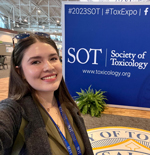
Darline Castro Meléndez, PhD
This project is part of a collaboration with the Rochester ECHO cohort, led by Thomas O’Connor, PhD. For more about ECHO, see the Winter 2023 EHSC newsletter article "ECHO in Rochester." Castro-Meléndez previously wrote about her research in the Winter 2024 newsletter article “Vulnerable Beginnings: Unraveling the Effects of Fetal PFAS Exposure on Infants.”
Related publication: Castro Meléndez, D., et al. 2025. In utero per– and polyfluoroalkyl substances (PFAS) exposure and changes in infant T helper cell development among UPSIDE-ECHO cohort participants. Environmental Health Perspectives https://doi.org/10.1289/EHP16726
A new paper by Toxicology Trainee Jithin George and including Center members Deborah Cory-Slechta, PhD, and Marissa Sobolewski, PhD, was selected as NIEHS Extramural Grantee Paper of the month for July 2025. Read on for a description of the research, originally posted on the NIEHS website.
Whole body inhalation of iron, a common contaminant of air pollution, produces signs of neurodegenerative diseases in mice, and the specific effects vary by sex, according to an NIEHS-supported study.
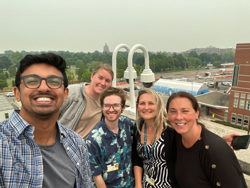
L to R: Jithin V. George, Margaux Masten, Travis Covitz, Marissa Sobolewski, Elena Marvin
Both increased levels of iron in the brain and air pollution exposure have been linked to various neurodegenerative disorders. Iron is particularly elevated in subway systems, and nanosized iron particles can travel directly from the nose into the olfactory bulb region of the brain. The researchers investigated whether inhaled iron from air pollution may contribute to neurodegenerative disorders.
Toward that goal, they exposed mice to iron oxide nanoparticles in the air at levels similar to those found in subway systems. Tissue samples from the olfactory bulb confirmed that inhaled iron oxides were present in the brain. Female mice exposed to iron developed features of Alzheimer’s disease, including memory impairments and increased levels of tau proteins in hippocampus, a brain region important for memory. In contrast, male mice showed enlargement of the substantia nigra pars compacta, a brain region linked to movement impairments seen in Parkinson’s disease.
According to the authors, long-term exposure to inhaled iron from air pollution may contribute to the buildup of iron in the brain over time, potentially raising the risk of neurodegenerative diseases as people age.
Related publication: George, J.V. et al. 2025. Brain iron accumulation in neurodegenerative disorders: does air pollution play a role? Particle and Fibre Toxicology 22(1):9.
Adapted from URMC News

Kirsi Järvinen-Seppo, MD, PhD
Scientists discovered that a previously uncharacterized subset of immune cells may play a critical role in the development of allergic diseases and explain differences between urban and rural populations. The finding, published in the journal Allergy, provides new insight into how the immune system is shaped in early life—and why urban children are more prone to allergies than children from rural areas.
Led by researchers from the URMC Department of Pediatrics, including MD/PhD student Catherine Pizzarello and senior author and Center member Kirsi Järvinen-Seppo, MD, PhD, the study uncovered a unique subpopulation of T cells known as helper 2 (Th2) cells with distinct molecular characteristics.
T-cells are the foundational immune cells that fight off infections, but there is evidence that this specific subtype is recognizing certain foods as allergenic and attacking them, according to Jarvinen-Seppo.
“These pro-allergic T cells are more inflammatory than anything previously described in this context,” said Järvinen-Seppo, chief of Pediatric Allergy and Immunology at UR Medicine Golisano Children’s Hospital. “They were found more frequently in urban infants who later developed allergies, suggesting they may be a predictive biomarker or even a mechanistic driver of allergic disease.”
The study compared blood samples from urban infants with those from infants in a farming community, specifically the Old Order Mennonites (OOM) of New York’s Finger Lakes region—known for their low rates of allergies. Researchers found that while urban infants had higher levels of the aggressive Th2 cells, OOM infants had more regulatory T cells that help keep the immune system in balance and reduce the likelihood of allergic responses.
While additional research is needed to identify a possible cause, Jarvinen-Seppo speculates that differences in the development of the gut microbiome between the two populations, and more exposure to “healthy” bacteria in rural children, may be a factor.
“The farming environment, which is rich in microbial exposure, appears to support the development of a more tolerant immune system. Meanwhile, the urban environment may promote the emergence of immune cells that are primed for allergic inflammation,” said Jarvinen-Seppo.
The work is part of a broader, NIH-funded investigation into how early-life exposures influence long-term immune outcomes. In 2023, Järvinen-Seppo’s team received a $7 million grant from the National Institute of Allergy and Infectious Diseases to study environmental, microbiome, and immune differences between OOM and urban infants. The goal is to continue this foundational work to uncover protective factors that could be translated into preventive therapies, including probiotics or microbiome-supporting interventions.
“If we can identify the conditions for this disparity between the different T cell subpopulations, we can potentially find solutions in allergic disease development,” Järvinen-Seppo said.
Related publication: Pizzarello, C. R., et al. 2025. A Phenotypically Distinct Human Th2 Cell Subpopulation Is Associated With Development of Allergic Disorders in Infancy. Allergy 80(4):949-964.

University of Rochester photo / J. Adam Fenster
Have you ever wondered if plastics are harmful to your health? Center member Katrina Smith Korfmacher, PhD, addressed this question in a recent video in UR’s “Ever Wonder” series, discussing what we know about how plastics enter the environment and our bodies and how they may affect our health. Korfmacher is codirector of the Lake Ontario MicroPlastics Center (LOMP), a collaboration between UR and Rochester Institute of Technology. (To learn more about LOMP, visit LOMP.urmc.edu.) EHSC members Lisa DeLouise, PhD, Alison Elder, PhD, Becca Lauzon, PhD, Dina Markowitz, PhD, Jim McGrath, PhD, and Jacques Robert, PhD, are also part of the microplastics center.
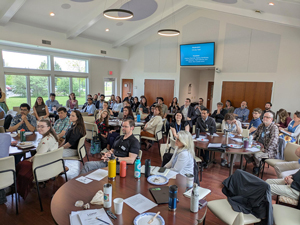
Attendees at the 2025 LOMP Symposium
While plastics are often thought of as a single material, they are made from many different polymers, each with a unique chemical makeup. Plastics can contain different chemical additives like dyes, plasticizers, and flame retardants. These chemicals can remain in the plastic, even if it is recycled for a different purpose, giving rise to recent concerns about flame retardants in black plastic kitchen utensils and other consumer products. In the environment, microplastics interact with microbes and environmental chemicals, making it even more complex to understand the risk to human health.
Researchers in Rochester are working to identify the kinds of plastics that get into our bodies, simulate those in the lab, and then use them in experiments. In May 2025, a symposium organized by LOMP gathered 70 researchers and stakeholders at Rochester Institute of Technology for panel presentations and discussion on microplastics research methods, environment and human health impacts, and education and engagement. LOMP is planning its next annual symposium in June 2026.


 A commentary published in the journal Neurotoxicology, including Center members and Seychelles Child Development Study investigators Gene Watson, DDS, PhD, Edwin van Wijngaarden, PhD, and Gary Myers, MD, as co-authors, urges experts to develop new fish consumption advisories that better reflect the latest research.
Many fish consumption advisories, including those issued by government agencies, include precautionary limits on fish consumption during pregnancy. These advisories, along with concerns about exposure to methylmercury from fish (which can harm neurodevelopment) often lead to reductions in or elimination of fish consumption during pregnancy. However,fish also provide important nutrients including omega-3 fatty acids, which are essential for brain development and function.
A growing body of research has shown that eating fish while pregnant can result in improvements in neurodevelopment. (For more, see the article “New Model Could Help Provide Expectant Mothers a Clearer Path to Safe Fish Consumption” in the Fall 2024 newsletter.) The commentary authors suggest that revising fish consumption advisories to align with these scientific findings could benefit children’s brain and cognitive development.
Related publication: Spiller, P. et al., 2025, Fish consumption advice is depriving children of neurolipids and other nutrients essential to brain and eye development. Neurotoxicology 109: 27-31.
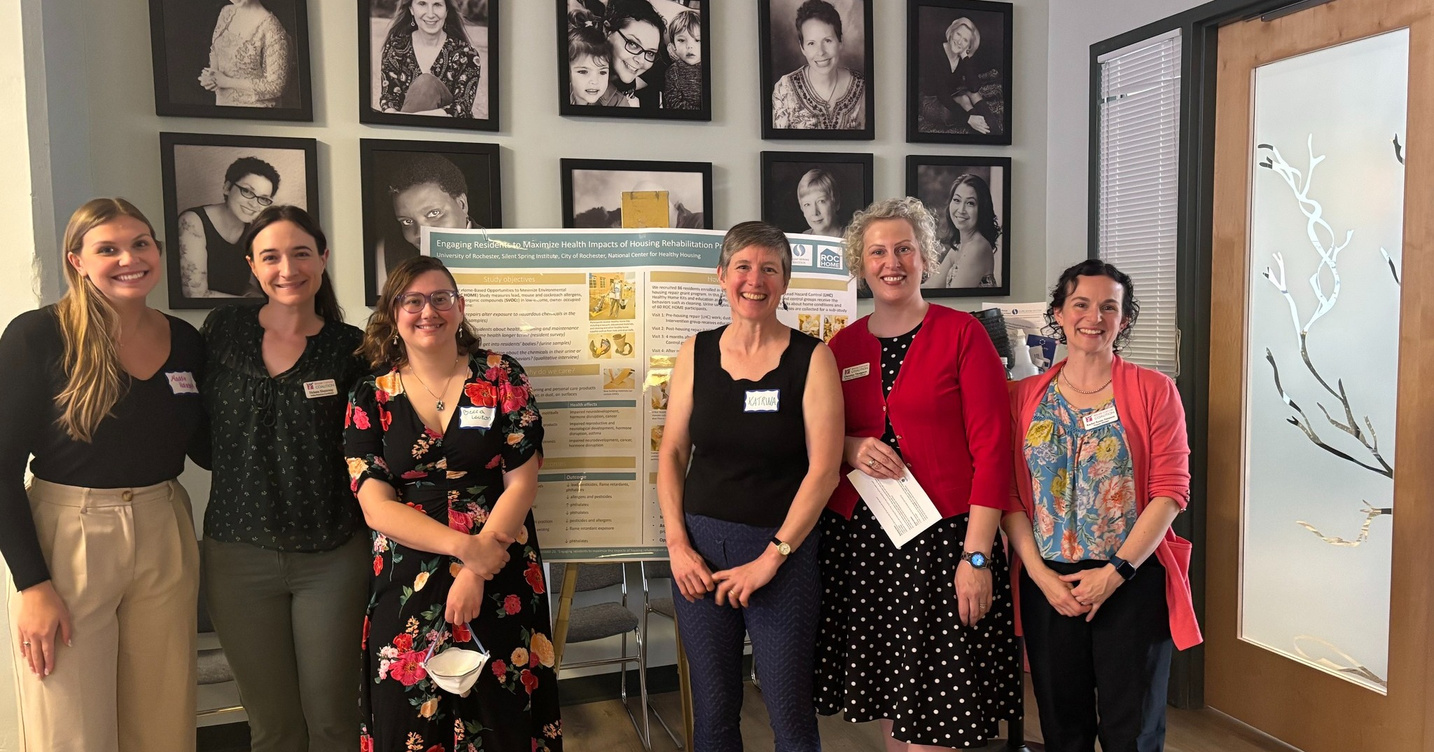
Between May 2021 and May 2024, the UR and Silent Spring Institute partnered to collect household dust from owner-occupied households in Rochester and test it for lead, allergens, and 45 environmental chemicals. The US Department of Housing and Urban Development funded study, called “ROC HOME,” partnered with the City of Rochester to study the impacts of home rehabilitation and resident engagement on exposures to harmful contaminants in homes.
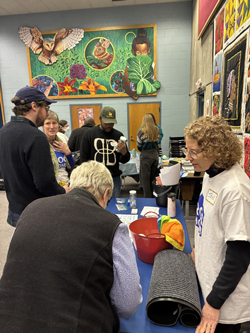
Resource tables at a ROC HOME Community Meeting
The Rochester team, led by Center member Katrina Smith Korfmacher, PhD, collected dust samples from homes with children under 12 that were enrolled in the City’s Lead Hazard Control grant program. Samples were collected before, just after, and a few months after the lead repair work was completed. By testing that dust for contaminants including pesticides, allergens, flame retardants, phthalates, and other endocrine-disrupting chemicals, the study aimed to explore the potential of Lead Hazard Control grant-funded home repair work to affect conditions in the home other than lead. The chemicals studied in ROC HOME have been linked to health concerns including asthma, impacts on brain and reproductive development, and cancer, and are of particular concern for children. Along with collecting household dust, the study team conducted a survey about home conditions and resident behaviors. They also provided resident education and supplies for safer cleaning.
For a subset of ROC HOME participants, additional funding from the NIEHS supported biomonitoring via urine samples and an interview after study participants received the results of what was found in their household dust and their urine.
Using the Digital Exposure Report-Back Interface (DERBI), developed by Silent Spring Institute, a personalized report was developed for each participant including information about the chemicals that were found in their household dust samples and, when applicable, urine samples. Results were reported in graphs comparing them to others in the study. Other than lead, the contaminants measured in the study do not have set safety standards; participants were instead provided with one sentence “headlines” describing if their results were higher than, similar to, or lower than others.
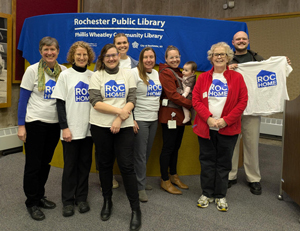
ROC HOME study team members
With support from the EHSC CEC, the research team also held two community meetings to share some of the initial findings from the study with Rochester residents and community groups interested in housing and presented to the EHSC Community Advisory Board. Attendees were able to provide feedback on future data analysis and possible implications for future housing repair grant programs and healthy homes education. Already, the CEC team has begun to develop educational materials to address gaps identified during the study (for example, an infographic on harmful chemicals in many air fresheners).
The research team continues to share the initial results with interested community groups while conducting further analysis of the data.
Learn more at rochome.urmc.edu.
Center Member Highlight: A Q&A with John Onukwufor, PhD
Read the full Q&A on URMC news
 Center member John Onukwufor, PhD, is an assistant professor of Pharmacology and Physiology and Environmental Medicine. He came to the UR in 2018 for a postdoc position in the lab of Andrew Wojtovich, PhD, studying stress signaling at the molecular level using C. elegans. In 2021, he received the inaugural UR Transition to Independence Award, supporting his independent research project investigating the role of metal neurotoxicity and mitochondrial dysfunction in Alzheimer’s disease pathogenesis.
Q: Please summarize your research
A: The Onukwufor laboratory is studying the role that metals, such as iron, play in neurotoxicity and mitochondrial dysfunction in the development of Alzheimer’s disease. My laboratory is also interested in understanding how genetic and environmental variables, such as temperature, metal, and hypoxia, interact to modulate cellular adaptation to stress. We use complementary approaches in transgenic overexpression C. elegans and mouse models of Alzheimer’s disease. In addition, we blend neuropharmacology, molecular biology, optogenetics, biochemistry, toxicology, and comparative physiology techniques. Our goal is to identify specific biological processes of the disease to develop novel therapeutic targets for Alzheimer’s disease and other neurodegenerative disorders.
Q: What is your favorite piece of advice?
A: During my postdoctoral training, one of my mentors, Dr. Jeffrey Richards, said, “John, you have one shot, so make it count.” This has been my guiding principle to make every opportunity count. I also do my best to pass the one-shot statement to my trainees and mentees to see every opportunity as their last shot. By so doing, they are motivated to give their very best in whatever they do.
Faculty News and Awards
 Deborah Cory-Slechta, PhD, (left) was featured on an episode of the URMC Del Monte Institute for Neuroscience podcast, Neuroscience Perspectives, exploring the impact of environmental chemicals on brain health. The professor of Environmental Medicine and Neuroscience was studying lead exposure as a postdoc at Rochester when she first considered cumulative risk, after working with a mother and child faced with more than just concerns about lead. “It got me thinking, what are the effects of stress combined with lead exposure?” Today, the pioneer in toxicology research continues to shape our understanding of environmental toxins, including the impact of paraquat and wildfire smoke on human health.
 Ehsan Hoque, PhD, (right) received the Letten Prize Runners-Up Award. The Letten Prize is a biannual award highlighting young researchers who contribute to solving major global challenges in health, development, and environment. Of 158 applications, Hoque is one of five young researchers shortlisted for the prize.
New research from Ania Majewska, PhD, (left) suggests that calming the brain’s immune cells might prevent or lessen the damaging inflammation seen in Alzheimer’s disease. The study points to the key role of the hormone and neurotransmitter norepinephrine, and this new understanding could pave the way for more focused treatments that start earlier and are tailored to the needs of each person. Read more about the research from URMC news.
 Center member Tom O’Connor, PhD, (right) is principal investigator for a research study looking at child health and development, a groundbreaking project that has been awarded a $1.6 million extension from the NIH. This initiative continues the NIH’s longstanding investment in the Environmental Influences on Child Health Outcomes (ECHO) program, which investigates how early environmental factors impact child health.
Marissa Sobolewski, PhD, (left) was this year’s UR School of Medicine and Dentistry faculty award winner for the Trainee Academic Mentoring Award in Basic Science.
Tox2All
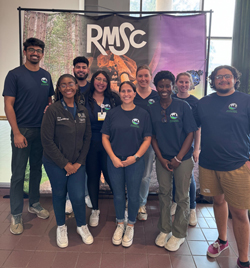 On August 5th, 2025, visitors to the Rochester Museum and Science Center had the opportunity to participate in interactive science demonstrations to learn about toxicology! Toxicology Trainees shared demonstrations about air quality, healthy homes, bioaccumulation of mercury, and sun safety. Building off another UR program, NEURO2ALL, the event was organized by Dr. Marissa Sobolewski and adapted resources developed by the Community Engagement Core and other partners.
News from the Annual Toxicology Training Program Retreat
The Toxicology Training Program’s annual retreat was held on May 29, 2025. Cheryl Walker, PhD, Director of the Center for Precision Environmental Health at Baylor College of Medicine, delivered the keynote address titled “Epigenomic Reprogramming Induced by Early Life Environmental Exposures”. This event also featured Platform Presentations by trainees Adelaide Weidner, MS, Melanie Perkins, MS, Lauren Gregory, PhD, and Erin Davis, PhD, as well an engaging poster session with presentations from toxicology trainees.
Toxicology Training Program - Annual Awards:
- Carissa Dressel and Sebastiao Martin both won the award for Best Poster by a First-Year Student.
- Jithin George, a graduate student in Dr. Marissa Sobolewski’s lab, was awarded Best Overall Poster.
- Dr. Erin Davis, a postdoctoral fellow in Dr. Jarvinen-Seppo’s lab, won the award for Best Platform Presentation.
- The Mentoring Award was won by Alma Avila Oropeza, a graduate student in Dr. Lisa DeLouise’s lab.
- The William F. Neumann Award for Exemplary Scholarship and Citizenship was awarded to Knickole Bergman, a graduate student in Dr. Martha Susiarjo’s lab.
- Rintaro Kato, a first-year graduate student, received the Most Inquisitive Student Award.
- The Weiss Toxicology Scholar Award was given to Dr. Elizabeth Plunk (mentored by Dr. Ania Majewska), who successfully defended her dissertation in June 2025.
- The Robert N. Infurna Award was given to Jithin George, a graduate student in Dr. Marissa Sobolewski’s lab.
For Questions or Comments, Please Contact
Rebecca Lauzon, PhD
Program Manager
Environmental Health Science Center
Community Engagement Core