MRI (Magnetic Resonance Imaging)
Make Appointments & Get Care
What is Magnetic Resonance Imaging (MRI)?
Magnetic Resonance Imaging (MRI) is an imaging technique that uses a strong magnetic field, radiowaves, and computers to create detailed images inside the body. MRI does not use radiation—a cylindrical MRI scanner creates a magnetic field around the patient.
- MRI is often used to study organs or soft tissues
- MRA (Magnetic Resonance Angiography) is used to examine blood vessels
- A Functional 3T MRI includes performing simple tasks (tapping fingers, looking at pictures, listening to sounds, answering simple questions) while images are taken
Call for general questions or to reschedule an exam.
Call (585) 784-2985Our Approach
Appointment Information
You may receive a call from us to review your medical history to determine that no issues exist preventing you from having an MRI scan.
We ask that you call at least three days ahead of your appointment if:
- You believe you may be pregnant.
- You have had an allergy/reaction (i.e., hives, rash, itching, breathing difficulty) while undergoing a previous imaging study.
- You have a pacemaker or surgical implant.
- You have obstructive sleep apnea.
If you are very claustrophobic, consider obtaining a light sedative from your doctor. If you decide to take a sedative, someone else must drive you to and from your appointment.
Instructions for the Day of Your Procedure
- Please arrive on time.
- If you are pregnant, notify the MRI technologist.
- If you have a known contrast allergy, notify the MRI technologist or nurse.
- Remove and leave all jewelry and/or metal at home.
- Leave valuables at home.
- Bring your insurance card and photo ID.
- Do not wear makeup.
- A parent/guardian should remain in the building when a child (under 19 years) is having an imaging procedure.
- All parents/guardians having an imaging study must be aware that there is no supervision available for children. Please do not have children accompany you to your appointment.
What to Expect During the MRI
During the Procedure
When you arrive, a technologist will review your medical history and ask about any metal implants, pacemakers, or medical devices. Because MRI uses strong magnets, it is important to let your care team know about anything metal in or on your body. You will be asked to change into scrubs and remove jewelry, watches, and other metal objects before the exam.
During the scan:
- You will lie on a padded table. It is important to lie still so the images are clear.
- The table slides into a large, tube-shaped scanner.
- The machine makes loud tapping or thumping sounds while it takes images. You will be given earplugs or headphones to reduce the noise.
Some MRI exams require contrast material to make certain tissues easier to see. If contrast is needed, it is given by mouth or through an IV in your arm. Your care team will explain why it is recommended and what to expect.
If you are uncomfortable in small spaces or feel anxious about the exam, tell your provider ahead of time. Your care team can discuss options to help you feel more at ease.
After the exam you'll be given post-procedure instructions, but you can usually return to your normal activities right away. A radiologist will review your images and send a report to your provider, who will discuss the results with you. Note: Your results will be sent to your referring physician within two business days. If you have a MyChart account, your results will be posted in 14 days.
What Sets Us Apart?
University of Rochester Medicine Imaging operates equipment with the latest advances in MRI technology. We have a 3T (Tesla) MRI, which has a magnetic field that is twice as strong as the more common 1.5 tesla scanners. This greater strength provides more detailed images.
Some of our MRI units have a wide bore, meaning the MRI tunnel that is wider than that of traditional MRI units. This feature provides peace of mind for those patients who are claustrophobic and/or unable to fit comfortably into a standard MRI.
Locations
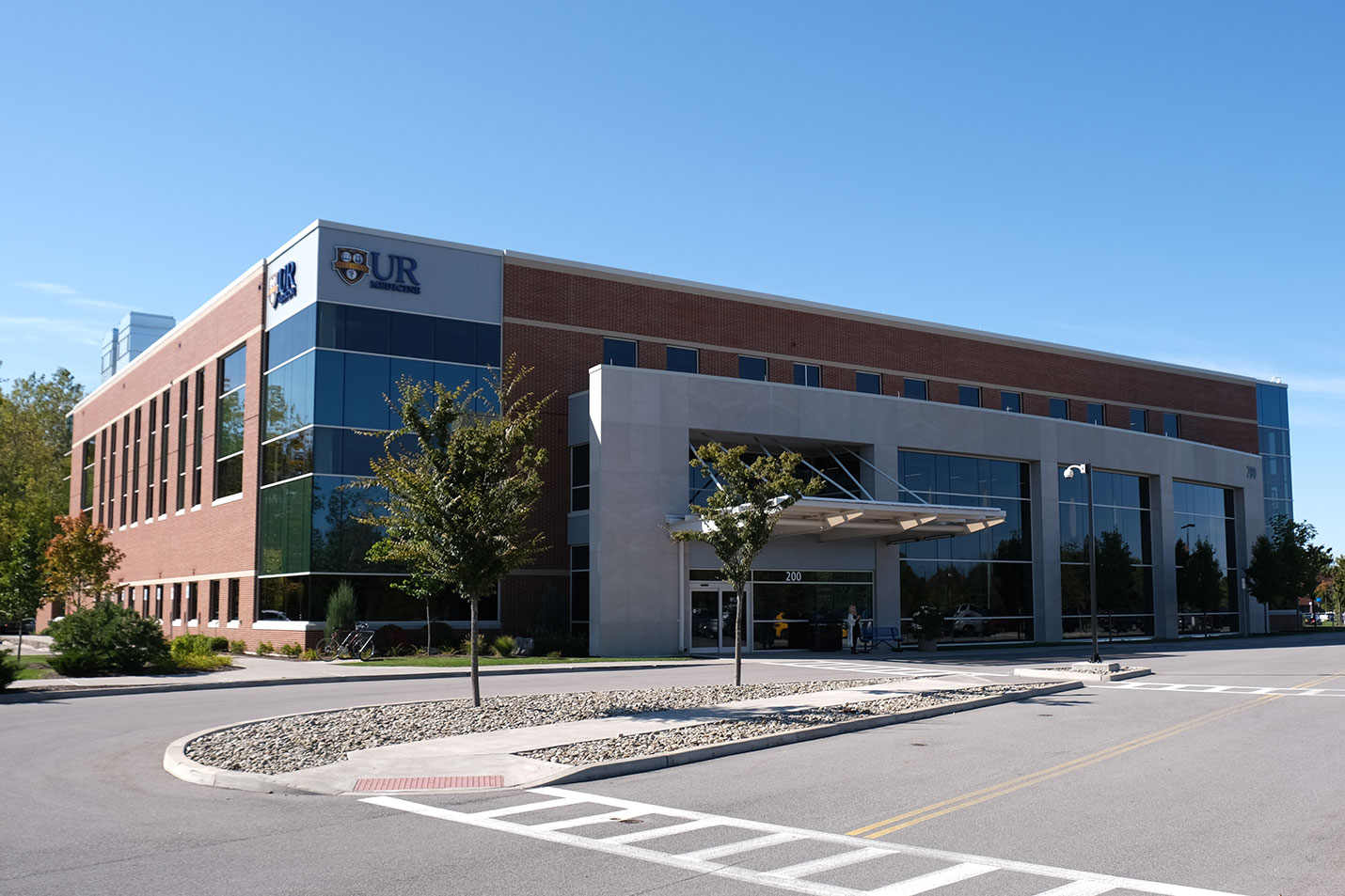
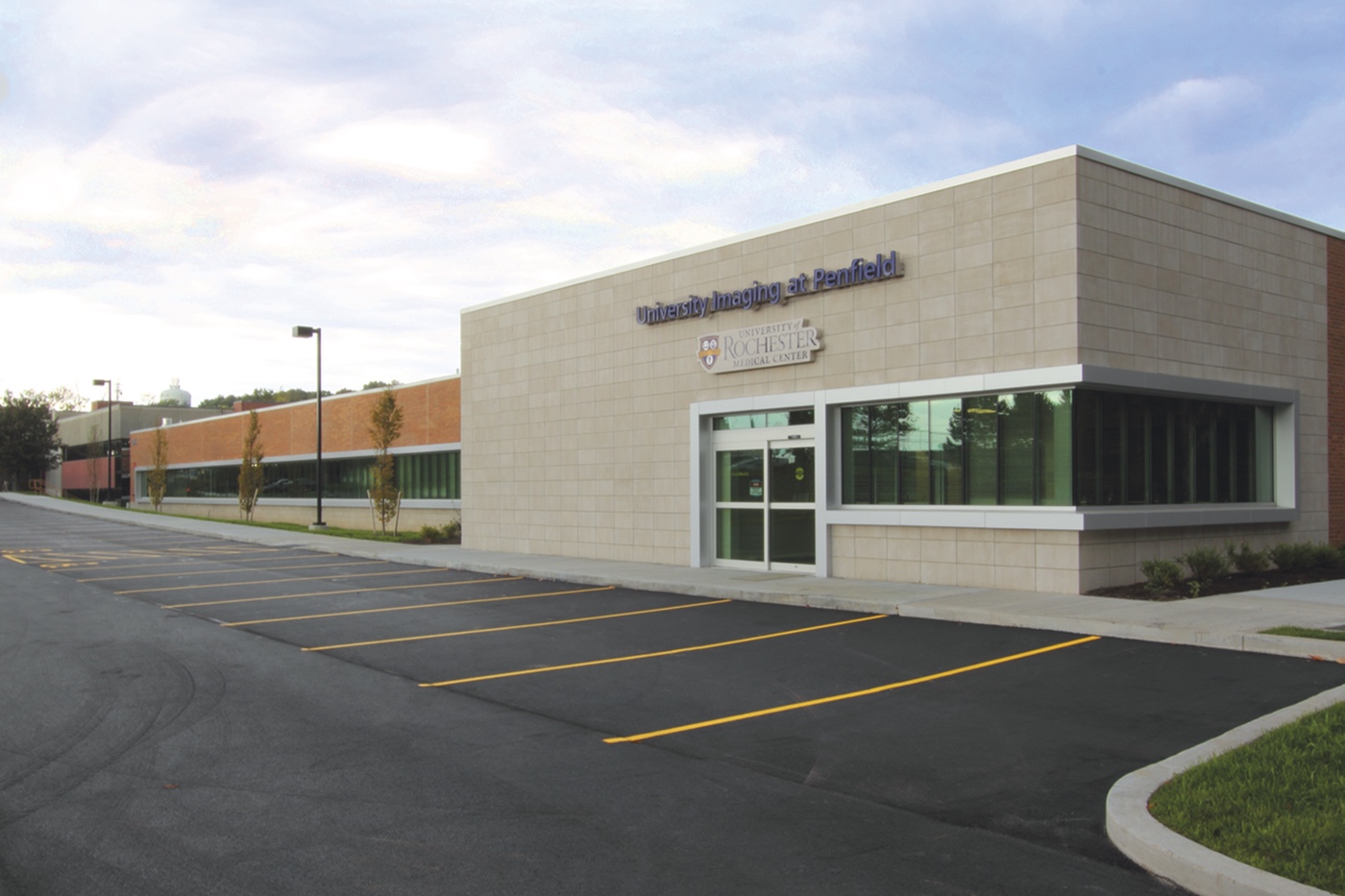
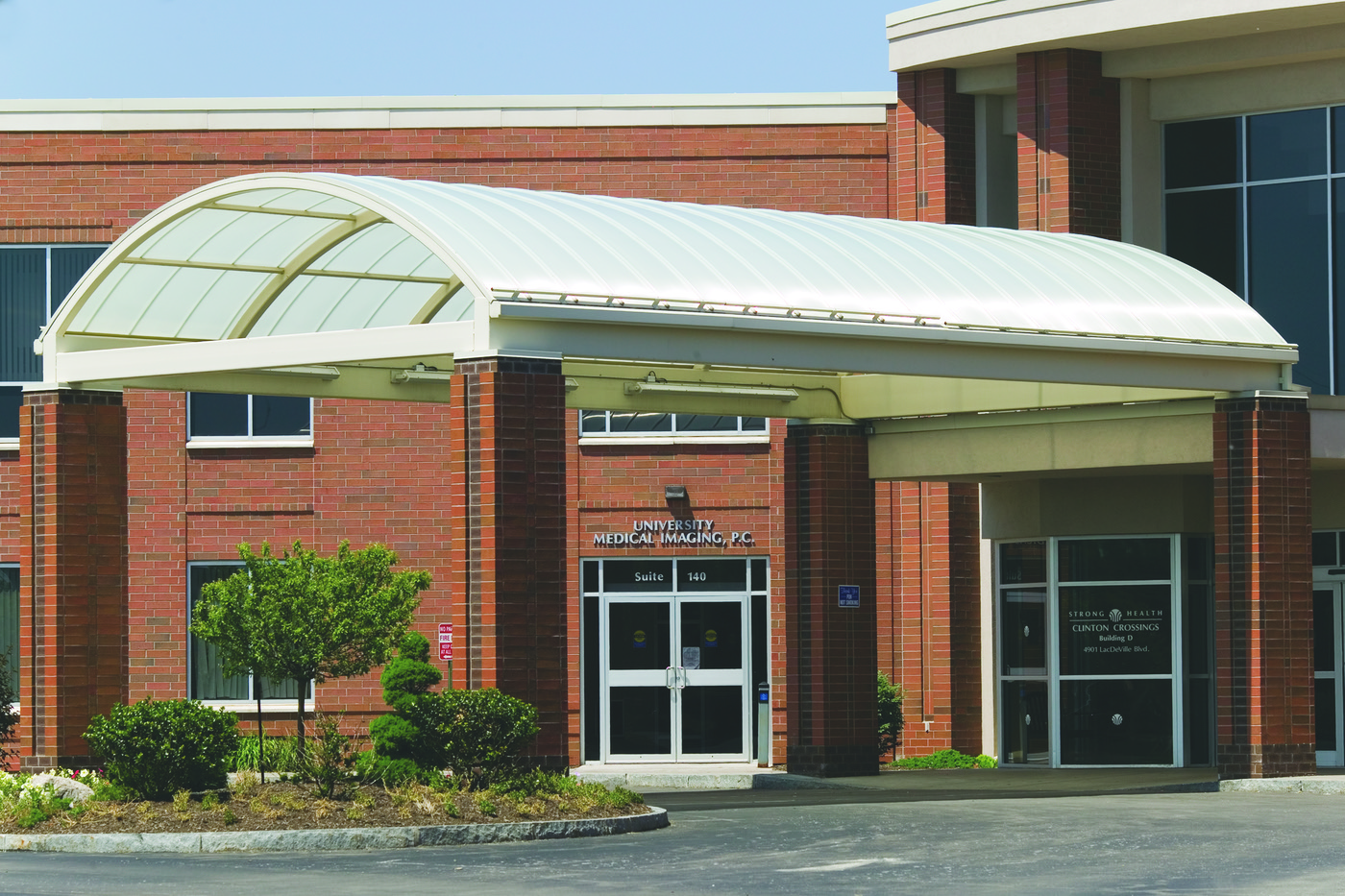
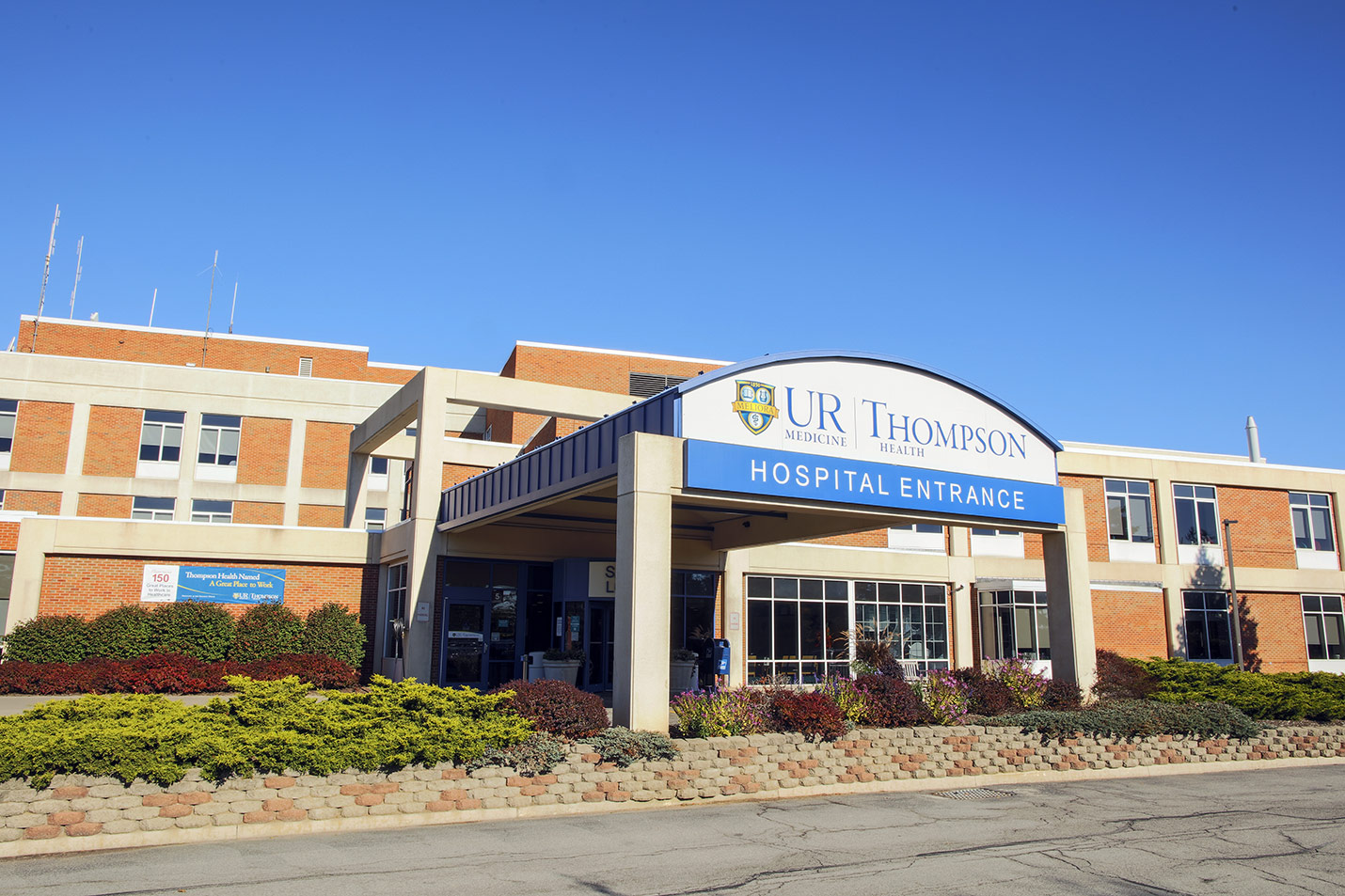
View All LocationsWe serve you in the Rochester metropolitan area and surrounding region. Locations are ordered by distance, with those closest to listed first.
12 locations