Mechanistic Study of UNC5B in pancreatic ductal adenocarcinoma (PDAC)
Mechanistic Study of UNC5B in pancreatic ductal adenocarcinoma (PDAC)
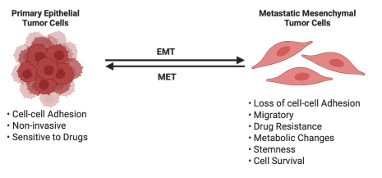
Pancreatic Ductal Adenocarcinoma (PDAC) is projected to be the second-leading cause of cancer-related death in the US by 2030 and is the most intractable human cancer due to two main factors: 1) it has a proclivity for metastasis. This is corroborated by the fact that more than 85% of patients are stage IV at diagnosis and even those with early-stage disease who undergo curative surgery eventually succumb to metastasis. 2) PDAC is resistant to current systemic chemotherapy. One of the key drivers of metastasis and drug resistance is epithelial-to-mesenchymal transition (EMT) where cancer cells undergo plasticity changes due to intrinsic and extrinsic cues. PDAC plasticity is caused by epigenetic changes that result in the expression of aberrant molecular programs that can be cancer cell intrinsic or cell extrinsic. One such program is axon guidance molecules (e.g., Netrin-1) that normally function in fetal nervous system development. Our group discovered Netrin-1 is upregulated in several states of PDAC metastasis. The receptor for Netrin-1 is Unc5b, which is a type of dependence receptor that signals both when ligan bound (EMT, migration) and when ligand unbound (apoptosis). In this ongoing project, we are investigating the mechanistic role of UNC5B in promoting tumor progression and metastasis in PDAC.