
Exercise During Menopause: Benefits, Best Workouts and How Often to Move
Key Takeaways
- Exercise can help manage menopause symptoms. Regular physical activity supports weight management, improves mood and sleep, and may ease joint stiffness and fatigue.
- Aim for 150 minutes of aerobic exercise weekly. Combine activities like walking or swimming with strength training at least twice a week to help preserve muscle and bone strength. The best exercise plan is one you can stick with.
- Nutrition and recovery matter, too. Getting enough protein, prioritizing sleep and choosing activities you enjoy can help you maintain strength and stay active during menopause.
Menopause is a natural transition in every woman's life. However, the physical and emotional changes that come with it can feel anything but natural.
From hot flashes to joint pain and unwanted weight gain—especially the notorious “menopause belly”—the effects can be challenging. The good news is that exercise is one of the most effective tools for managing these changes and improving your overall quality of life.
How Does Menopause Affect Your Body?
Hormonal shifts during menopause, especially the drop in estrogen levels, can lead to symptoms such as:
- Weight gain
- Bone density loss
- Mood swings
- Joint pain
- Fatigue
- Poor sleep quality
A consistent exercise plan during menopause can make a significant difference. Not only does it help ease symptoms, but it also reduces the risk of chronic conditions like heart disease and diabetes.
Benefits of Exercise for Menopausal Women
- Weight management: Exercise helps maintain lean muscle, support metabolism, and manage changes in body composition during menopause.
- Reduced joint pain: Regular movement improves joint flexibility, strengthens surrounding muscles, and enhances overall mobility.
- Stronger bones: Estrogen decline accelerates bone loss and can lead to osteoporosis. Weight-bearing and resistance exercises help preserve bone density, reduce bone loss, and lower fracture risk.
- Better heart health: Menopause increases cardiovascular risks. Aerobic exercise improves circulation and can lower blood pressure.
- Improved mood and reduced brain fog: Physical activity releases endorphins, reducing symptoms of stress, anxiety, and depression.
- Better sleep: Physical activity has been shown to help improve sleep quality.
Can Exercise Help With Menopause Belly?
Hormonal changes can affect where and how the body stores fat, often leading to more fat accumulation around the belly. While no exercise can target a specific area of fat, combining movement with healthy eating habits can manage weight and support long-term health.
Best Exercises During Menopause
- Aerobic Activities: Walking, jogging, swimming, biking
- Strength Training: Lifting weights, resistance bands, and bodyweight workouts
- Flexibility and Stability: Pilates, yoga, and tai chi
- High-Intensity Interval Training (HIIT): short bursts of vigorous activity followed by recovery periods can be effective, depending on fitness level and comfortability
Low-impact, everyday activities like gardening, climbing stairs, and even cleaning can help. The key is consistency and choosing activities you enjoy.
Even after menopause, symptoms such as joint stiffness, mood swings, and fatigue can linger. Regular movement combats these by enhancing energy, improving circulation, and supporting mental clarity. The benefits are both immediate and long-term.
Be gentle with yourself and to choose exercises that will support you at this moment.
How Often Should You Exercise?
New to Exercise?
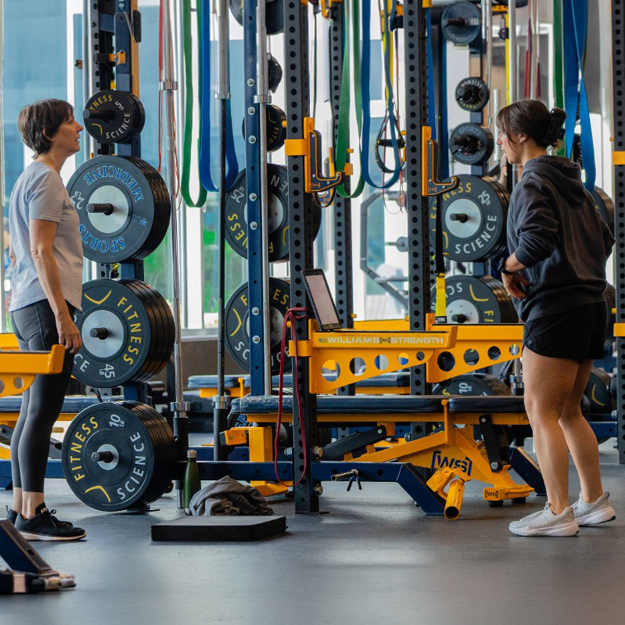
Our Fitness Science team offers an Adult Fitness Program class designed for those looking to begin their fitness journey with a solid foundation of strength and functional fitness.
Support Your Workouts with Nutrition
- Healthy older adults should aim for 1.0-1.2 grams of protein per kilogram of body weight per day (about o.5 grams per pound)
- Women who are physically active or who strength-train during menopause may benefit from 1.2-1.6 grams per kilogram of body weight per day (about o.55 to 0.73 grams per pound)
Prioritize Self-Care and Recovery
Don't forget that recovery is just as important as the workout itself. Staying hydrated, getting quality sleep, and nourishing your body with whole foods and lean protein are essential. Recovery supports hormone balance and long-term success.
Menopause coaching expert Ging Hoang, BS, RN, says, “Remember, you know your body better than anyone else. Menopause is a time when women navigate through many physical, mental, and emotional changes.”
Instead of reaching for that intense workout you might think you need to do or should do, she says to pay attention to how you’re feeling and let that guide you.
Whether you're experiencing perimenopause, menopause, or postmenopause, you don't need a perfect workout routine to benefit from movement. Start where you are, focus on consistency, and choose activities that help you feel stronger and healthier.
For Eligible Employees
Looking for more support? Explore our condition management coaching program for menopause. To verify your eligibility and to enroll, email URwell. We're here to support you every step of the way.
For the Community
We understand that the symptoms of menopause may be disruptive. Our providers are actively engage in everything that supports your reproductive health, including the latest research and treatments.
Connect with us!