Qualifying for Weight Loss Surgery
Learn how eligibility is determined, why readiness matters, and what to expect once you're approved for surgery.
Determining if you're eligible for weight loss surgery is the first step, and our team is here to guide you. Here’s what to know as you start exploring your options.
How Do You Qualify for Weight Loss Surgery?
University of Rochester Medicine follows national clinical guidelines to assess eligibility for bariatric surgery. Our team considers your overall health, experience with weight management, and your readiness to make lasting changes.
Most people qualify for bariatric surgery if they meet one of the following criteria:
- BMI of 40 or higher, or
- BMI between 30–39.9 plus a related health condition, such as:
- Type 2 diabetes
- High blood pressure
- Obstructive sleep apnea
Note: Patients with a BMI of 30-34.9 may qualify for weight loss surgery depending on their insurance. Please contact your insurance provider to find out if you qualify.
Other qualifications include:
- At least 18 years of age
- The ability to follow post-surgical instructions on nutrition, physical activity, and medications
- No illegal substance use in the past year
What is BMI and Why Does it Matter?
Your Body Mass Index (BMI) is a number calculated from your height and weight. It helps determine whether you’re a candidate for weight loss surgery and is often used by insurance providers when approving coverage.
You can quickly estimate your BMI using an online calculator or during your first consultation with our team.
Kathleen finds the healthier version of herself
"I feel incredible, like anything is possible. I've always enjoyed being active, but was never able to be as active as I'd like. Now I'm going on longer walks, planning hiking and biking trips, traveling without being self-conscious about airplane seats or distances I'd need to walk, and most importantly - chasing after my nieces without needing to just sit and watch."
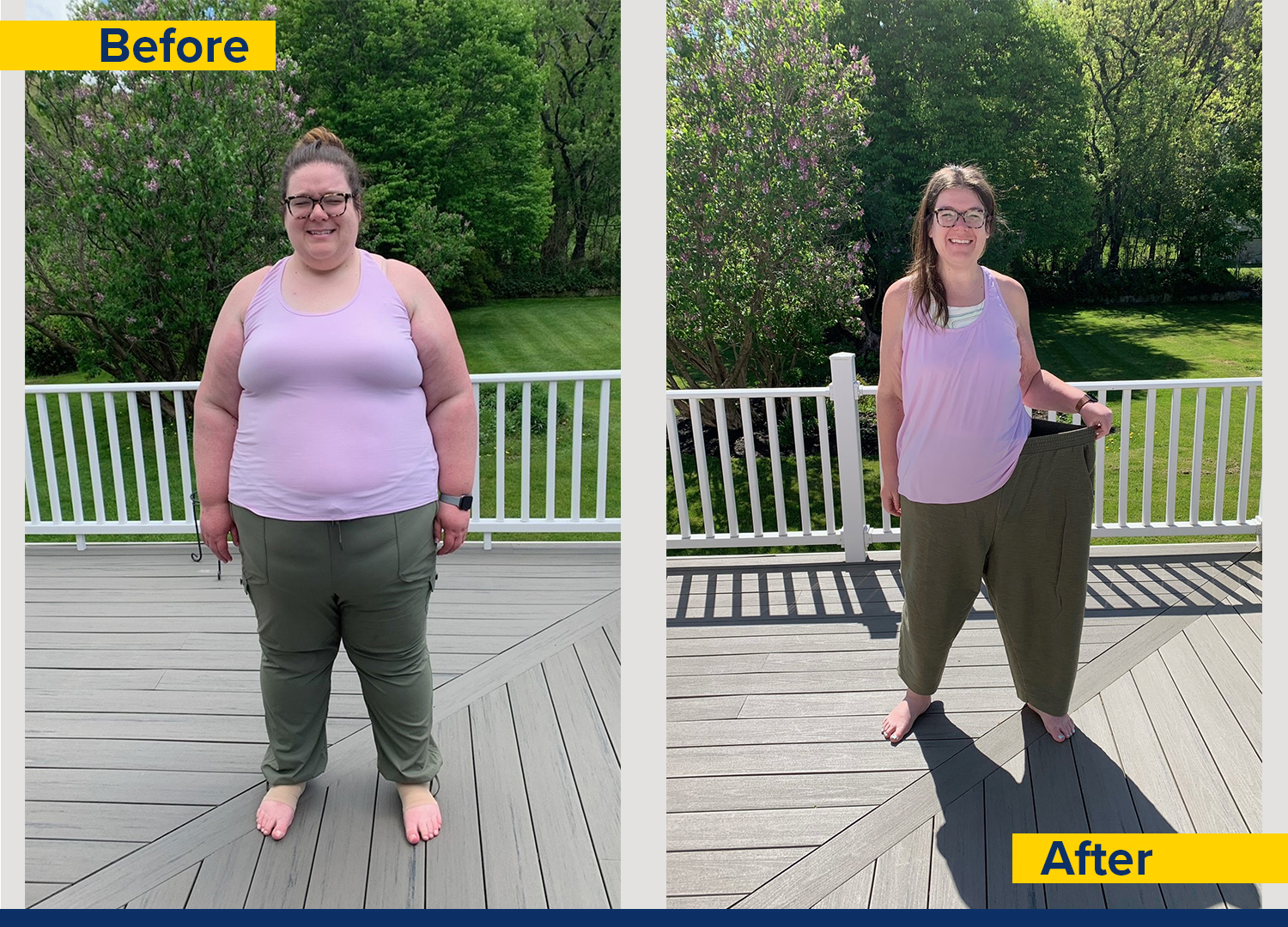 Kathleen after weight loss surgery.
Why Emotional Readiness Matters
Surgery is just one part of a lifelong journey. Our team works with you to make sure you're emotionally and mentally prepared for the changes ahead.
During your evaluation, we’ll talk about:
- Your relationship with food and previous weight loss efforts
- How you manage stress, change, and daily routines
- Any history of depression, anxiety, or substance use
- Your support network—family, friends, or others who can help you through recovery
These conversations are not meant to disqualify you. They help us understand how to best support your goals. If more preparation is needed, we’ll guide you through it.
What to Expect Once You're Approved
Once approved, you’ll begin a structured preparation program with our team. This includes:
- A nutritional seminar followed by a series of individual appointments with a dietitian
- Pre-surgical testing to ensure you’ve met all medical requirements for a safe and successful surgery
- Consultation with your surgeon to collaborate on the right procedure for you
Keep in mind, it takes an average of 4-6 months to meet all the requirements for surgery.
A Guide to Recovery and Success
Bariatric surgery is life-changing for people looking to achieve significant weight loss and reduce health problems linked to obesity, but recovering from bariatric surgery can be a confusing process.


Take the Next Step
Bariatric surgery is a powerful tool, but the first step is learning whether it’s the right fit for you. Our free online seminar will walk you through the process and introduce you to our expert team.