Understanding Bariatric Surgery
Learn what to expect before, during and after weight loss surgery, and find answers to the most common questions.
All URochester Medicine weight loss surgery journeys begin with our free online seminar. Once you’ve completed it, here’s what to expect:
Getting Started
Step 1: Medical Evaluation & Eligibility
Your journey begins with a comprehensive health assessment. We’ll ask your primary care provider to complete a medical form, and at your first appointment, we’ll:
- Review your medical history
- Perform a physical exam
- Discuss any additional testing or evaluations you may need before surgery
Step 2: Nutrition Counseling
Healthy weight loss begins long before the operating room. You’ll attend a nutrition seminar and meet individually with a registered dietitian over several months. This track typically takes 2 to 6 months and includes:
- Learning to make lifelong, healthy food choices
- Building sustainable meal plans
- Preparing for the lifestyle changes necessary for long-term success
Preparing for Weight Loss Surgery
Step 1: Surgical Consultation
Your final pre-surgical appointment is a detailed conversation with your surgeon. Together, you’ll:
- Decide on the procedure that’s right for you
- Review everything you’ve learned and accomplished
- Make sure you feel confident and ready
Before you leave this appointment, we’ll schedule your surgery date.
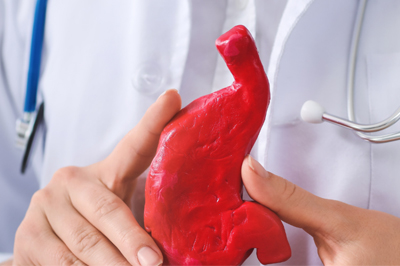
Gastric Bypass vs. Sleeve
Learn the differences and benefits of the weight-loss surgery options.
Step 2: Pre-Surgical Screening
All patients undergo a final screening to confirm you're physically ready for surgery. This appointment includes:
- Lab work
- Health screening
- EKG, if needed
- Pre-surgical education
- MyChart activation for easy access to your care team
Step 3: Pre-Surgical Nutrition and Lifestyle Preparation
In the weeks leading up to surgery, you’ll begin building habits that will support your recovery and long-term success. These daily changes help prepare your body—and your mindset—for the transition ahead.
Eating Habits to Practice Now
- Eat slowly, taking at least 30 minutes per meal
- Chew food to an applesauce consistency before swallowing
- Avoid gum and hard candy, which can block your stomach pouch if swallowed
- Drink fluids slowly
- Stop drinking 30 minutes before meals, and wait 30 minutes after eating to drink again
- Stay hydrated with at least 64 oz. of water daily (plain or mostly plain)
- Choose beverages that are non-carbonated, unsweetened, and have no added sugar
- Avoid alcohol, which adds calories and contributes to dehydration
Meal Timing for Success
- Eat three meals a day
- Have your first meal within 1–2 hours of waking
- Avoid going more than 3–4 hours without eating while awake
- If needed, add snacks to stay on schedule
- Stop eating at least 2 hours before bedtime
Start Taking Vitamins Now
Before surgery, begin taking:
- A daily multivitamin/mineral supplement
- Calcium citrate (1,200–1,500 mg daily) with Vitamin D (800 IU)
Supplementation is an important part of your post-surgery journey as well. You can order yours at a discounted price through our pharmacy and have them shipped to your home.
Help Us Help You
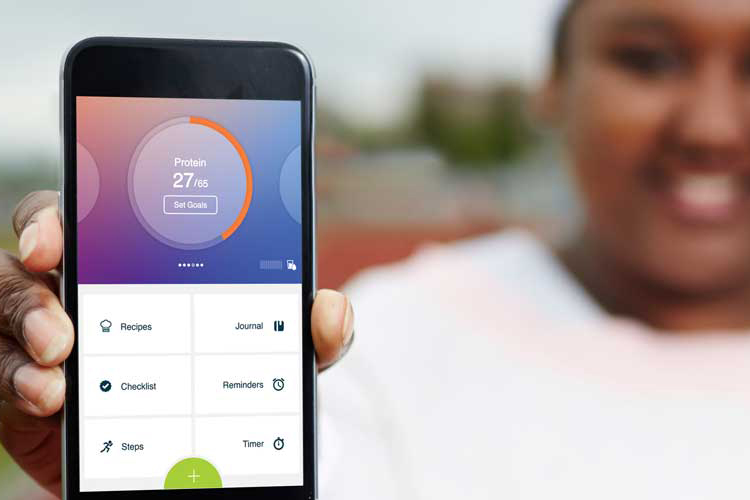
Using the Baritastic App, before and after your surgery, you can connect to Highland's Bariatric Program to track your nutrition, exercise, and weight loss information.
Download the Baritastic App Today!
Enter Code 410366


Surgery and Recovery
All surgeries are performed at Highland Hospital in one of our state-of-the-art operating rooms. Complex cardiovascular cases are performed at Strong Memorial Hospital.
What to expect:
- Surgery and recovery room time: about 4 hours total
- Hospital stay: typically 1 night in a dedicated bariatric recovery unit
- Post-op care: includes pain management, hydration, and guidance on your post-surgical liquid diet
Post-Surgery Follow-Up Care
Ongoing care is essential to your success. In your first year, you’ll have five follow-up visits:
- Visit 1: 7-10 days after surgery—transition to the pureed meal plan
- Visit 2: 5 weeks after surgery—transition to the soft meal plan
- Visit 3: 9 weeks after surgery—transition to the bariatric lifestyle meal plan
- Visit 4: 6 months after surgery
- Visit 5: 1 year after surgery
Our aftercare includes:
- Nutrition counseling
- Routine lab testing
- Prescription renewals
- Early support if complications or challenges arise
Support After Surgery and Beyond
Build confidence and consistency with expert guidance and a community that understands your goals.

Frequently Asked Questions
Many plans cover bariatric surgery, but coverage varies. You may be responsible for co-pays or deductibles. After your surgical consultation, we’ll submit documentation to your insurance provider for review.
Most patients are ready for surgery in about 4–6 months. If more than a year passes after your seminar, some steps may need to be repeated.
Yes. We communicate with your referring provider and encourage you to continue regular check-ups throughout your weight loss journey.
Most patients return to work within two weeks, depending on your recovery and job requirements.
For many people, bariatric (weight loss) surgery offers a more effective and lasting solution than medication alone. While weight loss medications can help with short-term results, they typically only work while you continue taking them. Once the medication is stopped, most people regain the weight they lost.
Weight loss achieved through medication is usually more modest compared to surgical options such as gastric bypass or sleeve gastrectomy. For individuals with a body mass index (BMI) over 45, medication alone may not lead to enough weight loss to reach a healthy range or to fully manage related health conditions such as type 2 diabetes, sleep apnea, or high blood pressure.
The video below, “Why Choose Weight Loss Surgery Over Medication?” from Highland Hospital, part of UR Medicine, explains these differences and can help you decide which approach is right for you.
Learn more about:
Bariatric surgery does more than support long-term weight loss—it can also improve or even resolve many obesity-related health conditions.
In the video below “How Will Bariatric Surgery Treat My Other Conditions?” from Highland Hospital, part of UR Medicine, experts explain that one of the main reasons people choose surgery is to improve their overall health and quality of life.
Successful bariatric surgery has been shown to achieve a high rate of remission for several common conditions associated with obesity, including:
High blood pressure (hypertension)
By addressing the root cause—obesity—bariatric surgery can help many patients reduce or eliminate medications, restore energy, and lower their risk for serious complications.
If you’re considering bariatric surgery, it’s natural to wonder how much weight you can expect to lose. While expected weight loss after bariatric surgery varies from person to person, most patients achieve significant, long-term results that can lead to better health and improved quality of life.
In the video below “How Much Weight Will I Lose?” from Highland Hospital, part of UR Medicine, our specialists explain what you can generally expect based on the type of surgery:
Sleeve Gastrectomy
Most patients lose about 20% to 30% of their total body weight.
This equals about 50% to 60% of their excess body weight.
Gastric Bypass
Patients typically lose a little more weight than with a sleeve procedure.
On average, this means about 30% of total body weight or 60% to 75% of excess body weight.
Because weight loss is individualized, your exact results will depend on your health, commitment to lifestyle changes, and ongoing follow-up with your care team.
The UR Medicine Bariatric Surgery team provides personalized guidance, nutrition counseling, and long-term support to help you achieve lasting success.
If you’re considering weight loss surgery, it’s important to understand the different types of bariatric surgery and how each works. At UR Medicine’s Highland Hospital, our experienced bariatric surgeons offer two proven procedures—gastric bypass and gastric sleeve—both designed to help you achieve lasting weight loss and better overall health.
In the video below “What Are the Options for Bariatric Surgery?” from Highland Hospital, part of UR Medicine, our experts explain the key differences between these two surgical options:
Gastric Bypass (Roux-en-Y Gastric Bypass)
The surgeon creates a small stomach pouch and connects it directly to the small intestine. This limits how much food you can eat and how your body absorbs calories and nutrients, leading to effective, long-term weight loss.
Gastric Sleeve (Sleeve Gastrectomy)
The surgeon removes about two-thirds of the stomach, leaving a narrow, tube-shaped “sleeve.” This smaller stomach helps you feel full sooner and supports steady, healthy weight loss over time.
Both surgeries can result in significant and sustainable weight loss and may help resolve or improve obesity-related conditions such as type 2 diabetes, high blood pressure, and sleep apnea.
Your care team at Highland Hospital will work with you to determine which procedure is the best fit for your health, lifestyle, and long-term goals.

Take the Next Step
Bariatric surgery is a powerful tool, but the first step is learning whether it’s the right fit for you. Our free online seminar will walk you through the process and introduce you to our expert team.