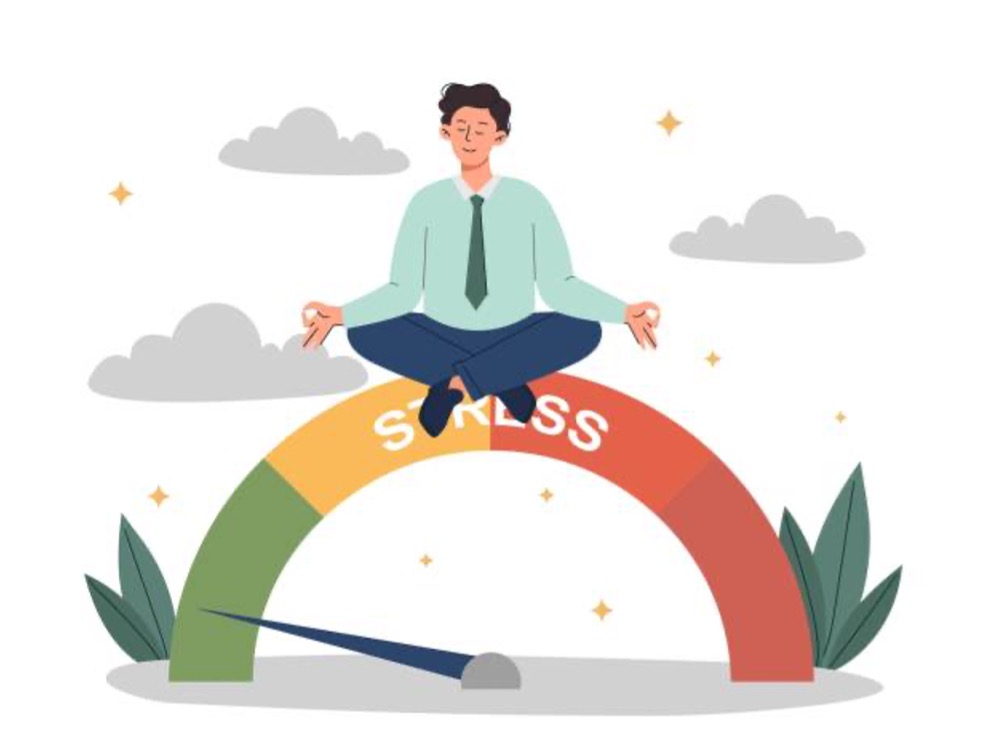

The Power of “And”
By Jeremy MacLaren Kelly, MAPP, PhD
Sometimes people feel stuck when they think about making a change. The steps they need to take can feel too hard or even impossible. The words we use in our thoughts, and when talking to others, can influence how we think, act, and feel. That is why it’s helpful to notice which words we use when we think and talk about change. In this article, we will focus on one common word choice: using “but” versus “and.”
The Use of "But"
Consider the following statements:
- Statement 1: “I need to quit smoking, but it’s been a part of my identity and life for so long.”
- Statement 2: “I want to be healthier, but I don’t know where to start.”
- Statement 3: “I want friends, but I feel so anxious when talking to people.”
- Statement 4: “That new job sounds like an opportunity for advancement, but parts of it sound difficult.”
- Statement 5: “I love my husband, but I’m so angry at him right now.”
- Statement 6: “You’re doing a good job, but you need to make this modification before I can approve this project.”
Each statement has two ideas joined together by the word “but.” Using the word “but” sets up contrast or opposition between the two ideas, making it seem like there is no way forward until the two opposing points are reconciled, or one of their ideas is no longer true. At a perceived roadblock like this, it is difficult to maintain motivation for change. The speaker stops problem-solving. They view the second part of their statement as a reason to avoid taking action (ex., Statements 1, 2, 3).
“But” can also cause confusion in conversations, like one between a supervisor and employee in Statement 6 above. The supervisor’s use of “but” can unintentionally express dissatisfaction of the employee’s work quality.
The rigid, “all or nothing” perspective from the use of ‘but’ is a main focus of change in Dialectical Behavioral Therapy (DBT; Linehan, 2014). In DBT, psychotherapists and clients seek to adopt a “dialectical stance” where people learn to hold two different truths at the same time. Instead of choosing one side, they learn to allow for both, blending things like problem-solving and validation, reason and emotion, and acceptance and change (Koerner, 2011).
The Power of “And”
Watch how the meaning shifts when ‘but’ becomes ‘and.’
- Statement 1: “I need to quit smoking, and it’s been a part of my identity and life for so long.”
- Statement 2: “I want to be healthier, and I don’t know where to start.”
- Statement 3: “I want friends, and I feel so anxious when talking to people.”
- Statement 4: “That new job sounds like an opportunity for advancement, and parts of it sound difficult.”
- Statement 5: “I love my husband, and I’m so angry at him right now.”
- Statement 6: “You’re doing a good job, and you need to make this modification before I can approve this project.”
Using “and” connects the two ideas without implying conflict. It allows both parts to be true at the same time. By using “and”, the speaker acknowledges feeling unsure and wanting to move forward (ex., Statements 1, 2, 3). The speaker continues to consider a job change even when the new job opportunity seems challenging (ex., Statement 4). The speaker can love their husband deeply and at times be angry with them (ex., Statement 5).
The next time you are feeling “stuck,” at an impasse, with two realities that seem insurmountable, Behavioral Health Partners may be able to help. Behavioral Health Partners is brought to you by Well-U, offering eligible individuals mental health services for stress, anxiety, depression, and ADHD. To schedule an intake appointment, give us a call at (585) 276-6900.
References:
Koerner, K. (2011). Doing dialectical behavior therapy: A practical guide. Guilford Press.
Linehan, M. M. (2014). DBT Skills Training Manual. United States: Guilford Publications.
Global Administrator | 7/31/2025