

Cancer affects millions of people, but it does not affect everyone equally. Lesbian, gay, bisexual, transgender, queer, and other sexual and gender minority (LGBTQ+) people face distinct challenges that can make their cancer journey more difficult. The Q Cancer Research Center aims to change that. As a nationwide center-without-walls, the Q Cancer Research Center brings together scientists, clinicians, and community advocates from across the country to improve cancer care and reduce cancer health inequities for LGBTQ+ people.
Meet the Team

Charles Kamen, PhD, MPH (PI & Center Director) he/him; University of Rochester

Scout, PhD (Community Lead) they/he; The Cancer Network

Cait Fallone Sharma, MA (Manager), she/her; University of Rochester Medical

Lelaina Nagle, she/her; University of Rochester Medicine

Milena Insalaco, she/they; University of Rochester Medicine
Cores
The Q Cancer Research Center brings together community members, scientists, and clinicians from across the US with different backgrounds and experiences, united in the goal of advancing LGBTQ+ cancer health research. Q supports a number of functional Cores.
Community Academic Partnerships
Scout, PhD, Lead
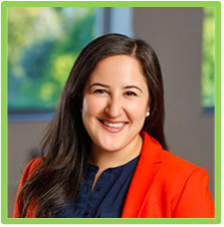
Lauren Ghazal, PhD, Assistant Lead
Centralized Mixed-Methods Evaluation

Miria Kano, PhD, Lead
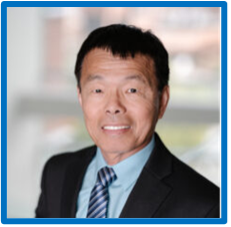
Chin-Shang Li, PhD, Lead
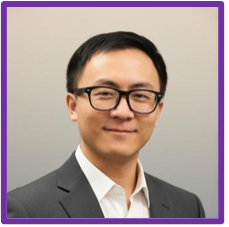
Junqiang Zhao, PhD, Assistant Lead
Training Cancer Researchers
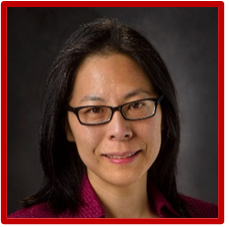
Shine Chang, PhD, Lead
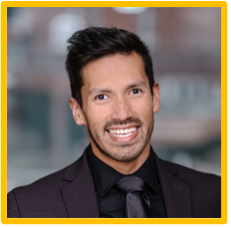
Viktor Clark, PhD, Assistant Lead
Miria Kano, PhD

Irene Tami-Maury, PhD
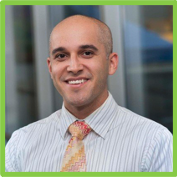
Nelson Sanchez, MD
Annual Meeting
Q-Cancer Research Center Yearly Meeting
Dates
September 3rd – September 4th, 2026
Location
Memorial Art Gallery, 500 University Ave, Rochester, NY 14607

Research Projects
Research Projects
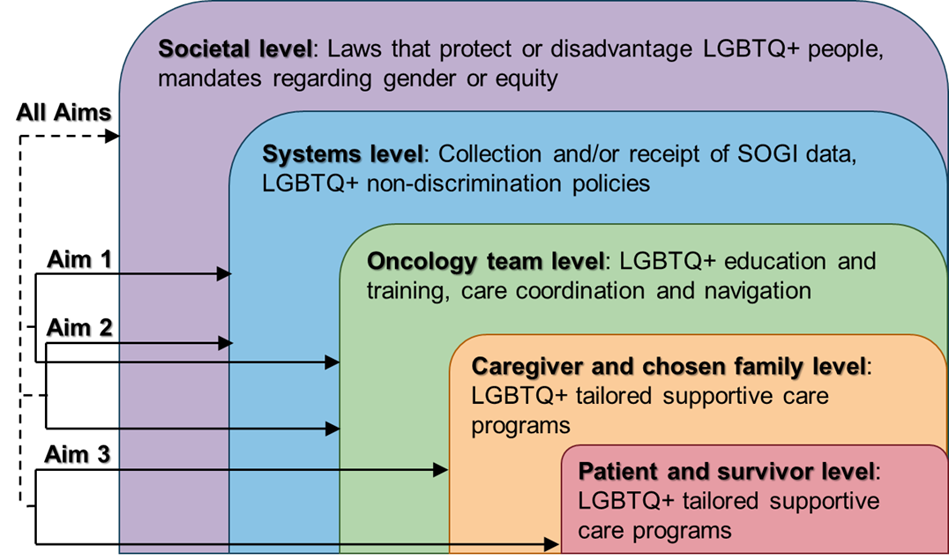
The Q Cancer Research Center’s Scientific Rationale: LGBTQ+ people often confront discrimination and stigma throughout their lives. As a result, they may experience higher rates of depression, anxiety, and other forms of psychological distress. LGBTQ+ cancer patients may continue to face prejudice or fear discrimination on top of the stress of undergoing a cancer diagnosis and treatment. Due to this stigma, patients may not feel comfortable sharing their sexual orientation and gender identity (SOGI) with their cancer care teams. Additionally, their care team members may not ask about SOGI, making it harder to address disparities and offer LGBTQ+ tailored care. LGBTQ+ cancer patients and their caregivers may therefore have significant unmet needs for support. Against the backdrop of these longstanding challenges, recent federal actions have defunded LGBTQ+ health research, limiting progress toward achieving cancer health equity.
Scientific Aims: The Q Cancer Research Center will work across levels of the cancer care system to improve health equity for LGBTQ+ cancer patients and their caregivers. The Q Cancer Research Center will have three Aims: 1) to help cancer care practices collect SOGI data in a respectful and safe way, 2) to train patient navigators to guide LGBTQ+ cancer patients and caregivers to tailored survivorship services, and 3) to create LGBTQ+ specific cancer support programs and services.
Center Projects
Project 1- Trauma-Informed Collection and Use of Sexual and Gender Identity Data in Oncology to Advance Health Equity for Sexual and Gender Minorities Affected by Cancer
Project 2- Optimizing Engagement with Cancer Survivorship Services and Care Transitions for LGBTQ+ Cancer Survivors
Project 3- Testing the Adapted FOCUS On Us Intervention to Promote Quality of Life in LGBTQ+ Cancer Survivors and Caregivers