Total Ankle Replacement
Make Appointments & Get Care
Total Ankle Replacement
When ankle arthritis makes every step painful, even simple activities like walking the dog, exercising, or climbing stairs can become difficult. During total ankle replacement surgery (also called ankle replacement surgery), your surgeon removes damaged bone and cartilage from the ankle joint and replaces them with durable metal and medical-grade plastic components.
Unlike ankle fusion, which permanently joins the ankle bones together, total ankle replacement relieves pain while preserving as much natural movement as possible. Preserving ankle motion may improve mobility and make everyday activities more comfortable.
Who Is a Candidate for Total Ankle Replacement?
If ankle pain is still making it hard to do the things you enjoy, even after trying other treatments, total ankle replacement may be an option.
Common causes of ankle arthritis include:
- Post-traumatic arthritis following an ankle injury or fracture
- Osteoarthritis (wear-and-tear arthritis)
- Rheumatoid arthritis
Before recommending surgery, your surgeon may first recommend:
- Anti-inflammatory medications
- Physical therapy
- Custom orthotics or supportive footwear
- Bracing
Our Approach
University of Rochester Medicine offers world-class medical and surgical support for patients experiencing joint pain and considering a joint replacement. Our fellowship-trained foot and ankle surgeons will help you determine whether total ankle replacement is the right next step for you.
Total Ankle Replacement vs. Ankle Fusion
Both ankle replacement and ankle fusion are effective treatments for severe ankle arthritis. The best option depends on your age, activity level, overall health, and the condition of your ankle joint.
| Total Ankle Replacement | Ankle Fusion |
| Relieves pain while preserving more natural ankle motion | Relieves pain by permanently joining the ankle bones |
| Maintain more flexibility for walking | Eliminates motion at the ankle joint |
| May improve walking mechanics for appropriate candidates | Often recommended for patients with advanced or significant deformity |
What to Expect During Surgery
Most ankle replacement procedures last two to three hours.
Before surgery, you'll receive anesthesia or a nerve block to keep you comfortable. During the procedure, your surgeon removes the damaged portions of the ankle joint and positions the artificial implant. Once the implant is securely in place, the incision is closed and your ankle is protected with a splint or cast while it begins to heal.
Recovery After Total Ankle Replacement
Recovery looks different for every patient, but most people can expect gradual improvements over several months.
First Few Weeks
Prepare to wear a splint or cast while your ankle begins to heal. Your surgeon will let you know when it's safe to begin putting weight on your foot.
Around Three to Six Weeks
Patients typically begin putting weight on their foot around three weeks after surgery and gradually progress to full weight bearing by about six weeks, depending on how they're healing.
Three to Four Months
Many patients can return to low-impact recreational activities, such as golf. Physical therapy may be recommended to improve strength, balance, and mobility.
Six Months and Beyond
Most people continue recovering for up to six months, with gradual improvements in strength, mobility, and function continuing for up to two years after surgery. Your surgeon will monitor your progress and recommend activity restrictions based on your individual recovery.
What Sets Us Apart?
Specialized Orthopaedic Care
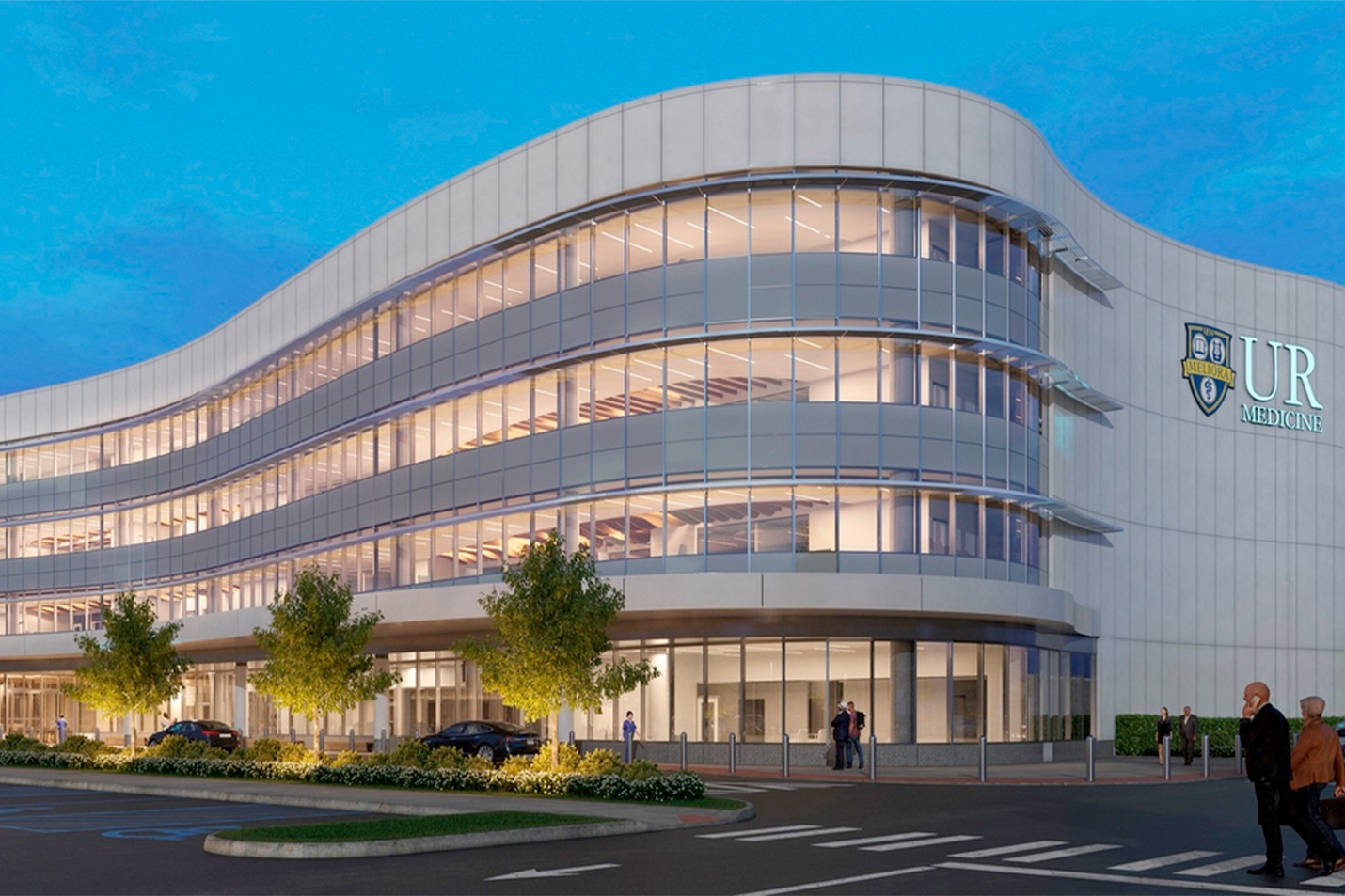
The Saunders Center for Orthopaedics & Physical Performance brings orthopaedic surgery, rehabilitation, research, and education together under one roof, making it easier to coordinate your care before, during, and after surgery.
Fellowship-Trained Foot and Ankle Surgeons
Every orthopaedic surgeon is board certified and fellowship trained, with advanced expertise in treating foot and ankle conditions—including complex ankle arthritis and revision procedures.
Coordinated Support Throughout Recovery
From your pre-operative visit through rehabilitation, your care team works together to support every stage of your recovery. Our patients benefit from:
- Advanced Surgical Care in a Comfortable Setting
Our patients have access to the newest treatments and most advanced orthopaedic operating rooms. both URochester Medicine Highland Hospital and F.F. Thompson Hospital are easy to navigate and provide the compassionate care you expect at a community hospital. - Personalized Anesthesia and Pain Management
Anesthesiologists who specialize in joint replacement tailor pain management plans to your individual needs, helping support a smoother recovery. - A Team-Based Recovery Experience
Surgeons, nurses, anesthesiologists, physical therapists, and other specialists work together to coordinate your care from surgery through rehabilitation.
Providers
Locations
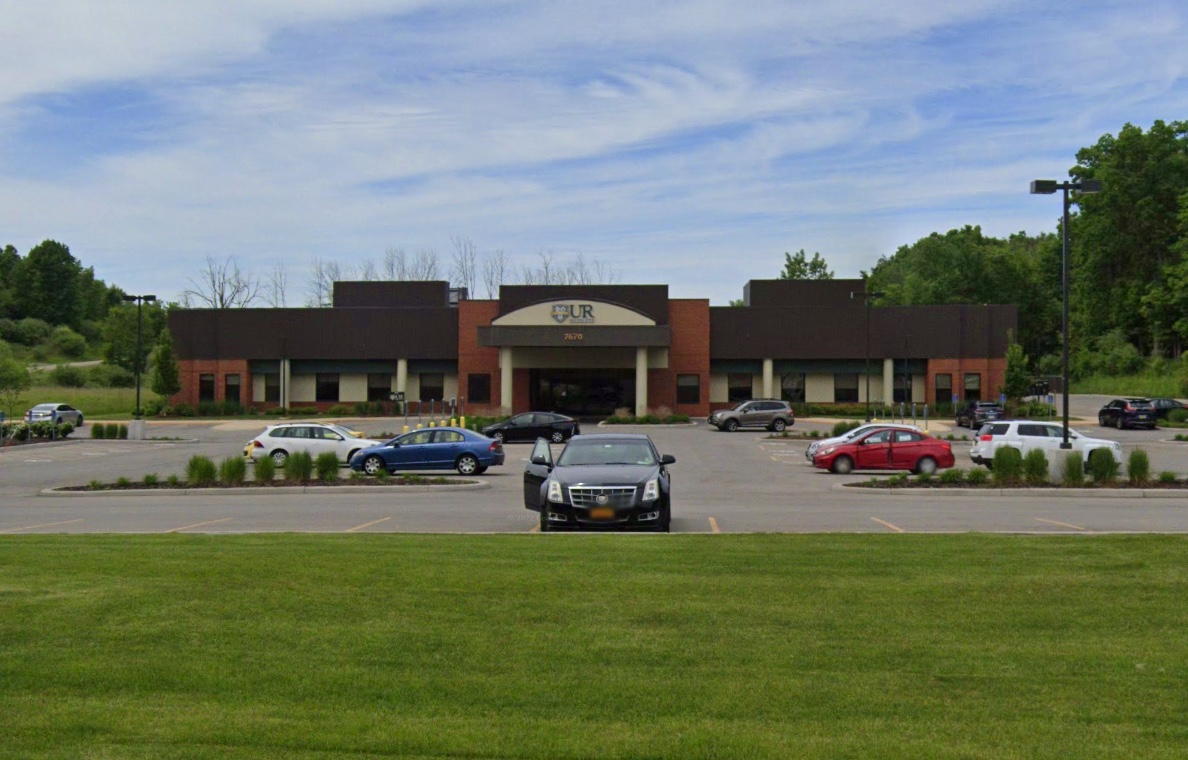
View All LocationsWe serve you in the Rochester metropolitan area and surrounding region. Locations are ordered by distance, with those closest to listed first.
4 locations

Frequently Asked Questions
Modern ankle implants are designed to last for many years, although their lifespan varies depending on your age, activity level, overall health, and the type of implant used. Your surgeon can discuss what to expect based on your individual situation.
Neither procedure is universally better. Total ankle replacement preserves more natural ankle motion, while ankle fusion may be the better choice for certain patients with advanced arthritis, severe deformity, or other medical considerations. Your surgeon will help determine which option is right for you.
Most patients begin putting some weight on their foot within several weeks, progress to full weight bearing around six weeks, and continue improving over the next six months. Full recovery may continue for up to two years.
Many patients benefit from physical therapy to restore strength, flexibility, balance, and walking mechanics. Your surgeon will determine whether physical therapy is recommended as part of your recovery plan.
The goal of ankle replacement is to relieve pain and restore function. Many patients experience improved walking ability and mobility after recovery, although results vary based on the severity of arthritis, overall health, and commitment to rehabilitation.
If ankle pain from arthritis continues to interfere with walking, work, exercise, or daily activities despite medications, bracing, physical therapy, or other non-surgical treatments, it may be time to discuss ankle replacement with a foot and ankle specialist.