
Research Pathway
Research Pathway
COMING FOR THE 2028 MATCH: University of Rochester Psychiatry is launching a dedicated Research Track slot from the current number of residency positions with its own NRMP code, beginning July 2028. Full application details, mentor profiles, and outcomes will be posted on August 1st 2027. In the meantime, the Research Pathway described below remains open to current and incoming residents.
Program Overview
Training physician-scientists in psychiatry
The University of Rochester Department of Psychiatry is committed to developing the next generation of physician-scientists, residents who go on to lead independent, extramurally funded research programs while remaining dedicated clinicians. Our Research Pathway can give residents with scholarly and research ambitions protected time, mentorship, and structure to build a competitive research career during their residency and beyond. The Research Pathway provides applicants and residents the ability to choose the level of commitment that best aligns with their career goals.
Research Pathway
For residents with strong scholarly interests and in good standing with the program who want structured mentorship and dedicated project time without committing to an independent-investigator career path.
Selected internally, can begin in PGY-1 or 2.
Mission
We advance mental health through compassionate care, innovative research, and education, empowering residents to become psychiatry's next scholars and innovators through cross-disciplinary collaboration and an unwavering commitment to diversity, equity, and inclusion.
What Sets Us Apart
Why train here
- A structured, staged curriculum
- Named mentorship and accountability
- Real venues for your work
- Active, funded research labs
- Conference travel reimbursement
- Fellowship integration
Example Structure & Timeline
This schedule reflects an example of what the Research Pathway could look like for you; however, each person’s schedule would be tailored to the individual. The effort dedicated each year would be personalized to the resident based on the research project and educational plan, and this decision will be made in conjunction with the Research Pathway Director, Dr. Paulo Lizano.
This is an example of protected research time by year for applicants who express interest in the research pathway before starting residency. For those expressing interest later in residency, the PGY-1 and/or PGY-2 options may not apply.
| Year | Protected Research Time | Focus |
|---|---|---|
| PGY - 1 | 1 month | Orientation to research skills; identify and begin working with a research mentor; attend a research-focused conference or workshop (department-supported); begin Journal Club. |
| PGY - 2 | 2 months | Coursework as needed to build project-specific skills (e.g., biostatistics/data analysis through Public Health Sciences); begin IRB protocol development; continue mentor-guided project work. |
| PGY - 3 | ~25% time | Data collection/analysis; first conference presentations; grant-writing coursework (Research Skills Seminar I); continued mentor meetings. |
| PGY - 4 | ~50% time | Manuscript preparation and submission; grant application (K-level, pilot, or career development); Engel Rounds capstone presentation; transition planning for fellowship or faculty position. |
Scheduling for PGY-3/PGY-4 protected time may follow one of two structures depending on individual project needs and ABPN requirements: a longitudinal split of clinical and research time across both years, or a concentrated block model. Your research mentor and the associate program directors will help you choose the right fit.
Pathway Requirements & Milestones
These milestones apply to residents in the Research Pathway.
- Must be in good standing with the program
- Individualized Project Plan submitted at the start of training
- Identify mentor(s), project, and scholarly goals
- IRB protocol initiated by PGY-3
- Complete Structured Didactics: Research Skills Seminar I, Research Skills Seminar II, and a longitudinal research-methods course
- Attend Monthly Journal Club
- Quarterly check-ins with the Research Pathway associate directors
- Participate in Trainee Poster Day and Collier Day
- George Engel Rounds capstone presentation in PGY-4
- Presentation at National and International Conferences
- Submission of Travel grants, Pilot Grants, and a career development award (K) or R-level grant
Annual Research Progress Report
Each year, Research Pathway residents complete a short progress report that mirrors the milestones above. It's reviewed together with your mentor and the Research Pathway associate directors as part of your quarterly check-in, so goals stay realistic and any obstacles get caught early.
| What you report | Details |
|---|---|
| Mentor(s) | Current primary mentor and any co-mentors; note any changes since your last report |
| Projects(s) | Title and current phase (design, IRB, data collection, analysis, or writing) |
| Grants & Funding | Applications submitted, pending, or funded (travel awards, departmental funding, pilot grants, K- or R-level awards) |
| Presentations | Journal Club, Grand Rounds, Engel Rounds, and conference presentations completed or planned |
| Publications | Manuscripts submitted, under review, or published |
| Career Goals | Fellowship, faculty position, or other next steps, and how this year's work supports them |
Mentorship Model
Structured, accountable, and personal
Every Research Pathway resident will be paired with a primary research mentor whose expertise matches the resident's scientific interests, with regular meetings ranging from weekly to monthly depending on project phase. Mentors and residents set explicit expectations at the outset (courses, trainings, publications, presentations, grant applications, etc.), a practice that the national research-track literature identifies as one of the strongest predictors of long-term success.
In addition to your individual mentor, you'll meet quarterly with the Research Pathway associate program directors to review progress, troubleshoot obstacles, and plan next steps. Co-mentorship across departments (neuroscience, public health sciences, and affiliated labs) is available for residents whose projects span disciplines.
Courses available in the Research Pathway
Throughout residency, structured Wednesday afternoon didactics cover the fundamentals of research, from launching a project and preparing an abstract to writing a paper and interpreting results. These sessions are designed to build a foundation in research literacy alongside your clinical training.
RSS1 is designed for residents and early-career faculty who are preparing to submit their first grant. Each session combines didactic instruction, group discussion, and peer review of participant-generated materials, with a focus on career development awards, including UR and NIH K awards, VA Career Development Awards, and NIH pilot mechanisms (R03, R21, R34). RSS1 meets monthly on Tuesdays from 12:00–1:00 pm in person or via Zoom.
RSS2 supports advanced junior faculty who are transitioning from career development or pilot funding toward independent R01-level grants (or VA/DoD equivalents). Each session provides a structured forum to present grant ideas, discuss challenges, and receive feedback from peers and senior faculty. Mid-level and senior faculty are welcome to attend, and relevant experts are invited when their input would be valuable. RSS2 meets monthly on Tuesdays from 2:00–3:00 pm via Zoom.
Course Snapshot
Residents in the research pathway and track can draw on courses and workshops from the UR CTSI, the Department of Public Health Sciences (PM courses), and other URochester programs. All are accessible to residents with appropriate enrollment.
Research methods & foundations
PM 415 Principles of epidemiology - Study design, disease measurement, interventions
PM 416 Epidemiologic methods - Regression, survival analysis, SAS software
PM 401 Quantitative methods - Core statistics for health sciences (online)
PM 412 Survey research - Instrument design, validity & reliability
CTSI Research Education Hub - Self-enroll on Blackboard; study design modules
Data analysis & informatics
PM 410 Data management & analysis - Excel, SAS, and R for clinical research (async)
PM 477 Advanced SAS and R- SQL, macros, functions, and data graphics
PM 465 Advanced multivariate analysis - GLMs, survival models, longitudinal data
PM 485 Biomedical informatics - EHR research, big data, HIPAA, analytics
Grant writing & career development
PM 438 Grantsmanship - Finding funding, developing proposals, K grants
Practical skills in grant writing - Scientific writing with mentor; open to trainees
RESIN workshop series - K grant art, mock study section, elevator pitch
Ethics in translational science - Clinician-researcher ethics; for KL2/K-grant awardees
Health services & implementation
PM 445 Intro to health services research - Frameworks, equity, disparities, policy
PM 431 Advanced health services methods - Causal inference, propensity scores, DID
PM 461 Program evaluation - Evaluation design for public health programs
PM 421 US health care system - Financing, delivery, Medicare/Medicaid, quality
Social, behavioral & community
PM 426 Social and behavioral medicine - Psychosocial determinants, disparities, behavior change
PM 458 Qualitative health research - Ethnography, interviews, focus groups, grounded theory
PM 430 Psychology in health services research - Theory-based models for patient behavior & disparities
Clinical trials & research ethics
PM 488 Experimental therapeutics - Phase 1-3 trials, preclinical to human studies
PM 419 Recruitment & retention - Human subjects, minorities, vulnerable populations
PM 484 Decision analysis & cost-effectiveness - Decision trees, software-based analysis
Degree & certificate programs — formal credentialing for research track residents
MS in Clinical Investigation (PHS)
Graduate degree tailored to clinician-researchers at URochester
Advanced certificates (PHS)Epidemiology · Health services research · Biomedical informatics · Public health · Regulatory science
CTSI KL2 / Translational Science Scholar Award - 2-year mentored award with protected effort; direct bridge to K grant application
Psychiatry Faculty and Mentorship Snapshot
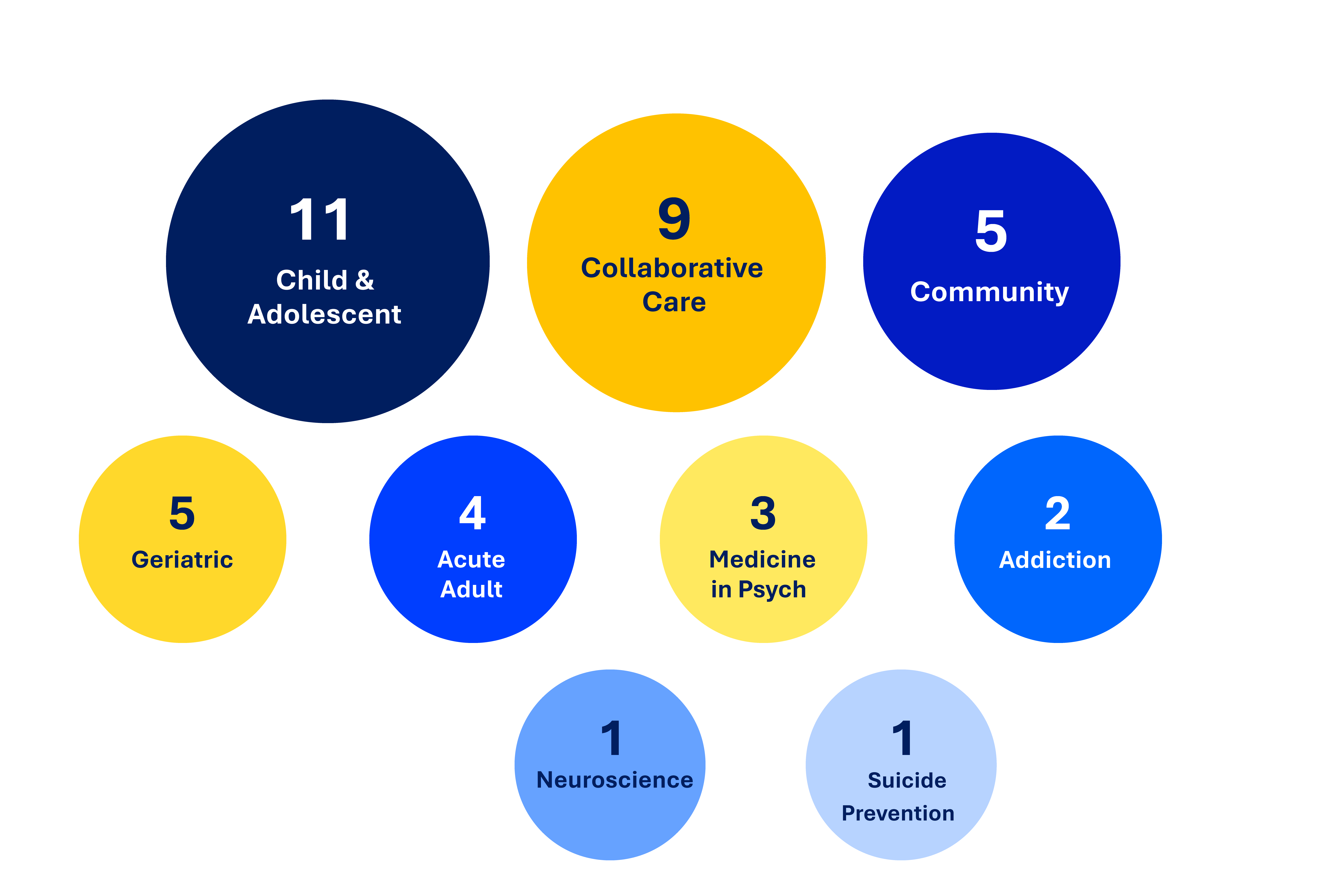
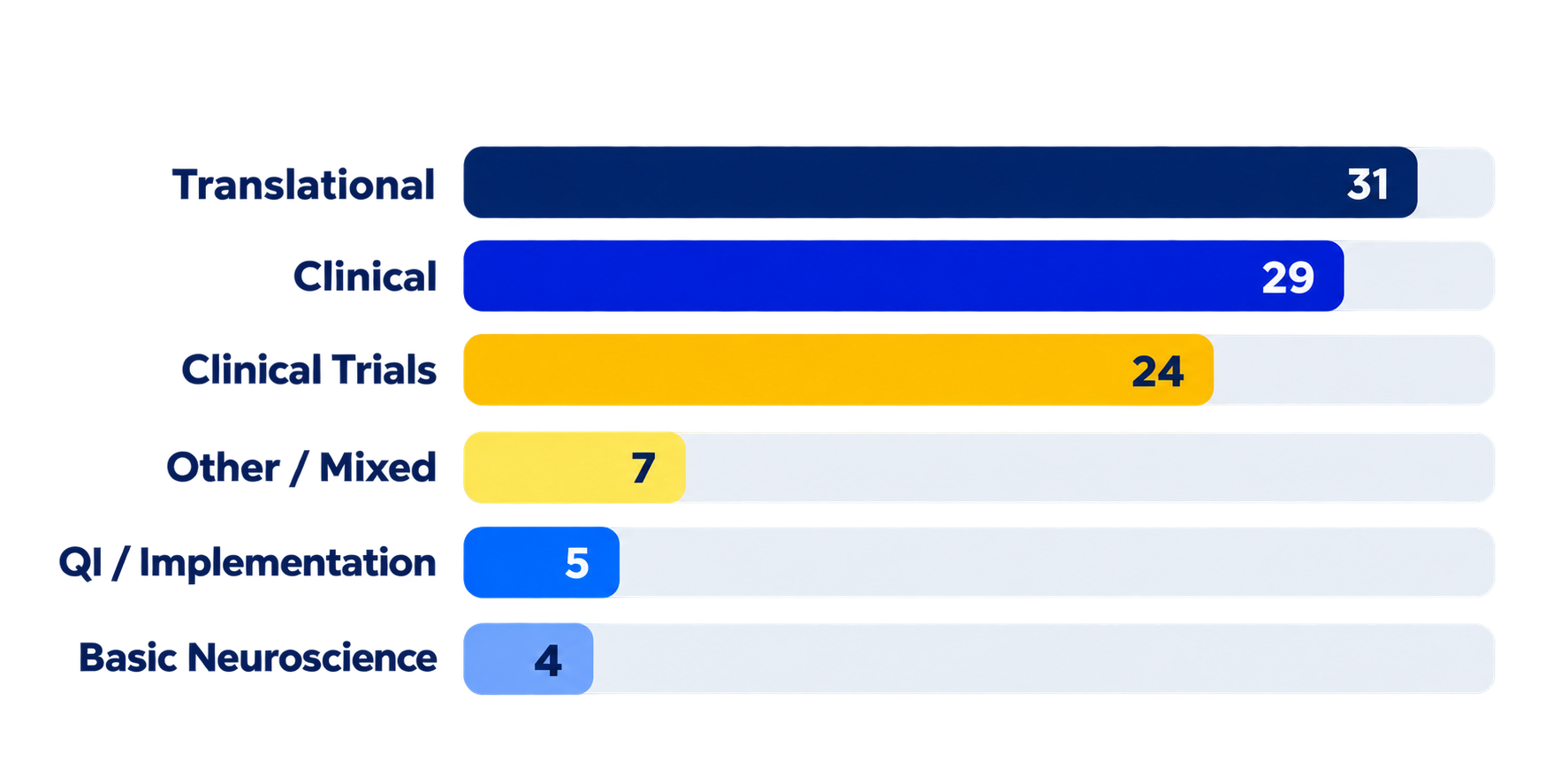
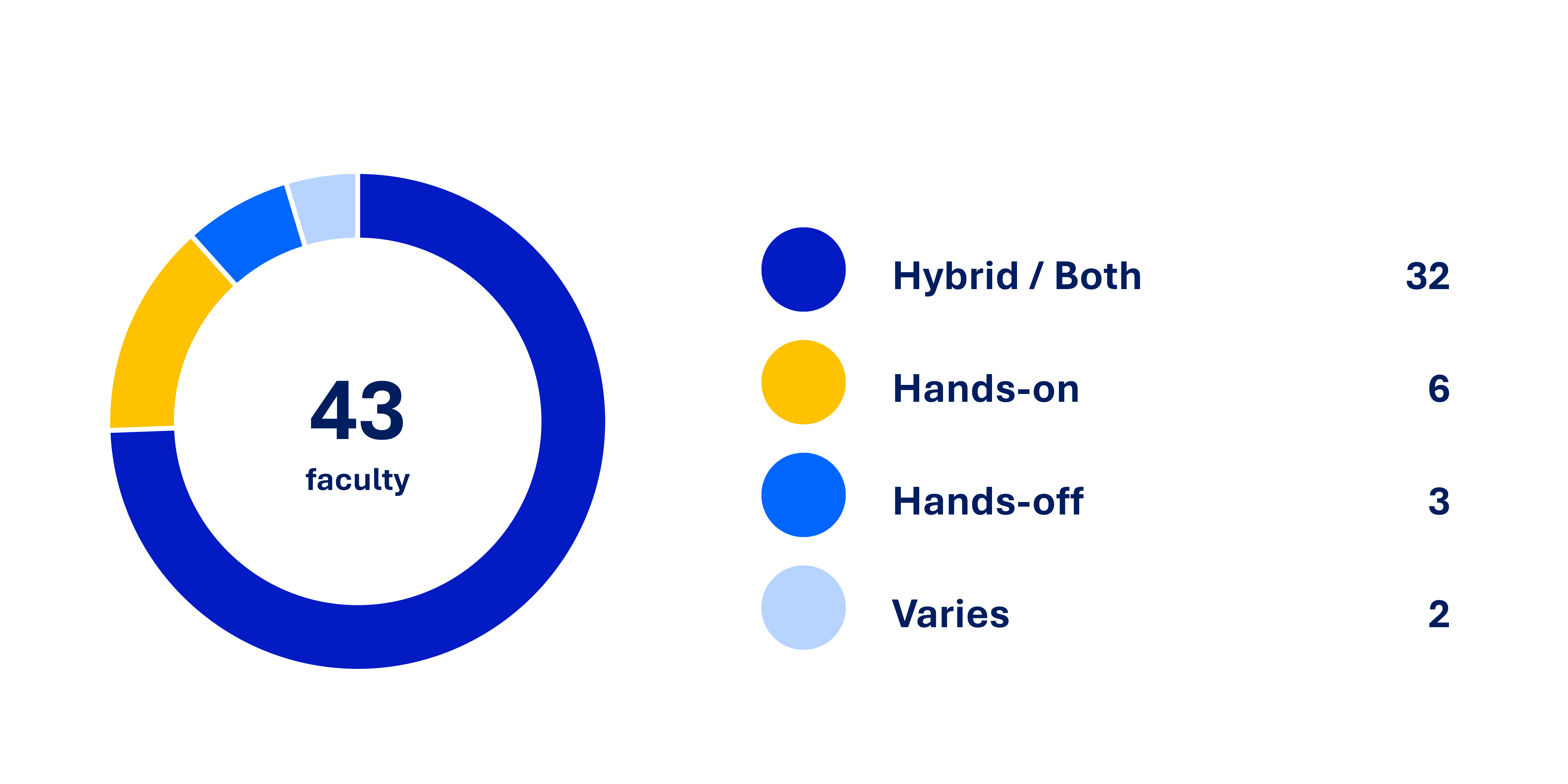
A summary of our 43-faculty research registry — designed to help medical students and residents find the right mentor, research focus, and training opportunity. View the Research Pathway Faculty Directory
43
FACULTY IN REGISTRY
10
PSYCHIATRY DIVISIONS REPRESENTED
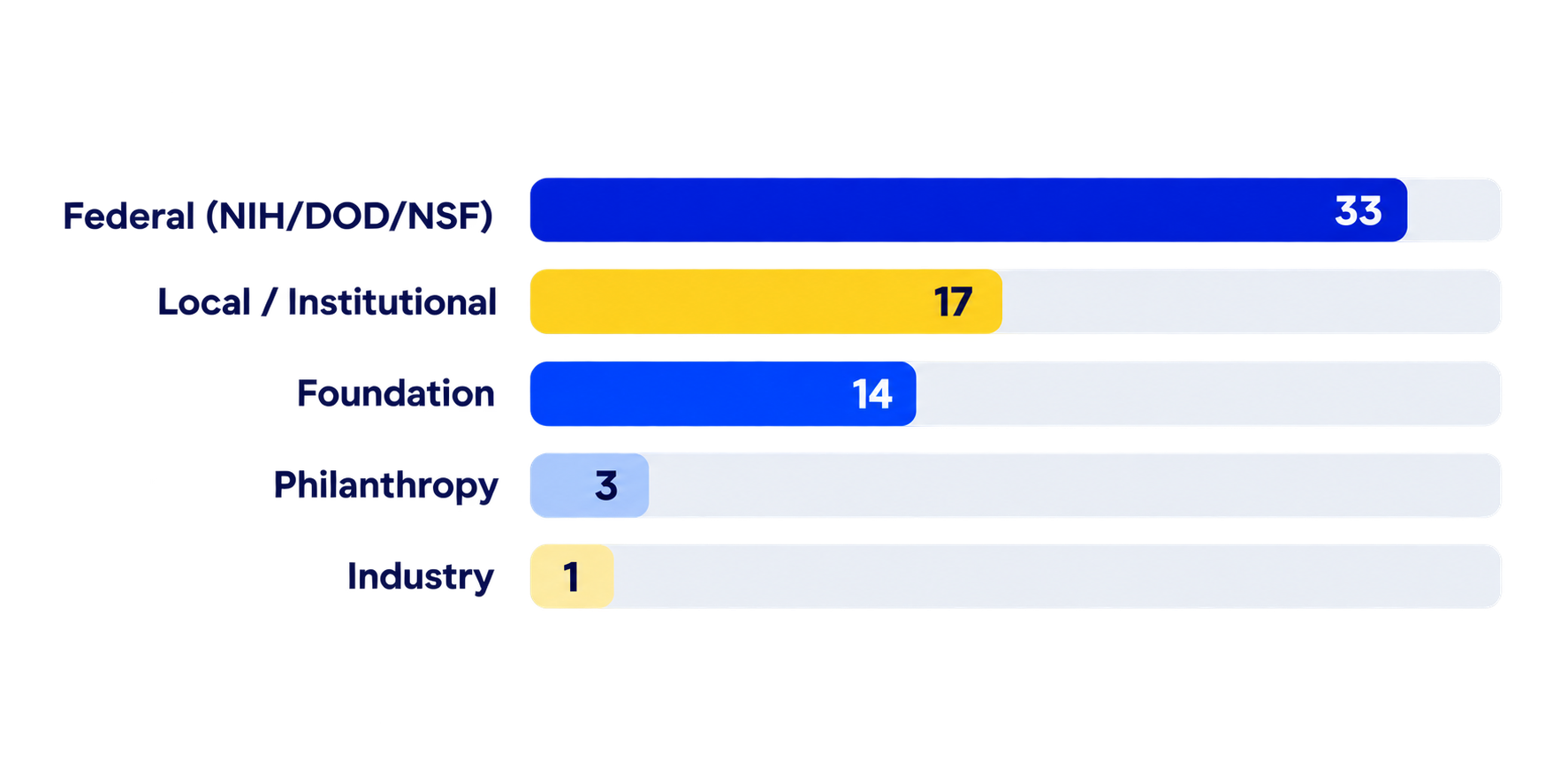
33/43
FEDERALLY FUNDED LABS
72%
HYBRID MENTOR STYLE
Faculty by Division
Research Types
Trainee & Engagement Availability
Mentor Style
Active Funding Sources
Research Support and Resources
What the department provides
Travel Funding - Annual travel stipend of $800, plus a $500 supplemental award for residents presenting an accepted abstract at a national or international meeting. Additionally, travel funding may be available for residents presenting original research at additional conferences in a given year, which would be reimbursed by the department. Residents are also encouraged to pursue the NIH Loan Repayment Program and external travel awards as they become eligible.
Project - For projects necessitating a budget, the department may consider funding ($20K) for mentored research during the PGY 3 and/or PGY 4 year of training. Needs would be proactively identified during the annual review with the associate program director and the project mentor.
A longitudinal curriculum moving from research fundamentals through study design, manuscript writing, and grant preparation, including dedicated seminars for K-level/pilot grants and NIH R-level grants.
Active mentorship and lab opportunities in psychosis, suicide prevention, digital media use, pain and perception, sleep, child development, and addictions, with collaborative ties to clinical trials, family therapy, and health services research groups across URochester.
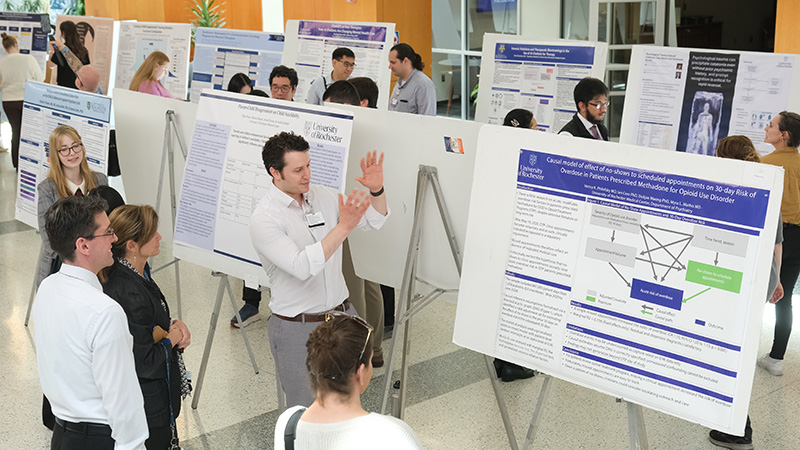
Trainee Poster Day and Collier Day (the department's annual research showcase, which includes awards for top resident and faculty posters) provide regular, high-visibility venues to present your work.
Outcomes & Opportunities
Our current residents and where they go
While our research pathway is in its early years, we have already demonstrated strong success with our current cohort, and we plan to build on this momentum.
Current residents engaged in psychiatry research pathway training at URochester include Emily Przysinda, MD, PhD (PGY1); Mounir Fakhouri, MD (PGY3); and Nihat Dogrul, MD (PGY4, Research Chief). Jaewon Lee, MD, recently graduated from our research pathway, and she is joining the URochester faculty.
Bridge Funding and/or Training Opportunities
Post-residency bridge funding & training
We will mentor graduating residents as they transition from residency into clinical or research fellowships (T32 funded), a career development award (NIH or VA), or an early faculty position. These periods often rely on bridge mechanisms of funding to keep their research moving forward, and the department will help to support strong candidates in the pursuit of an independent research career. The overview below maps out available programs, from protected time as a Research Pathway resident through independent K/R funding.
Career Progression
Research Pathway Resident
~8 mo. protected + up to $20K elective
Pilot Funding
Del Monte / SPIN — preliminary data
T32 / Fellowship
NIH postdoctoral training
CTSI KL2
2 yrs protected · K/R01 prep
Independent Award
NIH K → R01
Available Mechanisms
| Program | Type | Who Is Eligible | Support Provided |
|---|---|---|---|
| UR CTSI KL2 | CAREER DEVELOPMENT | MD / PhD / MD-PhD · Assistant Professor | 2 yrs salary + protected time; K/R01 preparation |
| Del Monte Institute Pilots | INTERNAL FUNDING | Faculty & postdocs · neuroscience focus | Up to $50K · 8 named funds · basic/clinical/translational |
| SPIN / Schmitt Program | INTERNAL FUNDING | Faculty & postdocs · interdisciplinary | Up to $50K · pilots + training fellowships |
| Psychiatry Research Elective | RESIDENCY | PGY-III / PGY-IV residents | ~8 months protected research time + up to $20K |
| Experimental Neurotherapeutics T32 | T32 POSTDOC | MD / DO / PhD · psychiatry eligible | NIH stipend (PGY-scaled) + benefits · $1K travel award + $3K research/expense fund + $3K childcare support per year · neuromodulation / translational (NIH T32NS007338) |
| CSPS / NIMH Suicide Prevention T32 | T32 POSTDOC | MD / PhD / Psychology / Nursing / SW | NIH stipend + benefits · suicide prevention focus |
| VA Advanced Fellowship | VA FELLOWSHIP | Psychologists / MDs | VA funding · veteran mental health & suicide prevention |
| Immunology T32 | T32 PRE/POSTDOC | Predoc & postdoc | NIH funding · neuroimmunology / neuroinflammation |
| Cellular / Biochemical / Molecular T32 | T32 PREDOC | Predoctoral trainees | NIH stipend + tuition · molecular / cellular neuroscience |
| Wynne Center Fellowship | POSTDOC FELLOWSHIP | PhD researchers | 2 yrs · family / psychoneuroendocrinology / biobehavioral |
Eligibility & How to Apply
Applying through the Match
Most residents (International Medical Graduates who are J-1 eligible with strong research interests and background are encouraged to apply) join the Research Pathway after they match into our categorical program: let the Associate Director of Research Education know you're interested, and plan to discuss your PGY-1 schedule before residency begins. There is no separate application or NRMP code for the Pathway; any incoming resident with genuine research interest can join.
We are looking for applicants who bring a genuine research vision, whether from prior lab experience, an MD/PhD background, substantive undergraduate/medical school research, or prior postdoctoral experience, along with the clinical strengths expected of any URochester psychiatry resident. A clear (even if evolving) sense of research direction and demonstrated follow-through on past projects matter more than a specific degree.
Research Pathway timeline & interest form
Residents interested in the Pathway apply for consideration internally — there is no NRMP code or formal Match step involved.
| When | What happens |
|---|---|
| PGY-1 start - complete after matching into the program PGY-2 start - complete between January-March of the PGY-1 year | 1. Meet with the Associate Director of Research Education prior to discuss interests, options, and approval for entry into the Pathway. 2. Submit the Pathway interest form and identify a potential mentor |
| PGY-2 - complete form between January-March of the PGY-2 year | 1. Begin the Pathway; regular mentor meetings and coursework start (earlier PGY-1 entry is possible for residents with a well-formed project) 2. Submit Annual Progress Report form |
| PGY-3, between January-March of PGY-3 year | For residents who find their path towards research later in residency, meet with the Associate Director of Research Education to discuss interests, options, and approval for entry into the Pathway. |
Questions about the Research Pathway?
We're glad to talk with prospective applicants one-on-one about whether this pathway is the right fit for your goals.
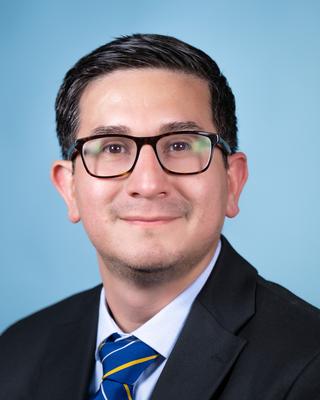
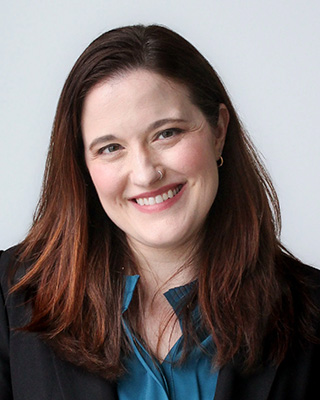
Meredith Gansner, MD
Associate Director of Research Education in Child Psychiatry