Research within the Department of Surgery encompasses a wide and growing range of disciplines and opportunities. Just a few examples include positions in clinical and outcomes research through the Surgical Health Outcomes & Research Enterprise (SHORE) program, translational research in the Engineering & Clinical Laboratory for Innovation in Pediatric Surgery (Wilson ECLIPSe Lab) and the Cardiovascular Engineering Lab, and basic laboratory science in the Center for Tumor Immunology Research.
While research during surgical residency years is optional, the majority of residents take advantage of the opportunity to expand their academic pursuits for career advancement. In addition to traditional research experiences, our residents have pursued additional degrees and other academic advancement opportunities. For example, there are opportunities to pursue a Masters of Public Health (MPH) degree, a Master of Science in Clinical Investigation, or to pursue a M.S. degree in Biomedical Engineering through the Center for Medical Technology & Innovation (CMTI).
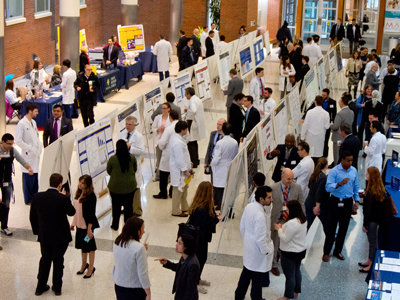
Annual Research Symposium - Balcony view of research symposium
![Drs Loria, Dhimal,Cupertino, Fleming and Hilty]()
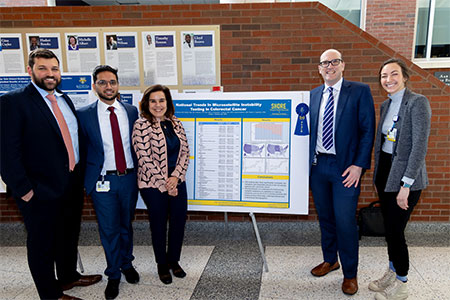
Annual Research Symposium - Drs Loria, Dhimal, Cupertino, Fleming, Hilty
![Dr. Cole, Dr. Hilty]()
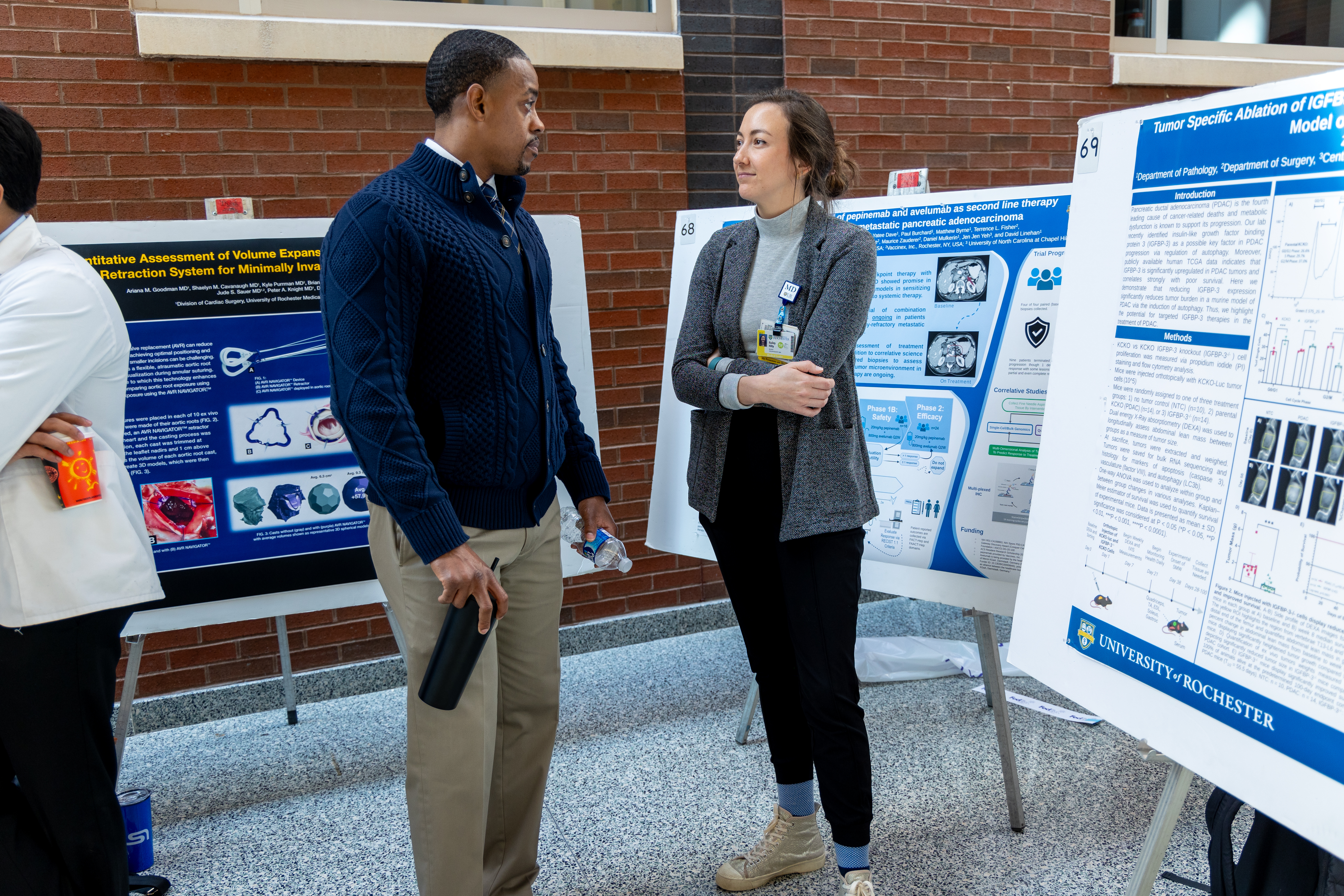
Annual Research Symposium - Dr. Cole, Dr. Hilty
![2025 research symposium with visiting professor Ashley Holder, MD.]()
2025 research symposium with visiting professor Ashley Holder, MD.
![Drs. David Linehan, Ronald P. DeMatteo, Nicole A. Wilson and Walter Pegoli, Jr. at the Annual Research Symposium]()
Drs. David Linehan, Ronald P. DeMatteo, Nicole A. Wilson and Walter Pegoli, Jr. at the Annual Research Symposium
![Dr Korry Worth]()
Dr. Korry Wirth Presenting his Research 2025
![Drs. Poles, Dhimal and Boyer]()
Annual Research Symposium - Drs. Poles, Dhimal and Boyer
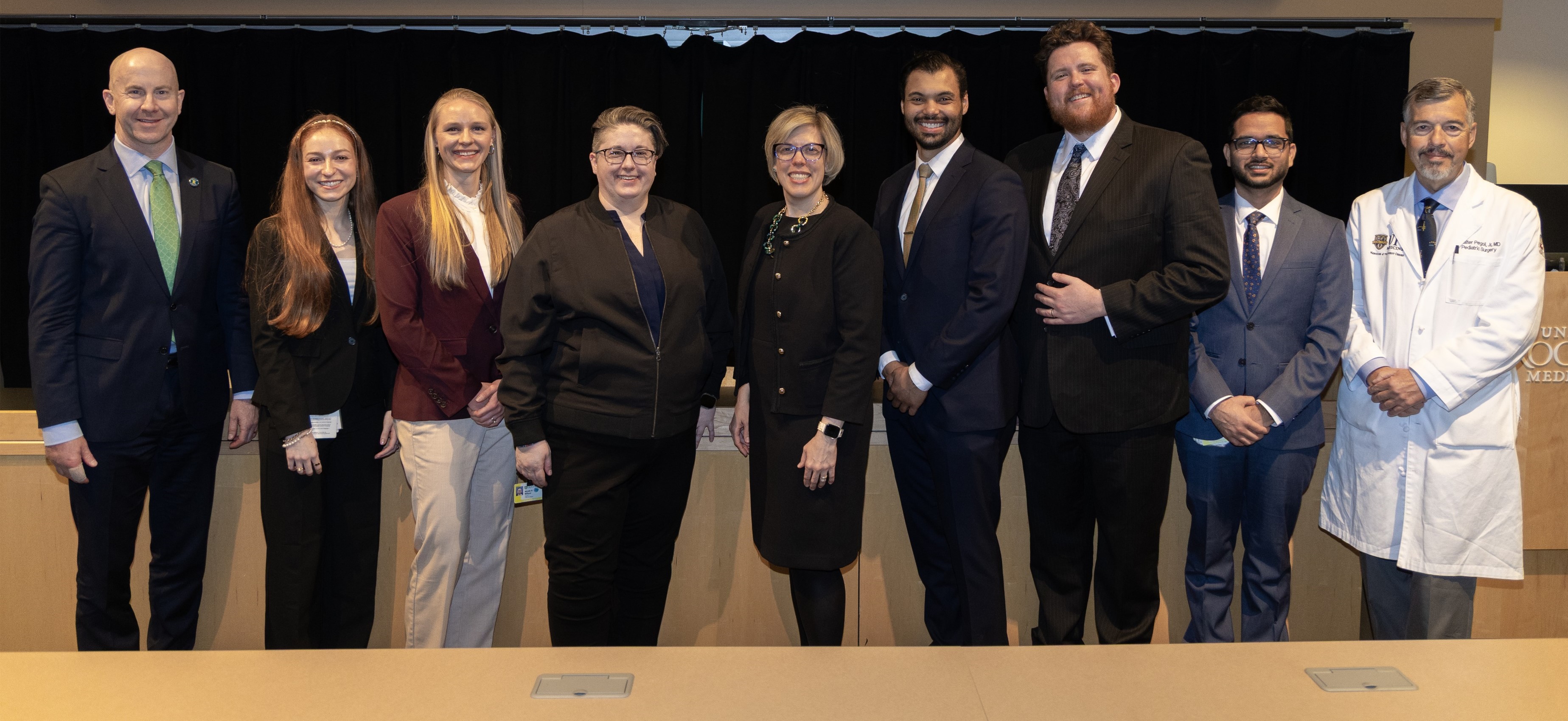
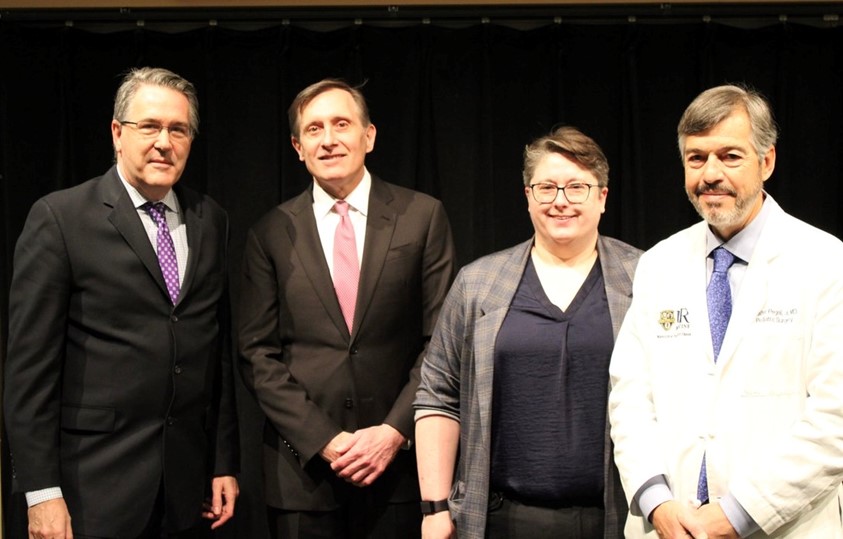
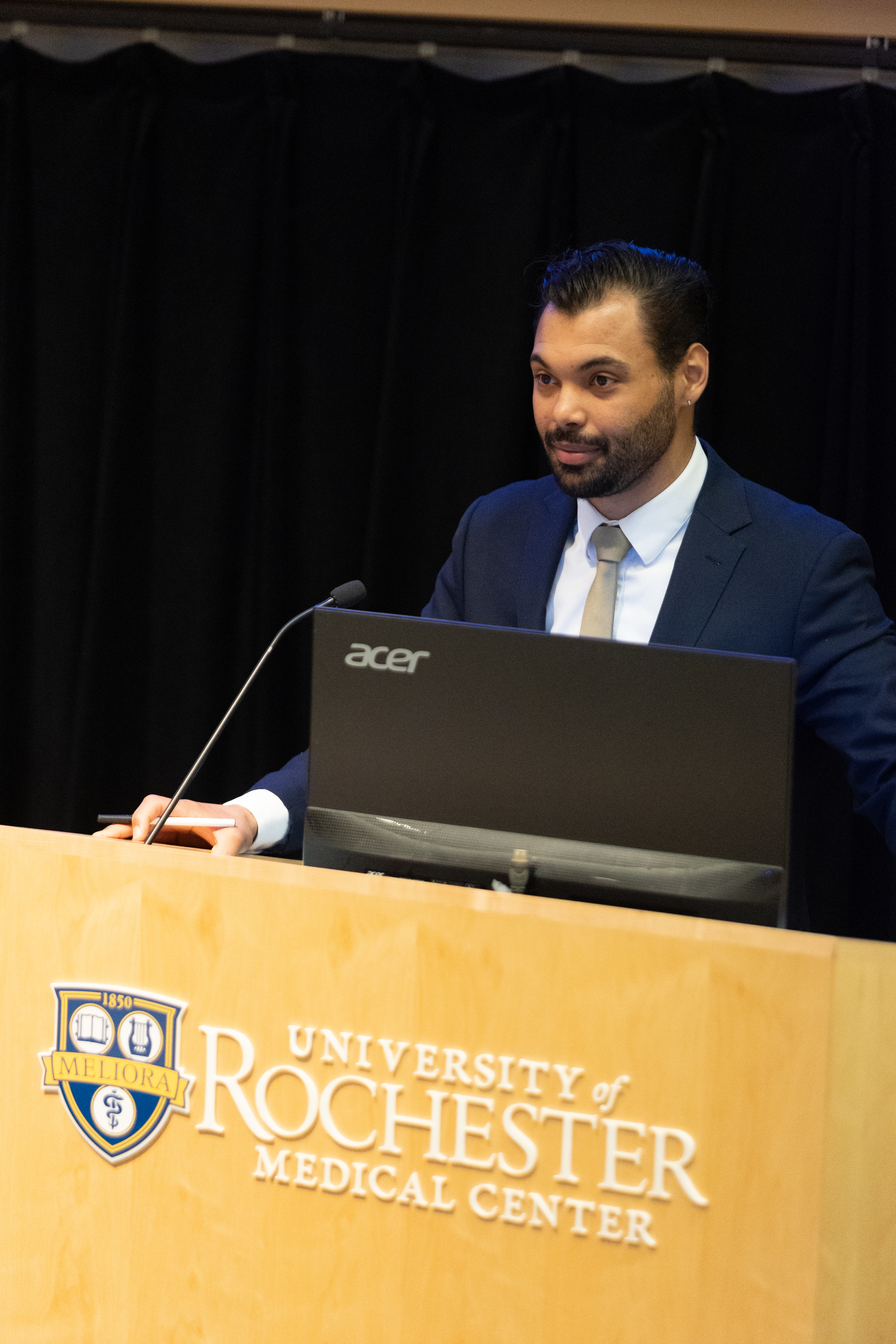
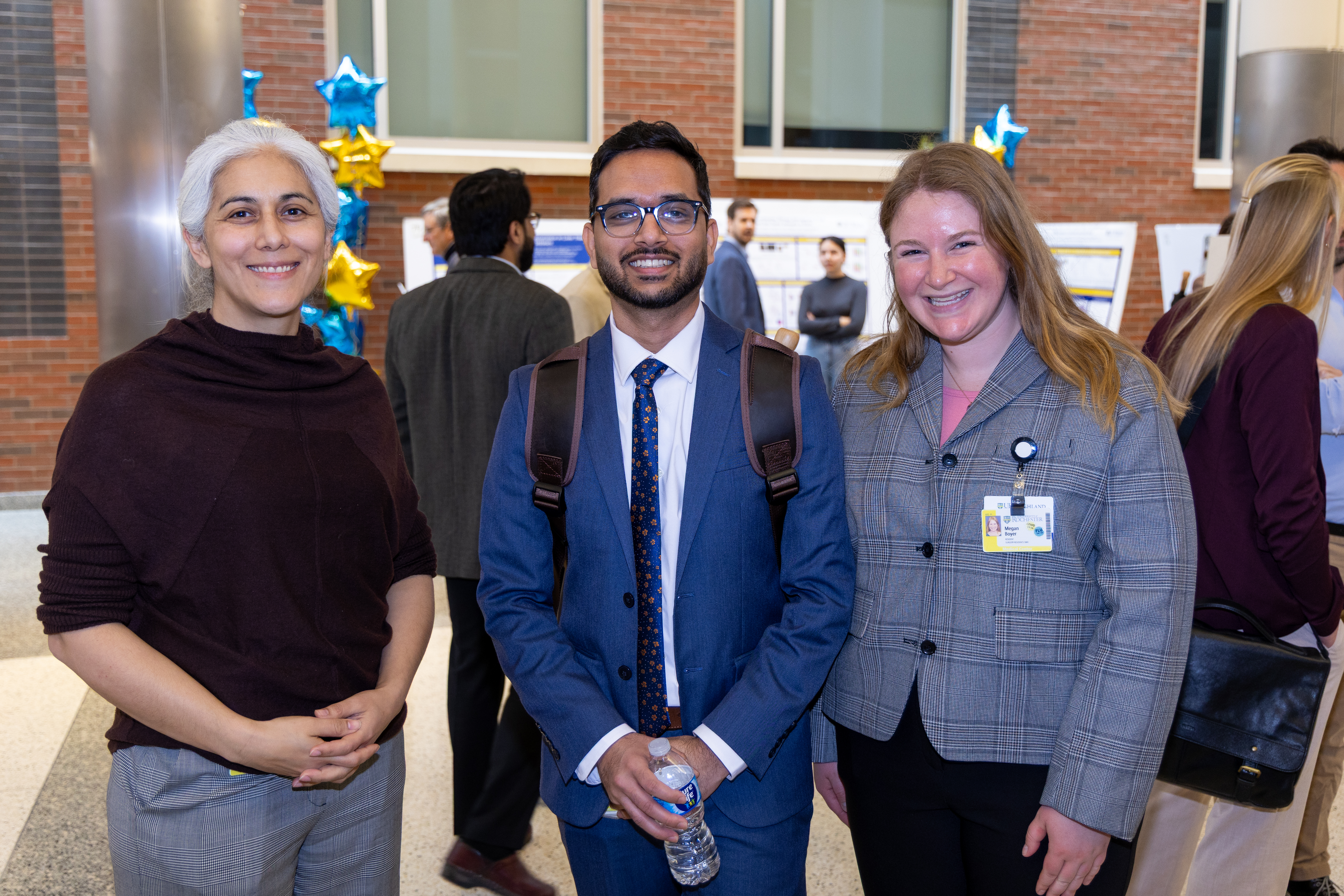
The research and career development opportunities available for residents during training at the University of Rochester are diverse. Many general surgery residents spend between one and three years of dedicated research time during their residency training between their PGY 2 and PGY3 years, but scheduling of this experience is flexible. If you have a passion, we will work with you to try to make it happen. Whether your interests lie in molecular or cell biology, surgical simulation, resident education, cancer outcomes, population health sciences, systems analysis or any other surgical discipline, we will work together to design a research/career development experience with outstanding mentors. Our goal is for our trainees to be prepared to be the leaders in the next generation of academic surgery. The Associate Program Director for Research is actively involved with each resident to explore their personal goals and to help build an individualized path for every resident.
The research mission of the General Surgery Residency Program is accomplished within the context of the University of Rochester's peer review-funded basic science and clinical research programs. The University ranks in the top third of medical schools with NIH peer review grant funding. A particularly unique resource in our department is the Wilmot Cancer Institute’s Cancer Control and Psychoneuroimmunology Lab (CCPL) led by Michelle C. Janelsins-Benton, Ph.D., with world-class opportunities for scholarly pursuits to investigate cancer-related side effects. Wilmot is one of only two academic cancer centers in the U.S. to be chosen by the NCI as a research hub for the NCI Community Oncology Research Program.
Importantly, funding is available for laboratory expenses and salary for residents during their research years. Many surgical sections have funding to support residents performing specialized clinical and basic science research within their division. As part of their research training, all residents will learn grant writing skills and have the opportunity to present their work at local and national meetings. Residents are also eligible to apply for loan repayment programs through the National Institutes of Health, which may yield an additional $50,000 a year for each spent in laboratory research, in addition to regular salary support. Residents are also free to moonlight during the research years, provided it does not interfere with their research responsibilities.
Our annual Department of Surgery Research Symposium brings in fascinating keynote speakers who share their research and spend time discussing the unique opportunities and challenges of the surgeon-scientist with residents and other trainees. The Research Symposium is followed by an abstract competition in which residents have the opportunity to present their research and a research fair highlighting poster presentations from the Department of Surgery. Awards are available to the residents whose presentations and posters are scored the highest.
To learn more about our surgical research residents, check out our Research Resident Spotlight.
Research Residents
Megan Boyer, M.D.
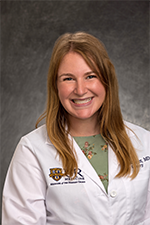
Research Interest
Clinical health outcomes and disparities within SHORE (Surgical Health Outcomes & Research Enterprise). Currently engaged in projects centered around ostomy creation secondary to a variety of colorectal disease processes, timeline to restoring continuity, the system-based issues that delay this process, and downstream health implications of delay at the local, state, and national levels.
Mitch Breitenbach, M.D.
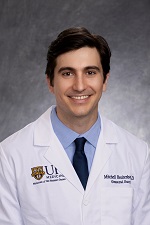
Research Interest
Surgical oncology: Basic science, translational, and clinical outcomes research in gastrointestinal malignancies. This research includes the study of metastasis and tumor dormancy through the analysis of human tissue and animal models to determine the underlying mechanisms of the phenomena and the effect of novel therapeutics.
Luke Cybulski, M.D.
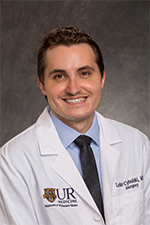
Research Interest
Ashely Ferguson, M.D.
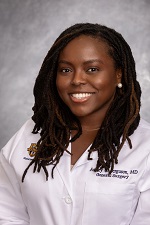 Research Interest
Clinical research in colorectal and geriatric surgery. My research focuses on improving surgical care for older adults by developing age-friendly enhanced recovery after surgery (ERAS) protocols and conducting qualitative research on shared decision-making to enhance communication between patients and surgeons.
Jonathan Guevara, M.D.
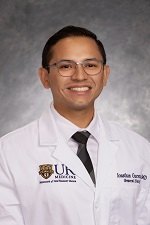
Research Interest
My research focuses on pediatric surgery, with an emphasis on both basic and translational science. As a research fellow in the Hackam Lab at Johns Hopkins University, I collaborate with a multidisciplinary team to investigate the mechanisms underlying necrotizing enterocolitis in premature infants, with the goal of informing the development of novel therapeutic strategies. Additional interests include optimizing imaging protocols in pediatric trauma care and contributing to the development of consensus guidelines for the management of hepatoblastoma.
Bailey Hilty, M.D.
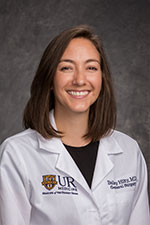
Research Interest
Basic science and translational research in preclinical models exploring the interaction between the tumor microenvironment of pancreatic adenocarcinoma and the immune system to develop novel therapeutic strategies.
Marie (Molly) Jacobs, M.D.
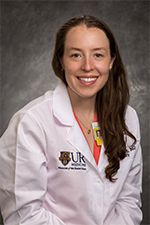
Research Interest
SHORE: Research focusing out outcomes in Thoracic surgery and improving the efficiency of healthcare delivery.
Joel Kruger, M.D.
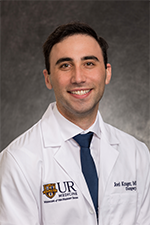
Research Interest
Vascular Surgery: Clinical Research Fellow with the Department of Vascular Surgery focused primarily on Health Science Research, with a particular emphasis on carotid and aortic diseases. He is leveraging his background in biostatistics and Geographic Information Systems to advance understanding of how to improve surveillance programs and study the impact of disparities on access to vascular surgical care.
Abigail (Abby) Loszko, M.D.
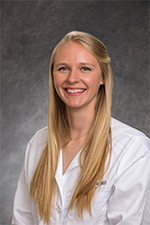
Research Interest
Pediatric Surgery: As a member of the ECLIPSe (Engineering & Clinical Laboratory for Innovation in Pediatric Surgery) lab, my primary focus is on Social Determinants of Health and how they impact clinical outcomes. This includes assessing the utility of current area-level deprivation indices in the pediatric surgery population to better predict which patients are at higher risk for unfavorable outcomes.
Mario Matabele, M.D.

Research Interest
Our research group is investigating how carotid artery disease progresses in patients with moderate but asymptomatic narrowing of the carotid arteries. Using data from more than 14,000 patients and 31,000 carotid ultrasound studies performed at URMC, we are identifying patterns in blood-flow velocity that distinguish patients who remain stable from those who develop severe disease or symptoms such as stroke.
Preliminary results show that changes in end-diastolic velocity over time differ significantly between stable and progressive disease, offering a potential marker of risk. In collaboration with the University’s Health Lab, we are now integrating these findings into machine-learning models designed to predict disease progression and help determine which patients may safely reduce surveillance. This work aims to improve efficiency, personalize follow-up care, and guide evidence-based decision-making in carotid disease management.
Michael McCabe, M.D.
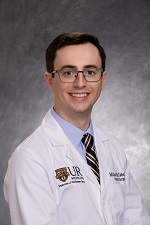
Research Interest
Leveraging large database analysis to optimize care for solid organ transplant patients, with a focus on living and deceased donor liver transplant access and use of robotics in transplant surgery.
Tyler Schermann, M.D.
Research Interest
Areas of interest include surgical quality improvement and outcomes research, particularly within thoracic and foregut surgery.
Korry Wirth, M.D.
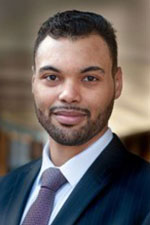
Research Interest
Use of Photodynamic Therapy to Treat Intra-Abdominal Contamination in General Surgical Conditions. This is a multi-faceted project where our objective is to demonstrate that PDT is a novel treatment for intra-abdominal contamination.