

News
Emily Berry Defends Thesis!
Thursday, September 4, 2025
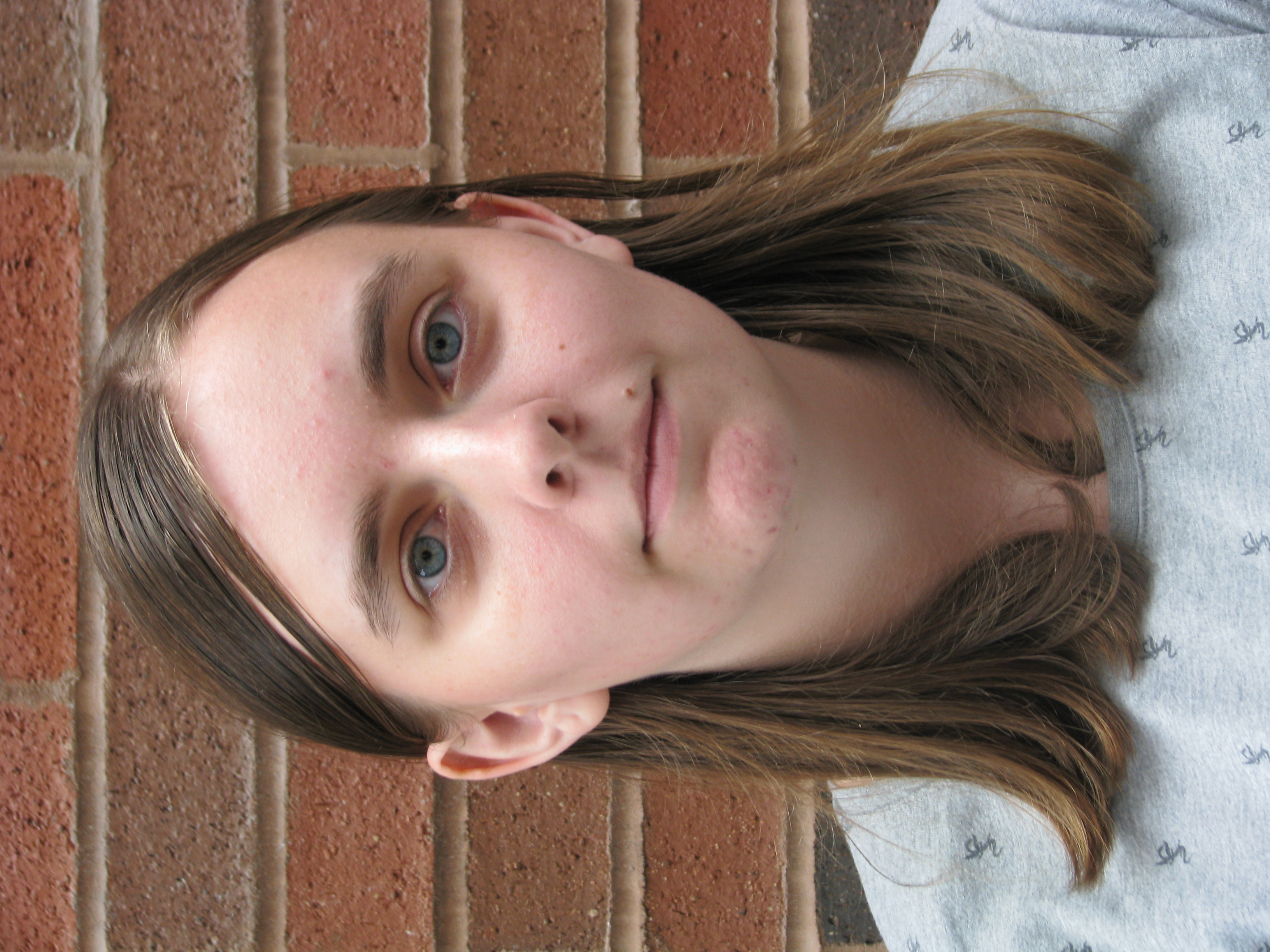 Today, BGG Graduate Student Emily Berry held her thesis defense. Emily's research focused on the role of lncRNA Neat1 in maintaining cell identity. She conducted her thesis research in the laboratory of Stephano Spano Mello, Ph.D. - Emily's thesis is titled "Examining the role of Neat1 in pancreatic exocrine cell identity". Her thesis abstract is below.
Congratulations Dr. Emily Berry!
"The dysregulation of long noncoding RNAs (lncRNAs) has been widely found in many cancers, but the roles of lncRNA dysregulation in the development of pancreatic ductal adenocarcinoma (PDAC) remain elusive. The lncRNA NEAT1 is a target of the tumor suppressor TP53, and Neat1 absence in mouse models of PDAC increases the formation of preneoplastic lesions in the pancreas, suggesting that Neat1 functions as a tumor suppressor. Specifically, Neat1 null mice exhibit an increase in intraductal papillary mucinous neoplasm (IPMN) lesions, which are rarely seen in PDAC mice but observed in mouse models lacking functional SWItch/Sucrose nonfermenting (SWI/SNF) chromatin remodeling complexes. Both Neat1 and subunits of the SWI/SNF complex are implicated in the differentiation programs of other cell types, and are essential for the formation of paraspeckles, which are subnuclear ribonucleoprotein particles involved in the regulation of gene expression. These correlations could indicate a potential cooperation through paraspeckles to maintain exocrine pancreas cell identity. In this study, we utilized mouse models of PDAC to investigate the role of Neat1/paraspeckles and SWI/SNF in the pancreas. Neat1 and Arid1a null mouse models of PDAC exhibited similarities in increased preneoplastic lesion formation and decreased acinar cell population. Paraspeckle assembly was reduced in Neat1 and SWI/SNF deficient mouse PDAC cells, and the overexpression of SWI/SNF subunits increased paraspeckle abundance. The absence of Neat1 in exocrine cells redistributes SWI/SNF near the promoters of genes involved in pancreas identity pathways. Some of these genes are also significantly dysregulated in the absence of Neat1. Our findings presented here suggest that Neat1/paraspeckles and SWI/SNF cooperate to regulate the chromatin landscape as a means of maintaining exocrine pancreas identity."