

Current Research
Current Research
Deaf Weight Wise: Nationwide Dissemination and Implementation
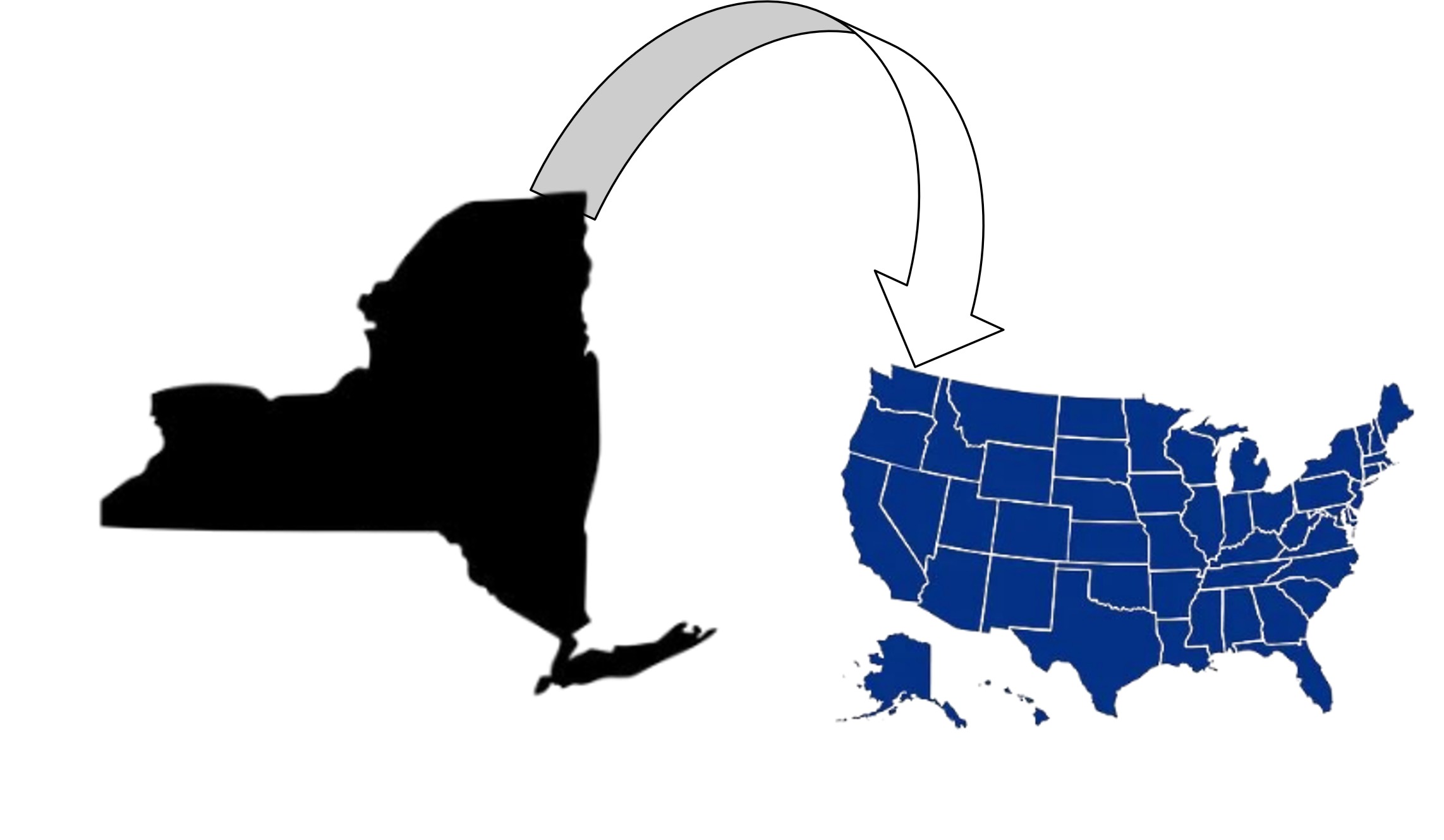 NCDHR is studying the implementation of Deaf Weight Wise (DWW), a healthy lifestyle intervention developed for use with Deaf American Sign Language users. DWW was adapted from an evidence-based healthy lifestyle program at University of North Carolina, and has been tested in two clinical trials with Deaf participants at NCDHR within University of Rochester. These clinical trials have shown that DWW is effective with Deaf participants ages 21-70. The next phase of NCDHR’s research is to work with community partners to train them to run DWW within their own sites, for broad community benefit.
DWW Implementation Research
The National Center for Deaf Health Research (NCDHR), part of the Rochester Prevention Research Center (RPRC), has been awarded a five-year grant (2024–2029) from the Centers for Disease Control and Prevention (CDC) to expand and study the implementation and dissemination of the Deaf Weight Wise (DWW) program nationwide. This innovative initiative promotes a healthy lifestyle specifically for the Deaf community. To support this effort, the NCDHR is developing partnerships with organizations nationwide. The research component aims to identify the facilitators and barriers to the successful implementation and sustainability of the DWW program.
What is Deaf Weight Wise?
Deaf Weight Wise (DWW) is an evidence-based program delivered entirely in American Sign Language (ASL) that focuses on nutrition and physical activity for Deaf adults. A crucial aspect of participant retention and success is the "Deaf to Deaf" peer support model.
The Evolution of DWW
- Deaf Weight Wise (2009-2014): The first randomized clinical trial was conducted with an in-person group intervention for adults aged 40-70 with a BMI of 25-45.
- DWW 2.0 (2014-2019): This phase introduced remote, one-on-one counseling via videophone alongside in-person group interventions for adults aged 21-70 with a BMI of 25-45.
- DWW in Western and Central New York (2019-2024): The implementation phase focused on community involvement and sustainability for partners in Buffalo, Rochester, and Syracuse, targeting adults aged 18.5 and above with a BMI of 18.5 or higher. This version of DWW was delivered virtually due to the COVID-19 pandemic.
- Nationwide DWW Implementation (2024-2029): This initiative aims to implement and disseminate in-person group interventions or remote sessions via Zoom, led by national partners. The goal is to study the facilitators and barriers these partners encounter when running and sustaining the DWW program for adults aged 18 and above with a BMI of 18.5 or higher.
DEAF, Inc. has been announced as a key partner in delivering and sustaining the DWW program in Massachusetts. Ongoing efforts are underway to engage additional partners for this research project. The availability of the implementation phase of DWW will enable Deaf organizations across the U.S. to keep the program accessible and culturally relevant to their communities.