Batten Disease
Make Appointments & Get Care
What Is Batten Disease?
Batten diseases (Neuronal ceroid lipofuscinoses, NCLs) are a collection of genetic diseases that affect the nervous system. Most Batten diseases start in childhood, although rarely symptoms can start in adulthood. Symptoms in Batten diseases worsen over time and lead to early death. Currently, there is only one form of Batten disease (CLN2 disease) that has a treatment.
At University of Rochester Medicine, our experts offer consultations for both children and adults. We are dedicated to helping individuals and families better understand and manage the complex neurological, cognitive, behavioral, and functional challenges associated with Batten disease.
Batten diseases are rare diseases. In the United States, a rare disease is one that affects fewer than 200,000 people. Batten diseases affect about 2–4 out of every 100,000 live births in the United States. It's more common in people of Scandinavian or Northern European descent, and in Finland, Sweden, and Newfoundland, Canada. For most types of Batten diseases, siblings of someone with Batten disease have a 25% chance of also having the disease.
Most people have normal development until Batten disease symptoms start. The first symptoms of Batten diseases may be different for different types of Batten diseases.
People with Batten diseases will develop:
- Vision loss (causing blindness)
- Seizures
- Problems with thinking and learning (dementia)
- Speech delays or loss of speech
- Balance problems
- Abnormal movements
Batten disease is a genetic disorder that occurs when both parents have mutations in the same gene. The gene that causes Batten disease impacts the body’s ability to break down and dispose of cellular waste. The body will stop working because of the buildup of the waste.
Batten diseases are usually diagnosed by genetic testing.
Other types of testing may be helpful, including:
- Blood tests for enzyme levels
- Electroencephalogram (EEG, a brain wave test)
- MRI of the brain
It is helpful to meet with a genetic counselor when getting testing for Batten diseases. They will explain how Batten diseases are inherited, and the risk of having other family members develop the disease.
Treatments for Batten Disease
Currently, there is no cure for Batten disease. There is one treatment for CLN2 disease (cerliponase alfa, Brineura) that may help slow down the disease. With this treatment, patients get a special device in their skull that connects to the fluid in their brains. Every other week, the device sends medication to the brain. This is a very specialized treatment that requires a provider to have specific expertise. At the University of Rochester Batten Center (URBC), multiple specialists have expertise in giving this medication.
For all forms of Batten diseases, treatments for symptoms of the diseases can be helpful. At University of Rochester Medicine, we can help families navigate the different ways to approach symptoms. We can also discuss these options with your local neurologist.
The University of Rochester Batten Center
Families can expect a thorough and individualized evaluation tailored to the patient’s specific needs.
Clinical visits typically include:
- Detailed medical and developmental history
- Review of prior diagnostic testing and treatments
- Comprehensive neurological examination by a Child Neurologist
- Administration of the Unified Batten Disease Rating Scale and other appropriate clinical assessments
Our goal is to provide families with a clear understanding of the patient’s current strengths, challenges, and care needs while helping guide ongoing management and support.
Neuropsychological and Behavioral Assessment
Many individuals with Batten disease experience cognitive, behavioral, emotional, and learning difficulties that can significantly impact daily functioning and quality of life. Understanding these challenges can help families, schools, and care teams better support the individual’s needs.
The URBC offers specialized neuropsychological and behavioral assessment designed specifically for individuals with Batten disease.
Services may include:
- Brief assessment of attention, memory, language, and cognitive abilities
- Behavioral and emotional assessment
- Family consultation regarding learning, behavior, and adaptive functioning
- Educational consultation and school support recommendations
- Written summary reports with individualized recommendations
Importantly, vision is not required for participation in many aspects of neuropsychological evaluation.
For adults with Batten disease, these assessments may also help guide recommendations related to independence, vocational planning, and supportive services.
Follow-up assessments are available to monitor changes over time and help adjust educational, behavioral, and supportive interventions as needs evolve.
Multidisciplinary Care
Depending on the individual’s needs, patients may also be evaluated by additional specialists, including:
- Pediatric Ophthalmology
- Neurogenetics
- Genetic Counseling
- Pediatric Neuropalliative Care
Our multidisciplinary approach allows families to access specialized expertise within a coordinated care model.
Research and Clinical Trials Participation
A major focus of our team is advancing clinical research in Batten disease. Families may be informed about ongoing research studies and clinical research opportunities during their visit.
Participation in research is entirely voluntary and is not required to receive clinical care at the University of Rochester Batten Center. There is no cost to participate in our research activities.
What Sets Us Apart?
The University of Rochester Batten Center is a comprehensive Batten disease clinical and research center in Rochester, NY. We have been recognized by the Batten Disease Support and Research Association as a Batten Disease Center of Excellence.
We believe that caring for individuals with Batten disease requires more than treating symptoms alone. We are committed to partnering with families, supporting quality of life, advancing research, and helping individuals with Batten disease receive compassionate, expert, and coordinated care throughout every stage of the disease journey.
Our team of experts offers a wide range of advanced services, including:
- Neuropsychological and Behavioral Assessment
- Multidisciplinary Care (including Pediatric Opthamology, NEurogenetics, Genetic Counseling, and Pediatric Neuropalliative Care)
- Clinical Research Opportunities
- Educational Consultations
University of Rochester Medicine provides support and clinical services, contributes new knowledge, and works to find treatments that will slow, halt, or prevent disease in individuals with Batten Disease.
Providers
Locations
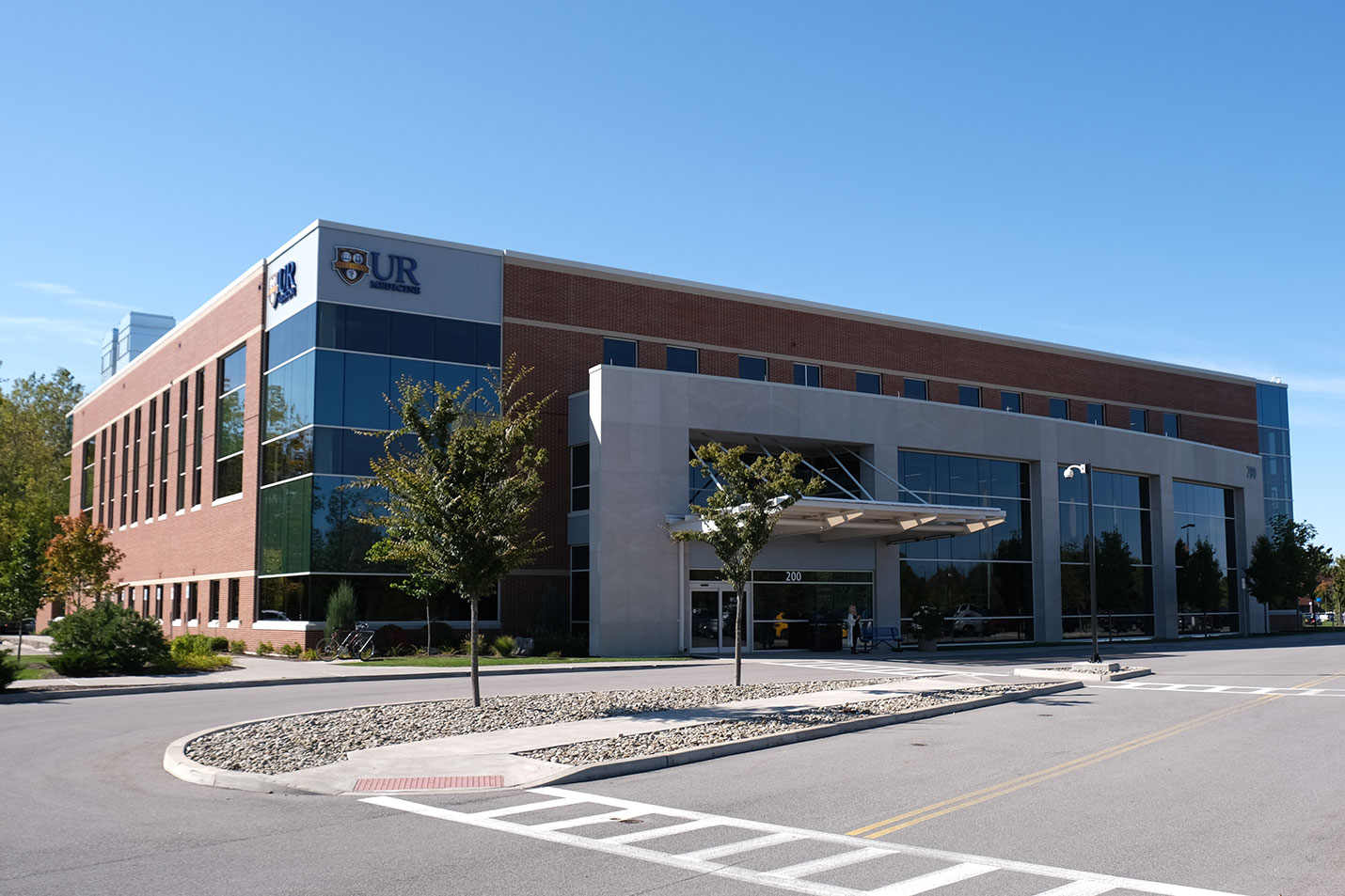
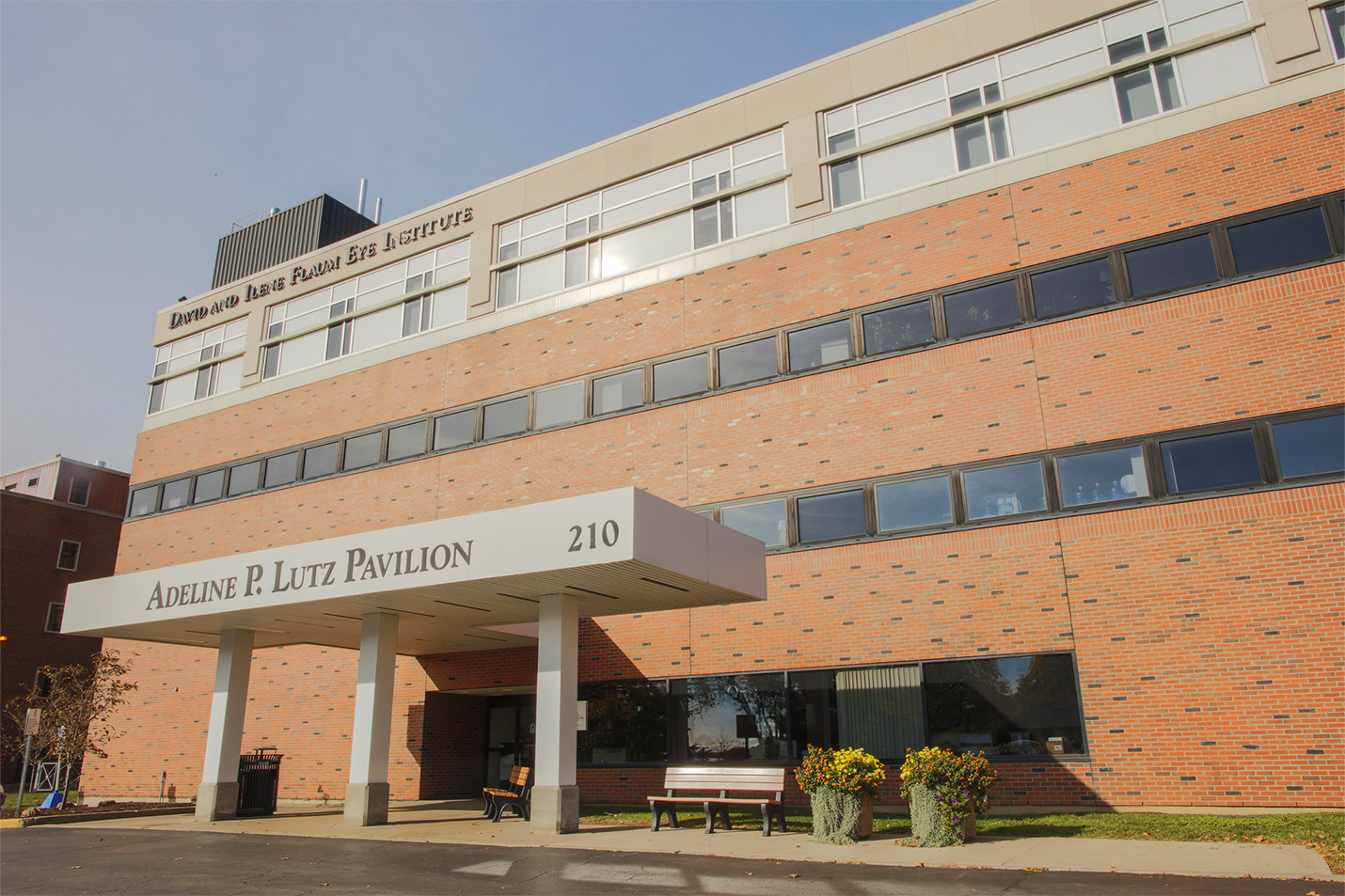
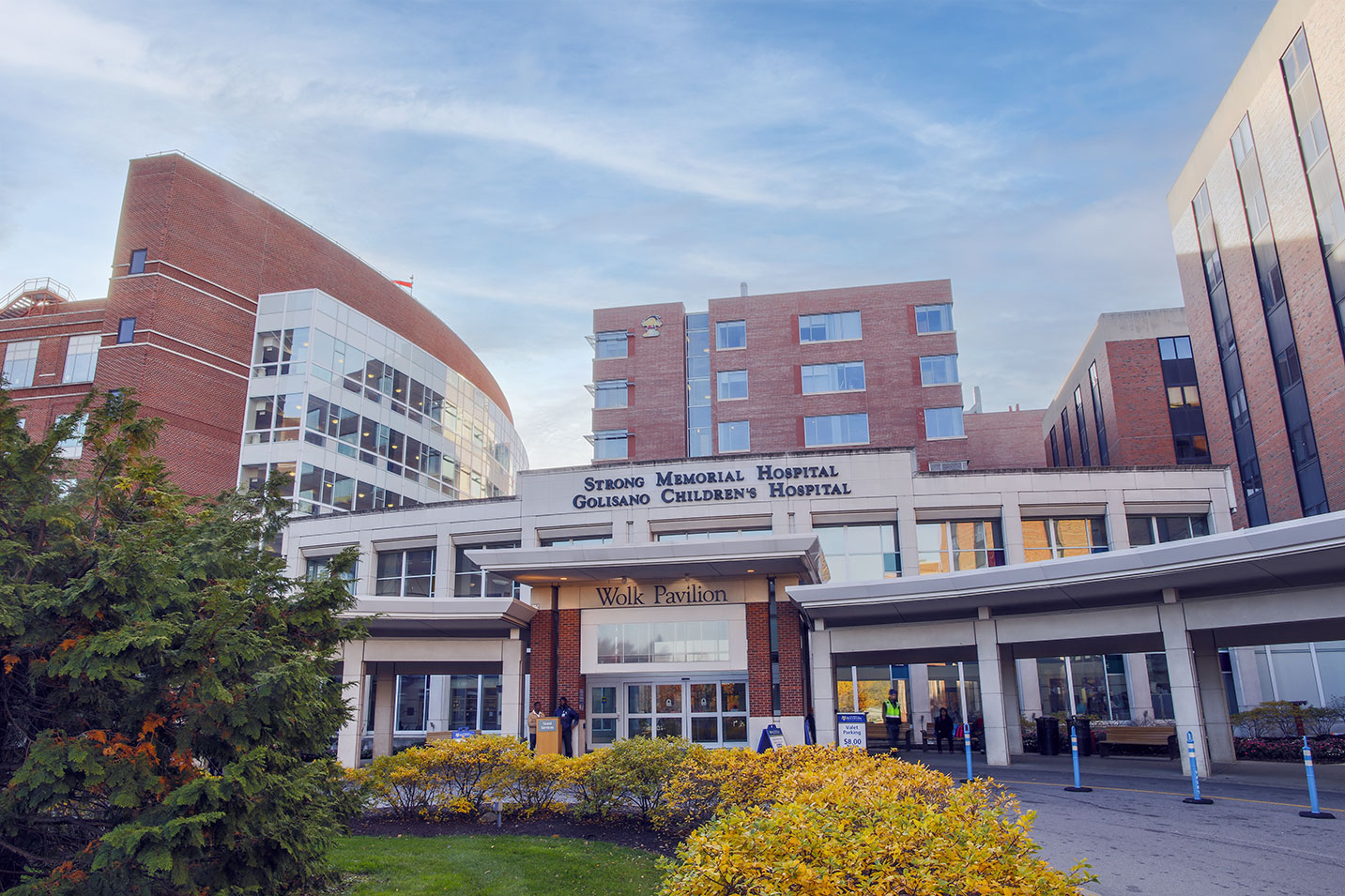
View All LocationsWe serve you in the Rochester metropolitan area and surrounding region. Locations are ordered by distance, with those closest to listed first.
4 locations
Patient Education & Support
Travel and Lodging
The University of Rochester is located in Rochester, New York. Families traveling by air will typically arrive through the Greater Rochester International Airport.
Because many families travel from outside Western New York, visits often involve an overnight stay and a full day of evaluation.
Lodging options may include:
- Ronald McDonald House
- Nearby hotels offering discounted medical rates
Our team is happy to assist families with lodging arrangements and travel planning.