

News
New NIH Grant Funds Training for Aging Research
Thursday, July 23, 2026
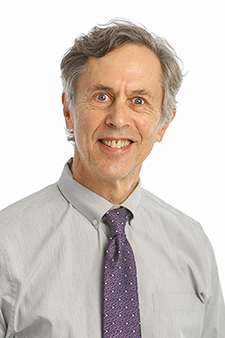
Ronald Epstein, M.D.
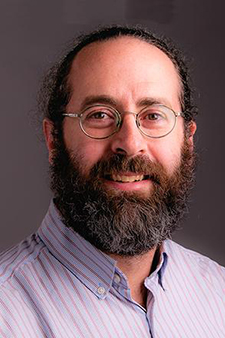
Benzi Kluger, M.D., M.S.
New National Institutes of Health funding expands research opportunities for University of Rochester Medicine researchers interested in improving the lives of aging adults with serious illnesses and their families.
The $2.26 million Growing Researchers in Older Adult Wellbeing through Biopsychosocial Research (GROWS-BPS) program aims to train researchers to improve the health and wellbeing of older adults through innovative, interdisciplinary, and person-centered research.
The five-year training program incorporates the biopsychosocial approach that considers not only biological aspects of illness, but also psychological, social, caregiver, and community factors that influence health outcomes and quality of life.
Benzi Kluger, MD, of Medicine and Neurology, and Ron Epstein, MD, of Family Medicine and Medicine, are program directors and will elevate aging research in Rochester and around the nation.
GROWS-BPS offers broad opportunities for trainees from diverse fields of medicine including nursing, social work, chaplaincy, psychology, counseling, music therapy, and potentially other areas of study that intersect with medicine, such as anthropology, sociology, and theology.
“Older adults living with serious illnesses, such as cancer, Alzheimer’s disease, and heart failure, and their family caregivers face significant threats to their wellbeing that are often not addressed in traditional models of biomedical care,” Kluger said. “We’ve found creative and caring people who want to improve wellbeing using ideas outside the biomedical box often struggle to find encouragement or training to become successful researchers.
“The goal of this program is to create an intellectual home and supportive community for aspiring researchers who seek ways to improve quality of life drawing on the relational, holistic, and integrative aspirations of the biopsychosocial model.”
Trainees will work closely with an interdisciplinary team of mentors and advisors and develop independent research initiatives aimed at improving care, quality of life, and outcomes for older adults and their families.
They will also receive formal training in clinical research methods, implementation science, scientific writing, leadership development, stakeholder engagement, and grant preparation.
Training of the inaugural cohort begins this Fall and is expected to create tomorrow leaders committed to advancing innovative, person-centered approaches to aging and serious illness research.
Information about program requirements, eligibility, training opportunities, and how to apply are available here. Applications are due August 14.
New Platform Combines Precision Gene Targeting with Brain-Wide Delivery
Wednesday, July 8, 2026
A new study describes a gene therapy strategy that uses the brain's own glymphatic transport system to distribute engineered viral vectors throughout the brain. The approach addresses two major challenges in neurological medicine—reaching therapeutic targets behind the blood-brain barrier and limiting unwanted effects elsewhere in the body—and could pave the way for new treatments for diseases including multiple sclerosis, Huntington's disease, and rare childhood white matter disorders.
The platform pairs specially engineered adeno-associated viruses (AAVs) with a delivery strategy that harnesses the brain's natural fluid transport pathways. Together, these innovations enabled researchers to deliver therapeutic genes broadly throughout the brain, preferentially targeting human glial cells while minimizing exposure to other cell types and organs.
“Gene delivery to the brain has always faced two major obstacles,” said Steve Goldman, MD, PhD, co-director of the University of Rochester Medicine Center for Translational Neuromedicine and lead author of the study, which appears in Nature Biotechnology. “You need a way to get therapies into the brain selectively and efficiently, and you need vectors that can deliver those therapies to the right cells once they get there. This work addresses both challenges simultaneously.”
Read More: New Platform Combines Precision Gene Targeting with Brain-Wide Delivery