

Diagnosis
Diagnosis
Acute Myeloid Leukemia (AML)
Discussion
Acute myeloid leukemia (AML) is a hematologic malignancy that arises from hematopoietic stem cells and is characterized by the proliferation of immature myeloid precursors in the bone marrow and peripheral blood, often resulting in anemia, thrombocytopenia, and neutropenia.1,2 While many patients present with symptoms of bone marrow failure, some- particularly older adults- may initially demonstrate only subtle laboratory abnormalities with circulating blasts, as seen in this case.
The detection of circulating blasts on peripheral smear is often the first indication of an underlying acute leukemia and should prompt urgent evaluation. Morphologically, myeloblasts are large cells with a high nuclear-to-cytoplasmic ratio, fine chromatin, prominent nucleoli, and scant cytoplasm (Figures 1-2). Erythroid precursors may also show dysplastic changes, as seen in this case (Figures 3 and 4). The presence of Auer rods supports myeloid differentiation, although their absence does not exclude AML. Importantly, Auer rods identified in abnormal promyelocytes raise concern for acute promyelocytic leukemia (APL), a hematologic emergency due to the risk of disseminated intravascular coagulation or DIC (Figure 5).1,3
Following morphologic suspicion, flow cytometry is essential to establish lineage. AML blasts typically express markers of immaturity, including CD34 and CD117, along with myeloid-associated antigens such as CD13, CD33, and cytoplasmic myeloperoxidase.1,4 The immunophenotype in this case is consistent with AML, with aberrant CD7 expression, a finding that may be seen in a subset of cases.
Cytogenetic and molecular studies are critical for classification and risk stratification. AML is defined by ≥20% blasts in the blood or bone marrow, or by the presence of specific recurrent genetic abnormalities regardless of blast percentage.1,2 Recurrent cytogenetic abnormalities such as t(8;21), inv(16), and t(15;17) define distinct AML subtypes with prognostic and therapeutic implications. In this patient, these abnormalities were not identified; however, mutations in TET2 and PHF6 support a clonal myeloid process.5-7
Management of AML depends on patient-specific factors, including age, comorbidities, and molecular risk profile. While intensive induction chemotherapy is standard for fit patients, older individuals are often treated with lower-intensity regimens.1 Importantly, acute promyelocytic leukemia (APL) requires a distinct approach with all-trans retinoic acid and arsenic trioxide due to its associated coagulopathy risk. In this case, therapy with azacitidine and venetoclax was initiated.
This case underscores the importance of careful peripheral smear review, as early recognition of circulating blasts can expedite diagnosis and timely management of acute leukemia.
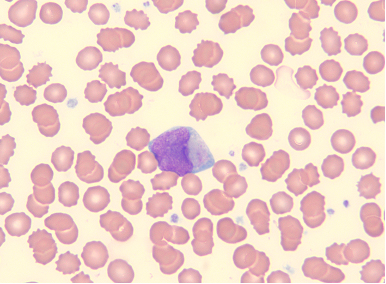
Figure 5. Acute promyelocytic leukemia (APL) for comparison.
Resources
- DiNardo CD, Erba HP, Freeman SD, Wei AH. Acute myeloid leukaemia. Lancet. 2023;401(10393):2073-2086. doi:10.1016/S0140-6736(23)00108-3.
- Küley-Bagheri Y, Kreuzer KA, Monsef I, Lübbert M, Skoetz N. Effects of all-trans retinoic acid (ATRA) in addition to chemotherapy for adults with acute myeloid leukaemia (non-acute promyelocytic leukaemia). Cochrane Database Syst Rev. 2018;8:CD011960. doi:10.1002/14651858.CD011960.pub2.
- Castoldi GL, Liso V, Specchia G, Tomasi P. Acute promyelocytic leukemia: morphological aspects. Leukemia. 1994;8(9):1441-1446.
- Ally F, Chen X. Acute myeloid leukemia: diagnosis and evaluation by flow cytometry. Cancers (Basel). 2024;16(22):3855. doi:10.3390/cancers16223855.
- Patel JP, Gönen M, Figueroa ME, et al. Prognostic relevance of integrated genetic profiling in acute myeloid leukemia. N Engl J Med. 2012;366(12):1079-1089. doi:10.1056/NEJMoa1112304.
- Wang R, Gao X, Yu L. The prognostic impact of TET2 mutations in patients with acute myeloid leukemia: a systematic review and meta-analysis. BMC Cancer. 2019;19(1):389. doi:10.1186/s12885-019-5602-8.
- Suárez EU, Atencia CJ, Torres-Saavedra FA, et al. The effects of PHF6 gene mutation on myeloid neoplasms: a single-center cohort underpinned by a systematic review of the literature. Ann Hematol. 2026;105(3):77. doi:10.1007/s00277-026-06766-y.
- National Comprehensive Cancer Network. NCCN Clinical Practice Guidelines in Oncology: Acute Myeloid Leukemia. Version 3.2026. Accessed April 11, 2026. https://www.nccn.org