
News & Resources
News & Resources
Resources
Tools
My NCBI MyBibliography - a tool within My NCBI where you can save, list, and share your publications.
eRA Commons ID - an online research profile that is required to produce a NIH biosketch for grant applications and awards.
ScienCV - an online research profile that is required to use to produce a NIH biosketch for grant applications and awards.
ORCID ID - a unique digital identifier for each researcher. Links to MyNCBI. Required by sponsors, journals, and universities to identify your research.
How to Resource
Find instructions within for the following:
- Sign into MyNCBI account
- Create MyBibliography
- Create eRA Commons ID
- Create NIH Biosketch using ScienCV
- Register for ORCID ID
- Link ORCID ID with eRA commons, MyNCBI, and ScienCV
Awards
Recent Awards to Surgery Research Faculty
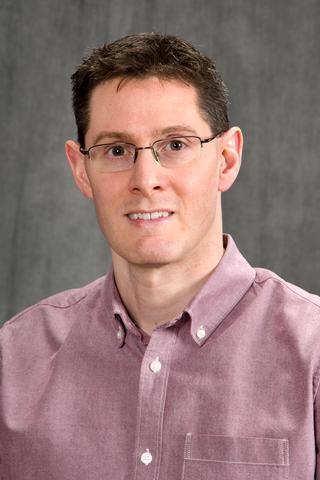 Award: NIH R01 R01CA300076-01A1 2026-2031
Title: Targeting T Cell Dynamics with IL12mRNA Nanotechnology-Enhanced SBRT to Overcome Immune Suppression in Pancreatic Cancer
PI: Dr. Scott Gerber
Description:
Pancreatic cancer remains a lethal malignancy resistant to most therapies, however we have discovered a preclinical strategy that results in the complete elimination of this difficult-to-treat cancer. The combination of radiotherapy followed by a mRNA-mediated immunotherapeutic induces a profound immunostimulatory cascade within the tumor microenvironment, which can now support potent antitumor T cell immunity. This application will investigate three distinguishing features that drive the unprecedented response we observe against pancreatic cancer.
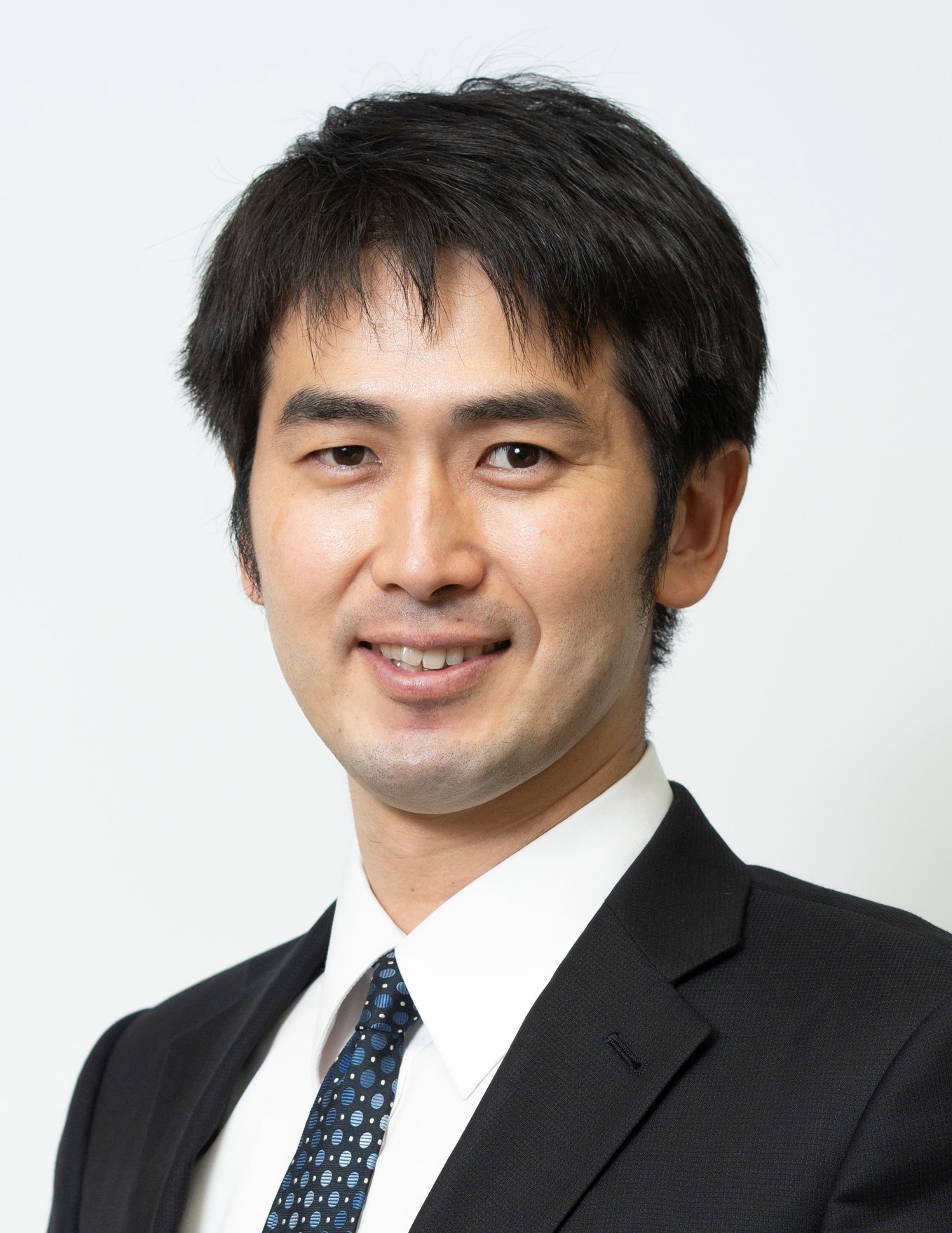 Award: 2026 International Liver Transplantation Society Clinical Research Grant
Title: Utilization of circulating tumor DNA for patient selection for transplant and early detection of disease recurrence post transplant for unresectable colorectal liver metastases
PI: Dr. Yuki Bekki
Description:
For patients with unresectable colorectal liver metastases (uCRLM), systemic therapy offers poor long-term survival. Liver transplantation (LT) has emerged as a viable option, with recent trials demonstrating 5-year survival exceeding 50%. However, disease recurrence after LT remains common, highlighting the need for improved patient selection and post-transplant surveillance. This project proposes a multi-institutional, prospective study to evaluate circulating tumor DNA (ctDNA) as a biomarker to optimize LT selection and post-transplant surveillance for uCRLM. Pre-transplant ctDNA will be collected from peripheral, portal, and hepatic veins as ctDNA concentrations may vary across vascular compartments. While ctDNA serves as a molecular cancer biology marker, metabolic tumor volume assessed via positron emission tomography acts as a functional imaging biomarker. Combining pre-transplant ctDNA with radiologic criteria will enhance risk stratification and patient selection, while serial post-transplant ctDNA surveillance will enable early detection of recurrence, particularly critical in immunosuppressed transplant recipients. Leveraging the University of Rochester Medical Center’s high-volume living donor LT program and the established Rochester Protocol for uCRLM, this multi-institutional study will establish evidence-based strategies for transplant selection, surveillance, and post-transplant management in uCRLM, informing future guidelines in transplant oncology.
Award: 2026 American Liver Foundation (ALF) Pilot Research Award
Title: A Precision Biomarkers for Liver Transplant Selection and Outcomes in Unresectable Colorectal Liver Metastases
PI: Dr. Yuki Bekki
Description:
Colorectal cancer is the third most common cancer worldwide and a leading cause of cancer death. The liver is the most frequent site of metastasis, and patients with unresectable colorectal liver metastases (uCRLM) have poor outcomes. Liver transplant (LT) has emerged as a promising option for selected patients. Our institution advanced this field through the Rochester Protocol, refining selection criteria and establishing the largest North American transplant experience for uCRLM. We previously reported 91% 3-year survival in eligible patients, though only 11.2% qualified for LT. Recurrence remains high (up to 50%), highlighting the need for improved biologic risk prediction. Current selection relies on imaging and clinical features that incompletely reflect tumor biology. This underscores the need for molecular biomarkers. Circulating tumor DNA (ctDNA) reflects tumor-derived DNA in blood and may capture tumor burden and evolution, but its role in LT for uCRLM is not defined. The tumor immune microenvironment (TIME), including immune and liver-resident cells surrounding cancer cells, shapes tumor behavior. However, the TIME in patients with uCRLM who proceed to LT remains unknown, and these patients have undergone different treatment algorithms than patients who proceed to liver resection. We hypothesize that longitudinal ctDNA dynamics and spatial immune patterns within the TIME correlate with recurrence after transplant in uCRLM. We will leverage our transplant program, tissue repository, and systems immunology expertise to integrate serial ctDNA with spatial profiling of liver explants to characterize immune–tumor architecture to map immune subpopulations and spatial organization that predict recurrence post-LT. This study will generate a biologically informed framework for prediction of post-LT recurrence in patients with uCRLM by integrating ctDNA and tissue immune profiling to improve outcome prediction and enable more precise, personalized transplant care.
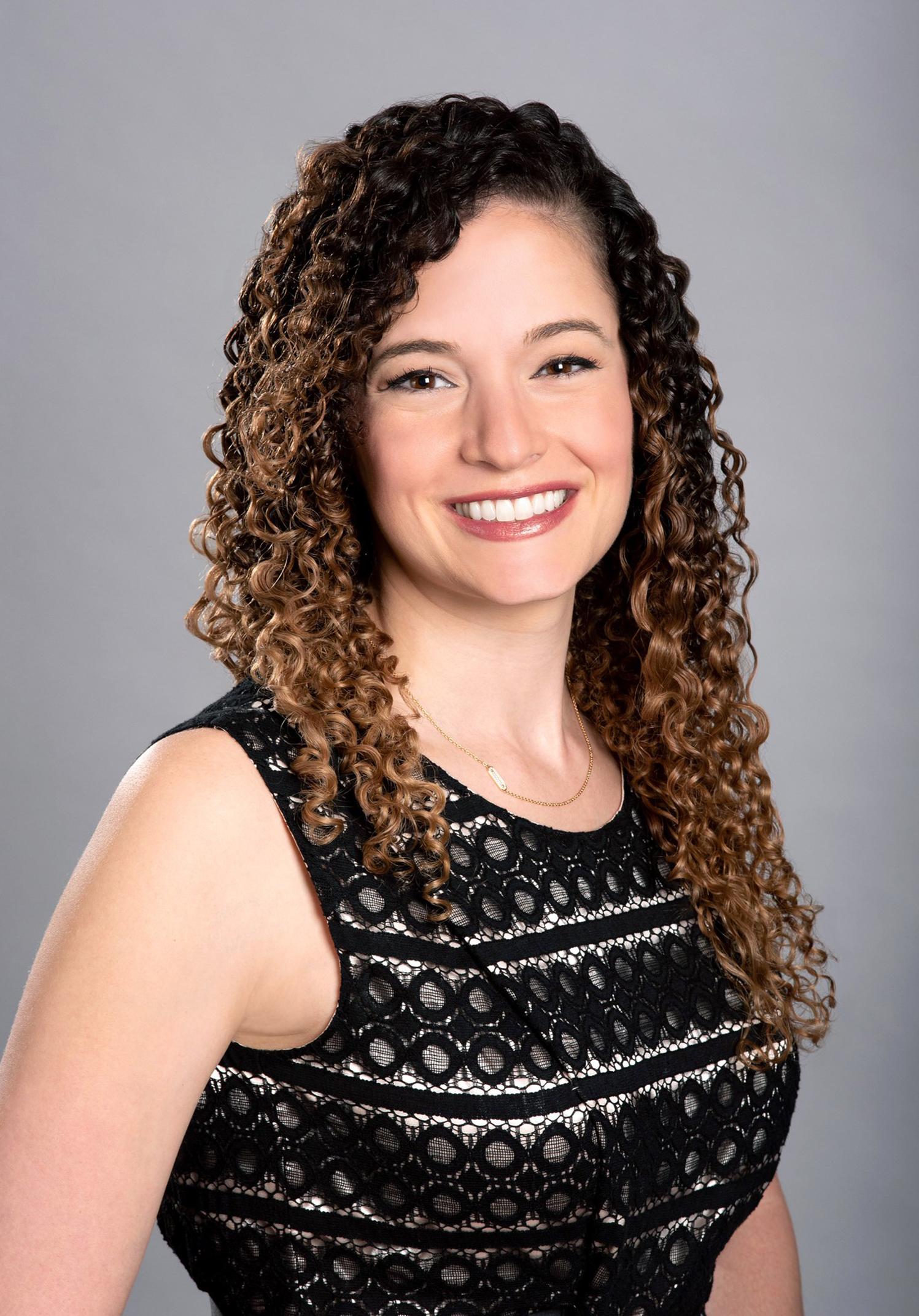 Award: 2026 Society of Surgical Oncology (SSO) Young Investigator Award
Title: Evaluating the Impact of Slit 1 Expression in Pheochromocytoma and Paraganglioma Metastases
PI: Dr. Alessandra Moore
Description:
Pheochromocytomas and Paragangliomas (PPGLs) are related tumors caused by the cells that make adrenaline and similar hormones. Unfortunately, there is no way to determine which PPGL is at risk for metastasis, nor are there any effective treatments once it has spread. As a result, patients with PPGLs are committed to lifelong imaging and surveillance for cancer, and when they develop metastases, they are likely to succumb and die. Our central hypothesis is that a marker of progenitor cells, Slit1, plays a critical role in PPGL biology and can be targeted to improve clinical outcomes in patients with PPGL metastases.
 Award: 2026 UR-CTSI Translational Science Scholar Award
Title: A Novel and Dynamic Cardiopulmonary Assessment for Preoperative Evaluation in Lung Cancer
PI: Dr. Paul Feingold
Description:
This collaborative study with the Department of Pulmonology aims to improve our understanding of how patients will breathe and feel after lung surgery. We propose using a simple walking test combined with heart rate and breathing measurements, rather than relying only on traditional pulmonary function testing. We hope this project will provide more sensitive risk stratification for our surgical patients and also demonstrate the functional advantage of sublobar resections (such as wedge or segmentectomy) over lobectomies.
Award: 2026-2028 American College of Surgeons Faculty Research Fellowship
Title: Investigating the Mechanism of Epinephrine-Induced Dermal Fibroblast Progenitor Cell Depletion and Delayed Wound Healing
PI: Dr. Alessandra Moore
Description:
This proposal studies delayed and disordered wound healing, which remains a major source of morbidity for surgical patients. The proposal addresses a major knowledge gap by uncovering how chronic stress—specifically mediated by epinephrine—impairs healing by affecting dermal fibroblast progenitor cells (DFPs), which are essential for skin regeneration. Dr. Moore's research findings reveal a mechanistic link between stress hormone exposure and impaired surgical wound healing and will guide the development of targeted interventions to improve outcomes for patients experiencing unexpected, stress‑related delays in healing and recovery.
 Award: Congressionally Directed Medical Research Program (CDMRP) 2025 Breast Cancer Research Program (BCRP) Clinical Research Extension Award
Title: Long-Term Follow-Up of the Comparison of an Operation to Monitoring, With Option of Endocrine Therapy (COMET) Study
PI: Dr. Anna Weiss (Partnering PI through Alliance NCTN Foundation)
Description:
The Principal Investigators (Dr. Anna Weiss from the University of Rochester and Dr. Shelley Hwang from Duke University) of this application propose to determine whether active monitoring (AM) is noninferior to guideline concordant care (GCC) for low-risk ductal carcinoma in situ (DCIS) with long-term follow-up. The project’s specific aims are (1) to determine with long-term follow-up whether the ipsilateral invasive cancer rate for AM is noninferior to that for GCC, (2) to build and validate mammogram-based qualitative and machine learning models for invasive progression using baseline and longitudinal breast imaging data, and (3) to profile genome-wide methylation status in DCIS and correlate with outcome to construct a methylation-based prediction model for long-term risk of developing invasive breast cancer.