

ASCEND Training Program
ASCEND Training Program
People with intellectual and developmental disabilities (I/DD) often have worse healthcare experiences and outcomes compared to people without disabilities. The Advancing Supportive Care through Education for Nurses about Disabilities (ASCEND) program is a nurse training program designed to empower nurses to effectively care for children and adults with I/DD in the hospital. Developed by disability advocates, nurses, and providers, ASCEND educates nurses on attitudes and barriers to care, medical comorbidities, adapted nursing care environments, mental health, and managing a crisis. The ASCEND program is available to hospitals at no cost.
By the Numbers
2100+
Staff Completed Online Modules
200+
Participants in Simulations
Program Structure
ASCEND includes two tiers that are built upon each other. External partners looking to implement ASCEND at their organization can choose to implement only Tier 1 or both Tiers 1 and 2.
Tier 1: Online Modules
The online modules consist of five 20-minute videos that include educational information, advocate and nurse interviews, and interactive activities. These modules can be made available at no cost through any Learning Management System.
The online modules feature:

Educational information
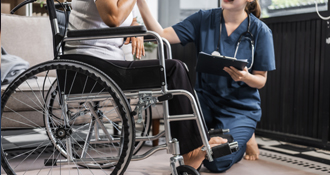
Advocate and nurse interviews

Interactive activities
Tier 2: Simulation Experience
Simulations include in-person clinical encounters with standardized patient actors. Nurses will rotate through three scenarios involving a patient with I/DD in different inpatient/ED settings. Following each case, expert facilitators provide immediate feedback through a structured debrief.
Our Success So Far
Nurses who completed ASCEND reported:

Improved comfort providing clinical services to people with IDD

Improved disability-specific knowledge

Improved perceptions of organizational climate supporting use of adapted care
Online Module Participant Evaluation
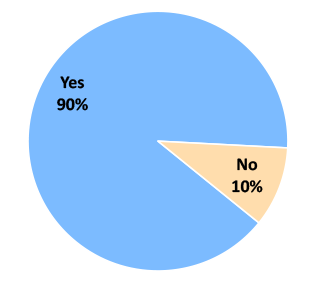
90% of online module participants were likely to change their behavior or practice in terms of knowledge, skills, and/or attitude based on participation.
Simulation Participant Evaluation
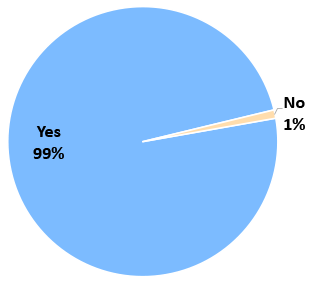
99% of simulation participants were likely to change their behavior or practice in terms of knowledge, skills, and/or attitude based on participation.
Feedback from Nurses
This project was supported, in part by grant number 2401NYSCDD from the U.S. Administration for Community Living, the Department of Health and Human Services, Washington, D.C. 20201 through the New York State Council on Developmental Disabilities (NYS CDD). Grantees undertaking projects with government sponsorship are encouraged to express freely their findings and conclusions. Points of view or opinions do not, therefore, necessarily represent official ACL policy or the opinions, interpretation, or policy of the NYS CDD.