Adult Congenital Heart Disease
Make Appointments & Get Care
What is Congenital Heart Disease?
Congenital heart disease (CHD) refers to defects in the heart, its valves, or its arteries that are present from birth. Fetal congenital heart disease is caught during pregnancy. Adult congenital heart disease is when people go through adolescence or adulthood before ever knowing they have this condition.
Congenital heart defects are some of the most common birth defects, but CHD can be discovered and treated in any phase of life. Years ago, babies born with heart defects often didn’t survive. But thanks to medical and surgical advances, many people who have congenital heart disease now live far into adulthood.
No matter when it's diagnosed, anyone living with congenital heart disease needs highly specialized care to stay healthy.
What to Expect from the Adult Congenital Heart Disease
At University of Rochester Medicine’s Congenital Heart Disease Program, our surgeons specialize in the most effective surgical procedures for correcting these conditions. This includes treatments for adult patients to provide greater potential for a long, healthy life.
Some procedures we specialize in include:
- Widening an aorta to treat coarctation (narrowing in the aorta).
- Repairing or closing ventricular or atrial septal defects and atrioventricular valves.
- Stretching or widening the pulmonic valve and closing a ventricular septal defect to correct the condition known as tetralogy of fallot.
- Moving the great arteries and coronary arteries back to their normal position to cure transposition of the great arteries.
Our surgeons also perform congenital heart surgery to make patients feel more comfortable. Some common procedures include:
- Blalock-Taussig procedure, in which the surgeon inserts a tube to connect the aorta to the pulmonary artery to increase the flow of blood to the lungs.
- Fontan procedure, which helps patients who have a single ventricle by allowing deoxygenated blood flow into the lungs, avoiding the heart, so the ventricle can pump oxygenated blood.
- Pulmonary artery band, in which a band is placed around the pulmonary artery to restrict the flow of blood to the lungs.
Patient Stories
Her Heart Stopped
Brynn Taylor was born with a rare, life-threatening heart defect. Weighing just 2 pounds at birth, Brynn would need to wait until she weighed 5 pounds to have open-heart surgery at University of Rochester Medicine Golisano Children's.
Overcoming a Congenital Heart Defect
Rusty Lawrence was born with a congenital heart defect. Doctors didn't expect him to live past the age of three. By age 43, Rusty was dying of congestive heart failure. His only hope was a heart transplant.
What Sets Us Apart?
Heart care includes much more than surgery. URochester Medicine Cardiac Care leads the Rochester metropolitan area and surrounding region in the number and scope of specialized services.
Patients receive specially tailored care through our Congenital Heart Disease Program. It is unique to Upstate New York, featuring:
- A team that works closely with pediatric cardiologists to provide the specialized care needed.
- Tools and guidance to help patients stay healthier by optimizing medications and factoring in other problems such as high blood pressure or arrhythmia.
- Sonographers specially trained in imaging of hearts affected by congenital defects.
- Collaboration with surgeons to plan for future surgeries when needed.
- Close connections to research that can provide our patients with access to new treatments that may not be available anywhere else.
Our team of experts includes vascular and endovascular surgeons, cardiovascular surgeons, interventional cardiologists, and cardiovascular imaging specialists.
Providers
Locations
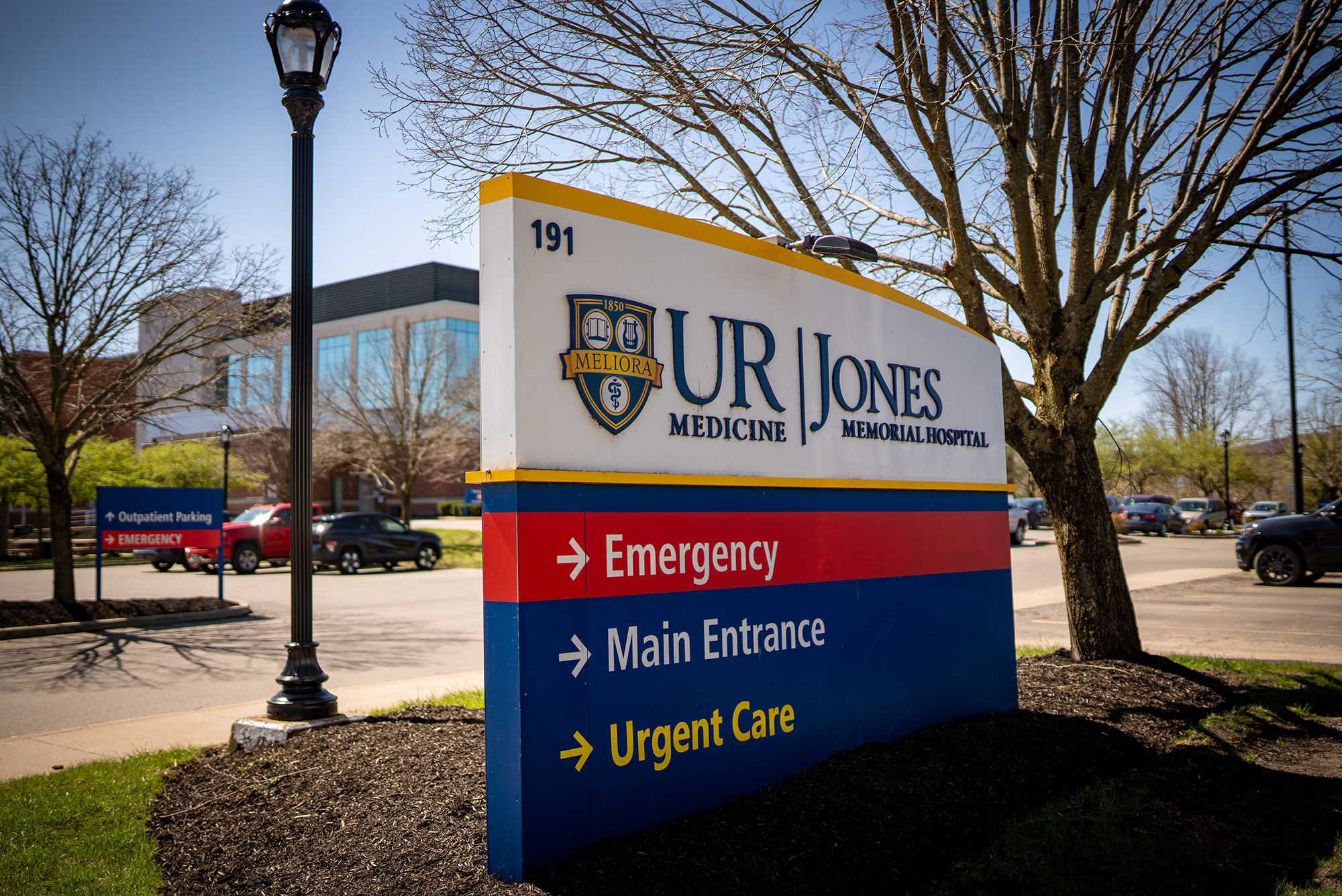
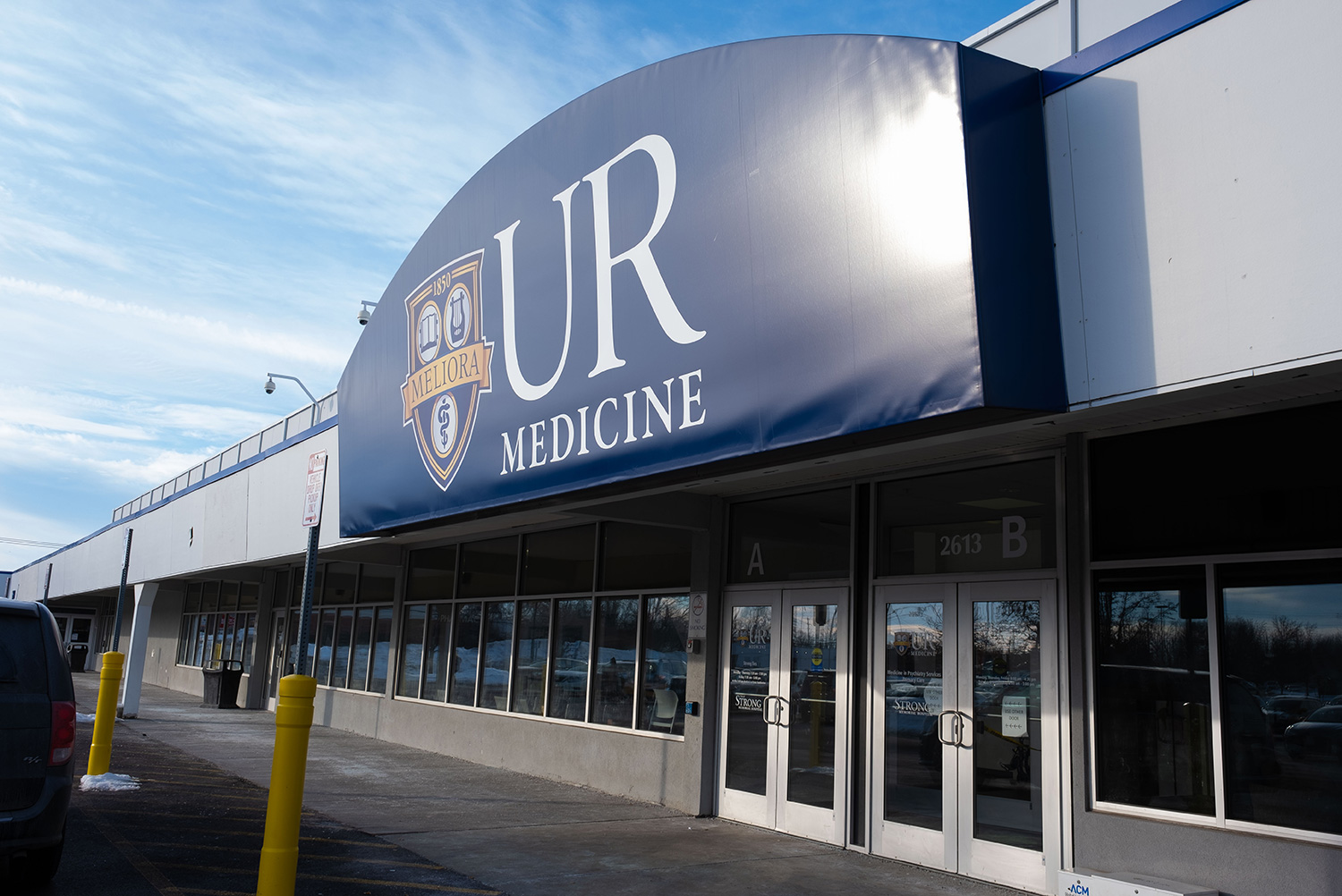
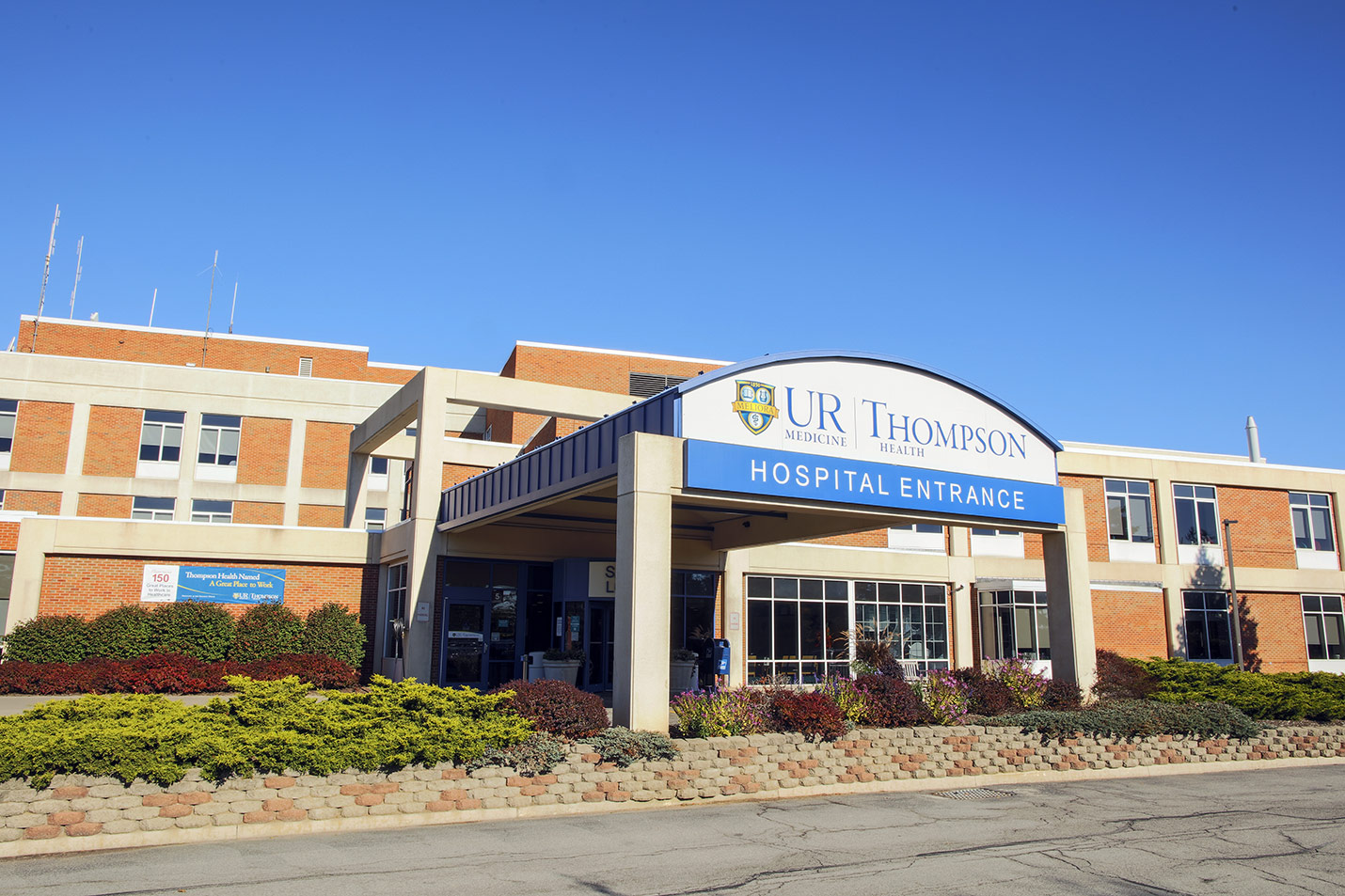
View All LocationsWe serve you in the Rochester metropolitan area and surrounding region. Locations are ordered by distance, with those closest to listed first.
22 locations








Related Services & Conditions
- Aortic Stenosis
- Bicuspid Aortic Valve
- Cardiac Rehabilitation
- Coronary Artery Bypass Grafting
- Hypertrophic Cardiomyopathy (HCM)
- Septal Defect
- Obesity & Weight Loss
- Pulmonary Hypertension
- Inpatient Acute Rehabilitation
- Fetal Congenital Heart Disease
- Pediatric Sleep Medicine Services
- Heart Failure
- Heart Transplant
- Cardiology
- Gastroenterology & Hepatology
- Palliative Care
- Surgery
- Pediatric Cardiology
- Pediatric Palliative Care