Postpartum Depression
What is Postpartum Depression?
Postpartum depression (PPD) is a serious mental health condition that affects many new mothers after childbirth. It is one type of perinatal depression, a broader term that includes depression that occurs during pregnancy and after delivery.
Unlike the "baby blues,” which typically resolves within two weeks after birth, postpartum depression involves more intense, persistent symptoms that may make it hard to care for yourself or your baby.
Perinatal depression is common and treatable. With the right support, most people experience significant improvement and go on to thrive during pregnancy, postpartum, and beyond.
What Are the Symptoms of Postpartum Depression?
Postpartum depression often develops within the first few weeks to months after childbirth, but it can happen anytime within the first year. You might experience:
- Persistent sadness or feelings of emptiness
- Loss of interest in activities you once enjoyed, including bonding with your baby
- Extreme fatigue or loss of energy
- Sleeping too much or inability to sleep(even when your baby sleeps)
- Appetite changes or major weight fluctuations
- Difficulty concentrating or making decisions
- Feelings of anxiety, worthlessness or guilt
If you're experiencing these symptoms, know you're not alone. Our experts unite clinical excellence with deep compassion to support you and your family through postpartum depression.
What Causes Postpartum Depression?
- Hormonal changes: The dramatic drop in estrogen and progesterone after delivery can trigger mood changes
- Physical recovery: Healing from childbirth while managing sleep deprivation creates additional stress
- Emotional adjustment: The transition to parenthood brings significant life changes
- History of depression: Previous mental health challenges can increase risk
- Lack of support: Limited help from partners, family, or community
- Birth complications: Difficult deliveries or health concerns for mother or baby
How Long Does Postpartum Depression Last?
Postpartum depression doesn't follow a fixed timeline, which is why early treatment matters. Without support, symptoms can persist for months or years. But postpartum depression is highly treatable, and with the right care, most people see significant improvement within weeks to months.
What is Perinatal Depression?
Perinatal depression refers to depression that happens during pregnancy or within the first year after childbirth. It includes both prenatal depression (before birth, sometimes called antenatal depression) and postpartum depression (after birth).
Many people associate depression with the postpartum period, but symptoms can begin months before a baby is born. Depression during pregnancy can affect your emotional well-being, physical health, and ability to prepare for parenthood.
When to Seek Help for Perinatal and Postpartum Depression
You don't have to wait until after birth to seek support. Seeking support before or during pregnancy can improve your well-being and may reduce the risk of developing more severe symptoms after delivery. In fact, research from the U.S. Preventive Services Task Force shows that counseling and support during pregnancy can significantly reduce the risk of postpartum depression.
Good days and bad days are normal—especially just after having a child. If you have more bad days than good, it could be time to reach out to your provider.
Seek immediate help if you experience the following for more than two weeks:
- Thoughts of harming yourself or your baby
- Severe anxiety or panic attacks
- Inability to care for yourself or your baby
- Hallucinations or delusions
Planning for Pregnancy and Mental Health
If you have a history of depression, anxiety, bipolar disorder, or another mental health condition, planning ahead can help you feel more confident before, during, and after pregnancy.
Our specialists work with patients who are:
- Planning a pregnancy
- Currently pregnant
- Newly postpartum
- Considering medication changes before conception
- Managing depression or anxiety while trying to conceive
Support is available through our Perinatal Consultation and Menopause Clinic and our Mental Health and Gender Wellness Program.

Specialized Postpartum Mental Health Care
Postpartum depression is common, treatable, and nothing you have to face alone. The Perinatal and Menopausal Consultation Clinic (PMCC) provides specialized psychiatric evaluation, consultation, and treatment to help you recover and feel like yourself again.
Treatments for Postpartum Depression
University of Rochester Medicine offers comprehensive, evidence-based treatments for postpartum depression, including:
Therapy and Counseling
Therapy creates a safe space to process the complex emotions that come with postpartum depression—and to build skills that help you move forward.
Our specialists offer evidence-based approaches tailored to your needs, including:
- Cognitive Behavioral Therapy (CBT): Helps you identify and shift negative thought patterns that fuel depression
- Interpersonal Therapy (IPT): Focuses on improving relationships and communication during this major life transition
- Connects you with other mothers navigating similar challenges, so you know you're not alone
- Partner and family therapy: Strengthens your support system by helping loved ones understand what you're experiencing and how they can help
Medication
Antidepressant medications can be a powerful tool in treating postpartum depression—and finding the right one makes all the difference.
Our specialists work closely with you to identify medications that fit your unique needs, health history, and circumstances. We'll discuss options that are safe for breastfeeding, explain what to expect, and monitor your progress to ensure the treatment is working.
Medications commonly prescribed to help with PPD include:
- SSRIs (Selective Serotonin Reuptake Inhibitors): Often the first choice for postpartum depression, these medications help regulate mood and are generally safe during breastfeeding
- SNRIs (Serotonin-Norepinephrine Reuptake Inhibitors): Another effective option that can help with both depression and anxiety symptoms
Most antidepressants take a few weeks to reach full effectiveness, but many patients begin to feel some relief within the first two weeks. We'll stay in close contact during this time to track your response and make any needed adjustments.
What About Breastfeeding or Lactating?
Many antidepressants are safe to use while breastfeeding. We'll help you weigh the benefits and risks so you can make an informed decision that supports both your mental health and your baby's well-being.
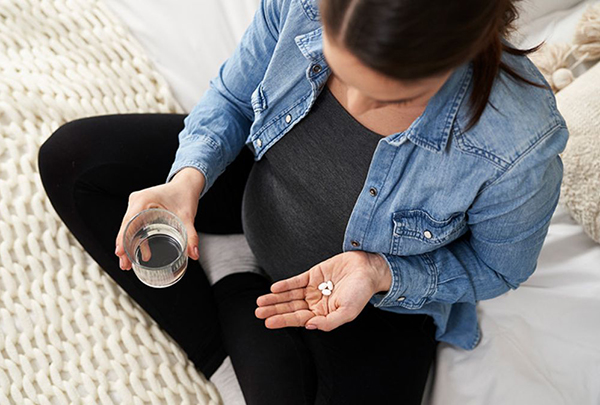
What Medications Are Safe to Take During Pregnancy?
Some pregnant people worry that taking medication could harm their baby, leading to tough choices and unnecessary stress. But you don’t have to choose between your health and your baby’s. Learn what’s safe, what’s not, and when to get your OB involved.
Zuranolone for PPD
In 2023, the FDA approved zuranolone (Zurzuvae)—the first oral medication specifically designed for postpartum depression. This groundbreaking pill offers rapid relief, with many patients experiencing improvement within days rather than weeks. Our specialists stay at the forefront of these advances, offering you access to the most innovative treatments available.
What Sets Us Apart?
Our specialists have extensive experience treating perinatal depression, postpartum depression, anxiety disorders, and other perinatal mood and anxiety disorders. As part of an integrated academic health system, our care is informed by the latest research and advances in maternal mental health.
URochester Medicine has the providers, facilities, and expertise to guide you through any prenatal or post-natal needs. Our Obstetrics and Gynecology Division is ranked among the top 25 in the country by U.S. News & World Report, and our providers are board-certified experts in complex family planning care.
You can expect coordinated, personalized care that addresses your physical, mental, and social well-being. Your multidisciplinary team—including obstetricians, psychiatrists, therapists, and nurses—will work together to deliver treatment tailored to your unique needs.
We offer extensive support services for new parents, including:
- Lactation support
- Sleep counseling
- Nutritional guidance
- Partner and family education
- Connection to community resources
Locations
View All LocationsWe serve you in the Rochester metropolitan area and surrounding region. Locations are ordered by distance, with those closest to listed first.
6 locations