Preparing for Surgery
Expert Guidance from University of Rochester Medicine’s Center for Perioperative Medicine
Overview
Your safety and comfort are our top priorities. Specialists from the Department of Anesthesiology and Perioperative Medicine and Center for Perioperative Medicine (CPM) are here to guide you through every step of your pre-surgery preparation.
Pre-surgical Screening
You'll be asked to complete a pre-surgical screening with CPM. This includes questions about your health history and current medications, and helps your care team plan the safest, most effective treatment for you. There are two ways to complete your pre-surgical screening:
- MyChart: This is the preferred and fastest method for us to get in contact with you. The screening form will be sent to you electronically for completion if you have a MyChart account. Once completed our screening nurses will review it and contact you with any questions.
- Telephone screening call: You will receive a phone call by one of our screening nurses over the phone to complete the screen. Answering this phone call will be helpful in reducing your time in the clinic.
You may need to meet with an anesthesia provider before surgery.
If you need to be seen, our scheduler will give you a call and arrange a convenient time to meet with a member of the anesthesiology team. If you are scheduled to come to the clinic, we encourage you to bring:
- A list of your medications
- A support person (friend, family, significant other)
Our Approach
The purpose of our perioperative service is to keep you safe before, during, and after surgery; we work towards this goal by providing these screenings and reducing your risks.
We will work in a multidisciplinary manner to help keep you safe; our work is made possible by our team of anesthesiologists and advanced practice providers coordinating with your surgical team, your subspecialists, and your primary care provider.
What to Expect at CPM
Pre-Surgical Screening On-site Evaluations
History Review: Including a review of surgical and medical history, any history of problems in anesthesia, allergies to medications and anesthetic agents, and current medications.
Cardiac Evaluation: May include imaging and assessing risk for cardiac problems during surgery.
Pulmonary: May assess lung function including chest X-rays.
Anesthesia Risk and Perioperative Planning: We will look at how you move your neck and open your mouth to help plan for your anesthesia care.
Anemia: We provide point of care testing to assess anemia, and we have an in-clinic iron infusion site if you are found to be needing iron supplementation.
Smoking: We advise you to quit smoking prior to surgery so that your body can recover quickly from surgery. If you need help with smoking cessation, we will provide resources.
Special concerns: We will be here to address any of your concerns regarding surgery.
Screenings and Services at CPM
Collaborative Assessment Risk and Evaluation (CARE) Pathway
CARE is a multidisciplinary screening program that we provide for patients so that you safety is prioritized before, during, and after surgery. These screenings help provide a risk assessment for:
- Malnutrition
- Frailty
- Cognitive dysfunction
- Depression
- Anemia
This program also evaluates and plans for these aspects of your well-being:
- Medication Reconciliation (we review the medications you are taking)
- Mobility (how do you get around to doing daily activities?)
- What Matters to You
- Advanced Care Planning (MOLST form, Health Care Proxy)
- What do hope to get out of undergoing surgery?
- What are your long term goals for after surgery?
Pediatric Perioperative Wellness Program
Whether you are a patient or someone who is supporting a patient during their perioperative journey, you know that having a surgical procedure can sometimes cause stress. By participating in the PPWP, you will have a chance to learn several mind-body techniques that have been shown to decrease the effects of stress on the body and can potentially make the process of having a procedure or surgery less difficult.
Some of the techniques included in this program:
- Self-Administered Auricular Acupressure
- Coherence Breathing using a HeartMath Inner Balance Biosensor
- Mindfulness and Guided Body Scans
- Aromatherapy
This program is open to patients 10-20 years old who are scheduled to have an invasive procedure or surgery and are interested in learning ways to improve their experience. The program includes:
- Participate in a live, small group session, where you will learn about how the body’s stress response system works and how you can control it. At this session, you will be introduced to, and be able to practice, several specific techniques that will teach your body to associate certain activities and actions with relaxation and calm.
- Practice any or all of the techniques at home as you approach the date of your procedure or surgery. We provide you with all of the materials you might need and a workbook to remind you exactly how to practice.
- Come for your procedure, where we will encourage you to use the techniques you have been working on at home during your time with us.
- Follow up with your surgeon or proceduralist and bring back any borrowed equipment. We will check in with you and get feedback about your experience with the program.
Additional Programs
- Anticoagulation program
- Anemia program
- Smoking cessation
- Complex spine
- Maternal Anesthesia Optimization Program
- Cardiopulmonary optimization
- Hospital Medicine Co-Management
What Sets Us Apart?
At URochester Medicine, surgical care goes far beyond the operating room. As part of a nationally recognized integrated academic medical health system, our Department of Surgery is committed to delivering exceptional outcomes, pioneering research, and compassionate care at every step. Our surgeons combine deep expertise with a strong focus on the patient experience—before, during, and after surgery.
The Department of Anesthesiology and Perioperative Medicine supports more than 66,000 anesthetic, clinic, and inpatient visits each year across 70+ surgical sites, 23 treatment rooms, and 33 intensive care beds. From routine procedures to complex cases, our perioperative team works seamlessly to ensure safe, personalized care.
This team is nationally ranked for NIH funding and receives major support from the FDA and other research partners. We provide first class training for the next generation of clinicians and researchers committed to improving patient outcomes.
We’re especially proud to be nationally recognized for our care of older adults. Our Center for Perioperative Medicine has been awarded the Age-Friendly Health System — Committed to Care Excellence designation by the Institute for Healthcare Improvement, in partnership with the John A. Hartford Foundation and other national leaders in senior care. As the older adult population continues to grow, we remain focused on early screening, risk reduction, and care models that meet their unique needs.
Locations
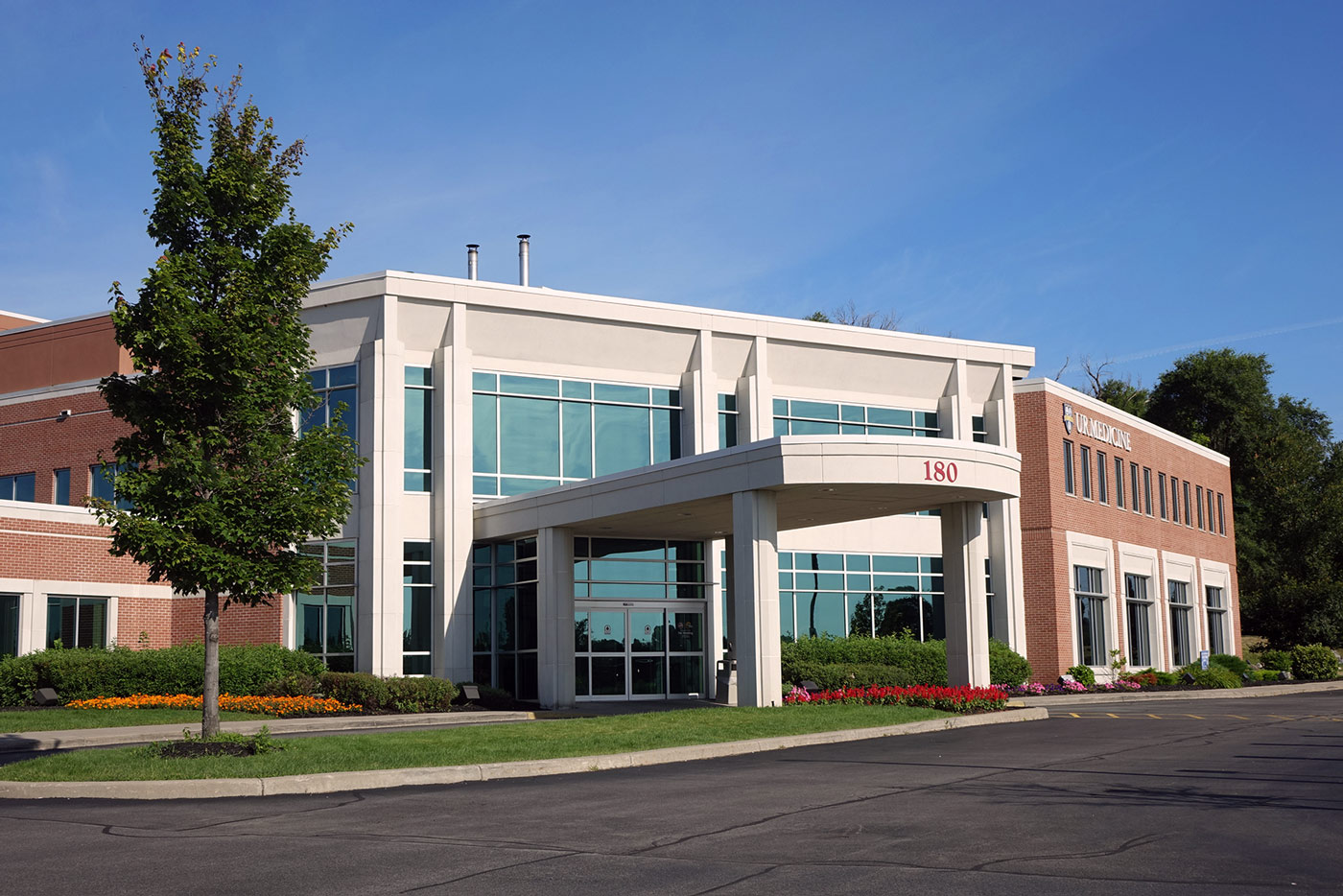
View All LocationsWe serve you in the Rochester metropolitan area and surrounding region. Locations are ordered by distance, with those closest to listed first.
1 location
Patient Education & Support
Day Of Surgery Arrival Time
Strong Memorial Hospital Main Operating Room: Call (585) 275-8256 between 2:30pm and 7:00pm the business day prior to surgery for arrival time.
Strong Memorial Hospital Second Floor Operating Room (example: ophthalmology): Call (585) 273-4361 between 2:30pm and 4:30pm the business day prior to surgery for arrival time.
Sawgrass Surgery Center: You will be contacted with your arrival time between 2:00pm and 5:00pm on the business day prior to your procedure. You do not need to call yourself, however, if you have questions, please call (585) 242-1401.
Strong West Surgical Center: You will be contacted with your arrival time between 3:00pm and 4:00pm on the business day prior to your procedure. You do not need to call yourself, however, if you have questions, please call (585) 758-8700.
Highland Hospital: You will be called between 1:30pm and 4:00pm to verify your arrival time. If your surgery is on Monday, you will be called the Friday before your surgery. If your surgery is the day after a holiday, you will be called the last business day prior to your surgery. However, if you have questions, the surgical center phone number is (585) 341-6707.
Additional Instructions
If you’re feeling sick before your surgery, call the pre-surgical center or contact your surgeon's office.
Your family will be directed to a waiting area when you are taken to surgery. We ask that only one or two family members (over the age of 14) accompany you on the day of your procedure. Additional visitor restrictions are possible. Your family will be notified when your surgery is completed, and you have arrived on the patient care unit.
You will not be allowed to drive yourself home from the surgical center or hospital. You will not be allowed to use a city cab, Uber, Lyft, or bus unless accompanied by an adult (age at least 18) who is responsible for you. It is also strongly recommended you have a responsible adult available to assist you for the first 24 hours after discharge.
If you are unable to find transportation, please call our office (585) 262-9150 to see what options may be available to you.
Preparing For Your Procedure
- Photo ID and insurance information.
- Eye glasses and/or hearing aids: These may be removed prior to surgery so be prepared to leave them with a trusted family member.
- Extra batteries for your hearing aids.
- Advance directives (if you have one)
- Court-issued guardianship document (for legal guardians)
- CPAP mask and machine (if you have sleep apnea).
- Support equipment if you have it (sling, knee brace, cane and walker)
- Crutches can be left in the car if only needed for after surgery.
- Loose-fitting clothing
- Dentures, hearing aids, glasses and other necessities
Do not bring the following:
- Before coming to the hospital, remove all makeup (including mascara), jewelry (including wedding band and watch), hair accessories and nail polish from toes and fingers.
- Do not bring any valuables (money, wallet, purse, jewelry, or contact lenses).
Jewelry/Piercings:
All jewelry and piercings need to be removed prior to your arrival. This includes your wedding ring and dermal piercings that normally require professional removal. These need to be removed prior to the day of surgery; otherwise, surgery may need to be cancelled. Jewelry presents a risk of injury during surgery and isn't always easy to remove in an emergency.
Most medications are ok to continue without problem however there are some medications you may be asked to stop prior to surgery. On the morning of surgery, take only the medications you are instructed to take. Contact your surgeon or the pre-surgical center with any questions.
- It is recommended that any herbal supplement, vitamin E or fish oil be stopped 7-10 days prior to surgery.
- Blood thinning medications can require specific instructions: please don’t decide by yourself - talk to us or your surgeon for assistance.
- Certain weight loss medications: please don’t decide by yourself - talk to us or your surgeon for assistance.
- Diabetes medications can require specific instructions; please don’t decide by yourself - talk to us or your surgeon for assistance.
If you smoke - QUIT. Quitting smoking is one of the best things you can do to help yourself. Quitting 6-8 weeks before surgery is the best time to quit. But don’t worry if you don’t have that much time - QUIT NOW. Ask your healthcare provider for help or call the Healthy Living Center at (585) 530-2050.
Follow your health care provider’s advice. Follow the medication recommendations and diet instructions prior to surgery to help us keep you safe.
Call if you have a fever or feel sick before surgery. Getting sick before surgery might mean your surgery should be delayed until you are better. Call your surgeon or the pre-surgery center if you have a fever, productive cough or chest congestion.
Take care of your health. Poorly controlled medical problems can cause longer stays in the hospital, infections and other problems. Talk to your primary care doctor if your blood pressure, blood sugar or other medical problems are not controlled.
Eat healthy. You need energy to heal. Good nutrition around the time of surgery will help you to heal well and have energy. Ask your health care provider if you need help with this.
Get adequate rest and exercise (unless your doctor has limited your activity).
Plan for your recovery. You may need a family member/ friend to help you at home with things like rides, meals, or cleaning. The amount of support you need can vary depending on your health and the type of surgery you are having. Ask your surgeon about any limitations you might have after surgery. Most people will be tired and need extra rest. We recommend you have an adult stay with you the first 24 hours after discharge if possible.
Get a Primary care doctor if you don’t already have one. View UR Medicine providers accepting new patients.
Follow these instructions below unless otherwise instructed by your surgeon or by the anesthesiology team. Failure to follow these instructions, could lead to a delay or cancellation of your procedure.
Adults: For Non-Bariatric Surgery
- No solid food after midnight the night before surgery. No candy, gum, mints or chewing tobacco.
- Stop all clear liquids 2 hours before surgery.
- Clear liquids include water, apple juice, clear sports drinks (Gatorade), clear carbonated beverages.
Adults: For Bariatric Surgery
Bariatric Surgery patients may not eat solid foods for 48 hours prior to surgery. Only clear liquids are permitted.
Children
- No solid food after midnight the night before surgery. No candy, gum, or mints.
- ONLY Clear liquids are ok up until 2 hours before surgery. Clear liquids include: Pedialyte, water or apple juice (without pulp).
Infants
- No infant cereal or other solid food after midnight prior to your child's procedure.
- Breast fed infants may have breast milk up to 4 hours before arrival.
- Formula fed infants can have formula up to 6 hours before arrival.
- Clear fluids are allowed up to three (3) hours prior to your child's procedure. This includes water, apple juice (without pulp), glucose water and Pedialyte. These are the only allowable fluids.