Shoulder & Elbow Replacement Surgery
Make Appointments & Get Care
Overview
The pain of osteoarthritis in your shoulder or elbow can force you to limit the activities you perform every day, from using your computer to carrying a bag of groceries. Daily, constant pain can even reduce your participation in social events and your time with family and friends.
At University of Rochester Medicine, your care team will include experts such as orthopaedic surgeons, nurse practitioners, physician assistants, and occupational and physical therapists.
By the Numbers

15,000+ Orthopaedic surgeries performed annually

200,000+ Orthopaedic visits each year
Call to schedule an appointment.
(585) 275-5321Our Approach
Arthritis Pain Management
Before it's time for joint replacement surgery, our Arthritis Non-operative Pain Management team can provide non-operative treatment options to reduce or eliminate your joint pain. We start with an individual assessment then we create a custom treatment program that's right for you. If you're not ready for a joint replacement, start with our non-operative orthopaedic doctors to help you get back to your favorite activities.
Types of Procedures
Our surgeons are all fellowship trained and specialize in joint replacements. We rely on the latest surgical approaches to get you back to your daily activities faster and with less pain.
Joint replacement surgery removes diseased or damaged bone in your elbow and replaces it with an artificial joint, with the goal of relieving pain, restoring motion, and returning you to an improved activity level.
Total Elbow Replacement
The elbow is a hinged joint made up of three bones:
- The humerus (upper arm bone)
- The ulna (forearm bone on the pinky finger side)
- The radius (forearm bone on the thumb side)
A total elbow replacement replaces all damaged parts of the humerus and ulna with artificial components. Both components are secured with stems that fit in the hollow shaft of your bones.
Total Shoulder Replacement
The shoulder is made up of three joints:
- Glenohumeral (a “ball and socket” joint that allows for mobility)
- Sternoclavicular (SC)
- Acromioclavicular (AC)
A total shoulder replacement is the most common shoulder replacement surgery. It replaces the ball at the top of your humerus with a metal ball fixed in the hollow shaft of the humerus. The glenoid socket is covered with a new plastic surface.
Reverse Shoulder Replacement
In this surgery, the location of the ball and socket are reversed. The metal ball is attached to your glenoid socket, and a cup is implanted at the top of your humerus.
What Sets Us Apart?
University of Rochester Medicine Orthopaedics & Physical Performance offers world-class medical and surgical support for patients experiencing joint pain and considering a joint replacement.
Fellowship Trained
Only we can you find all surgeons board certified and fellowship trained. Because of our surgeons advanced training and expertise, we treat the most complex medical conditions, including complicated revision surgeries.
Exceptional Experience
Our team will coach and care for you from preparation through recovery, with your recovery team by your side every step of your journey. At URochester Medicine you can expect:
- Advanced Care and Comfortable Environment
Our patients have access to the newest treatments and most advanced orthopaedic operating rooms. Our hospitals are easy to navigate and provide the compassionate care you expect. - Exceptional Outcomes and High Satisfaction
Our patients routinely give us high satisfaction ratings based on their outcomes and overall experience, which places your privacy and comfort as priorities. - Dedicated Anesthesia and Pain Management
The anesthesiologists specialize in joint replacement surgery and tailor medication protocols to each patient, helping you get back on your feet sooner and recover with fewer side effects.
Providers
Locations
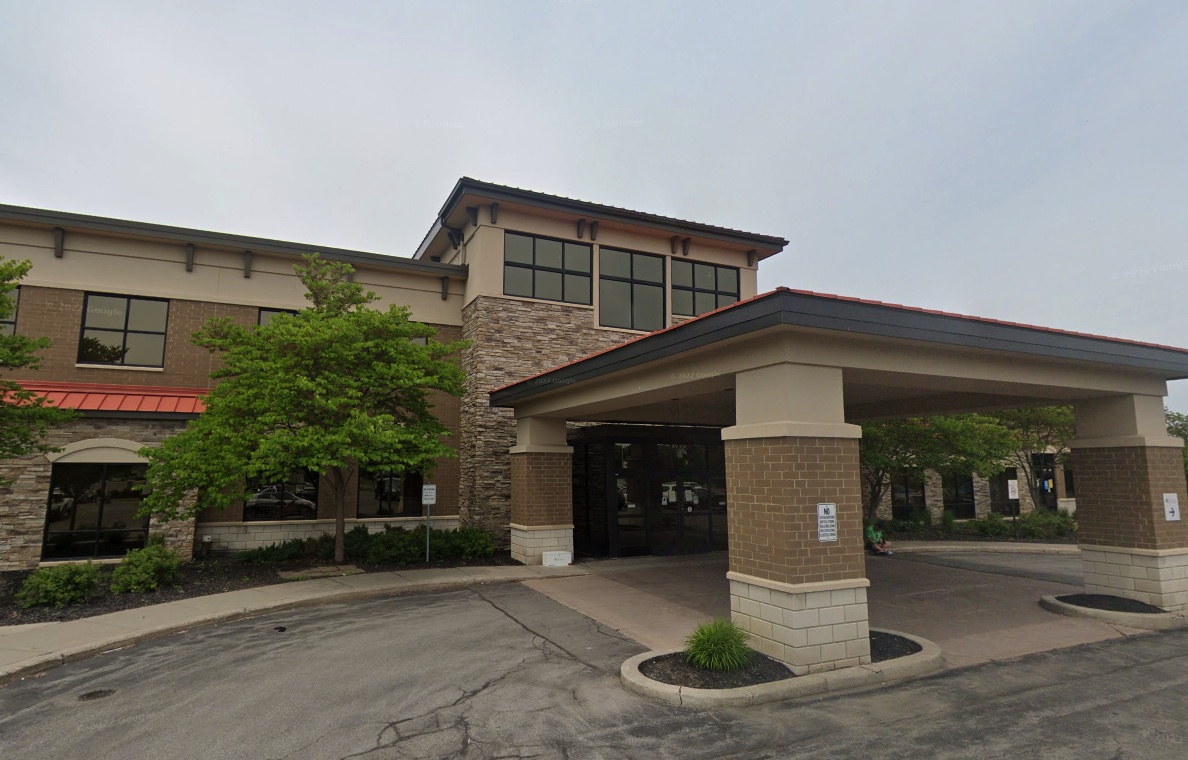
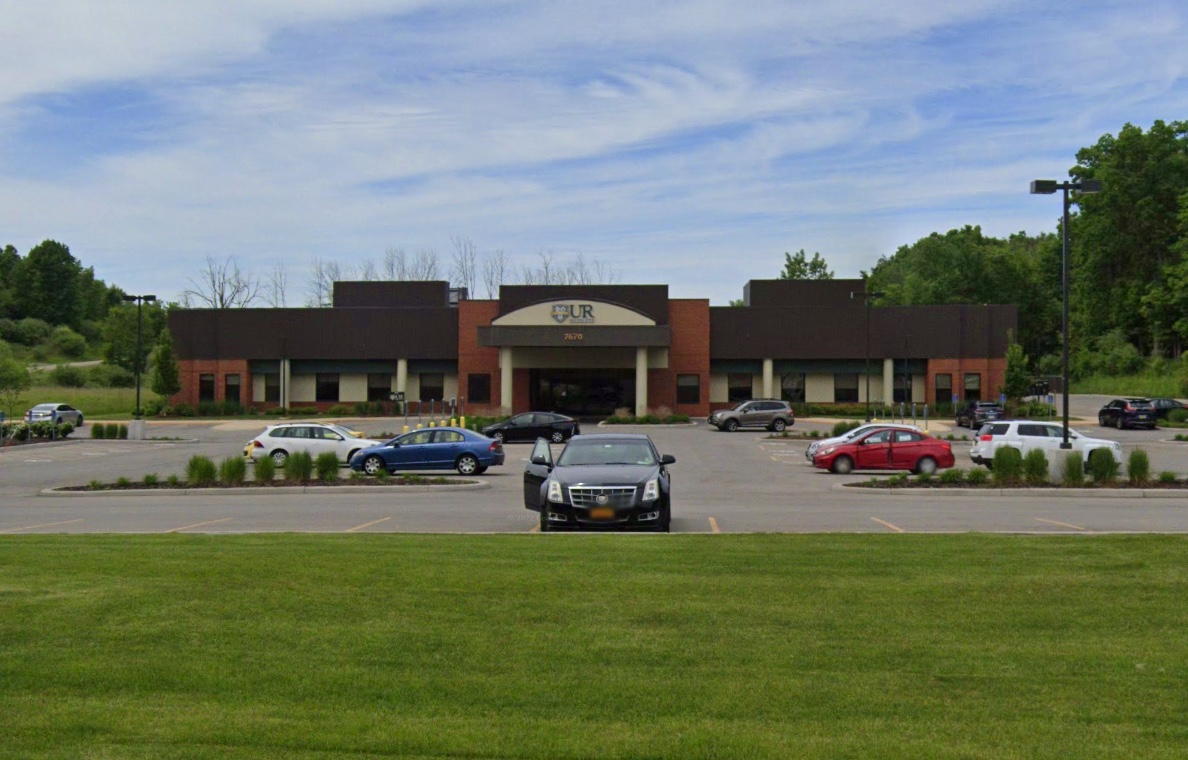
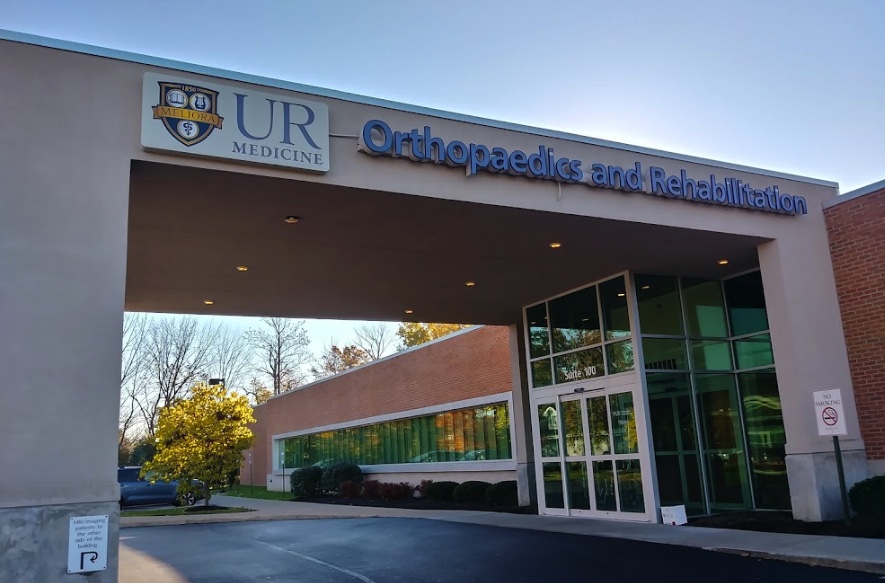
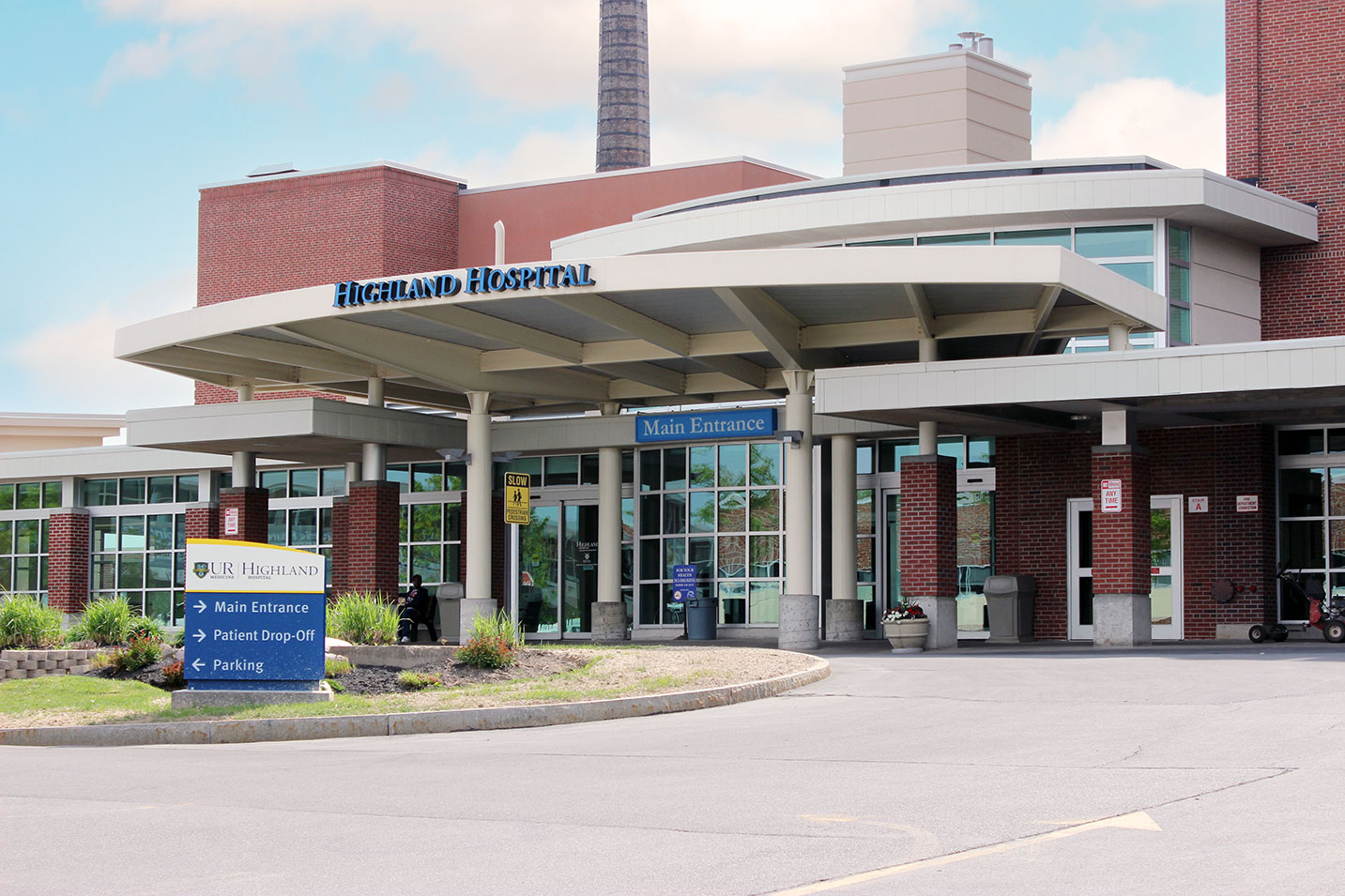
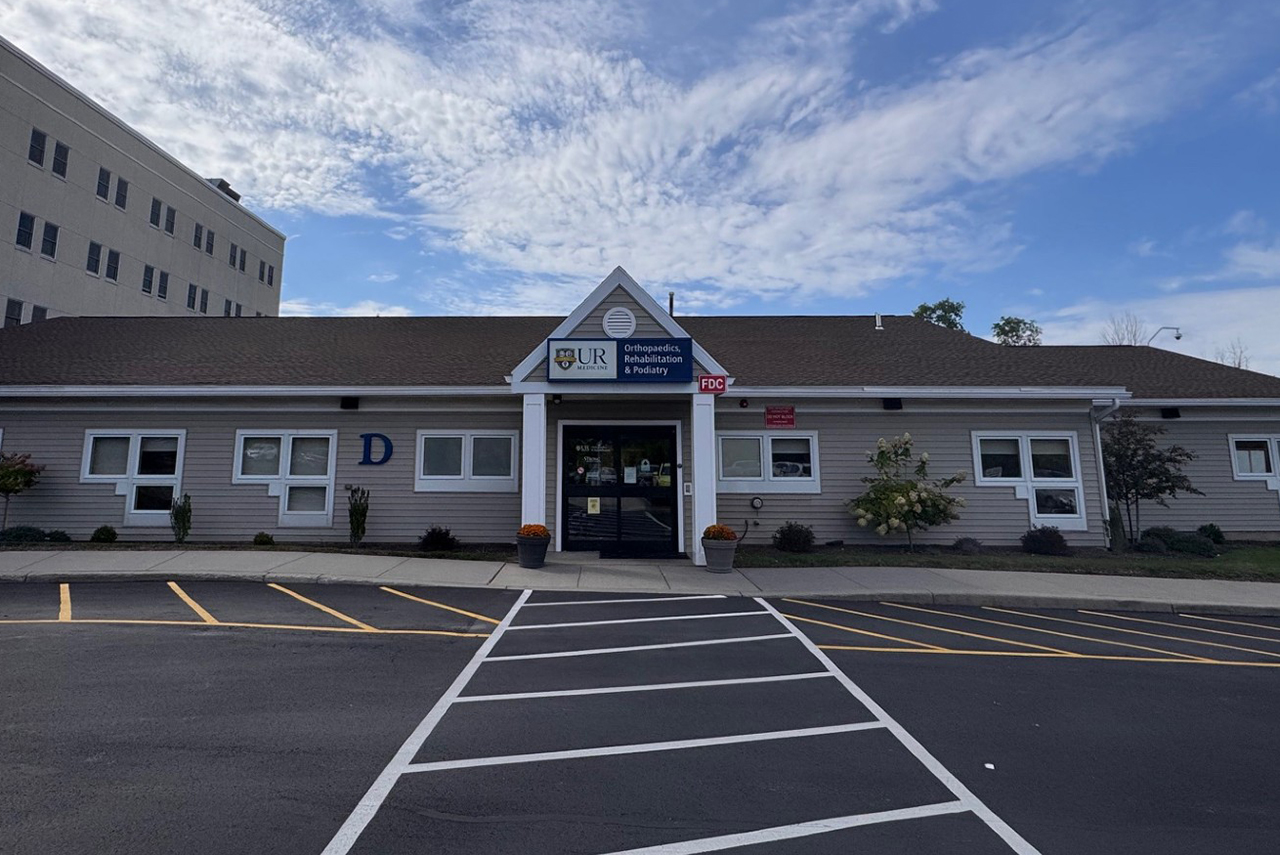
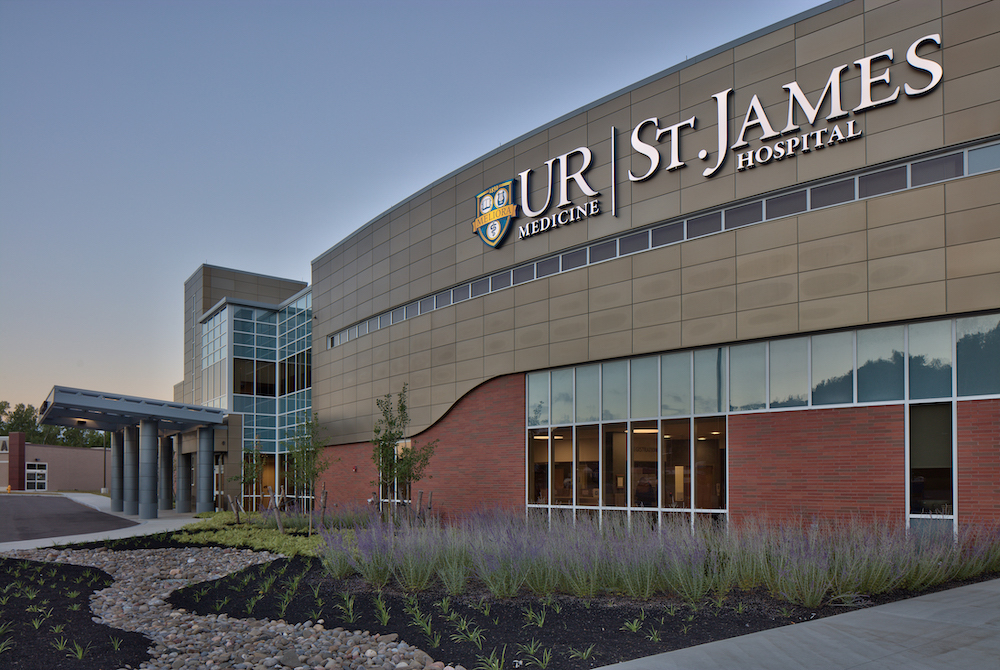
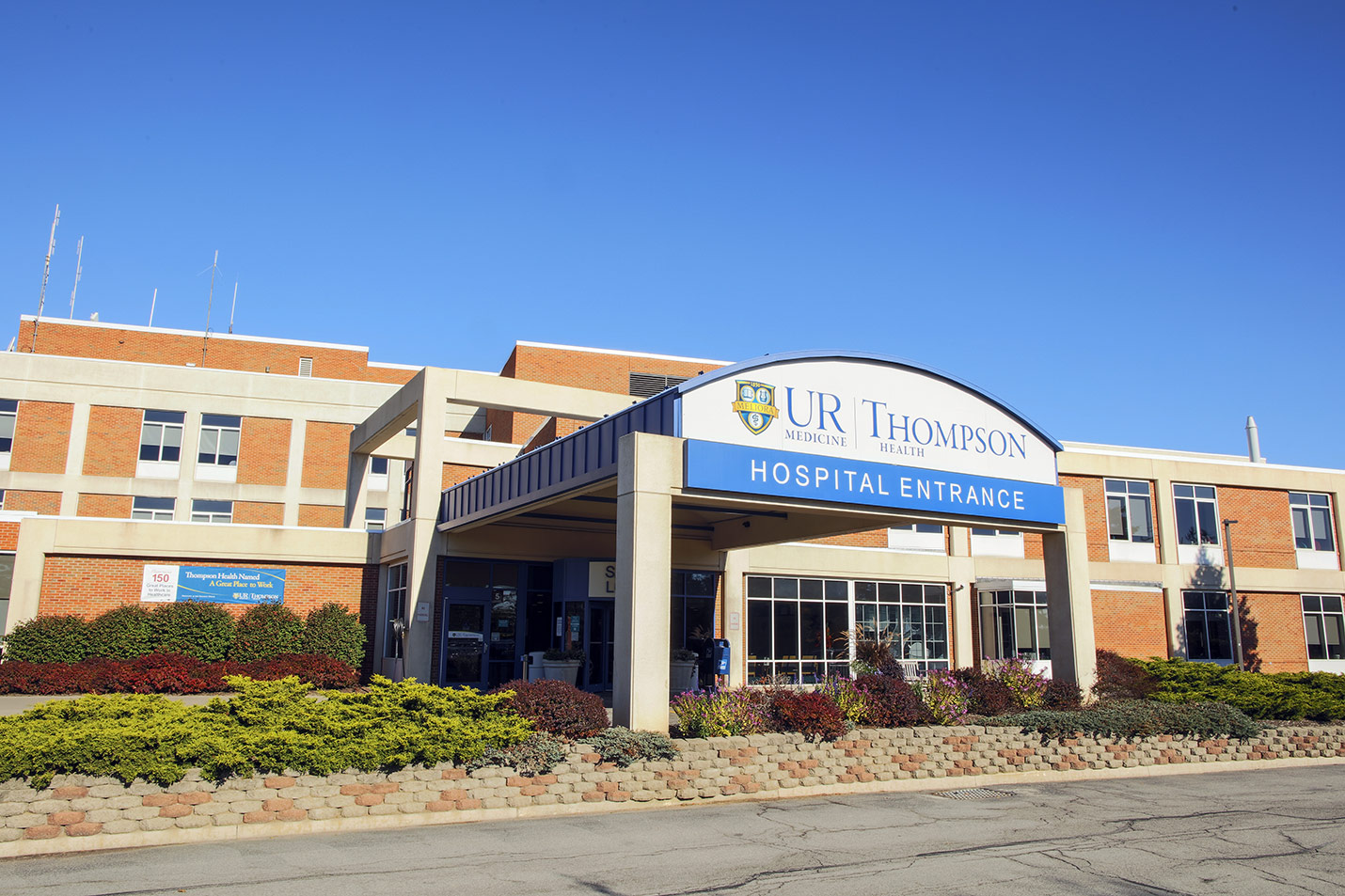
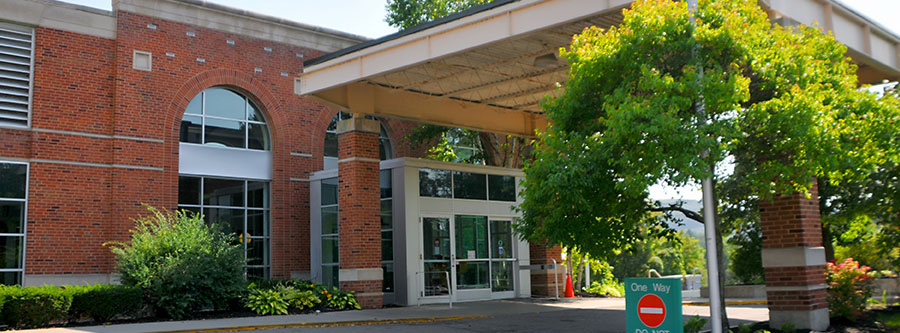
View All LocationsWe serve you in the Rochester metropolitan area and surrounding region. Locations are ordered by distance, with those closest to listed first.
12 locations



Patient Education & Support
During Surgery
Your time in surgery is about 2-3 hours. The time from the operating room to the postanesthesia care unit (PACU), where you will recover from anesthesia, is usually about 3-4 hours.
After Surgery
We prioritize effective pain medicine and strategies to ease post-operative discomfort. Your nurse will reassess your pain to ensure it is being appropriately controlled.
As a convenience, your discharge prescriptions may be filled at the hospital pharmacy. Your co-pays and price will be the same as at your home pharmacy, and we can easily send any refills there. Your list of medications can be found on your After Visit Summary or in MyChart.
Most patients will go directly home the day after surgery. A social worker will work with you to discuss your discharge, and your nurse will review your discharge instructions with you.
Recovery
Your Physical Therapists will:
- Teach and assist you to move
- Help to minimize your pain
- Promote independence
- Restore range of motion and strength
- Provide instructions specified by your surgeon
Physical Therapy is key to your quick recovery. The goal of physical therapy after surgery is to help you regain your shoulder or elbow mobility and strength. Within the first 3-5 days after your surgery, you should begin outpatient physical therapy.
Once you are home, you will attend 1-2 outpatient physical therapy sessions per week. Each session will last about 30-60 minutes and focus on helping you complete your exercises independently. The total course of therapy after the surgery will typically last 3-6 months, depending on your specific goals.
You should also independently perform your physical therapy exercises 2-5 times per day as instructed by your physical therapist. Complying with your exercise plan is critical to your recovery.
Occupational therapists focus on functional tasks, or Activities of Daily Living (ADL), and helping you achieve independence. Your occupational therapist will prepare you to:
- Take care of yourself, including bathing, dressing, and toileting tasks
- Return to your normal routine at home