

Overall Study Results
Overall Study Results
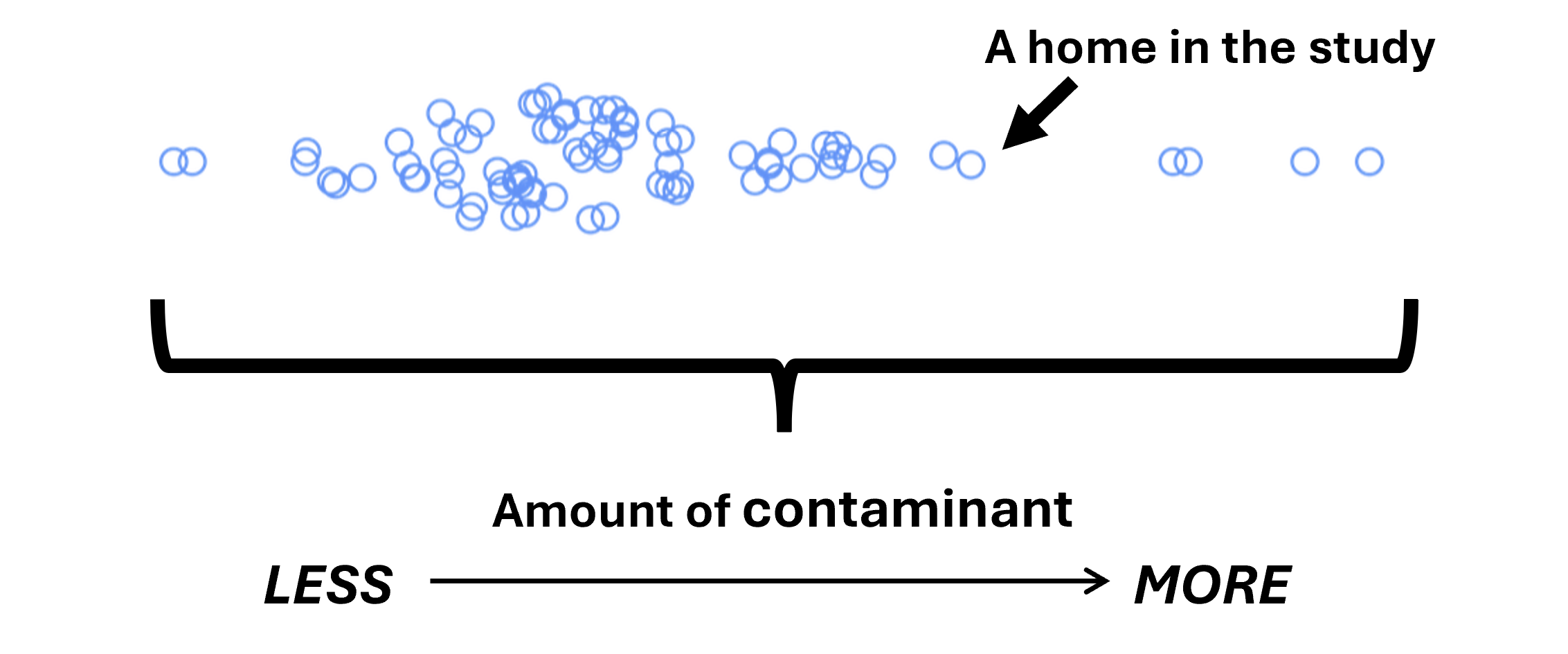
We found contaminants in every home and urine sample we tested. This does not mean that every home is unsafe or that there are health hazards. We found higher levels of contaminants in some homes and urine samples than others. People with higher levels can probably make changes to reduce their exposure.

Watch a video to learn how to read the report
We created a video to help participants understand their personalized study report. The video explains the results summary and how to understand the graphs for environmental chemical and allergen results.
What We Found

- We found higher levels of some chemicals and lower levels of others in dust and urine samples.
- For some of the contaminants we measured in urine, we can compare data from ROC HOME to data from the National Health and Nutrition Examination Survey (NHANES). NHANES is a program run by the Centers for Disease Control that tracks the health of adults and children in the United States. We found higher levels of some chemicals and lower levels of others in study participants’ urine than those in typical US adults.
- For some of the contaminants we measured in dust, we can compare typical levels to previous studies in other places. However, there is not a national survey of contaminants in household dust. We compared study participants’ dust results to other homes in the study.
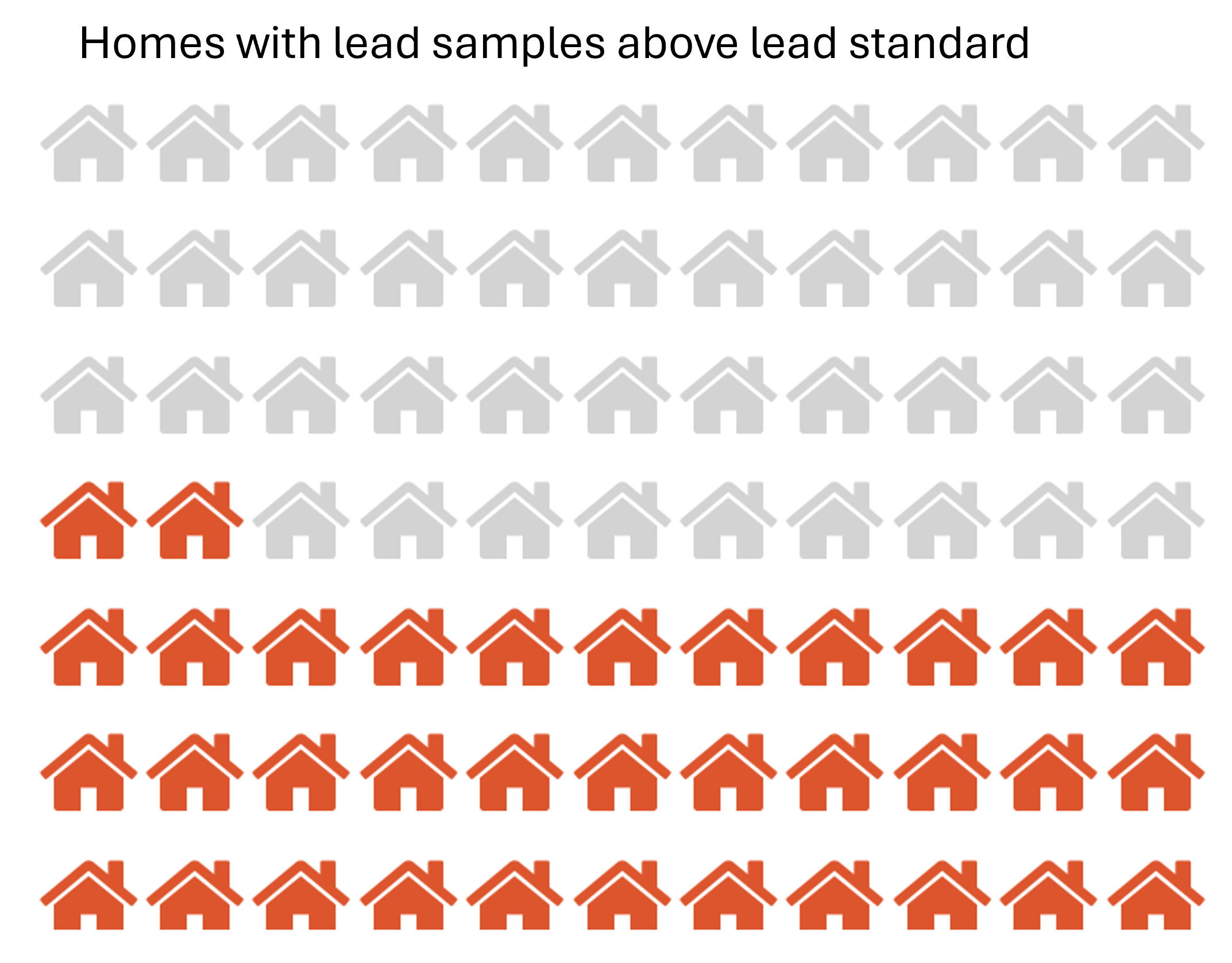
- Lead is lower, but lead remains. Cleaning, maintenance and education are important.
- Lead was much lower after repair work, but 45% of homes had lead dust levels above US Environmental Protection Agency standards 4 months after Lead Hazard Control work.
- At the end of the study, 25% of participants thought that there was no lead in a home after Lead Hazard Control Work.
- Intact lead paint on a wall or trim (“non-friction surfaces”) is not necessarily removed during lead hazard control and is safe if it is not disturbed. Lead dust may be created over time if previously intact paint deteriorates, so it is still important to clean up any paint chips and repair safely. Lead can also be tracked in on shoes from outside or blown in through open windows.

- Almost all homes had evidence of mice, but cleaning matters.
- 98% of homes had mouse allergens in dust.
- Many people are allergic to mice allergens, and it can trigger asthma.
- People who vacuumed at least once per week tended to have lower allergens than people who vacuumed less often
- Before the study, 36% of participants did not have a vacuum.
- We found both old and new environmental chemicals in dust.
- We found both banned and current-use pesticides.
- We found phthalates that have been phased out of use and their newer replacements.
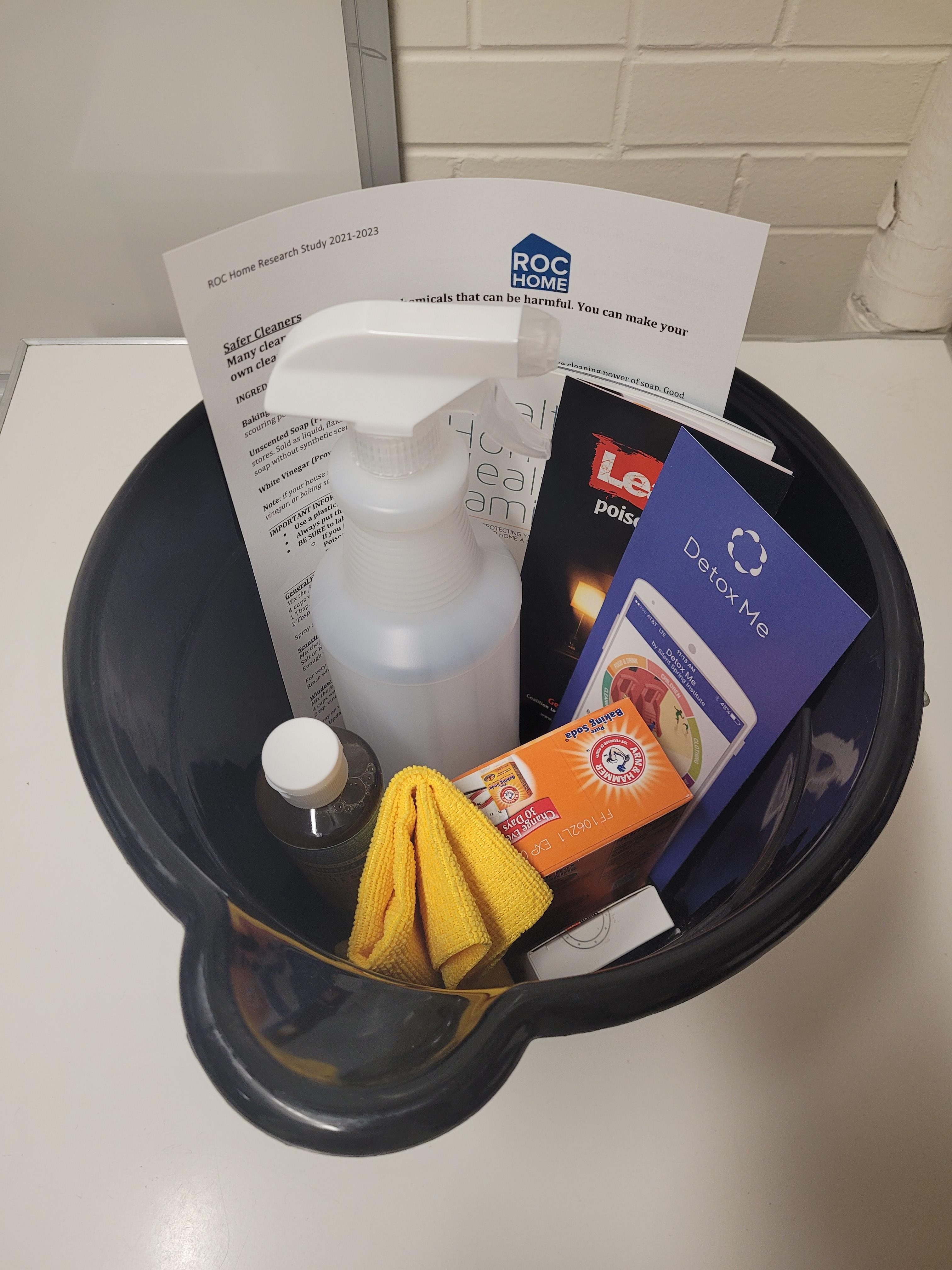
- When provided with education and alternatives, people made changes that may reduce their exposure.
- Study participants received a “Healthy Home Kit” with safer swaps for household chores.
- Participants made changes like:
- Making homemade cleaners
- Replacing scented dryer sheets with dryer balls
- Using unscented detergents
- Using fewer air fresheners