

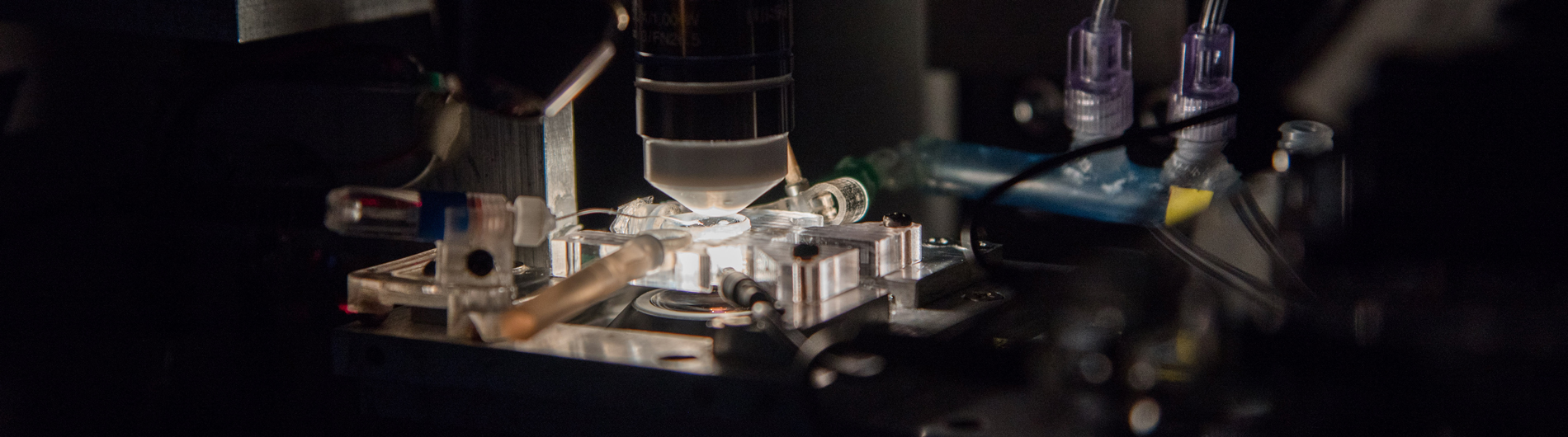
Biomechanics of the Inner Ear Sensory System
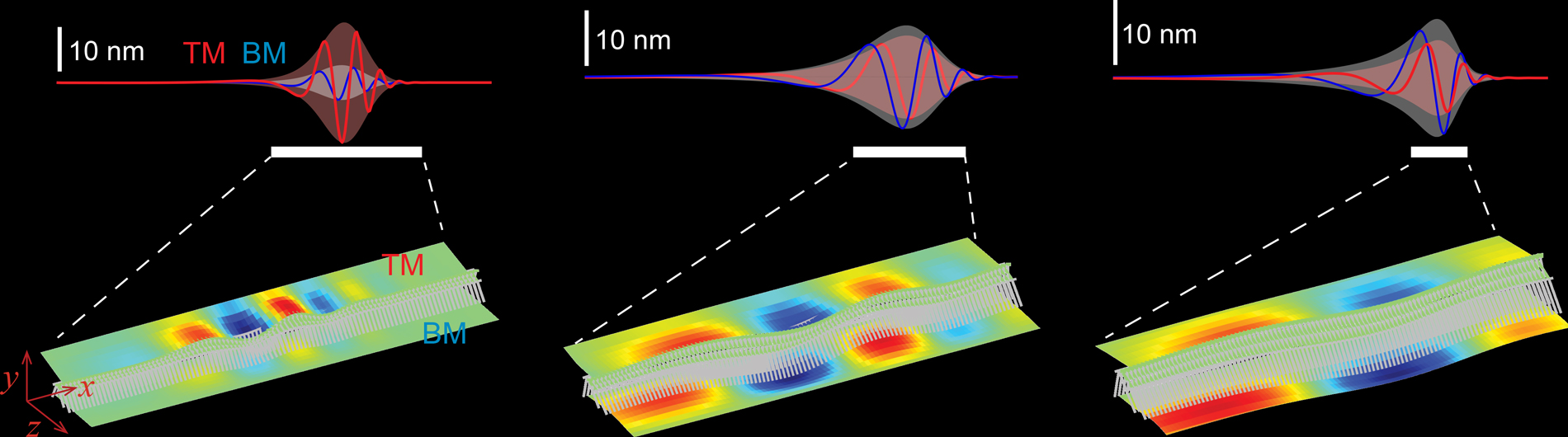
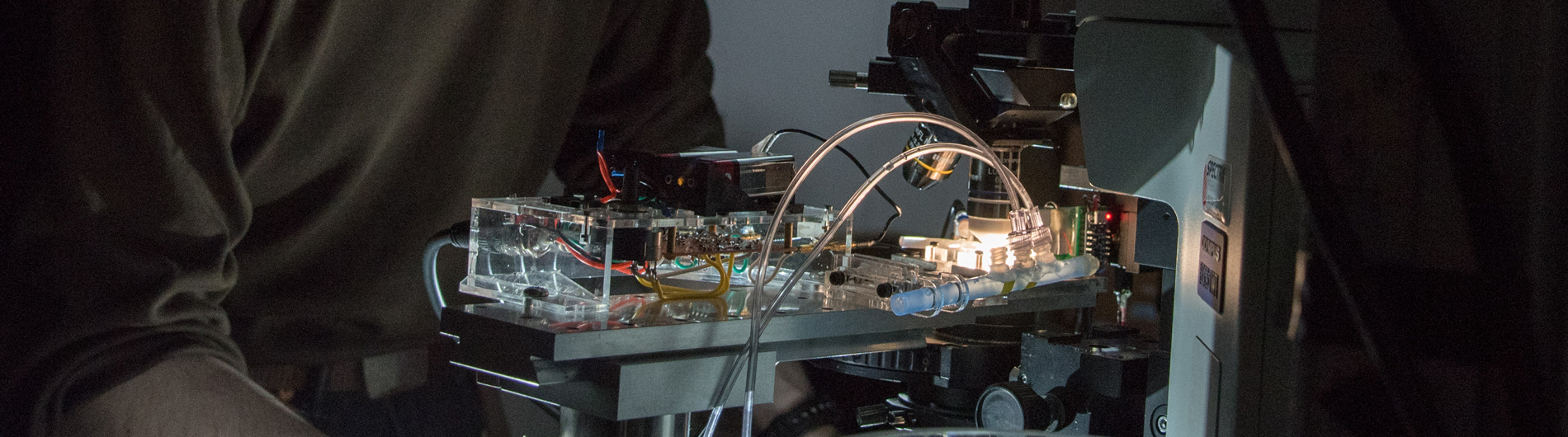
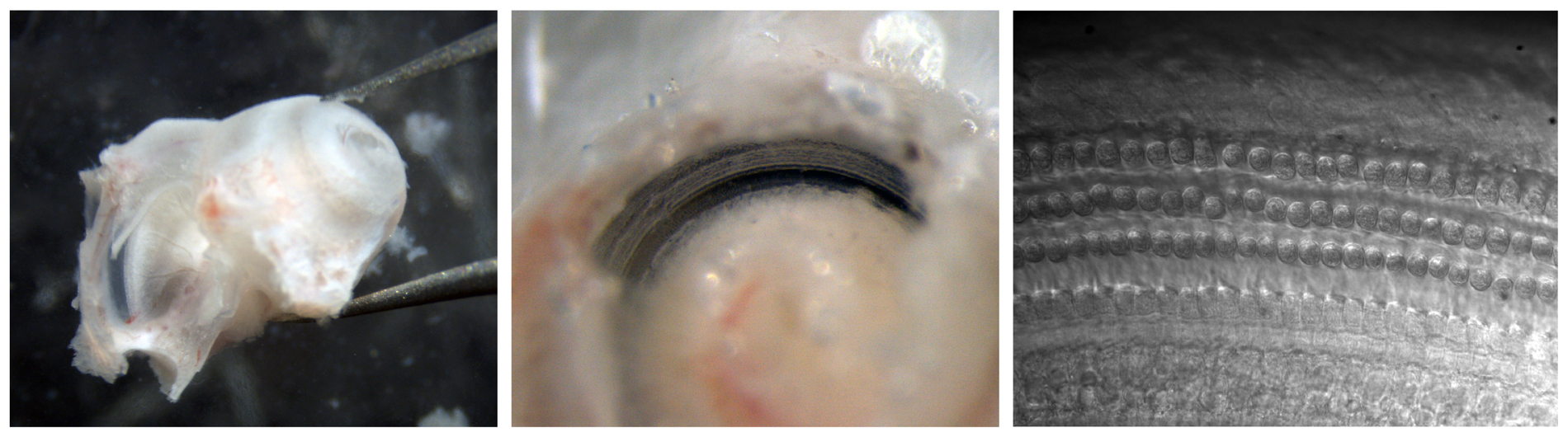
Our laboratory investigates the mechano-transduction of the inner ear — how the inner ear selects and amplifies external stimuli. Inner ear sensory cells are called mechanoelectric transducers because they are mechanically stimulated by surrounding soft tissues or fluid to generate electric signals. We focus on the mechanical interaction between inner ear sensory cells and their surrounding structures. Computational and experimental methods are combined for our research. Various engineering and biological principles are incorporated such as structural acoustics, micro-fluidics, microelectromechanical systems, and electrophysiology.
Our goal is to:
- Contribute to understanding sensorineural hearing and balance disorders
- Provide new insights for the design of biologically inspired mechano-transduction sensors and prosthetics
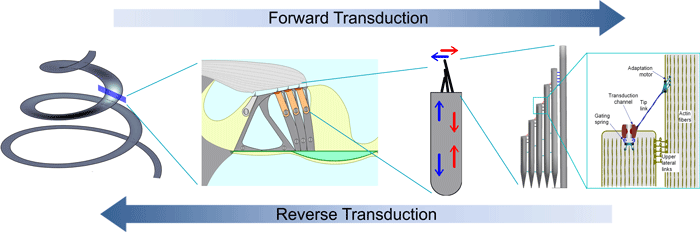
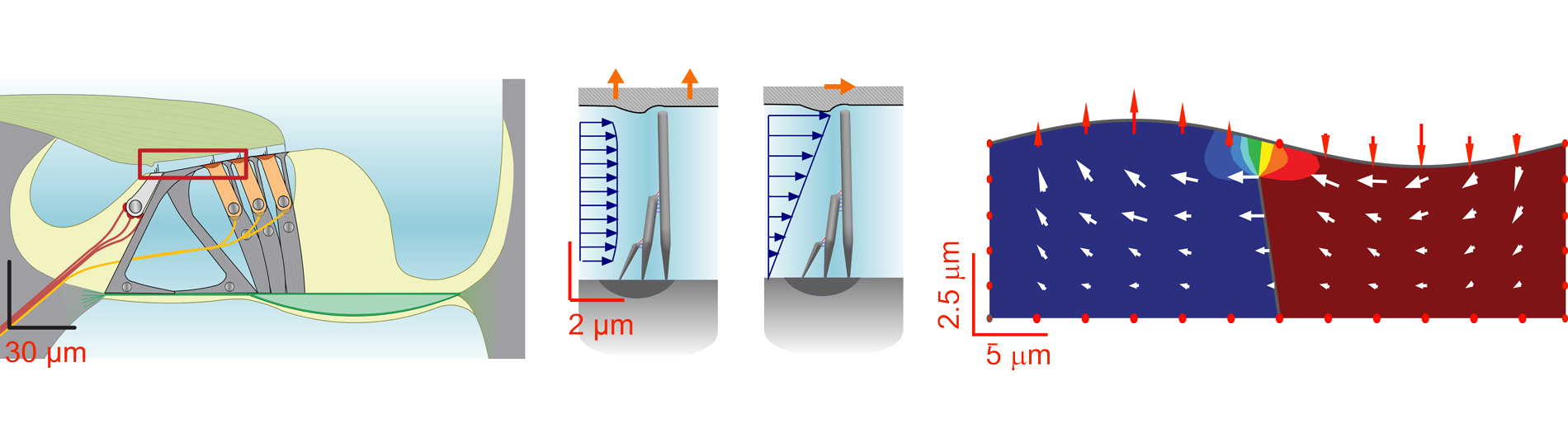
Multi-scaled computational model of cochlear mechano-transduction. Acoustic energy travels along the cochlear duct (left) to eventually activate the transduction channel (right). We will identify the role of the OHC during forward and reverse transduction between the transduction channels and the cochlear duct. Our focus is on the OHCs in this forward and backward energy transfer.
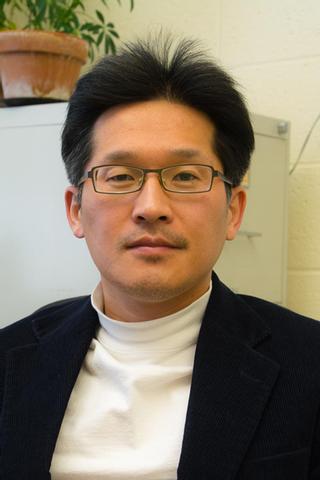
Jong-Hoon Nam, Ph.D.
Principal Investigator


- Concentration-dependent effects of dimethyl sulfoxide on cochlear efferent function and outer hair cell motility.; Hearing research; Vol 482, pp. 109831. 2026 Oct 02.
- Conflict of Interest Disclosures.; Global spine journal; Vol 15(2_suppl), pp. 793S-822S. 2025 May 21.
- Outer hair cells stir cochlear fluids.; eLife; Vol 13. 2025 Jan 16.
- Visualizing motions within the cochlea's organ of Corti and illuminating cochlear mechanics with optical coherence tomography.; Hearing research; Vol 455, pp. 109154. 2024 Nov 27.
News
Affiliations
Contact Us
Jong-Hoon Nam, Ph.D.
University of Rochester
212 Hopeman Hall
Rochester, NY 14627