

Frederic J. Hofschneider, D.D.S.
In 1926 a local dentist invented a device to reduce the pain that is caused by tooth drilling. Dr. Frederic J. Hofschneider's Automatic Dental Lubricator was very successful. Additional dental patents followed and lead to the creation of the Hofschneider Corporation, in Rochester, New York. This collection portrays Hofschneider's professional and personal developments and illustrates life in the early 1900's.
Frederic J. Hofschneider, DDS 1913
Frederic J. Hofschneider, DDS 1944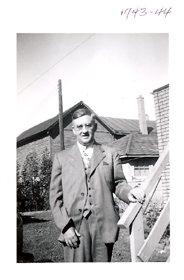
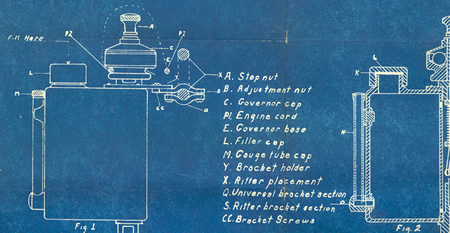
Partial drawing of the Hofschneider Automatic Dental Lubricator, patented in 1923.
Dr. Hofschneider was an avid fisherman and also invented fishing lures. He is most famous for his "Red-Eye Wiggler" lure.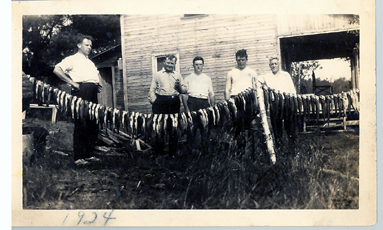
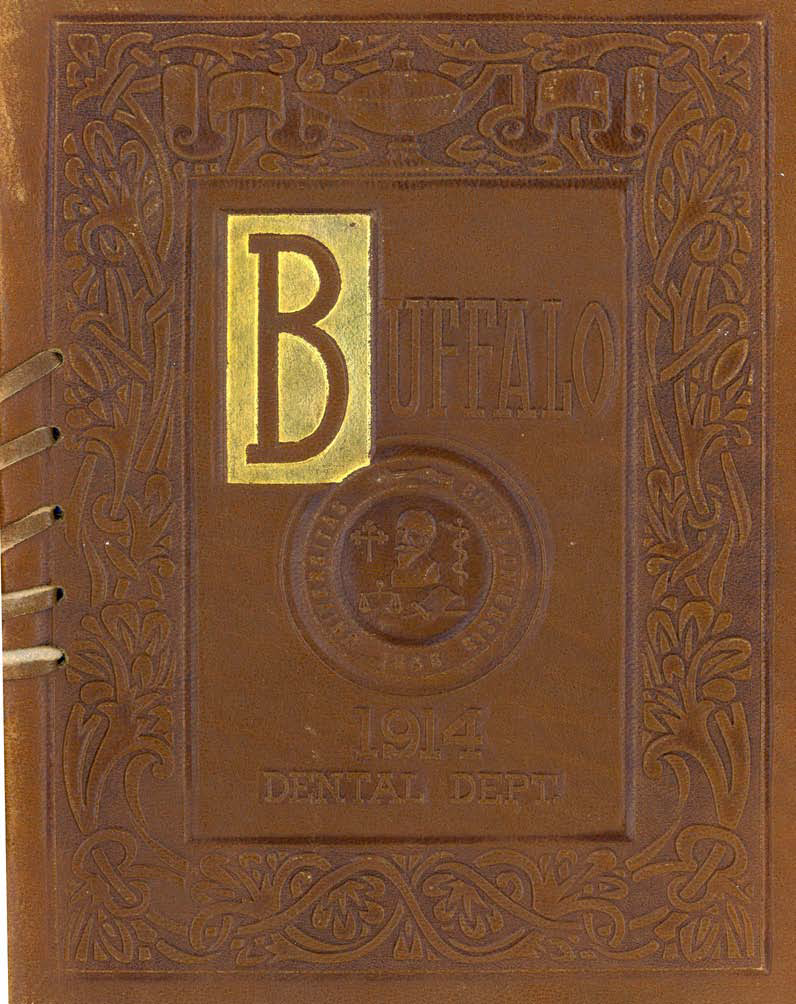
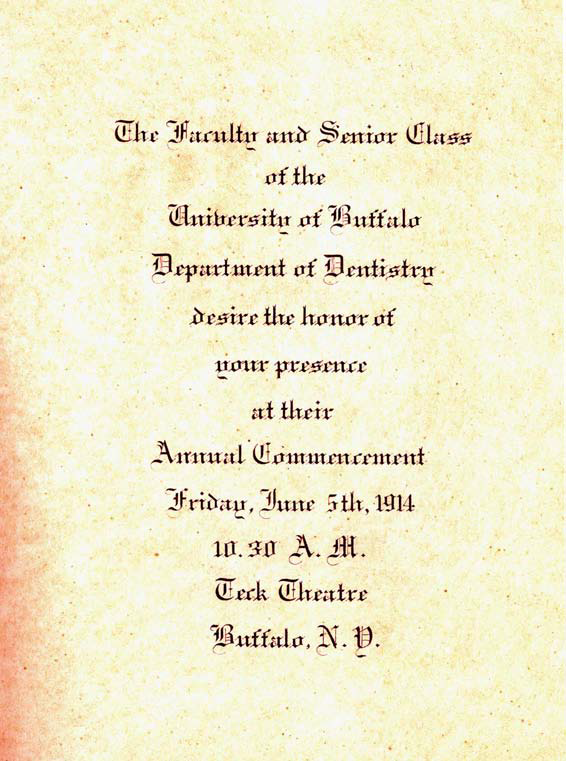
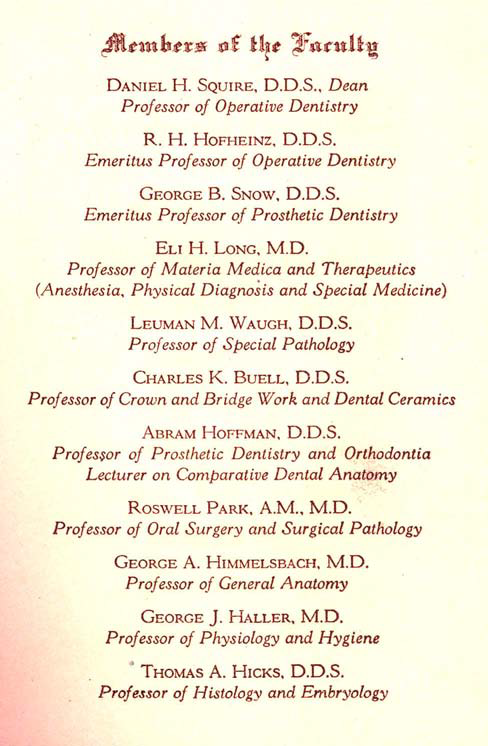
Signed photograph of Dr. Hofschneider,taken in 1914 while he was a student in the Dental Department at the University of Buffalo.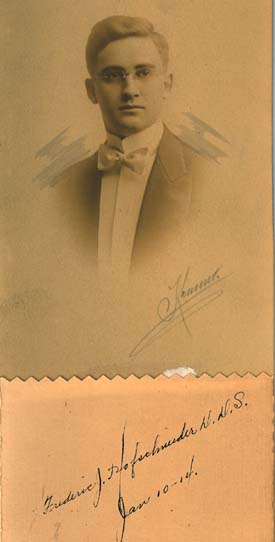
Hofschneider with patient, 1923.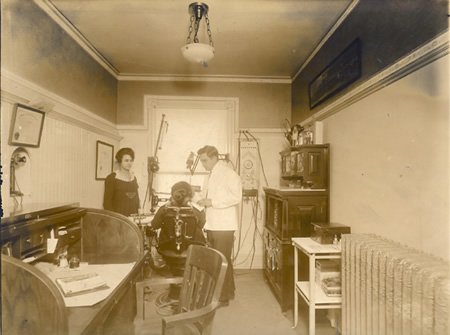
See Also:

Dr. Frederic J. Hofschneider, DDS: A RENAISSANCE MAN
A renaissance man is someone who has broad intellectual interests and is accomplished
in areas of both the arts and sciences.
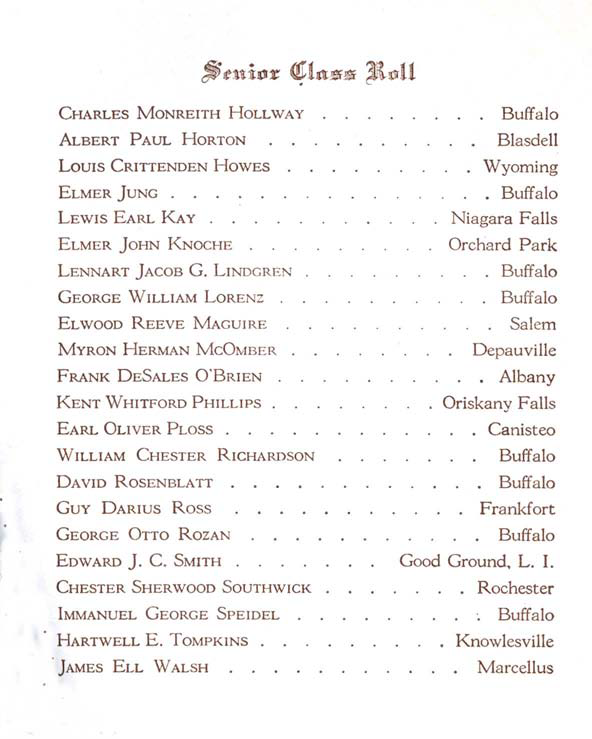
Frederic Hofschneider was born in 1893 and was a lifelong Rochesterian. He attended
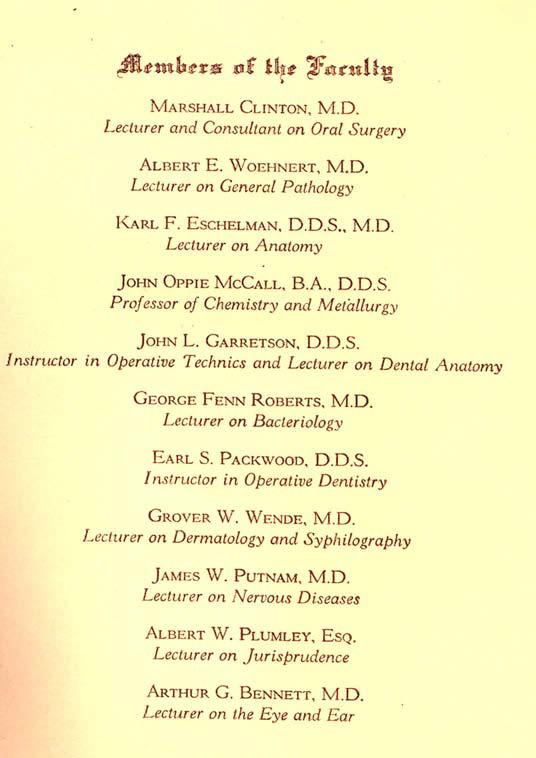
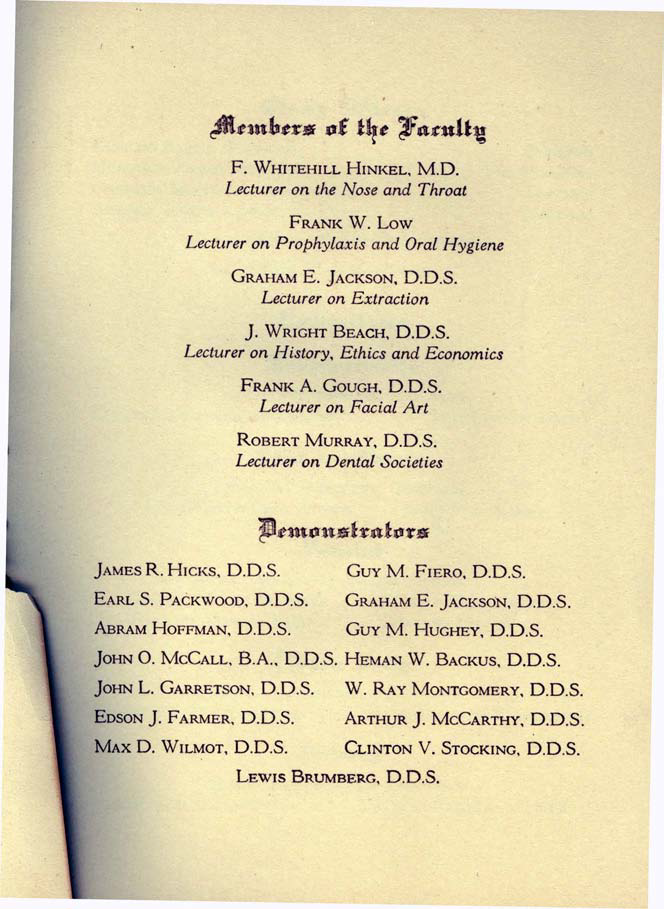
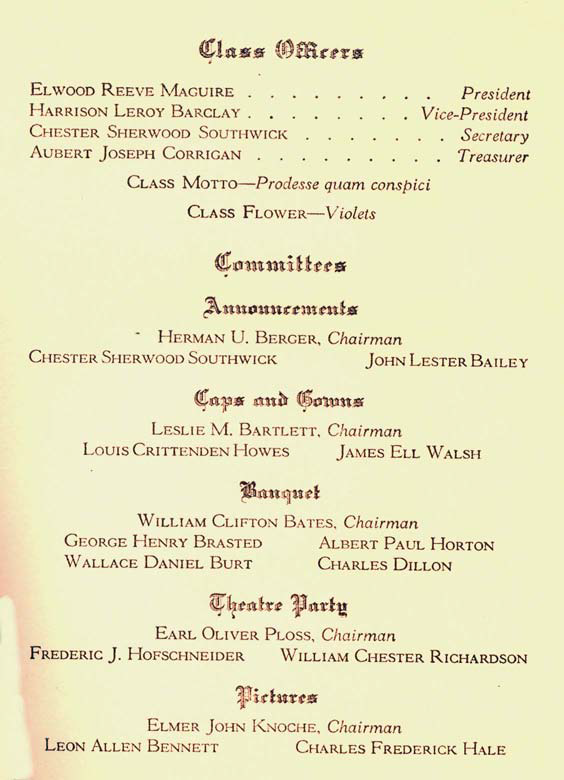
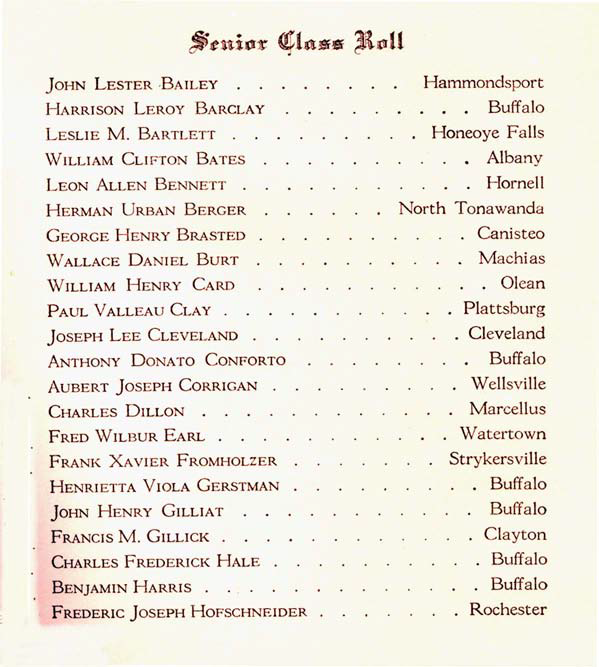
dental school at the University of Buffalo and received his diploma in 1914. In addition
to his degree work, he wrote the U of B Fight Song, played piano professionally,
orchestrated, arranged, and directed a number of plays, and was both an artist and an avid
inventor.
Dr. Hofschneider married Catherine M. Vetter in 1916 and opened an office at the 848
Jay Street family home where he provided treatment seven days a week. Patients often
paid for their care with produce from their farms or bread, pies, and cakes from their
ovens.
His practice was an active one and he was always looking for ways to improve on the
equipment and techniques used in the dental profession. Throughout his practice, he was
instrumental in the early construction and refinement of the porcelain jacket crown. He
also developed the first non backwash hypodermic syringe that eliminated Novocain
caused dermatitis which plagued early dentists.
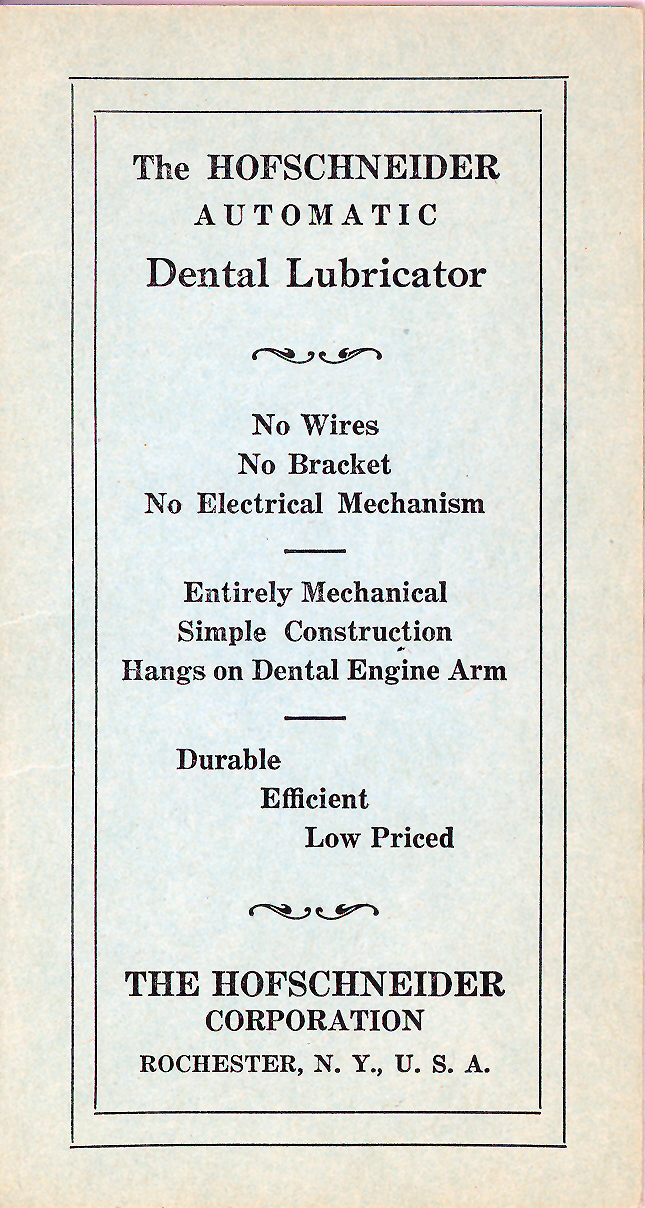
In 1923, Dr. Hofschneider was awarded a patent for the Oratundra, which turned out to
be an important dental invention that is still in use today. The name was changed to the
Hofschneider Automatic Dental Lubricator, and promotional literature said it insured a
steady flow of cool liquid, either water or an antiseptic solution, to the point of operation.
The lubricator was used at the Dental Dispensary and over 100 pieces of the equipment
were purchased for the education and use by graduating dentists in Switzerland.
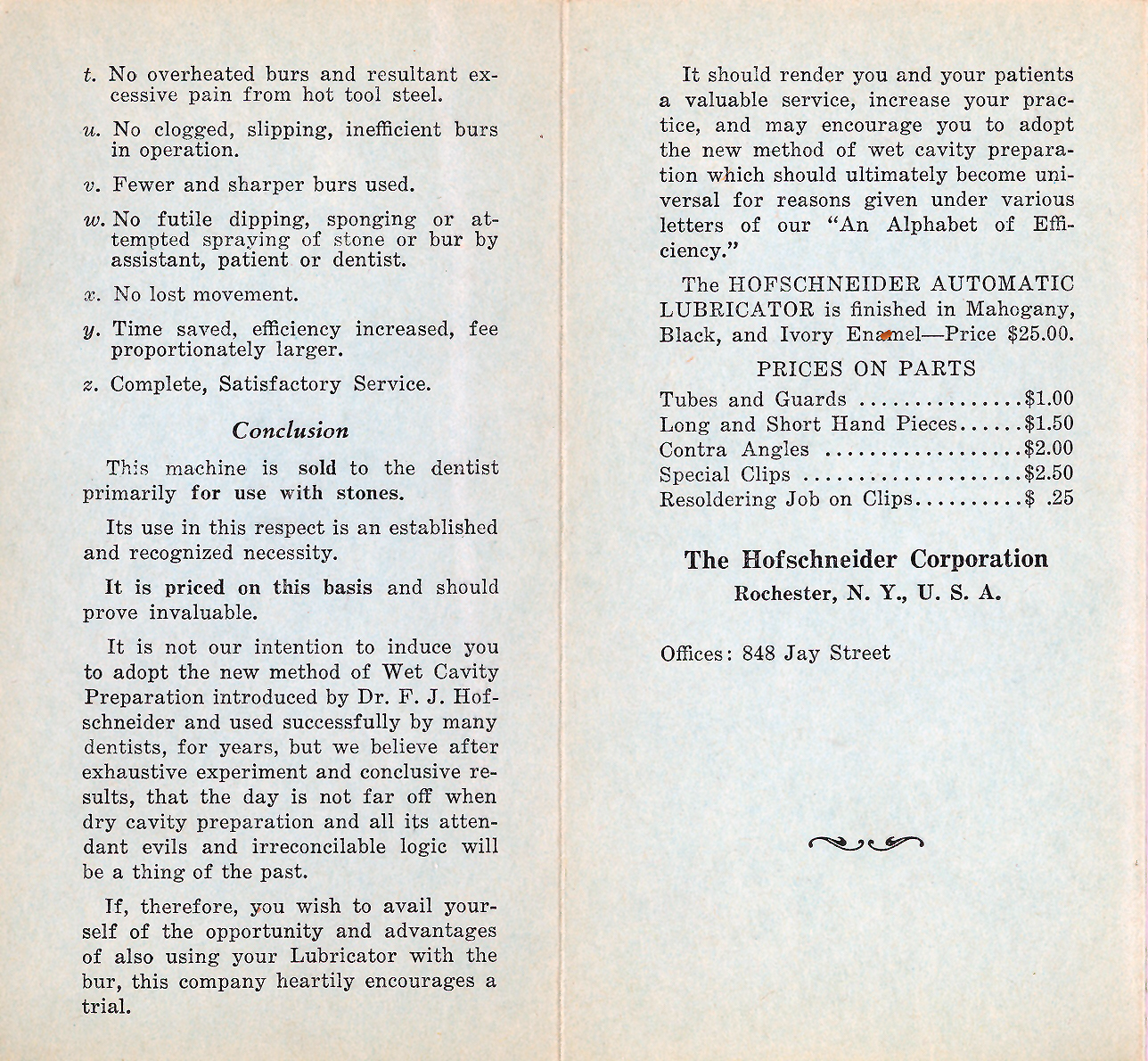
The brochure went on to say that the equipment was finished in mahogany, black, and
ivory enamel and was priced at $25.00. The brochure listed parts and repair prices
including $1.00 for tubes and guards, 1.50 for long and short hand pieces, and $.25 for
resoldering clips.
Dr. Hofschneider was a member of the Dental Dispensary faculty from 1914 1930 and
spent a portion of his time instructing residents on the use of the Oratundra. Dr. Dennis
Leverett, a dispensary colleague who served as acting director from 1992 1994, remarked
that he would always think of Fred Hofschneider as a “pioneer in the alleviation of dental
pain.”
Unfortunately, Dr. Hofschneider’s life and career were drastically changed by several
major occurrences. He experienced an injury to his right hand in 1930 and was unable to
practice for 18 months. In 1932, his professional career ended when he suffered a
massive and debilitating stroke that caused the paralysis of his entire right side including
his speech. “People suffering paralysis in those days didn’t have the miracles of modern
medicine or therapy, so they usually experienced a steady decline in their abilities,” said
his daughter, Kathryn M. Schroth, the youngest of the five Hofschneider children.
“However, my dad was strong and never lost hope that he would practice again.”
The Lubricator patent was later picked up by the Ritter Dental Company and a form of
the equipment can be found in most dental offices today. Whether a dentist uses a drill or
a laser, both water and air cool the tooth and clean the surface during removal of decay
and bacteria. This procedure is done almost 170 million times a year.
Dr. Hofschneider always wanted to go back to his practice but it was up to his wife, and
children to financially care for the family. Throughout the ensuing years, he struggled to
regain all his faculties. “Often, he would ask… work again, me..? We’d tell him, maybe,
dad, maybe,” said Mrs. Schroth. “He insisted that my mother keep his license updated
just in case that miracle happened.”
Dr. Hofschneider died in 1950. “I was only 18 months old when my dad was stricken
and so I never had the opportunity of having him as my dentist,” said Mrs. Schroth.
“However, every time I visit my dentist, I’m reminded of how much my father cared
about his patients and how that caring has touched so many people over the past 83
years.”
If you would like to recognize someone who has made contributions to Dentistry at the
University of Rochester, please contact constance_truesdale@urmc.rochester.edu or call
(585) 275-5064.