Mary Parkes Center for Asthma, Allergy & Pulmonary Care
Henrietta
-
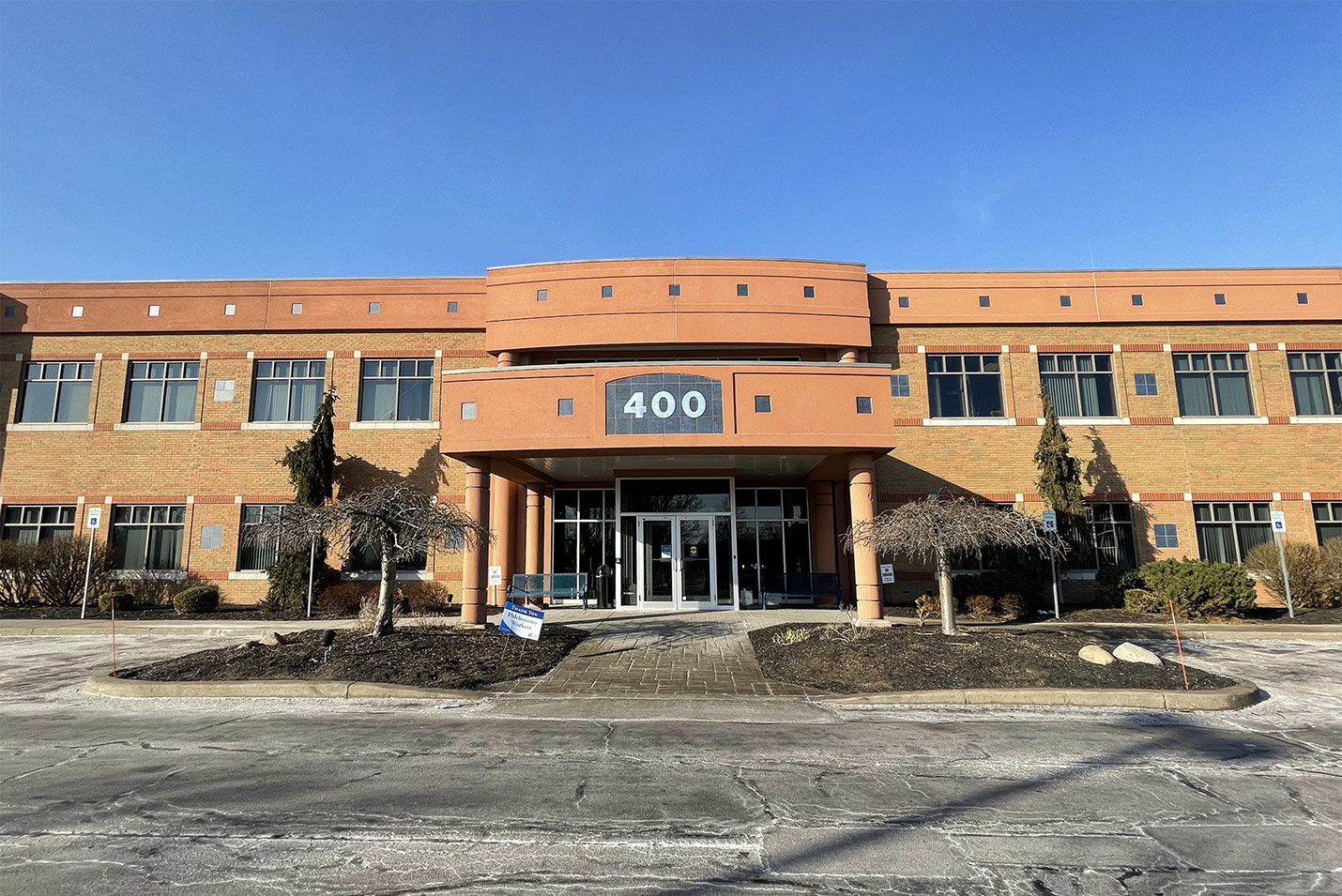
Red Creek, Building 400
Contact
Phone
Fax
Hours
Monday–Friday 8 a.m.−4:30 p.m.
Overview
The Mary Parkes Center for Asthma, Allergy & Pulmonary Care provides comprehensive multidisciplinary care for adult patients with asthma, allergies and all lung diseases. Our Center is staffed by pulmonologists, severe asthma specialists and allergists. Our expert inter-professional team of physicians, nurse practitioners, nurses and respiratory therapists work closely to ensure the best care for our patients.
The Mary Parkes Center was designed with your comfort in mind. Whether you’re looking to establish your lung care through the center or you’re seeking a second opinion regarding your lung diagnosis, we want you to breathe easier from the moment you step in the door. We’re here to support you through your visit and all future lung health needs.
Patient & Visitor Information
We want everything about your experience with the Mary Parkes Center to be as convenient as possible.
You can make the most of your visit by being an active participant. We encourage you to raise questions and concerns and provide your physicians with information that will help them take care of you.
of 5
-
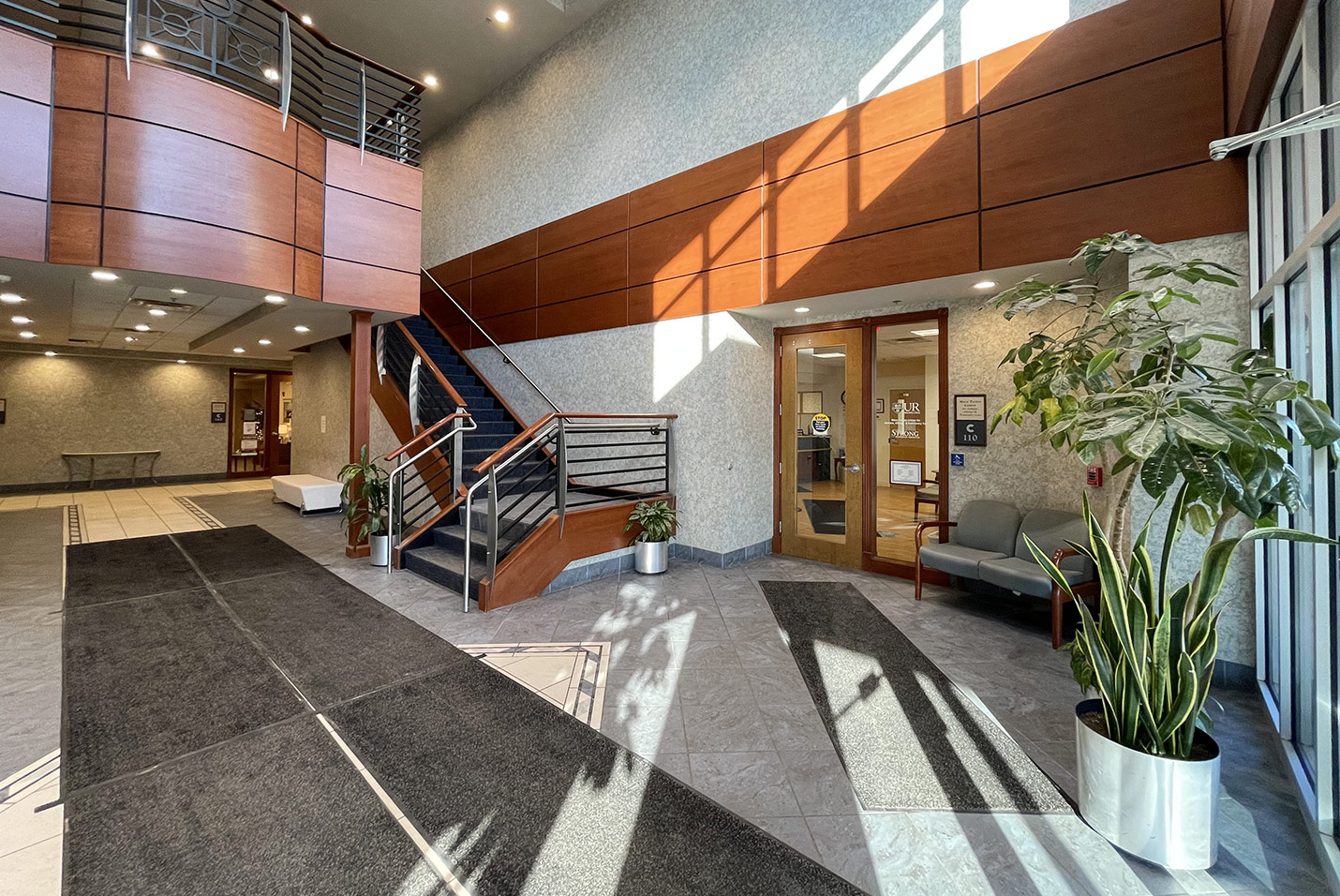
Image: Suite 110: Mary Parkes Center for Asthma, Allergy, & Pulmonary Care
-
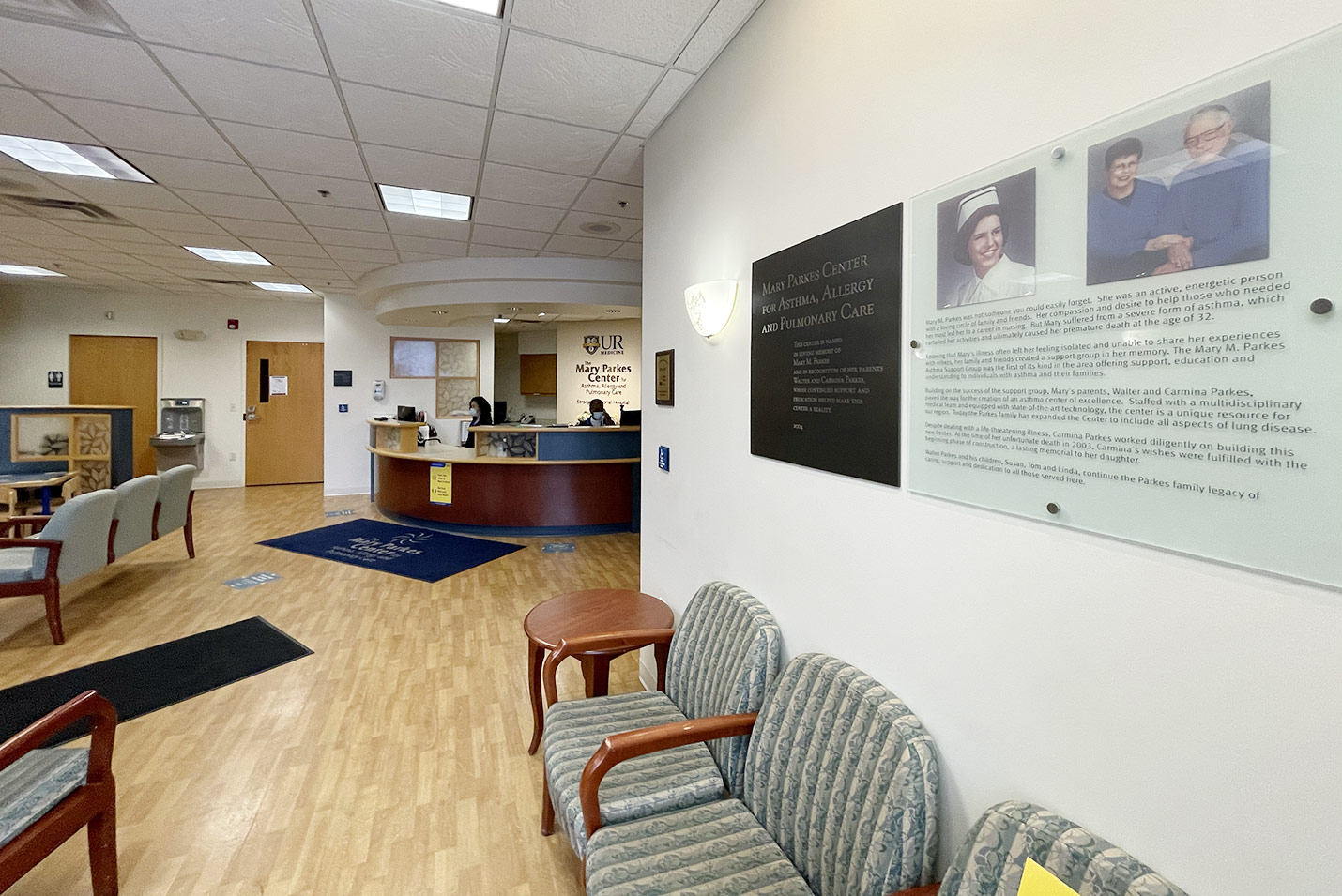
Image: The Mary Parkes Center was designed with your comfort in mind. Whether you are looking to establish your lung care through the center or you are seeking a second opinion regarding your lung diagnosis, we want you to breathe easier from the moment you step in the door.
-
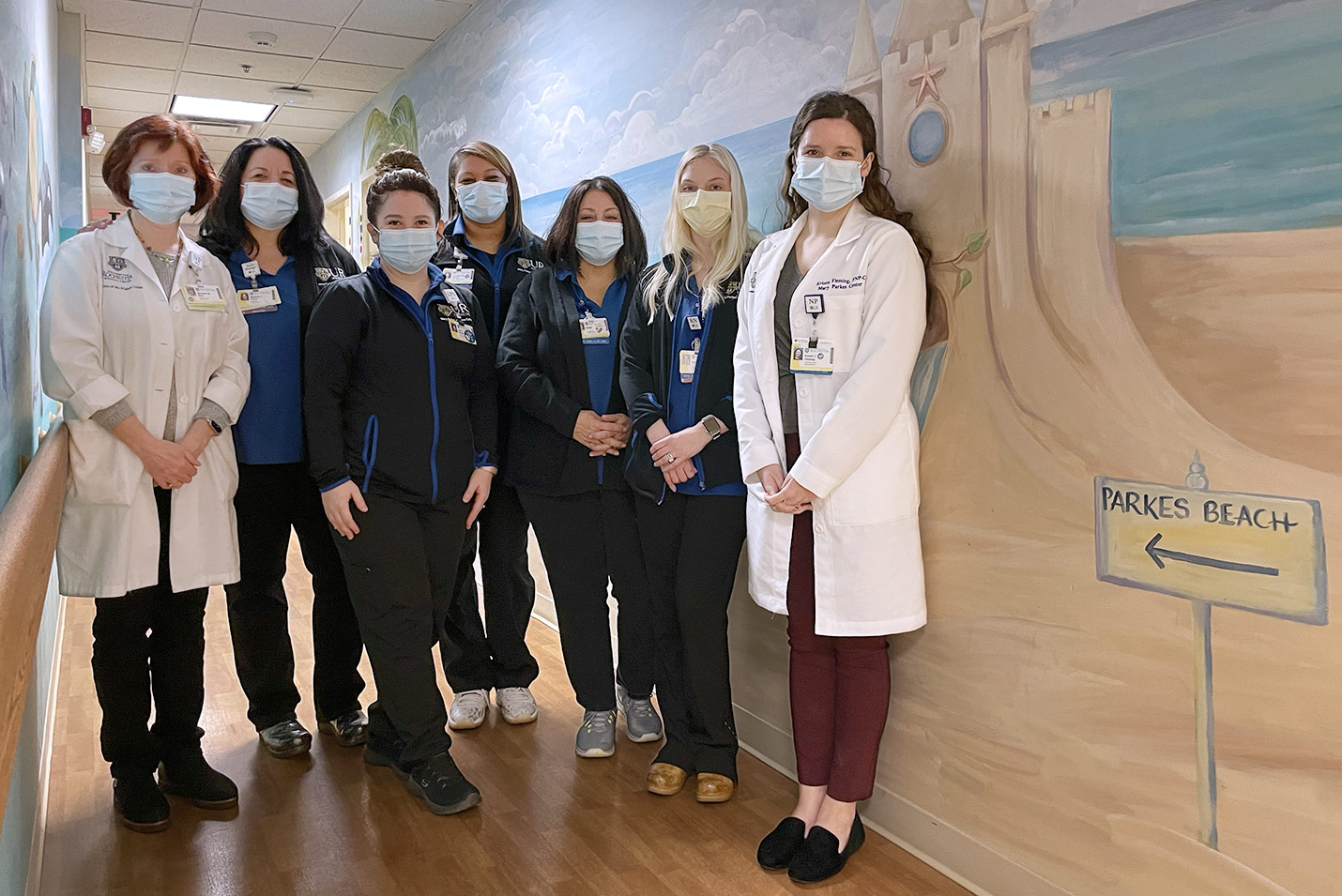
Image: Our expert inter-professional team of physicians, nurse practitioners, nurses and respiratory therapists work closely to ensure the best care for our patients
-
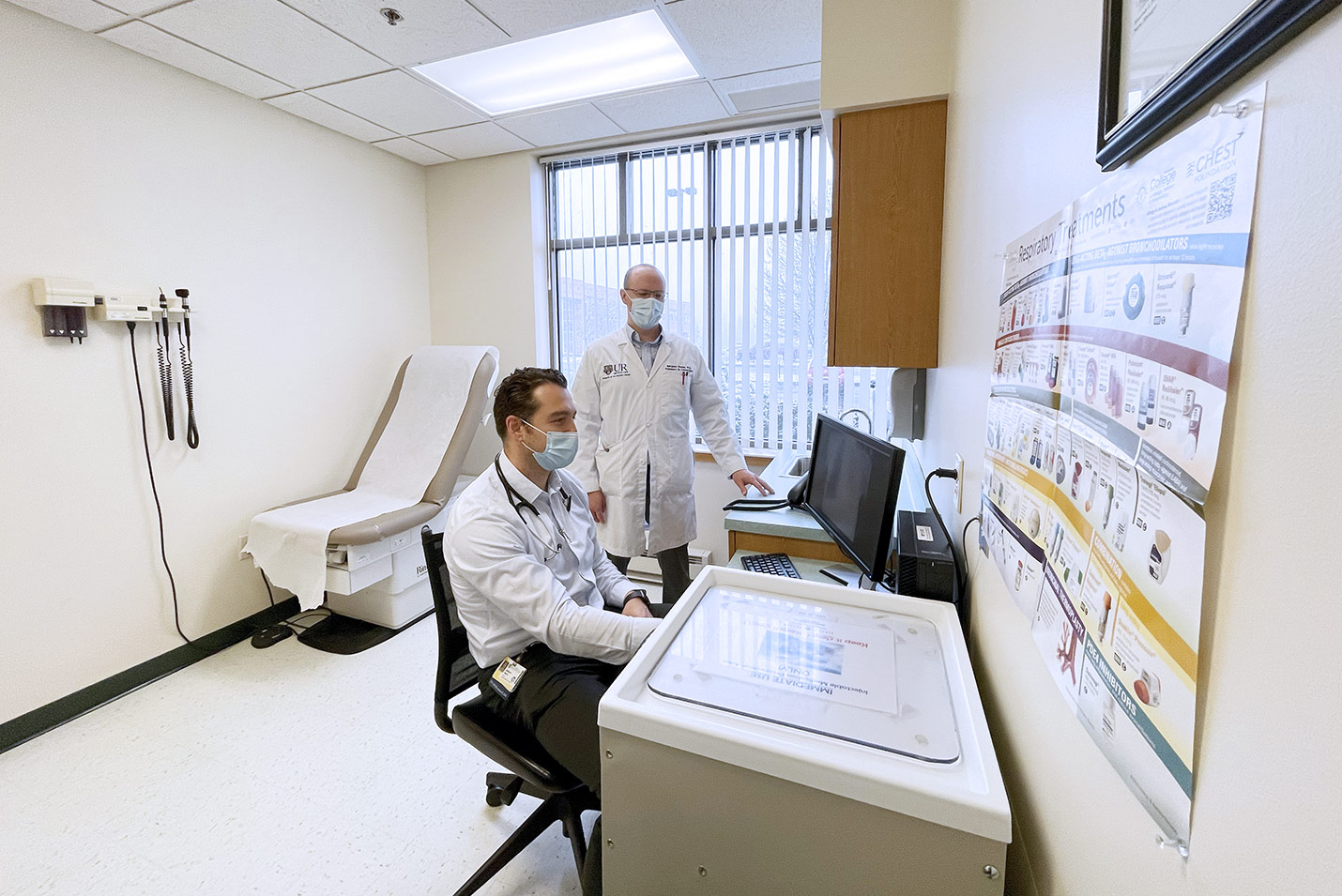
Image: One of our spacious exam rooms
-
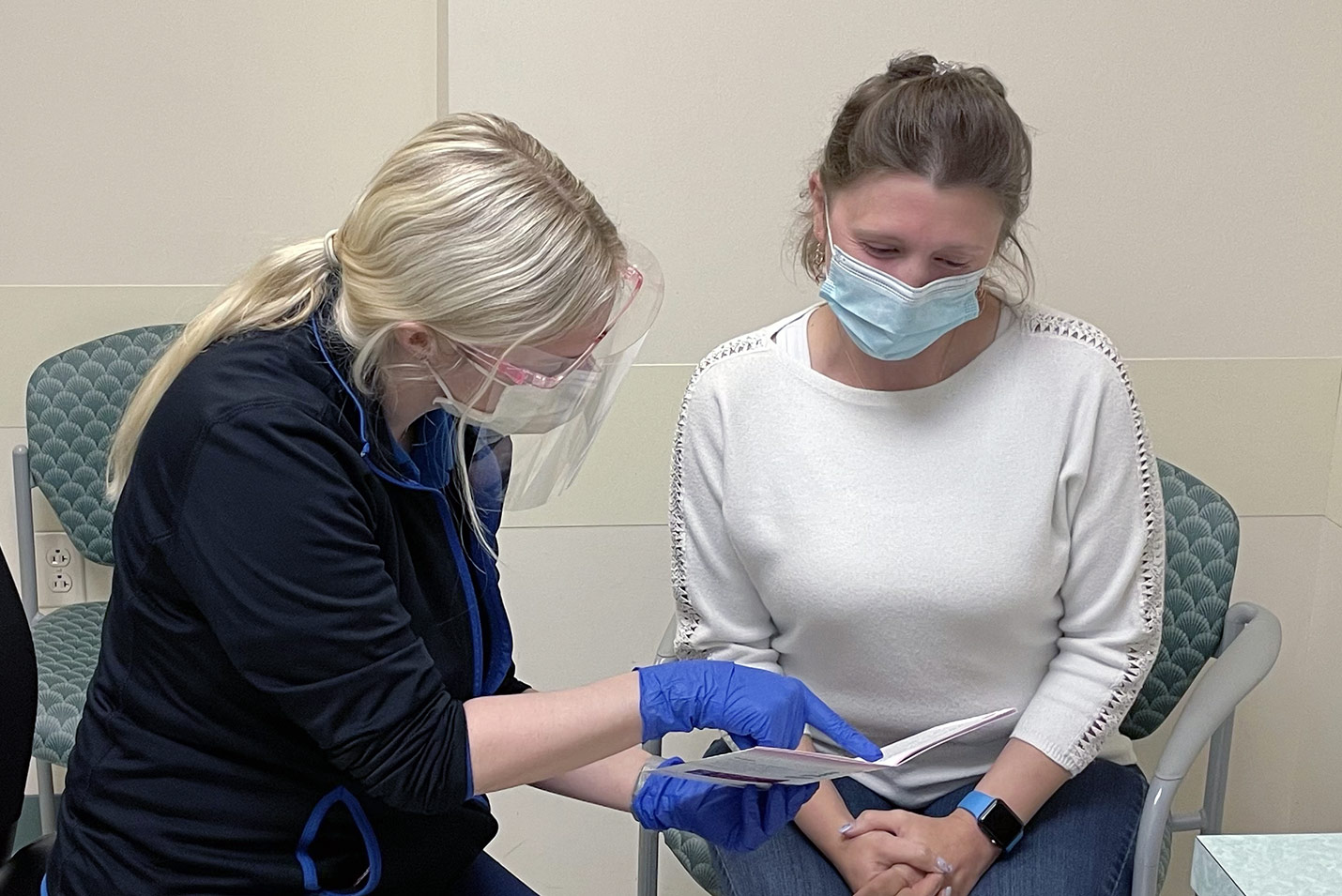
Image: You can make the most of your visit by being an active participant. We encourage you to raise questions and concerns and provide your physicians with information that will help them take care of you.
Services
We offer a full range of advanced services for patients with asthma, allergies and other lung diseases.
- Comprehensive care for patients suffering from all forms of asthma
- Lung disease evaluation
- State-of-the-art pulmonary function and bronchoprovocation testing
- Allergy evaluation and skin testing
- The Bronchiectasis and NTM Center at the Mary Parkes Pulmonary Center offers specialized treatment for bronchiectasis and nontuberculous mycobacteria (NTM) with coordinated collaboration of departments across the medical center. University of Rochester Medicine is an Associate Care Center as a part of the Bronchiectasis and NTM Care Center Network through the COPD Foundation.
- Lymphangioleiomyomatosis (LAM) clinic
- Occupational and environmental lung disease evaluation
- Pulmonary hypertension clinic
- Interventional pulmonary services (including airway stent placement, balloon dilation, cryoablation, tumor debulking, whole lung lavage and pleural effusion)
Providers
-
 Accepting New Patients
 -
 Accepting New Patients
 -
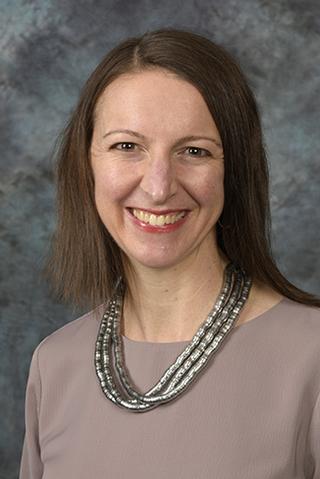 Accepting New Patients
 -
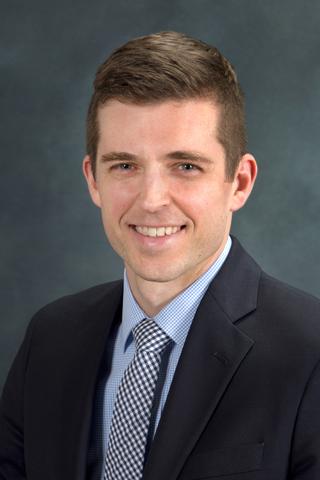 Accepting New Patients
 -
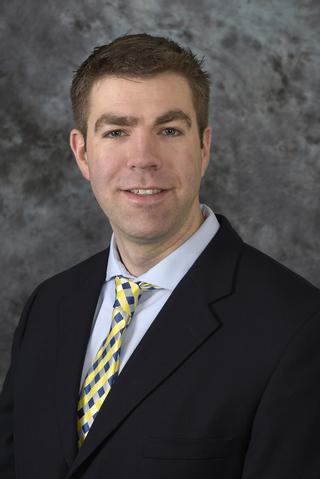 Accepting New Patients
 -
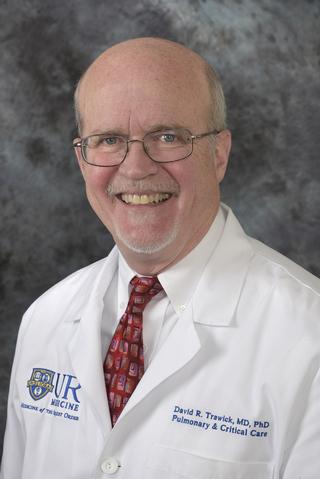 Accepting New Patients
 -
 Accepting New Patients
 -
 Accepting New Patients
 -
 Accepting New Patients
 -
 Accepting New Patients
 -
 Accepting New Patients
 -
 Accepting New Patients
 -
 Accepting New Patients
 -
-
 Accepting New Patients
 -
 Accepting New Patients
 -
 Accepting New Patients
 -
 Accepting New Patients
 -
 Accepting New Patients
 -
 Accepting New Patients
-
Accepting New Patients
-
Accepting New Patients
-
Accepting New Patients
-
Accepting New Patients
-
Accepting New Patients
-
Accepting New Patients
-
Accepting New Patients
-
Accepting New Patients
-
Accepting New Patients
-
Accepting New Patients
-
Accepting New Patients
-
Accepting New Patients
-
Accepting New Patients
-
-
Accepting New Patients
-
Accepting New Patients
-
Accepting New Patients
-
Accepting New Patients
-
Accepting New Patients
-
Accepting New Patients
Appointment Information
MyChart
MyChart, the UR Medicine online patient portal, provides you a way to more actively manage your health. Use the free MyURMedicine app on your iPhone® or Android™ phone to view test results, medical notes, manage appointments, request prescription refills and message your doctor's office.
What to Bring
Complete your health information forms before your appointment. Bring with you a list of your prescription medications, dosages, and frequency. This includes over-the-counter medications, supplements, or herbs.
Additional Information
Clinical Trials
Clinical trials are a great way to contribute to science and access new treatments. We have clinical trials in many disease conditions. If you’re interested in participating or learning more, contact us at:
- Asthma Clinical Trials – (585) 369-6769
- Pulmonary Hypertension Research – (585) 486-0869
- Pulmonary Fibrosis Research – (585) 275-4161
Make a Gift
Thank you for your interest in making a gift to support the Mary Parkes Center for Asthma, Allergy and Pulmonary Care.
Your gift will help us continue to provide exceptional services through cutting-edge research and innovative approaches to patient care. With your support and the support of other donors, we hope to accelerate our efforts to improve patient experiences and conquer the most challenging pulmonary diseases.
To make a gift, please use our secure website.
For more information about how you can support the Mary Parkes Center, please call (585) 273-5472.
Tribute to Mary Parkes
Mary Parkes is far more than the namesake of our Center. She is our daily inspiration. Though Mary suffered for many years with asthma, she was first and foremost a nurse. A critical care nurse in the Rochester region, Mary was known for her unfailing optimism and perseverance. She understood the challenges of being a patient. Mary was hospitalized more than 50 times for asthma treatments. As a result, she carried a special understanding with her to every patient’s bedside. After a long struggle with the disease, Mary died in April, 1991 at the age of 32. Soon after, Mary’s family and friends started a support group for people with asthma—the first in the area.
Three short years later and many trips around the country searching for programs, The Mary Parkes Center—the first of its kind in Western New York—was established. It was made possible through the generous support of Mary’s parents, Walter and Carmina Parkes, and her physicians, Dr. Michael Finigan and Dr. Susan Ristow. Mary’s nurse and best friend, Maureen Prince, has been at the forefront of the program’s success and currently serves as the nurse manager of the Center. “Mary had no idea anything would ever come of her struggle and death as a result of asthma," says Maureen. "But I know now, wherever Mary is, she wears a smile because of the Center's success in helping others live life to the fullest. Mary would have liked that.”
The Parkes Family
Personally affected by the struggles of asthma patients and their families, the Parkes family established the Mary Parkes Asthma Center as a means to address the needs of asthma patients and those suffering from other serious pulmonary disease. The family is passionate about their goal to improve patient care, increase education and accelerate research into new treatments, a lasting tribute to their daughter and sister, Mary M. Parkes, RN. Shortly after Mary’s death, the Parkes family started an asthma support group, the first in the region, for individuals with asthma and their families. In 1995, they opened the doors of the Mary Parkes Asthma Center at Genesee Hospital, the region's first program dedicated to people with asthma. The Center, which grew from this family-run support group, provided the necessary resources for specialized asthma care while eliminating isolation many asthma patients felt. Affiliated with the University of Rochester Medical Center since 2004, the Center stands as one of the region’s leading comprehensive center dedicated to the needs of patients with asthma and their families. Since Mary’s passing and that of her mother Carmina, Walter and his children—Tom, Susan and Linda, and their families—remain committed to help advance the knowledge and science of asthma, and improve the quality of life of more and more patients.
of 3
-
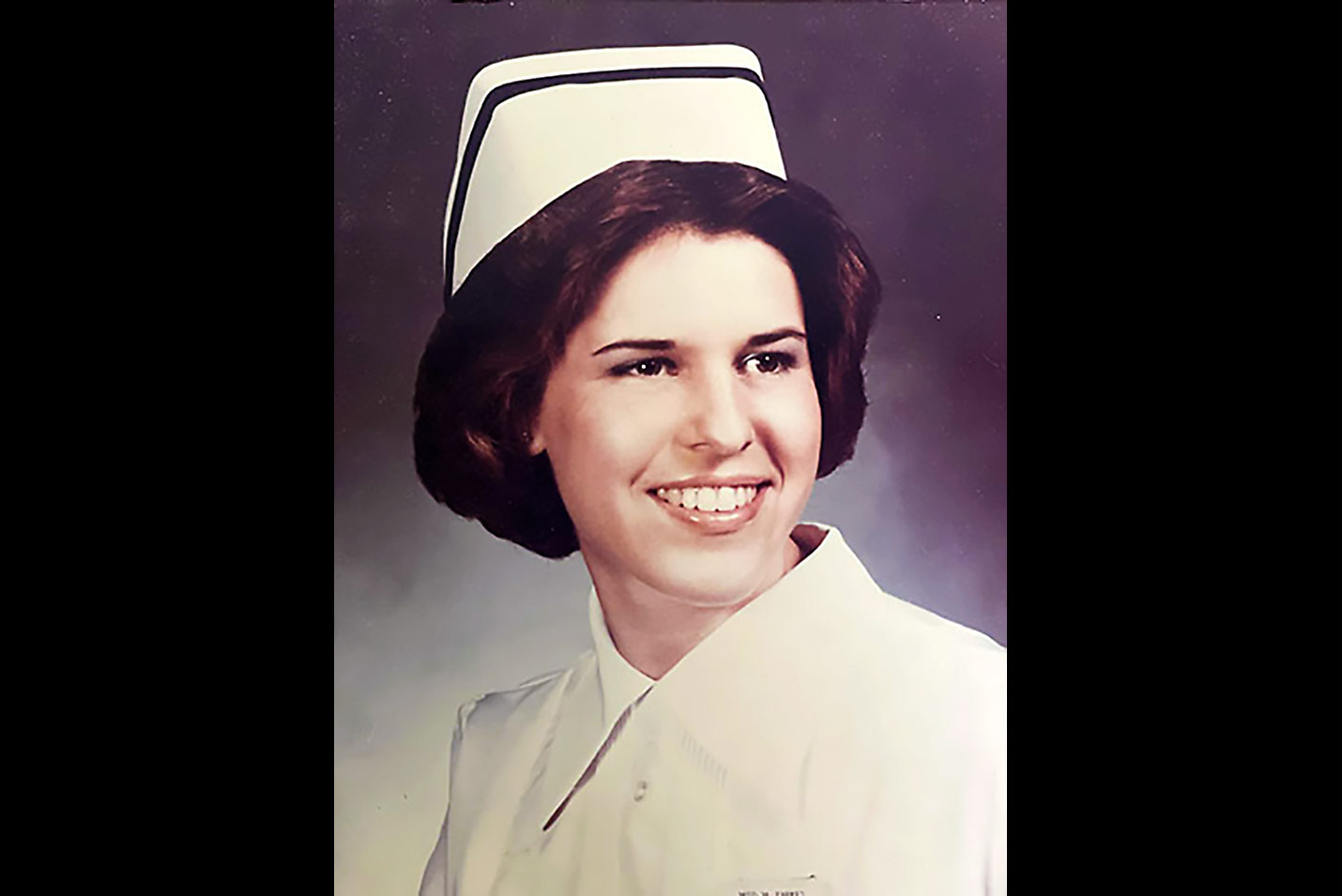
Image: Mary Parkes
-
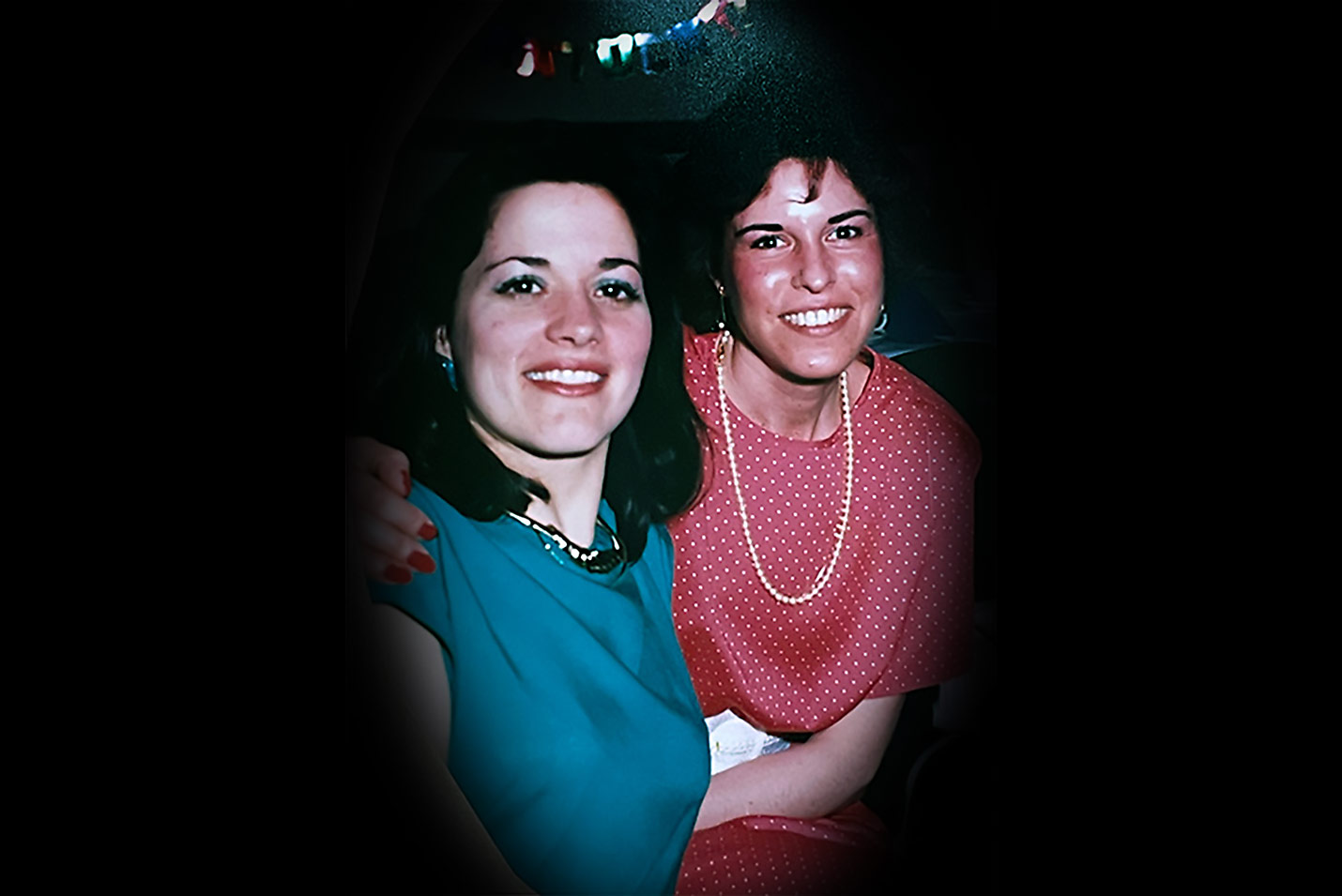
Image: Maureen Prince with Mary Parkes
-
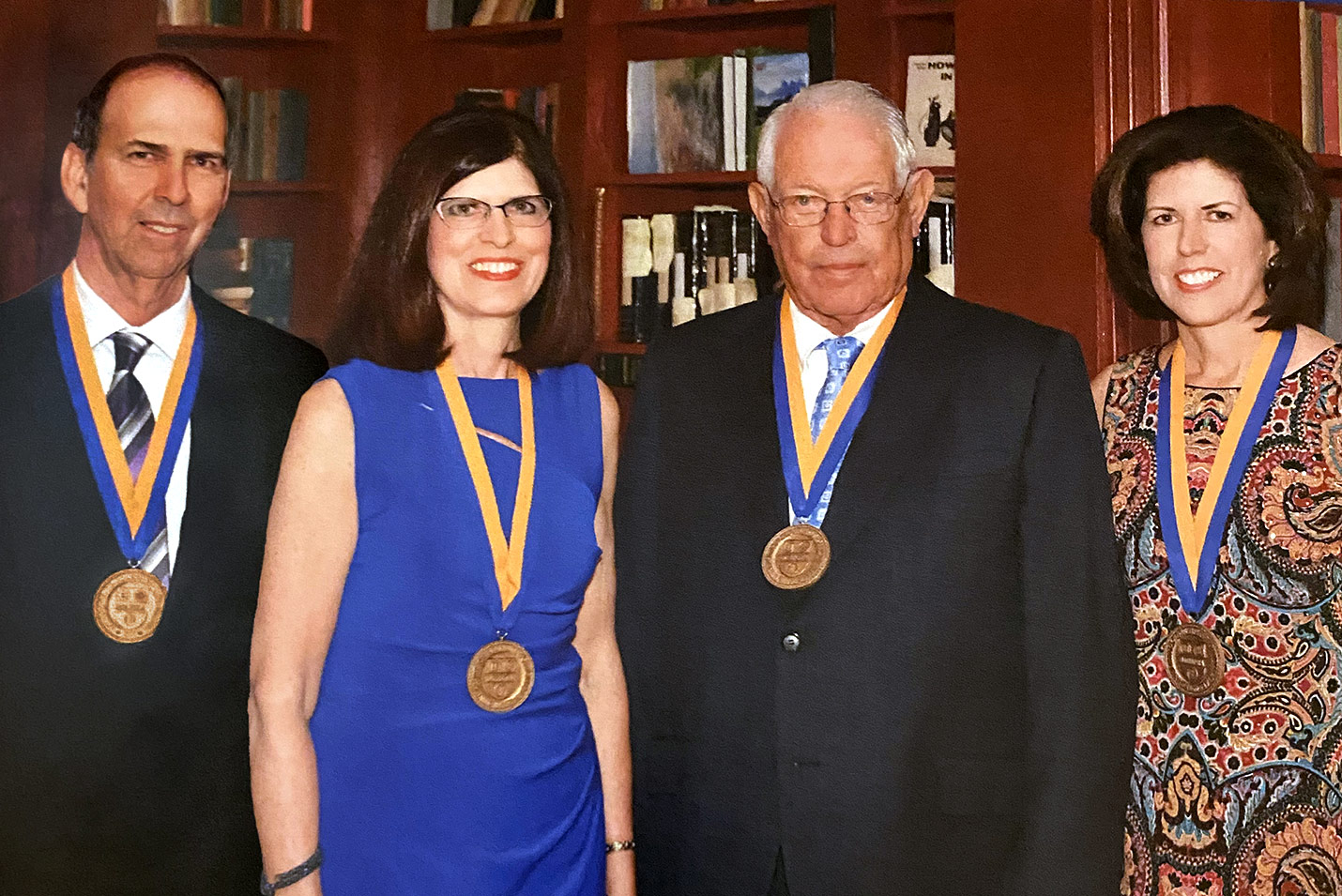
Image: Walter Parkes with his children: Tom, Susan and Linda