

Course Description
Overview
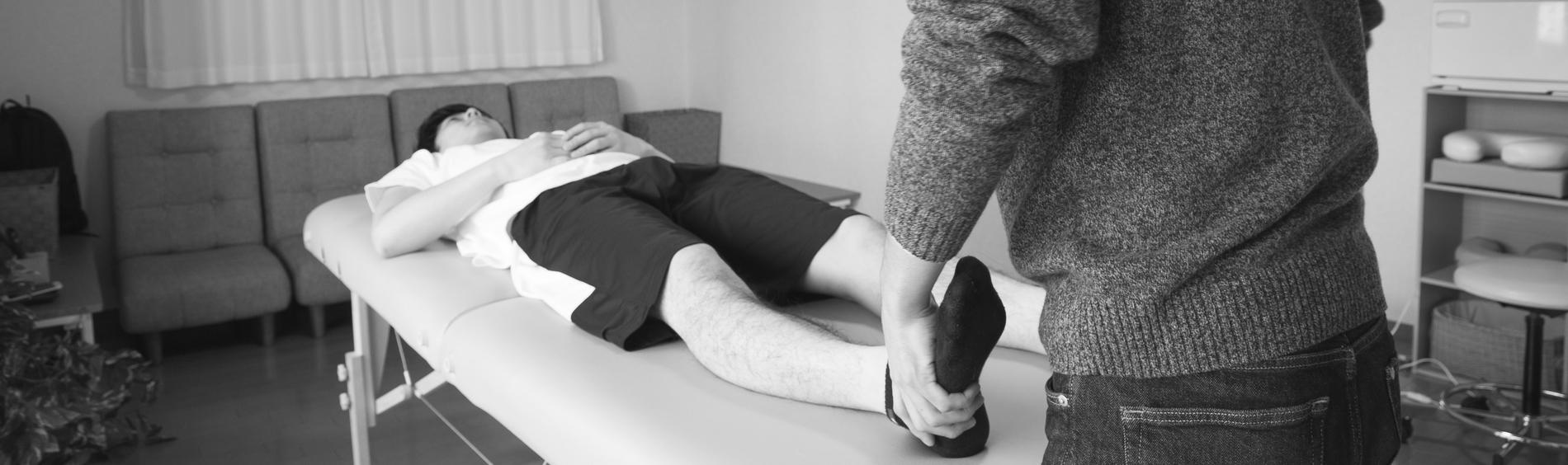
We are all seeing more patients than ever before with invisible conditions, including chronic pain, functional movement/neurologic disorders (FMD/FND), persistent post-concussion syndrome (PPCS), and persistent postural-perceptual dizziness (PPPD). These conditions are related by the common thread of dysfunctional neuroplasticity, often exacerbated by fear and anxiety. How confident are you that you can recognize these conditions, tease out the biopsychosocial layers, and apply the current science to actually help people overcome their disorder?
A key to success is understanding your patient as an individual and empowering them to “rewire” their system. This course is comprised of the latest in rehabilitation techniques focused on fostering patients’ self-efficacy, autonomy, and resilience to decrease the effects of these disabling but misunderstood invisible conditions. Dr. Studer pulls from the latest in psychology, behavioral economics, motor learning, and neuroplasticity, applying each of these evidence-based sciences with soft skills to help your patients achieve their full potential. Emphasis is placed on the application of these important techniques to promote engagement in meaningful recovery.
This course is applicable to physical and occupational therapists in any setting! Chronic pain, functional neurologic disorders, persistent post-concussion syndrome, and persistent postural-perceptual dizziness are common in all realms of therapy. They are becoming increasingly recognized and understood, and you can join the ranks of practitioners that are well-equipped to help patients understand and overcome their condition!
Course Content
- Understanding the patient experience
- Understanding patient behavior (behavioral economics)
- Promoting patient engagement in therapy
- The “invisibles” – the scope of the problem
- The pathophysiologies of PPPD, FMD/FND, PPCS, and chronic pain
- The connections between these (and other) disorders
- Practical applications for each of the invisibles and the commonalities across approaches
- Case studies
Objectives
By the end of this course, attendees will:
- Identify 3 barriers to behavioral change (adopting recommendations) that are commonly seen in healthcare settings.
- Identify 3 applications for behavioral economics in the rehabilitation setting to promote patient engagement and positive behaviors.
- Have sufficient working knowledge to define, identify, and examine: PPPD, FND, chronic pain, and PPCS.
- Be able to describe applications of evidence-based interventions for: PPPD, FND, chronic pain, and PPCS.
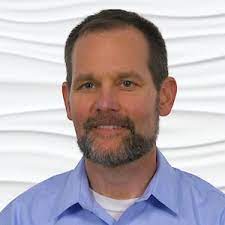 Mike Studer,PT, DPT, MHS,NCS, CEEAA, CWT, CSST, FAPTA has been a PT since 1991, a board certified in neurologic PT in 1995, and a private practice owner since 2005. Dr. Studer has been an invited speaker covering 50 states, 10 countries, and 4 continents speaking on topics ranging from cognition and psychology in rehabilitation, aging, stroke, motor learning, motivation in rehabilitation, balance, dizziness, neuropathy and Parkinson Disease. Dr. Studer is a co-founder and co-owner of Spark Rehabilitation and Wellness in Bend, OR. He is an adjunct professor at Oregon State University’s DPT program, where he leads the coursework on motor control and assists the national network of neurologic PT residencies (Neuroconsortium) as well. Mike is the co-owner of Spark Rehabilitation and Wellness, a multidisciplinary Healthy Aging and Neurology rehabilitation clinic, also in Bend. In 2011, Mike was recognized as Clinician of the Year in the Neurologic and (in 2014) the Geriatric Academies of the APTA. He received the highest honor available in PT in 2020, being distinguished as a Catherine Worthingham Fellow of the APTA in 2020, joining a group of under 300 persons at the time for the history of the profession. Mike’s honors additionally reflect his service for Vice Presidency of the Academy of Neurologic PT, the Mercedes Weiss award for service to the Oregon chapter of APTA. He holds a trademark in dual task rehabilitation and has a patent pending on the same. Over his career, Mike has authored over 35 articles, 6 book chapters, and routinely has clinical research projects in affiliation with one of many universities. He is a consultant to Major League Baseball on the motor control of pitching and hitting. As a very fun and lighthearted note, Mike is the four time and current WR holder for the fastest underwater treadmill marathon, a mark that was set most recently in January 2022.