

Uniting to Improve Maternal Health Outcomes and Take Action in the Region
Uniting to Improve Maternal Health Outcomes and Take Action in the Region
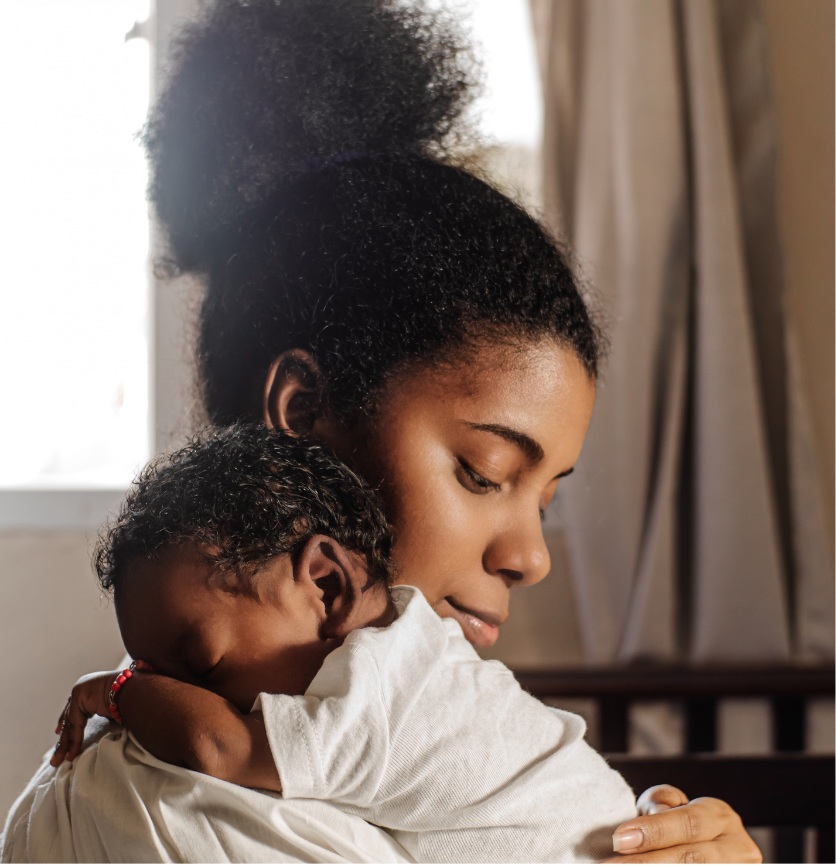 Some communities in the United States and in the Greater Rochester region face a maternal health crisis, with significantly high rates of preterm birth, low birth weight, and maternal morbidity and mortality. These disparities, coupled with other structural and socioeconomic barriers, including limited transportation, housing instability, and food insecurity, make it hard for affected mothers to advocate for themselves and maintain optimum health before, during, and after childbirth.
The Birth Action Collaborative (BAC), a Monroe County-based group convened in 2024 by University of Rochester Medicine’s Center for Community Health & Prevention (CCHP), is working to drive measurable community-informed improvement across the region.
Rooted in shared leadership, the BAC brings together birthing families, community-based organizations, doulas and midwives, clinicians, advocates, and institutional partners to co-develop and implement practical strategies that improve birth outcomes and experiences—particularly for communities that need additional resources to achieve optimal outcomes within maternal care systems.
“Maternal health is a pressing issue that calls for sustained attention and action,” shares Edith Williams, PhD, MS, director of the CCHP and founding director of the Office of Health Equity Research. “Through the Birth Action Collaborative, we are working together to ensure that all mothers and families have the support and opportunities needed to thrive.”
Maternal Health in the Finger Lakes Region and Monroe County
Common Ground Health has studied maternal health equity issues in the Finger Lakes region, as well as Monroe County. One example is data available on the Severe Maternal Morbidity (SMM) measure. This represents labor and delivery outcomes that result in adverse short-term and long-term consequences to a birthing person's health. It is based on 20 indicators as defined by the CDC. In the Finger Lakes region, SMM has been on the rise, up to an all-time high of 77 instances per 10,000 deliveries in 2021-2023. Furthermore, there is a clear disparity in severe maternal morbidity based on race and ethnicity.
Severe Maternal Morbidity has increased 50 percent for mothers who are Black, non-Latina from a rate of 96 per 10,000 deliveries between 2012 and 2014 to a rate of 144 per 10,000 deliveries from 2021 to 2023 (see Figure 1 below).
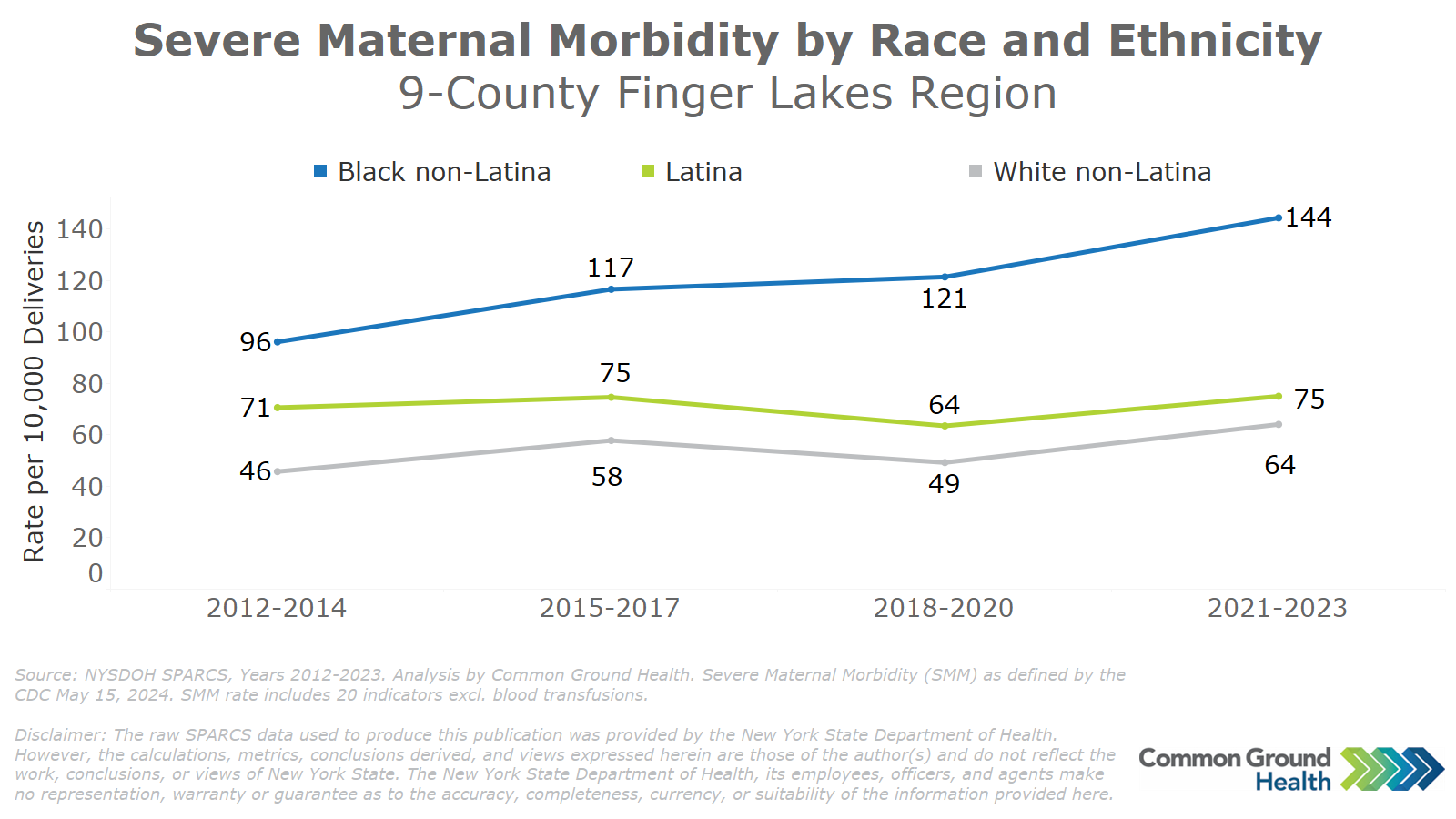
Figure 1
A goal of the current Monroe County Community Health Improvement Plan is to decrease the rate of maternal mortality in Monroe County to meet the New York State Prevention Agenda goal of 16.1 per 100,000 live births and specifically reduce Black maternal mortality and morbidity (New York State Prevention Agenda 2025-2030). The BAC will help with this.
"At its core, the Birth Action Collaborative reflects a fundamental truth: solutions to the maternal health crisis already exist within communities,” shares Twylla Dillion, MBA, PhD, president & CEO of HealthConnect One, national maternal child health consultant, and BAC member. “Our role is to listen, invest, and build systems that honor and sustain that wisdom.”
It Takes a Village
The mission of the BAC is to advance birth outcomes through collective action, by strengthening collaboration among birthing families, community-based leaders, systems partners, and policymakers to improve the quality, accessibility, and accountability of birth care.
The BAC is made up of a variety of cross-sector partners working to build sustainable infrastructure for maternal health equity in the county.
- Health Systems
- University of Rochester Medicine
- Rochester Regional Health (RRH)
- Public Health & Government
- Monroe County Department of Public Health
- Community Health Organizations
- Anthony L. Jordan Health Corporation
- Common Ground Health-Rochester RHIO-Finger Lakes Performing Provider System (FLPSS)
- Healthy Baby Network
- Community-Led & Birth Organizations
- Place of Wisdom
- Royalty Birth Services
- National Maternal & Community Health Consultant
- HealthConnect One
“Our ability to successfully work together is a true example of the type of collaboration that is needed to address the maternal health crisis, particularly among Black families,” shares Danielle Jones, LMHC, CD(DONA) member of the group and owner of Place of Wisdom, a local maternal wellness center. “It cannot be done in silos. We all bring something unique to the table - different ideas, skills, access to data, funding, and direct access to Black mothers.”
Taking Action and Creating Change
The idea of the BAC emerged from the 2024 Dr. Bernard Guyer Lecture Series and Special Public Health Grand Rounds, an annual lecture highlighting leading voices in public health. Dorcey Applyrs, DrPH, MPH, current Albany mayor, catalyzed discussion of safety and disparities in maternal outcomes. Initial BAC partners started gathering monthly to explore ways to collectively strengthen maternal health supports for families in the Rochester region.
From there, regular meetings continued and the group expanded. Trust was foundational to the group’s monthly meetings. This allowed group members time to get to know one another and raise topics that had either not previously been discussed or required repairing of relationships. The group additionally built a charter outlining a vision, priorities, and hopes for future work.
 The Maternal Health Equity Project (MHEP) launched in April 2025 as a grant-funded initiative between leaders from URochester Medicine, RRH, Common Ground Health, and FLPPS who are determined to build a deeper understanding of community needs and meaningful integration between healthcare and community systems. Dr. Dillion, Dina Faticone, MA, chief program officer at Common Ground Health-Rochester RHIO-FLPPS, and Juanita Lyde, chief impact officer at FLPPS, coordinate the project under the BAC’s advisement, collaborating with maternal and child health–engaged organizations across our region to determine best practices and actionable interventions.
Earlier this year, project coordinators facilitated two community listening sessions designed to reach Black mothers in Rochester. Childcare, transportation, and meals were provided. A total of 28 women participated in the sessions, sharing personal experiences of pregnancy, birth, and postpartum. Participating mothers described consistent gaps in maternal care.
“These sessions were essential for grounding the work in lived experience and identifying actionable next steps—particularly the need for stronger, community-centered postpartum support,” shares Dillion.
What Moms are Saying
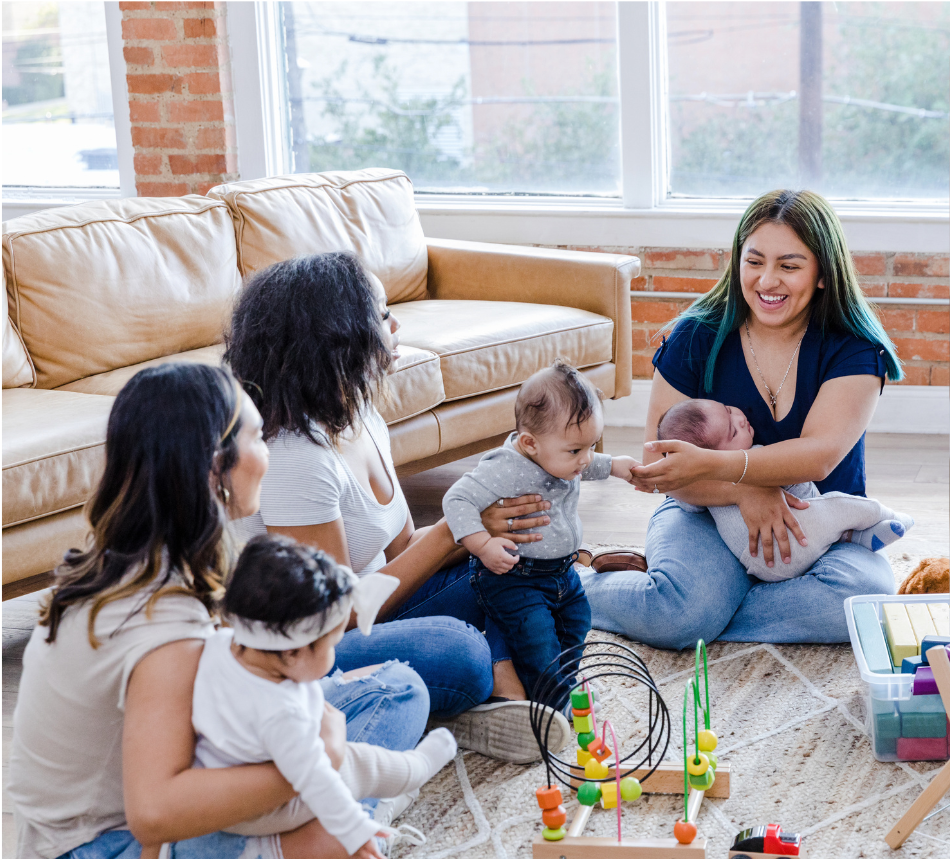
Women in our community are asking for connection, culturally safe care, and real support after birth. Session participants described feelings of isolation during pregnancy and postpartum, not knowing options for care, and wanting spaces to build community with other moms. Research shows that social support improves maternal wellbeing and helps buffer the effects of structural stressors, such as poverty and healthcare access, affecting mothers.
The theme of a third space, a place outside of home (first space) and work (second space), was prominent in discussions. Third spaces act as an anchor in a familiar environment where groups of people can meet while reducing social silos, like a café, library, or community center.
Moving Forward
The MHEP has created a structure for coordinated trusted action across maternal and child health organizations in our region. This goes beyond information sharing and is intended to support aligned, community-informed strategies to address persistent inequities in maternal outcomes.
As an example, the Birth Action Collaborative plans to explore steps to improve the intersection of legal services and maternal outcomes through a collaboration with the Rochester Black Bar Association and local legal service providers. These partnerships would support bidirectional learning and collaboration aimed at improving outcomes for Black birthing families.
The BAC plans to host more community-led maternal connection spaces for women, to expand partnerships, to increase funding to train and retain community-based doulas, as well as enhance public education about birth options and coverage.
Sustained, collective action is essential. If you’re interested in learning more about the Birth Action collaborative, please contact Edith Williams at edith_williams@urmc.rochester.edu or Twylla Dillion at tdillion@healthconnectone.org.