Low Bone Density (Osteopenia)
Make Appointments & Get Care
Low Bone Density (Osteopenia)
Low bone density — also called osteopenia — is a condition in which your bones have lower-than-normal bone density. Having low bone density increases your risk of developing osteoporosis, a disease that causes bones to become weak and more likely to break.
Not everyone with low bone density develops osteoporosis. Preventative lifestyle changes, regular bone density screenings, and treatment when needed can slow bone loss and help you maintain healthy bones for years.
Who Is at Risk for Low Bone Density?
Anyone can develop low bone density, but certain factors increase your risk. Women are at higher risk because bone density decreases when estrogen levels decrease after menopause.
You may be more likely to develop low bone density if you:
- Are age 50 or older
- Are postmenopausal
- Have a family history of osteoporosis
- Have low body weight
- Smoke or use tobacco or drink alcohol heavily
- Do not get enough calcium or vitamin D
What Are the Symptoms of Low Bone Density?
Most people with low bone density have no symptoms.
Because bone density decreases gradually, regular screening is one of the best ways to identify low bone density before it progresses.
How is Low Bone Density Diagnosed?
The most common way to diagnose low bone density is withDEXA scan, also called a bone density test. This quick imaging test measures the strength and density of your bones.
Many people discover they have low bone density after a DEXA scan is ordered because of a fracture or during a routine screening.
Your healthcare provider may also recommend:
- Blood tests to look for medical conditions that affect bone health
- Vitamin D, Calcium, and other testing
- A review of your personal and family medical history
- Fracture risk assessment
Treatments for Low Bone Density (Osteopenia)
Treatment for low bone density focuses on strengthening your overall bone health, decreasing your risk of fractures, and preventing osteoporosis. Our experts will work together to create a personalized care plan based on your health and risk factors.
Early attention to your bone health can lower your risk of fractures, prevent osteoporosis, and help you stay active as you age.
- Regular weight-bearing exercise
- Strength training
- Balance exercises to reduce fall risk
- Quitting smoking
- Limiting alcohol
- Regular bone density screenings
- Calcium-rich foods
- Vitamin D
- A balanced diet that supports bone health
If your fracture risk is high, your provider may recommend medications that help strengthen bones and reduce the risk of osteoporosis.
Stay Moving: Joint Wellness Program
Tailored for people at all fitness levels who have, or are working to prevent, joint pain, this evidence-based program guides you through low-impact movements to maximize strength and mobility while minimizing stress on your joints.
What Sets Us Apart?
As a fully integrated academic health system, we combine advanced imaging technology, minimally invasive treatment techniques, expert surgery, and evidence-based care to offer patients access to innovative therapies close to home.
Our specialists in endocrinology, orthopaedics, rheumatology, geriatrics, and imaging work together to diagnose bone loss early, reduce fracture risk, and help patients maintain independence and mobility.
Patients benefit from:
- Advanced bone density testing
- Personalized low bone density treatment plans
- Access to specialists across multiple disciplines
- Fracture prevention expertise
- Convenient care locations throughout the region
- Research-informed care based on the latest advances in bone health
Providers
Locations
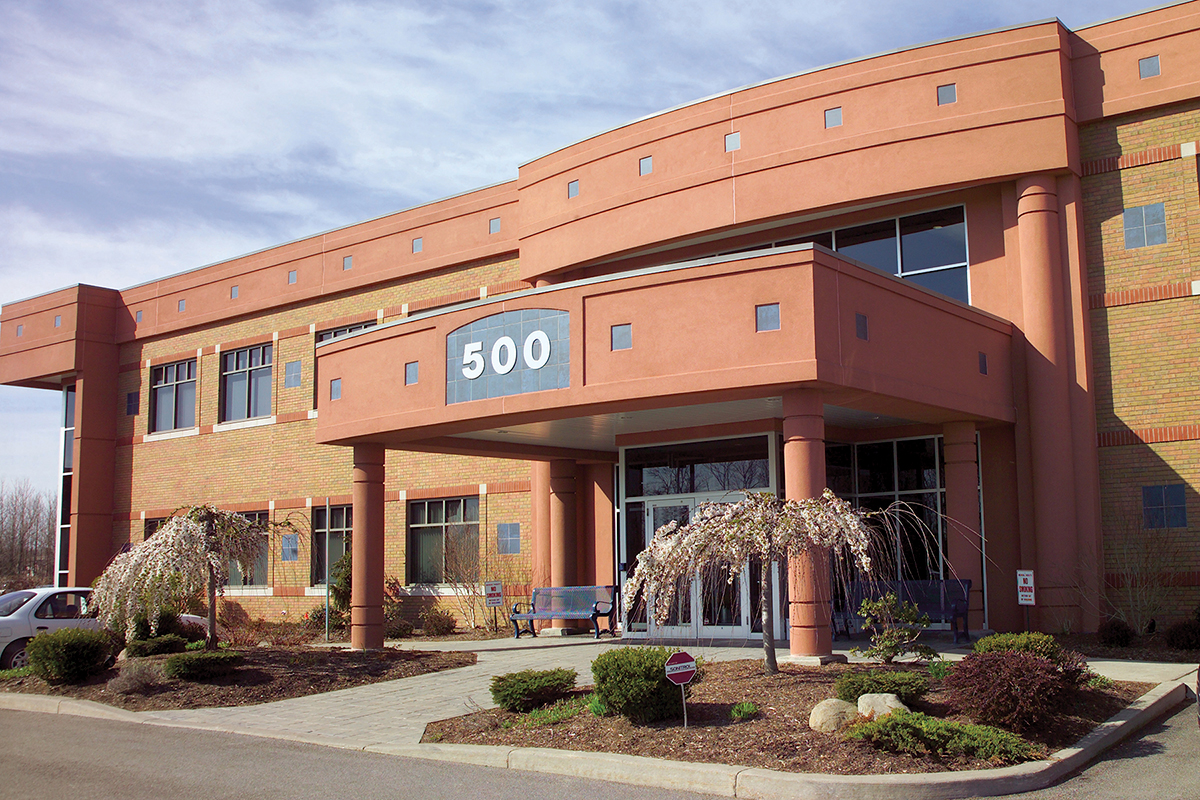
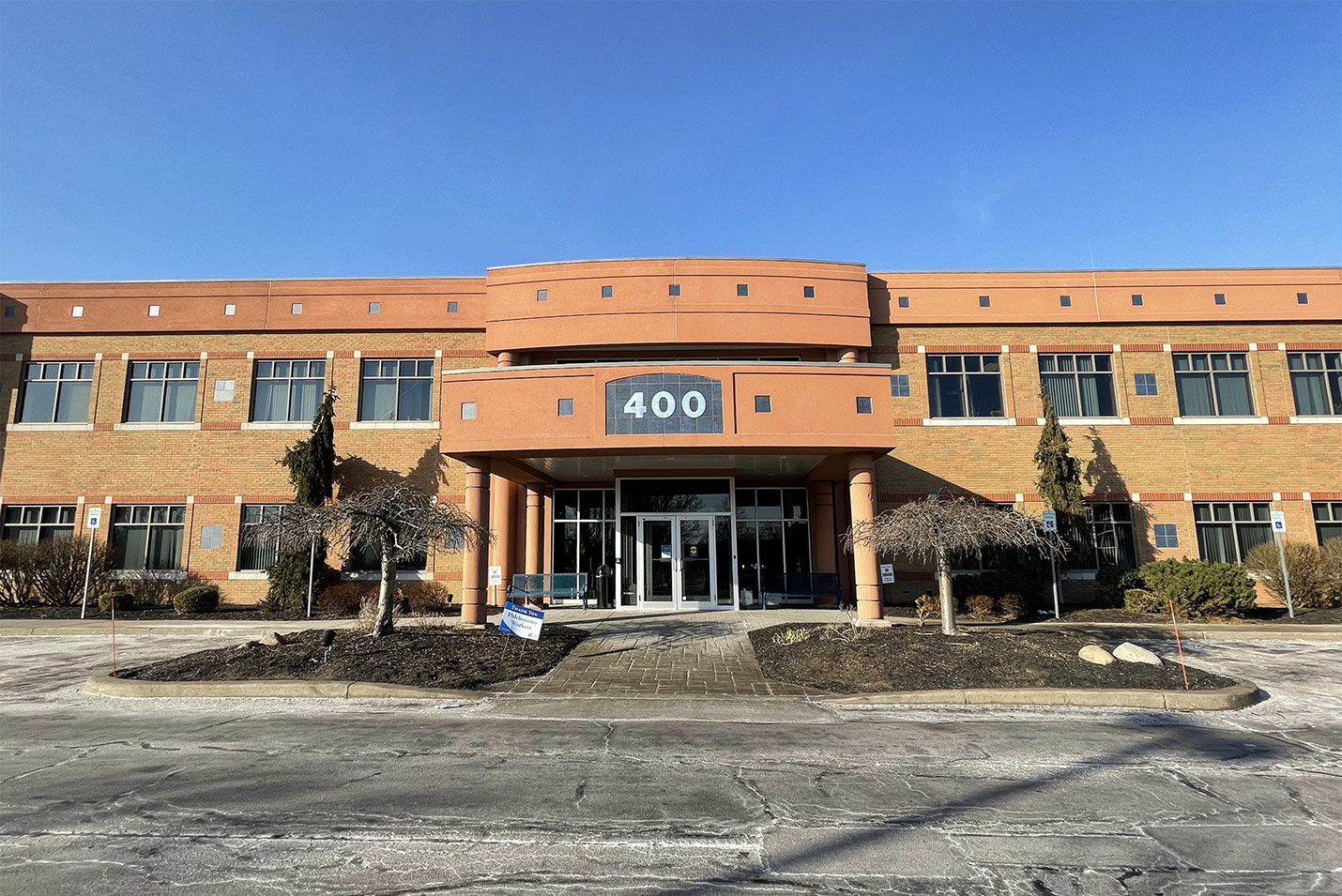
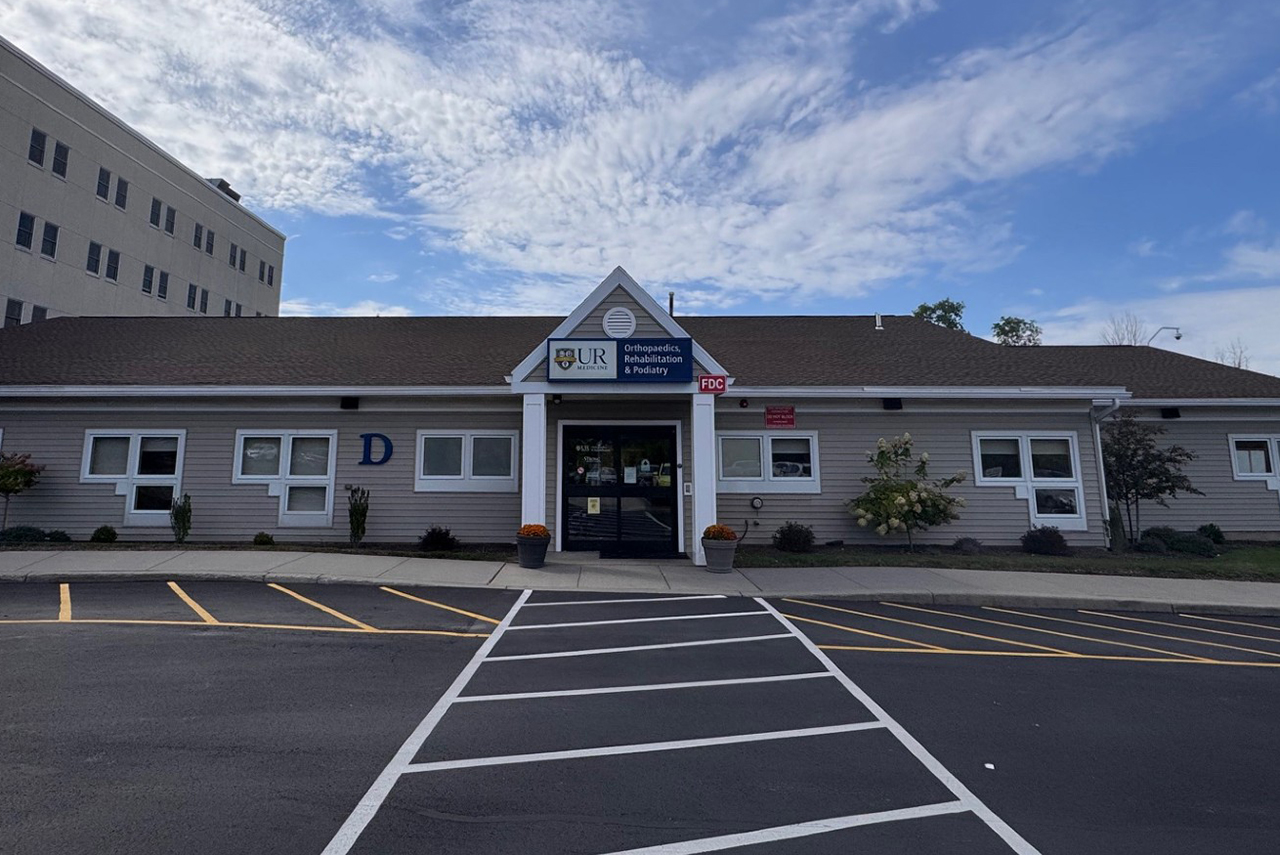
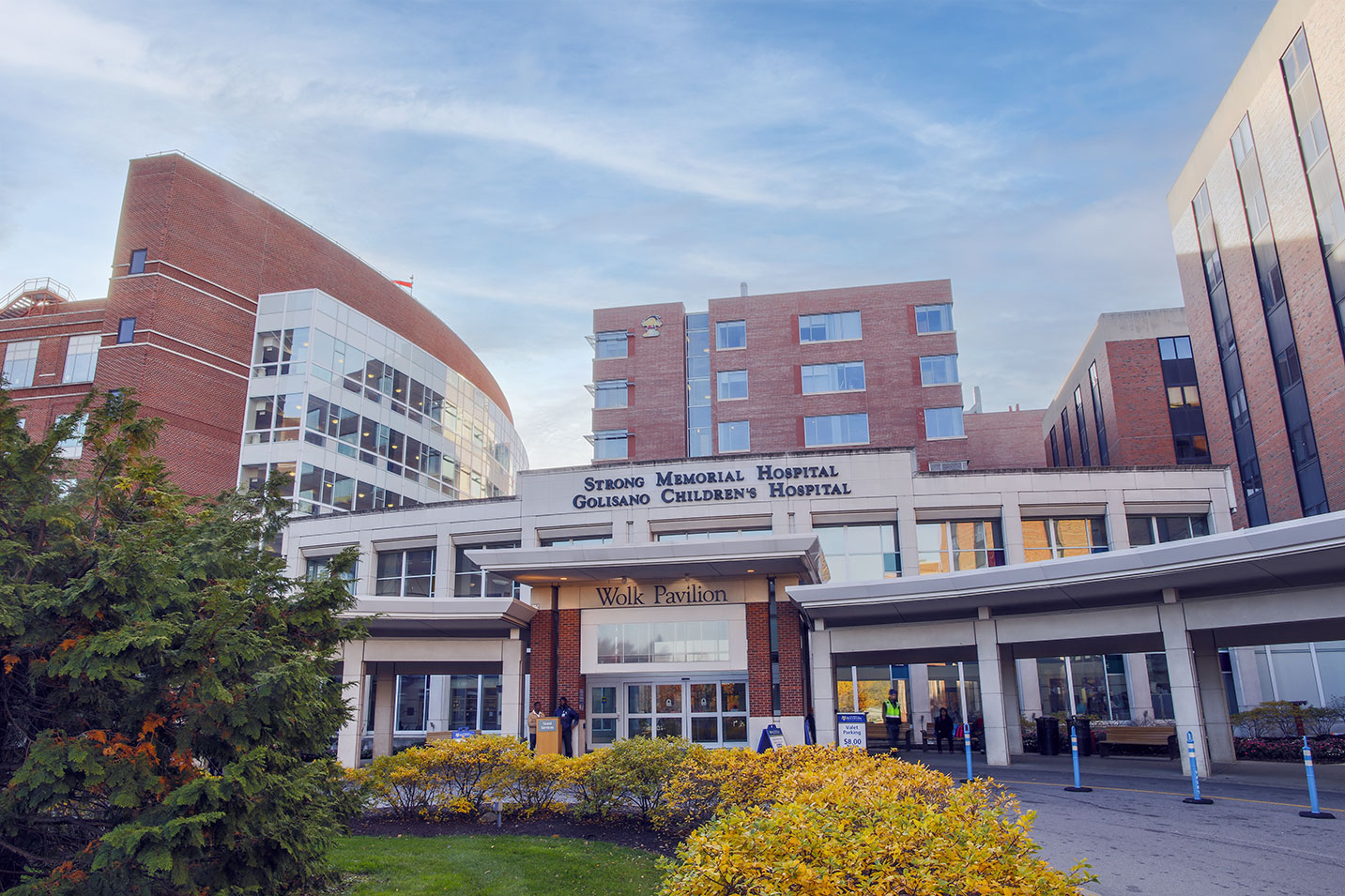
View All LocationsWe serve you in the Rochester metropolitan area and surrounding region. Locations are ordered by distance, with those closest to listed first.
7 locations