Health Equity Curriculum
A longitudinal, multidisciplinary curriculum taught by clinicians and community partners that centers quality, safety, and equity as foundations for clinical practice.
Program Goals
- Understand social and economic challenges patients face and their impact on access and outcomes.
- Explore the interplay between individual challenges in our health system and community-level factors.
- Learn to advocate for patients as individuals and for populations within our community.
Program Components
As part of the Meliora Medicine Curriculum: Quality, Safety and Equity as Foundations for Clinical Practice, residents receive:
- Didactic Conferences: Topics include housing, transportation, structural inequalities and practical frameworks for complex biopsychosocial care.
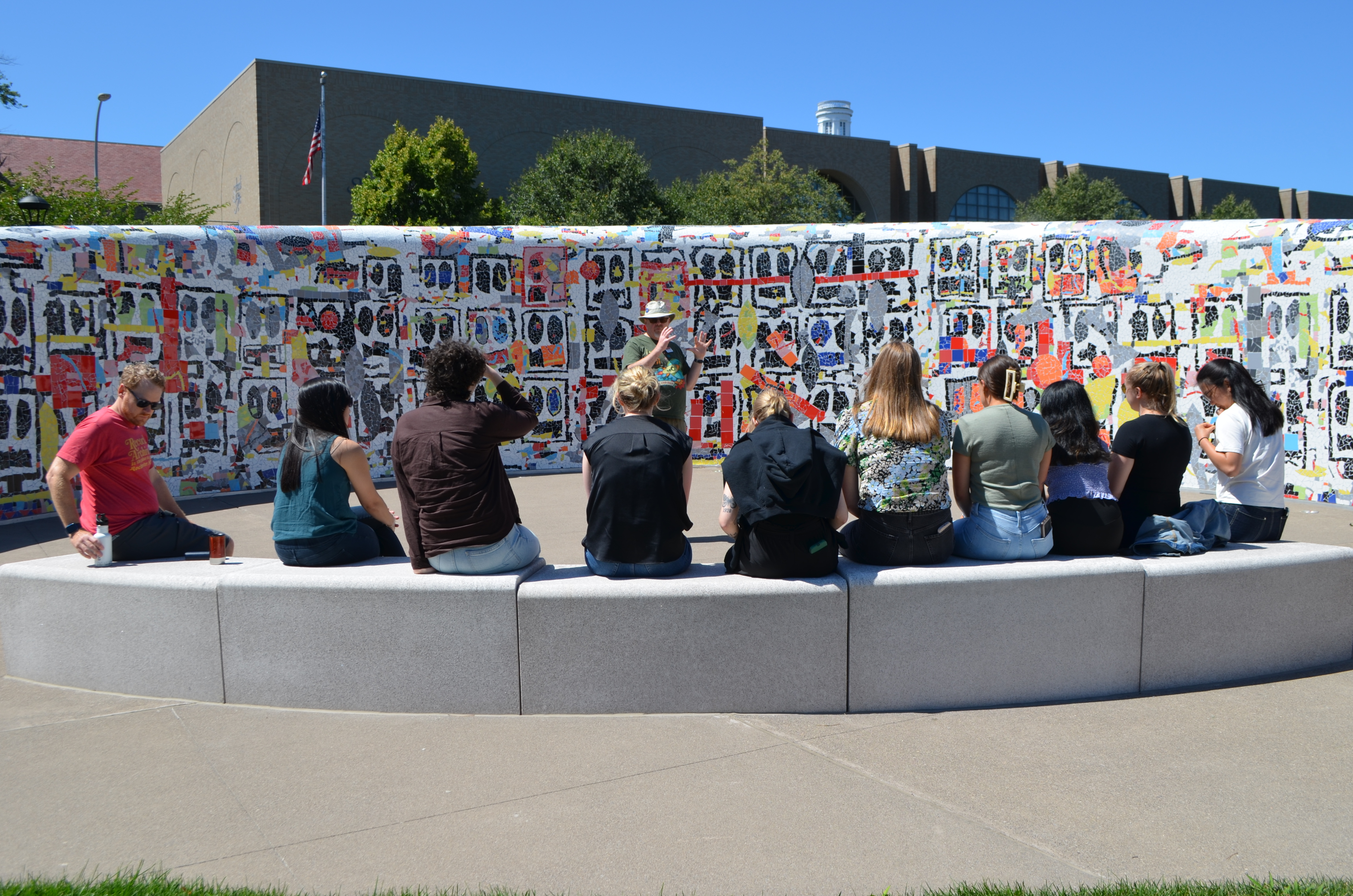
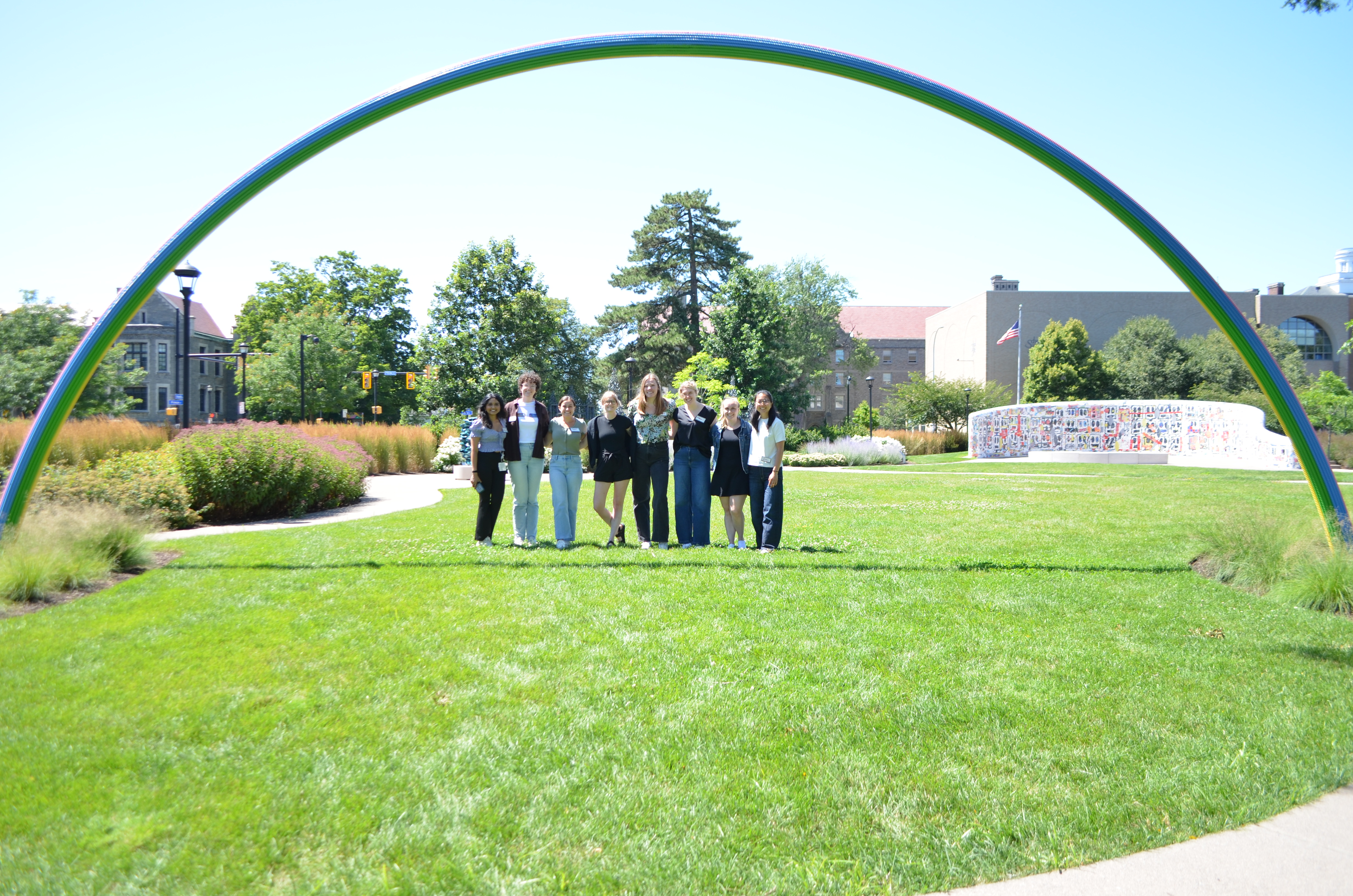
- Community Outreach: PGY-1 ambulatory blocks include visits to community partners to strengthen inter-agency collaboration.
- Medical Legal Partnership : Training in clinics that provide free civil legal services to address health-harming legal needs.
- Advocacy: Opportunities for quality improvement, research, and an optional CARE track through the Hoekelman Center .
– Maggie Derleth
Education
- Longitudinal Ambulatory Education curriculum
- Community Agency site visits
- Monthly Advocacy tips
- Disability Advocacy training
- Community Outreach elective
Distinction Track
- Direct mentorship by national leaders in Community Health and Advocacy
- Protected time on ambulatory block to develop community partnership
Project & Presentations
- CARE track presentation
- Community Focused QI Projects
- Reflective Writing on community outreach elective
- Local, regional and national presentation opportunities
Community Outreach — Internal Medicine Residency
The URMC Health Equity Curriculum offers tiered commitment to work within our community. Our goal is to help residents develop and strengthen partnerships with individuals and agencies outside the four walls of the medical practice.
Community Outreach (Required Intern Year)
- Introductory meeting at the Central Library with all residents to consider Ableism
- Each resident goes to five additional community visits throughout intern year with a cohort of peers while on ambulatory rotations
- Debrief sessions to consider the role of physicians within the community
Community Outreach Elective
- With support, develop learning objectives for individualized community-based education
- Identify and develop a project with a community partner agency to be completed at the partner site under their guidance
- Complete a final reflective paper
Example — Palliative Care
Specialty of Interest: Palliative Care
Community Agency: Lifespan
Resident: Emily Wu
Faculty Collaborator: Denzil Harris
- Explore how community-based aging services, including those provided through the Community Care Connections program, contribute to improved health outcomes for older adults.
- Identify local and regional resources, referral processes, and care models that support individuals facing geriatric addiction disorders, including substance use and medication misuse.
- Introduce palliative care concepts and their alignment with Lifespan’s mission to promote aging well.
Example — Post-Incarceration & Health
Specialty of Interest: Primary Care, Post-Incarceration and Health
Community Agency: Anthony L. Jordan Health Center
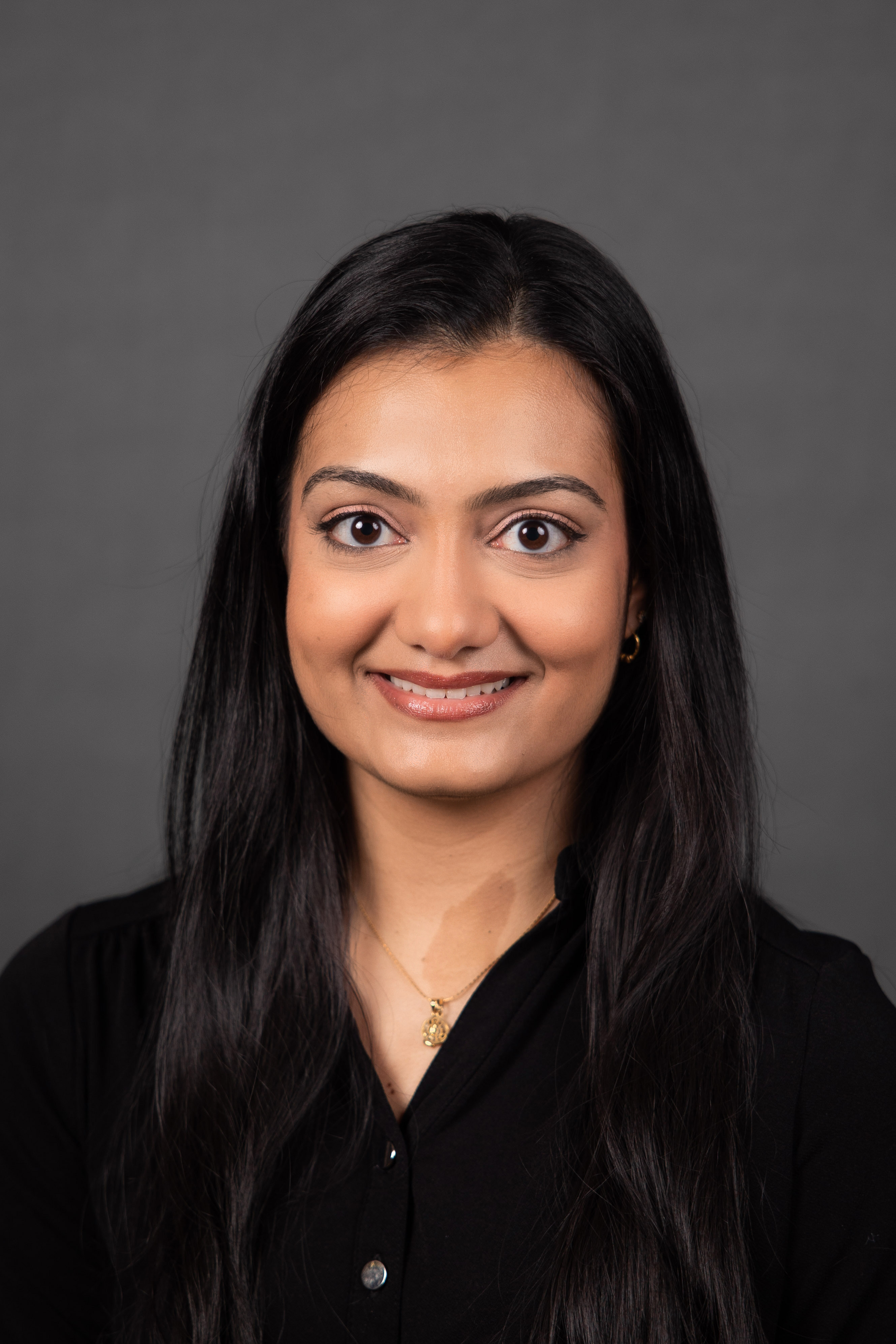
Resident: Chaitya Joshi
Faculty Collaborator: Diane Morse
- Apply a broad understanding of health outcomes associated with the US carceral systems to work with individuals post-incarceration.
- Synthesize complex social, psychiatric, and physical demands in assessing the needs of individuals acutely and chronically post-incarceration.
- Demonstrate trauma informed and shared decision-making skills in the care of individuals post-incarceration.
– Chaitya Joshi
Community Health & Advocacy (CARE) Track
- An elective two-year (three-year for Med-Peds) longitudinal experience, starting in the second year of residency. Since its beginning, there have been over 200 participants.
- CARE starts with a two-week “mini-MPH” block. CARE project areas are determined by each resident's interests.
- CARE Track is an opportunity to make a difference in partnership with community organizations. Along the way, CARE residents learn many skills (public speaking, program evaluation, project planning, grant writing, advocacy, identification of evidence-based public health practices) that they can use for the rest of their lives. And it’s re-energizing.
- For additional info about CARE projects: CARE Track , or Hoekelman Center . It is okay with us in CARE Track to combine CARE with other tracks. CARE graduates have gone on to careers in primary care, global health, research, and just about every subspecialty from NICU to Geriatrics.
- All interested applicants are welcome to contact Dr. Andy Aligne or Dr. Mahala Schlagman to discuss the details of participation in the track and should make the Rising Chief residents aware of their interest before December 31st of Intern Year. A sample of the project development timeline is below.
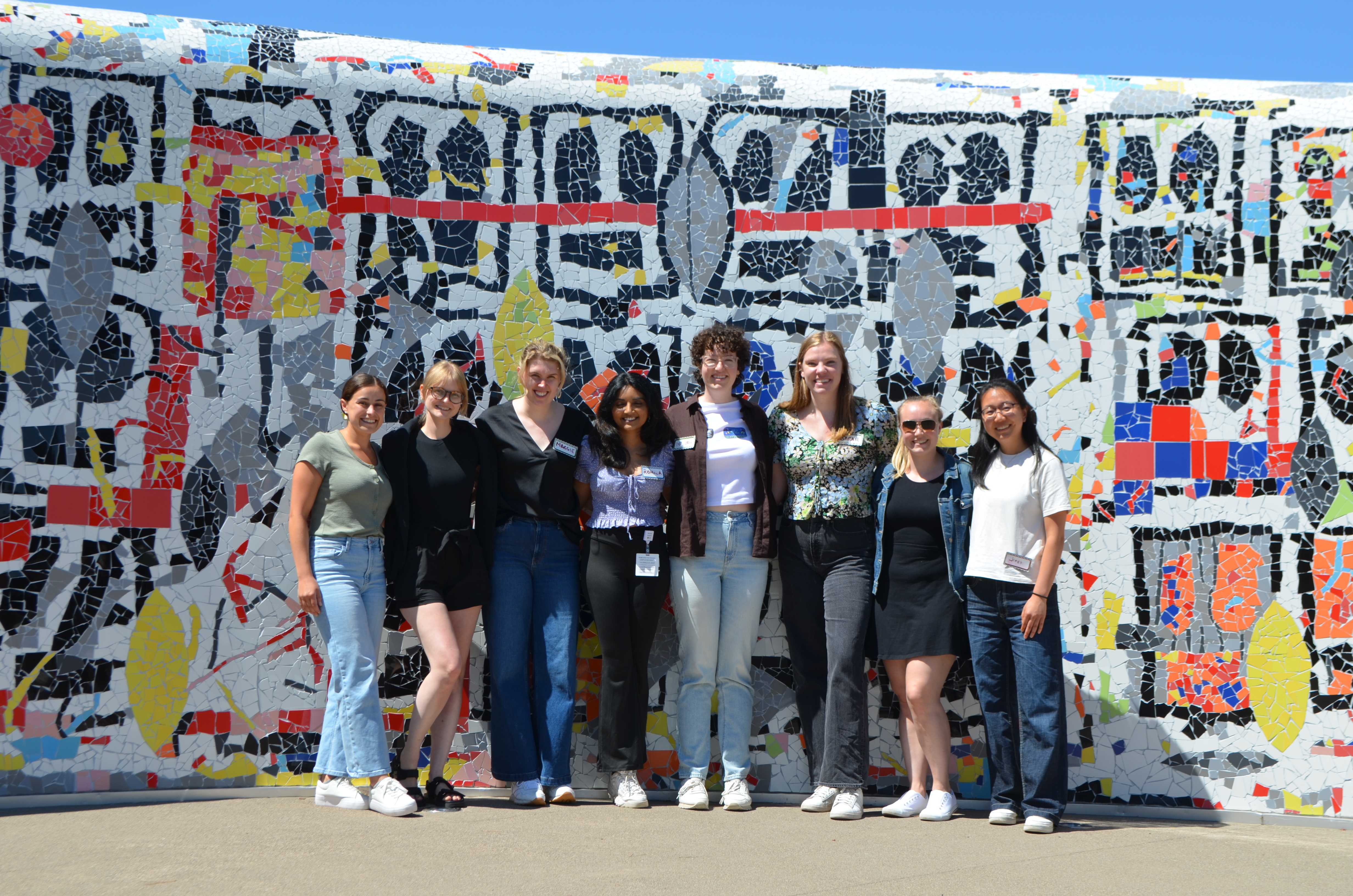
Faculty and Staff Collaborators
- Andy Aligne, M.D., M.P.H. — Hoekelman Center Director & Director of CARE Track
- Sarah Collins-McGowan, MD — Assistant Director, CARE Track
- Denzil Harris, MD — Palliative Care Community Engagement & Education
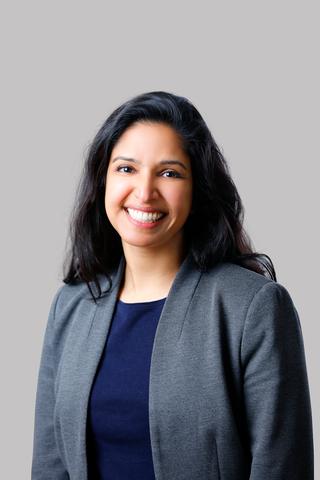
- Rashmi Jasrasaria, MD — Physician Liaison, CCHP Community Partnerships
- Rosa M. Lloyd, M.B.A. — Hoekelman Center Manager
- Diane Morse, MD — Director, Transitions-WISH Clinic at Jordan Health
- Mahala Schlagman, MD — Assistant Program Director for Health Equity, IM Residency
- Melissa Mroz, MD, MPH — Medical Director, Strong Internal Medicine
Q: Dr. Jasrasaria, can you share one of the projects you have been working on recently?
A: I am working closely with Refugees Helping Refugees to create a community-based, culturally responsive preventative health series with the Cancer Services Program at the Center for Community Health and Prevention. We hope to provide information, be available for Q&A, and invite the Wilmot Cancer Center mobile mammography van to visit the nonprofit site and screen interested individuals.
Community Outreach Sites & Partners
URMC Internal Medicine and the Hoekelman Center prepare residents to serve our community. Sample partners include:
Selected Works
2025
K Gurditta, A Blatt, A Verwey, A Kroening, M Schlagman — Implementing an Accessibility Activity to Improve Education on Ableism for Internal Medicine Residents. Poster Presentation. Society of General Internal Medicine Annual Meeting, Hollywood, FL. May 2025.
2024
Loria S, Agyingi S, Frey M, McGill B, Molongo M, Russo R, Mroz M, and Schlagman M — A Qualitative Analysis of the Impacts of a Medical Legal Partnership on Staff in a Primary Care Clinic. University of Rochester Breaking Down Silos Symposium, April 2024.
2023
Cyer A, Zand H, Liddle E, Malaret B, Mroz M — Higher rates of food insecurity in medical resident clinic compared to county: Screening one year after creation of a food pantry. University of Rochester Medical Center, Resident Poster Day, October 2023.
S Mincer, M Molongo, R Russo, J Maguire, M Schlagman — Medical Legal Partnership Success: An Internal Medicine–Family Medicine Interdepartmental Collaborative. Poster presentation, Family Medicine Education Consortium, Philadelphia, PA. Presented by S Mincer. September 2023.
2022
Kruzer K, Lorgrono G, Pillai P, Usman S, Liddle E, Malaret B, Mroz M — Innovative approach to food insecurity in medical resident clinics: Creation of a Food Pantry. University of Rochester. NYACP 1st place winner. 2022.
G Farrell, T Love, L Clark, M Schlagman — Unequal distribution: Access to SARS-COV2 testing sites in comparison to SARS-COV2 positivity rates in Monroe County, NY March – October 2020. Poster presentation, Society of General Internal Medicine Annual Meeting, Orlando, FL. April 2022.
SO Ayo, S Mincer, R Russo, RJ DeVore, M Molongo, S Carpino, K Lashway, W Strassner, M Schlagman — An Innovative Multidisciplinary Approach to Quantify Referrals to our Medical Legal Partnership. Poster presentation, Society of General Internal Medicine Annual Meeting, Orlando, FL. April 2022.