Ultrasound
What is an Ultrasound?
Ultrasound, also called sonography, is a safe, non-invasive imaging exam that uses high-frequency sound waves to create real-time images of structures inside the body. It can be used to take a closer look at organs, blood vessels, muscles, and other soft tissues.
Your provider may recommend an ultrasound to:
- Diagnose pain, swelling, or other symptoms
- Evaluate organs and soft tissues
- Monitor pregnancy and fetal development
- Examine blood flow through arteries and veins
- Guide biopsies and other minimally invasive procedures
Ultrasound generally involves little or no discomfort, as it is non-invasive. It does not use radiation and there are no known side effects. Because ultrasound does not use radiation, it's safe for many patients, including children and during pregnancy.
Schedule an appointment or ask about your upcoming exam.
Call (585) 784-2985Our Approach
Whether you need a routine diagnostic exam, a specialized vascular ultrasound, or an ultrasound-guided procedure, University of Rochester Medicine is committed to providing expert care close to home. Our provides comprehensive ultrasound imaging to help diagnose, monitor, and guide treatment for a wide range of medical conditions, including:
Abdominal Ultrasound
Used to evaluate the liver, gallbladder, pancreas, kidneys, and spleen. This exam helps diagnose abdominal pain, swelling, infections, gallstones, kidney disease, and other conditions affecting the abdomen.
Learn more about our abdominal imaging services.
Breast Ultrasound
A breast ultrasound uses sound waves to evaluate breast tissue and investigate areas of concern found during a physical exam or mammogram. It can help distinguish between fluid-filled cysts and solid masses and may be used to guide breast biopsies.
Pelvic Ultrasound
Creates detailed images of the uterus, ovaries, bladder, and other pelvic organs. It helps diagnose conditions such as pelvic pain, abnormal bleeding, ovarian cysts, fibroids, infertility, and other gynecologic conditions.
Thyroid Ultrasound
A thyroid ultrasound examines the thyroid gland to evaluate nodules, enlargement, cysts, and other abnormalities. Your healthcare provider may use this exam to help diagnose thyroid conditions or guide a thyroid biopsy.
Soft Tissue Ultrasound
Soft tissue ultrasounds evaluate muscles, tendons, ligaments, and other soft tissues throughout the body. It helps diagnose lumps, cysts, fluid collections, hernias, and other soft tissue abnormalities without radiation.
Level II Fetal Ultrasound
Our AIUM-accredited Level II diagnostic ultrasound center provides advanced fetal ultrasound for pregnancies that require a more detailed evaluation.These tests are performed and interpreted by specialists with advanced training in maternal-fetal imaging. Our team includes 14 dedicated obstetrical sonographers who are ARDMS certified and experienced in evaluating complex fetal conditions.
Learn more about advanced fetal diagnostic testing.
Pediatric Ultrasound
Our pediatric imaging specialists are experienced in caring for infants, children, and adolescents. We use child-friendly techniques and advanced ultrasound technology to diagnose a wide range of conditions while creating a comfortable experience for young patients and their families.
Vascular Ultrasound
Evaluates blood vessels and blood flow throughout the body. These specialized studies help diagnose aneurysms, narrowed arteries, blood clots, and other circulation problems without surgery or radiation. We offer:
- Abdominal Aortic Ultrasound: Examines theabdominal aorta, the body's largest artery. This exam is commonly used to screen for or monitor an abdominal aortic aneurysm (AAA).
- Abdominal Doppler Ultrasound: Looks at blood flow through the arteries and veins in the abdomen. This exam can help identify narrowed blood vessels, blockages, or other conditions that affect circulation.
- Mesenteric Doppler Ultrasound: Evaluates blood flow through the arteries and veins supplying the stomach and intestines. This study helps diagnose conditions affecting intestinal circulation.
Ultrasound-Guided Procedures
Ultrasound is also an important tool for guiding minimally invasive procedures. Real-time imaging allows physicians to accurately visualize blood vessels, organs, and soft tissues during treatment.
Our Interventional Radiology specialists perform ultrasound-guided procedures such as:
- Biopsies
- Fluid aspirations and drainages
- Abscess drainage
- Joint and soft tissue injections
- Vascular access procedures
- Other image-guided interventions
Learn more about Interventional Radiology.
What to Expect During Your Ultrasound
Most ultrasound exams take between 30 and 60 minutes.
During your exam:
- A sonographer will apply a small amount of warm gel to your skin.
- A handheld device called a transducer is moved over the area being examined.
- Images are captured in real time.
- A radiologist reviews the images and sends results to your referring provider.
Most patients can return to normal activities immediately after their exam.
Preparing for Your Ultrasound
Preparation depends on the type of ultrasound you are having. Your care team will provide specific instructions before your appointment.
Some abdominal ultrasounds require fasting for several hours before your exam. Drinking water may still be allowed. Follow the instructions provided by your care team.
- Up to 16 years old: no preparation is required.
- 17 years and older
- For morning appointments, have nothing to eat after midnight. Drink 16 to 24 ounces of water before the exam.
- For afternoon appointments, have nothing to eat for six to eight hours before the exam. Drink 16 to 24 ounces of water before the exam.
You may be asked to arrive with a full bladder. This helps improve image quality for certain pelvic examinations.
- Up to 3 years old: give clear liquid (no carbonation) from a half hour before your appointment until you arrive.
- 4–11 years old: drink 16 ounces of clear liquid (no carbonation) a half hour before your appointment until you arrive. Do not urinate.
- 12 years and older: start drinking 24 to 32 ounces of water (no carbonation) one hour before your appointment until you arrive. Do not urinate
Some vascular ultrasound exams require little or no preparation. Others may require fasting depending on the blood vessels being evaluated. Your scheduling team will explain any preparation that is needed.
Preparation varies depending on the stage of pregnancy and the type of exam being performed. Your healthcare provider will provide instructions before your appointment.
What Sets Us Apart?
Choosing where to receive imaging matters. At URochester Medicine, our patients benefit from the expertise of an academic health system where imaging specialists work closely with physicians across many specialties.
Our team offers:
- Fellowship-trained radiologists with expertise across multiple imaging specialties
- Registered diagnostic medical sonographers experienced in general and vascular ultrasound
- Specialized vascular ultrasound performed using advanced imaging technology
- Ultrasound-guided procedures performed by Interventional Radiology specialists
- Close collaboration with vascular surgery, cardiology, gastroenterology, obstetrics and gynecology, oncology, and primary care providers
- Access to additional imaging, advanced procedures, and specialty care when needed—all within one integrated health system
By combining advanced technology with coordinated, patient-centered care, we help deliver timely diagnoses and personalized treatment plans.
Locations
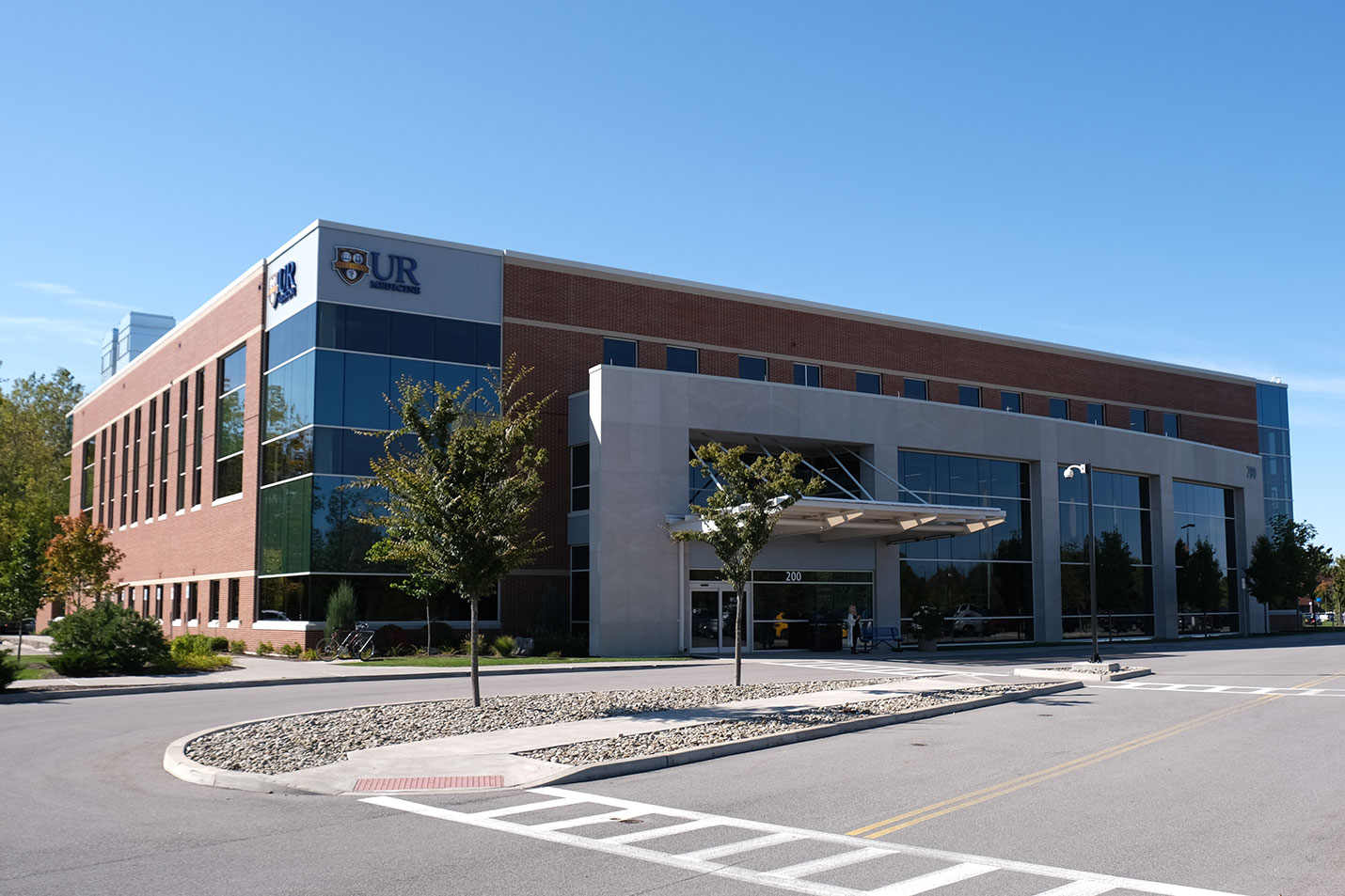
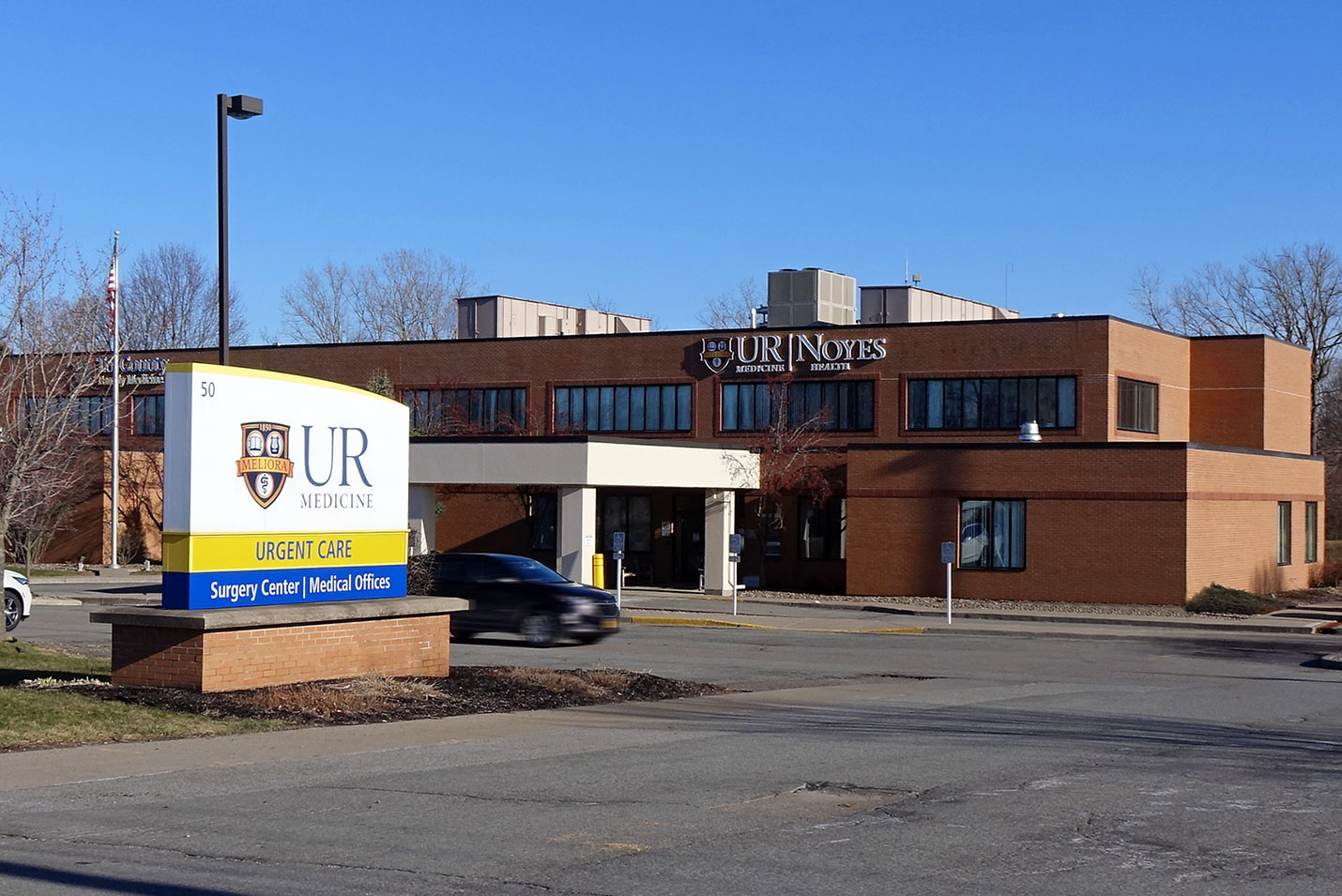
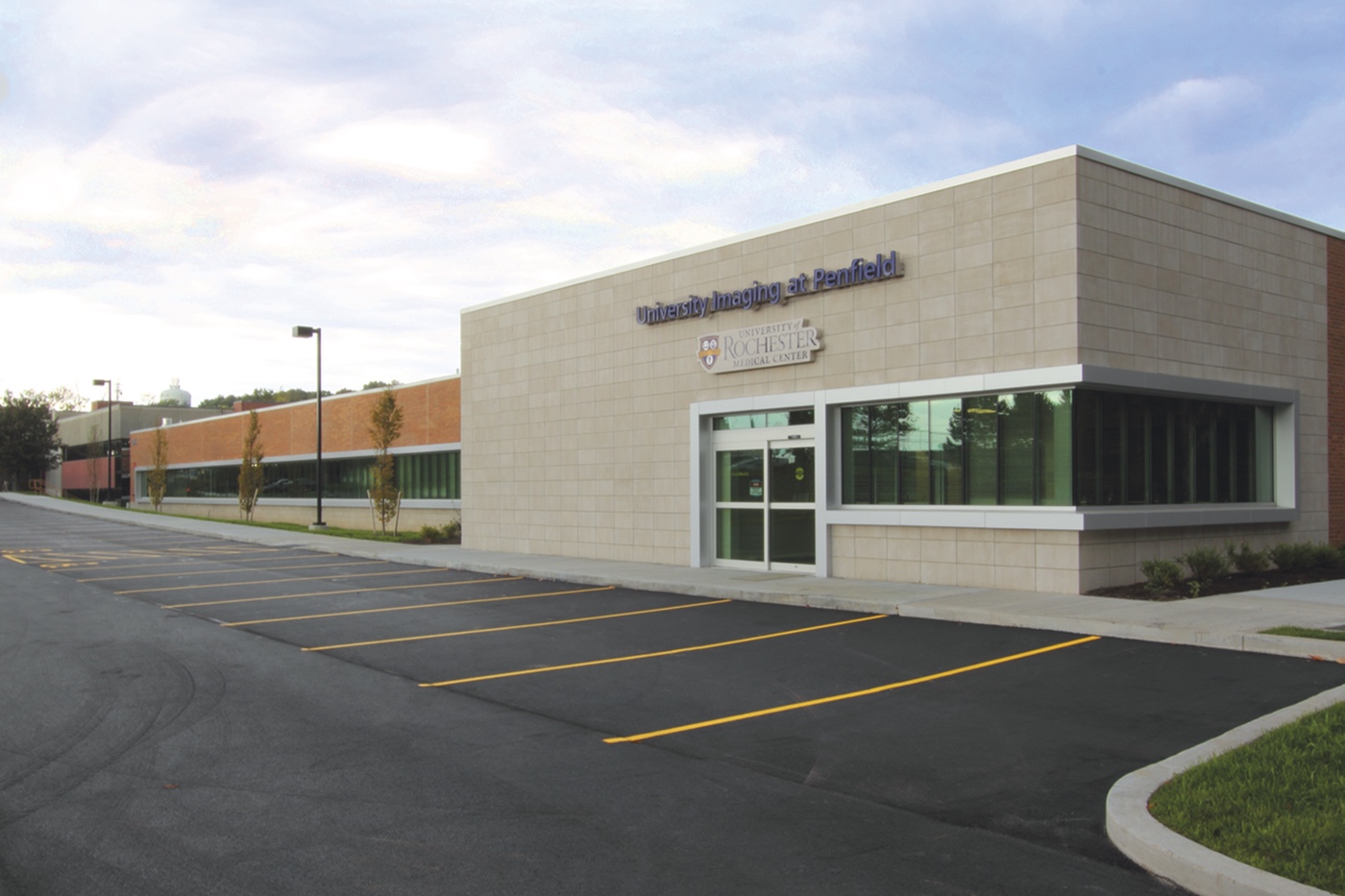
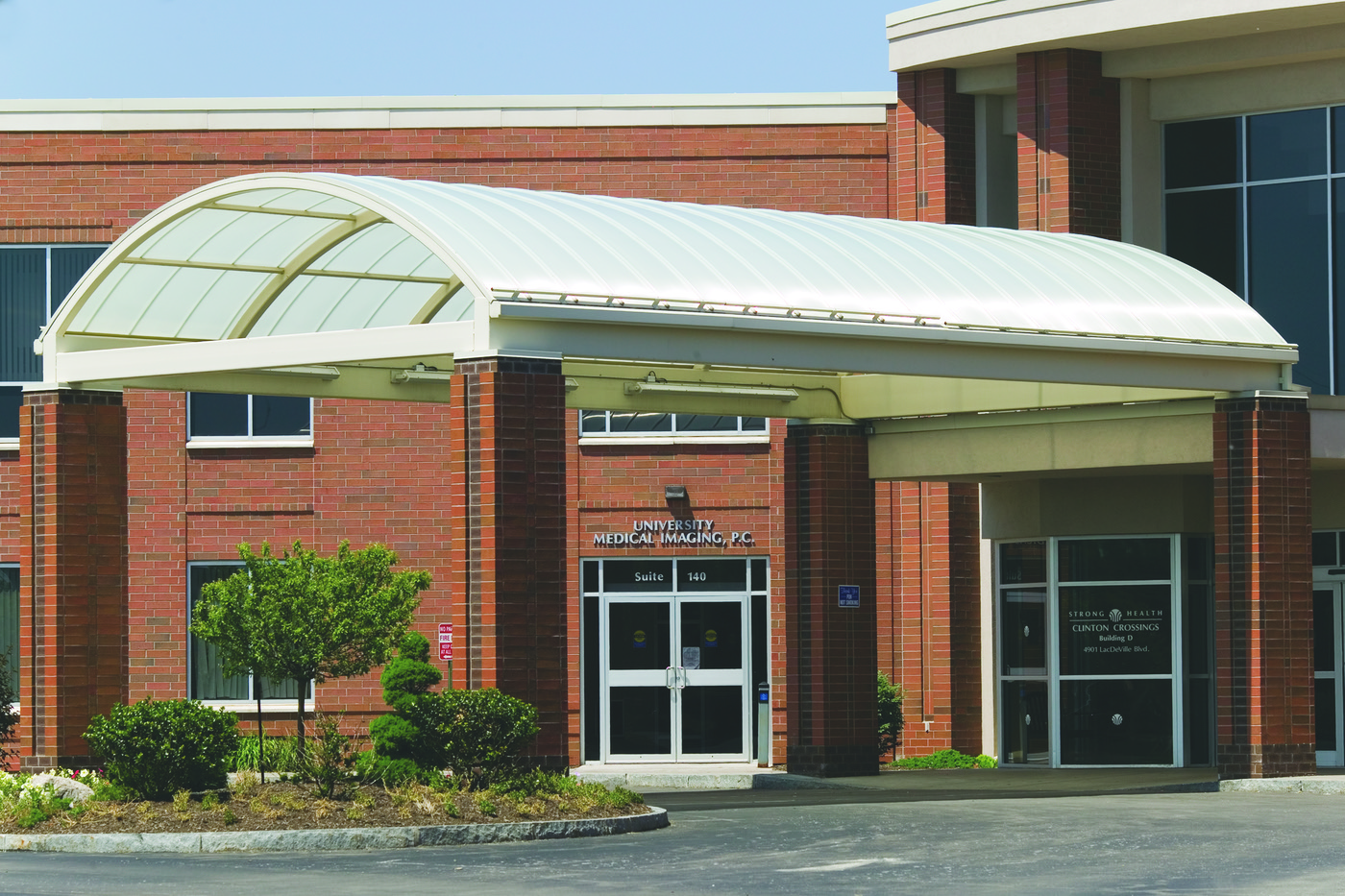
View All LocationsWe serve you in the Rochester metropolitan area and surrounding region. Locations are ordered by distance, with those closest to listed first.
16 locations