Kidney Failure
Make Appointments & Get Care
What is Kidney Failure?
Kidney failure happens when your kidneys can no longer filter waste and fluid from your blood. Without functioning kidneys, harmful waste builds up in the body and can lead to life-threatening complications.
Patients with kidney failure may need treatment for the rest of their lives. At University of Rochester Medicine, our nephrology and transplant teams provide expert care to help you manage kidney failure with confidence.
There are two types of kidney failure:
- Acute kidney injury starts abruptly and can sometimes be reversed.
- Chronic kidney disease progresses slowly and can lead to permanent kidney failure, also called end-stage renal disease (ESRD).
Causes of Kidney Failure
Kidney failure usually develops after long-term damage from another condition. The most common causes include:
- Diabetes – High blood sugar over time can damage kidney tissue
- High blood pressure – Puts stress on blood vessels in the kidneys
- Glomerulonephritis – Inflammation of the kidney’s filtering units
- Polycystic kidney disease – A genetic condition that causes cysts
- Prolonged use of certain medications – Such as NSAIDs or some antibiotics
Early treatment of these underlying conditions can slow or prevent kidney damage.
Symptoms of Kidney Failure
Symptoms often appear gradually and may include:
- Swelling in the legs, ankles, feet, or face
- Fatigue or extreme weakness
- Shortness of breath
- Little or no urine output
- Nausea, vomiting, or loss of appetite
- Trouble concentrating or confusion
- Muscle cramps or twitching
If you're experiencing these signs, talk to your doctor right away. Kidney function tests can help determine whether you need treatment.
Schedule an appointment with a URochester Medicine provider.
Call (585) 275-4517Treatments for Kidney Failure
Diagnosis
Doctors use several tests to evaluate kidney function:
Blood tests to measure creatinine and estimate glomerular filtration rate (eGFR)
Urine tests to check for protein or blood in the urine
Imaging such as ultrasound or CT to look at the size and structure of your kidneys
In some cases, a kidney biopsy may be used to confirm the cause of failure
At University of Rochester Medicine, we use advanced diagnostics to provide fast, accurate results.
Treatment
There is no cure for kidney failure, but treatment can help you live longer and feel better. Most patients will need one of the following options:
Dialysis
Dialysis removes waste and extra fluid from your blood when your kidneys can't. There are two main types:
Hemodialysis – A machine filters your blood through a special filter. Often done at a dialysis center several times a week.
Peritoneal dialysis – A treatment you can do at home using the lining of your abdomen to filter your blood.
We are proud to offer home dialysis to qualified patients. We ensure you receive the proper training and support to help you start or continue dialysis treatments in a comfortable environment.
Kidney Transplant
For many patients, a kidney transplant offers the best long-term outcome. A transplant can provide greater independence and a higher quality of life than dialysis.
Our Kidney Transplant Program is one of the most experienced in the region, with excellent outcomes and personalized support throughout the process.
Living with Kidney Failure
Managing kidney failure means more than medical treatment. At UR Medicine, our goal is to help you stay as healthy, active, and independent as possible.
Our care team includes nephrologists, transplant specialists, nurses, dietitians, and social workers who help with every aspect of your care, including:
Nutrition counseling
Mental health support
Education about dialysis and transplant
Help with medications and appointments
Financial and social services
What Sets Us Apart?
Our nephrology team cares for a large volume of patients and are therefore very familiar with rare and complex kidney diseases. We work closely with our pathology colleagues, receiving preliminary kidney biopsy reports quickly. This allows us to begin treatment as soon as possible.
Our collaborative approach brings a wide range of expertise and diverse perspectives to patient care, with specialists in cardiology, endocrinology, infectious disease, rheumatology, transplant surgery, and urology who work together to develop the best treatments for each patient.
Because we’re the leading academic health system in Upstate New York, our physicians also lead important research studies, with significant grants from the National Institutes of Health and industry-sponsored clinical trials.
Providers
Locations
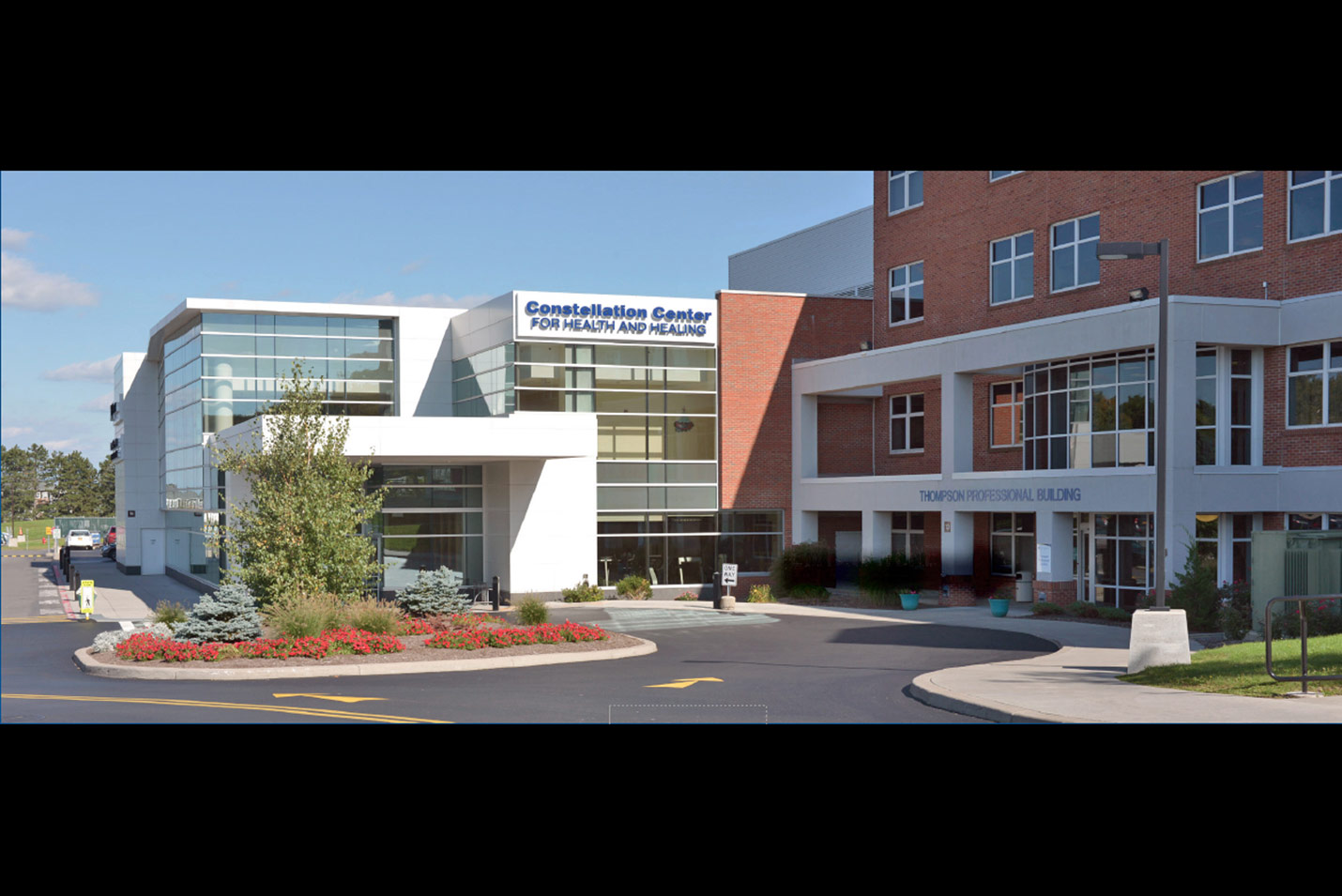
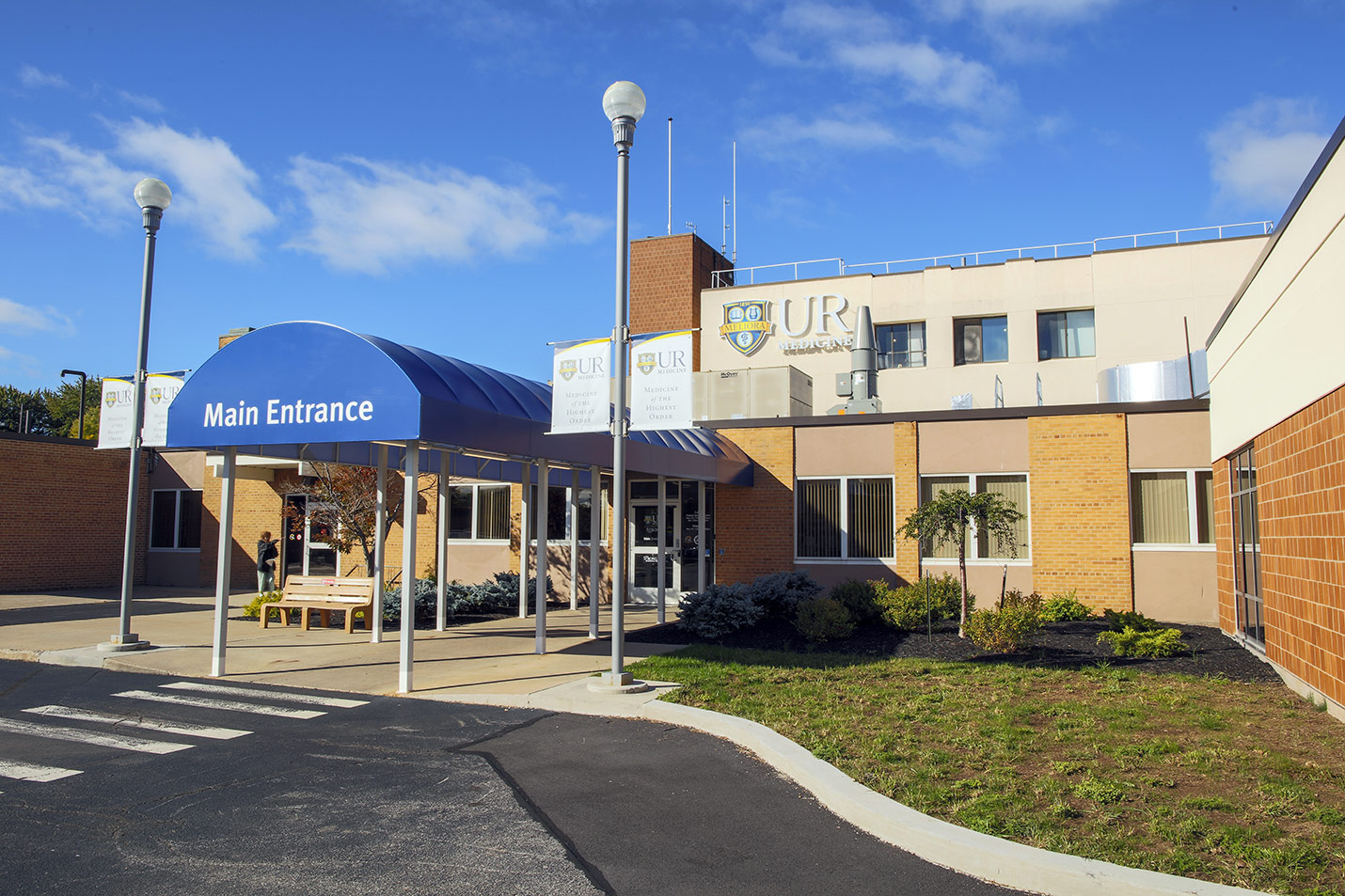
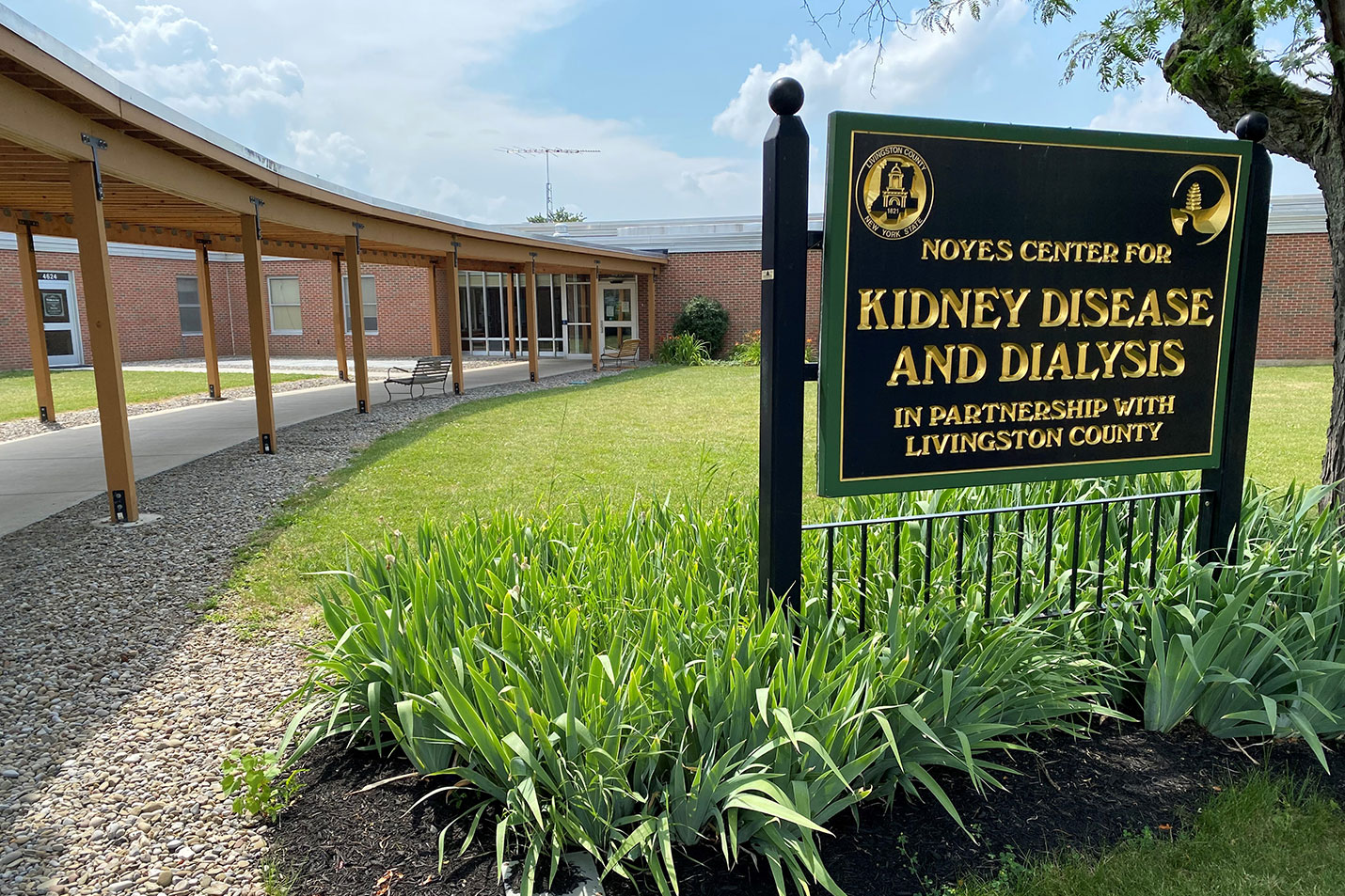
View All LocationsWe serve you in the Rochester metropolitan area and surrounding region. Locations are ordered by distance, with those closest to listed first.
7 locations



Related Services & Conditions
- Diabetic Nephropathy
- Dialysis
- Glomerulonephritis
- Granulomatosis with Polyangiitis
- Polycystic Kidney Disease
- Renal Artery Stenosis
- Pancreas & Pancreas-Kidney Transplant
- Kidney Transplant
- Live Donor Transplant
- Acute Kidney Injury
- Chronic Kidney Disease (CKD)
- Nephrology Patient Resources
- Nephrology
- Palliative Care
- Vascular and Interventional Radiology
- Surgery