

Palliative Care
UR Medicine Palliative Care
Learn how we help people with serious illness live their best life possible
Welcome from the Chief
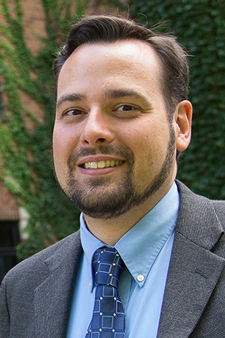 Welcome to the Division of Palliative Care at the University of Rochester
Rochester has a distinguished history of leadership in palliative care, built on a commitment to compassionate, thoughtful, and person-centered care for patients and families facing serious illness. It is a privilege to build upon that legacy as we look toward the next chapter for our Division.
Our vision is to make palliative care an increasingly integrated, accessible, and essential part of care for people living with serious illness across care settings. Palliative care is not defined by a particular place, diagnosis, or moment in the course of illness. It should be available wherever patients and families need the expertise of an interdisciplinary team to help manage complex symptoms, navigate difficult decisions, support caregivers, and ensure that care remains aligned with what matters most to each individual.
That work depends upon partnership. Our palliative care teams collaborate closely with colleagues across oncology, cardiology, neurology, nephrology, primary care, geriatrics, surgery, anesthesiology, emergency medicine, critical care, pediatrics, and many other specialties. These relationships allow us to bring the principles and skills of palliative care earlier into the course of serious illness while supporting the clinicians and teams who know their patients best.
Our close connection with Geriatrics & Aging creates additional opportunities to strengthen care for older adults living with frailty, dementia, multimorbidity, and serious illness. The principles of Age-Friendly Health Systems, particularly What Matters, complement the core philosophy of palliative care: understanding the person behind the illness and ensuring that their goals, values, function, comfort, and quality of life remain central to clinical decision-making. At the same time, our mission extends across the lifespan, supporting people of all ages confronting serious and complex illness.
We also believe that excellent serious illness care must extend beyond the walls of the hospital. Strong partnerships with hospice, home healthcare, long-term care, and other home- and community-based services are essential to creating a more seamless continuum for patients and families. By connecting hospital, ambulatory, post-acute, community, home-based, and hospice care, we can reduce fragmentation, improve transitions, support caregivers, and help more people receive high-quality care in the setting that best reflects their needs and preferences.
Our mission is equally academic. Through education, research, quality improvement, and innovation, we are preparing the next generation of clinicians and developing better ways to identify and support people with serious illness. We want Rochester to continue to be a place where new models of palliative and supportive care are developed, evaluated, taught, and ultimately translated into better care throughout our region and beyond.
The future of palliative care is collaborative, interdisciplinary, home-aware, and deeply connected to the broader health system and community. Most importantly, it remains grounded in the relationships we build with patients and families.
I invite you to learn more about our outstanding faculty and interdisciplinary teams, our clinical programs, educational opportunities, research, and our continuing work to improve the experience of serious illness for patients and families.
Tom Caprio, M.D.
Chief, Division of Palliative Care
Events
-
 Nov 6
The Regional Palliative Care Collaborative provides a comprehensive range of updates for clinicians and ancillary professionals who care for patients and their families with...
Nov 6
The Regional Palliative Care Collaborative provides a comprehensive range of updates for clinicians and ancillary professionals who care for patients and their families with...