

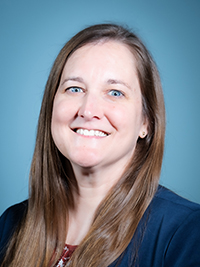
Meet Corey Nichols-Hadeed, J.D.
Meet Corey Nichols-Hadeed, J.D.
 In 2024, for the first time in U.S. history, the Surgeon General declared gun violence a national public health crisis. The landmark advisory reflected a grim reality that communities across America continue to grapple with. And while shootings have declined since the peak of the COVID-19 pandemic, the long-term impacts on individuals and communities is profound.
The Effects of Gun Violence
While shootings in Rochester, New York were down 58% in 2025 compared to 2021 when numbers reached an all-time high, reducing gun violence remains a top priority. In 2021, there were more than 50 fatal shootings in Rochester, the highest rate of gun-related deaths per capita in New York State, and the 18th highest in the United States, according to Common Ground Health. Gun violence leaves behind a trail of destruction, lasting family trauma, economic decline, reinforced segregation, and housing instability.
"There's so much overlap between violence, suicide risks, social isolation, and loneliness," said Corey Nichols-Hadeed, JD, a researcher, assistant professor in the Department of Psychiatry, and co-director of the Firearm Injury Prevention Program at University of Rochester Medicine. Nichols-Hadeed’s work emphasizes a growing consensus that community violence is not just a criminal justice issue, but a public health crisis.
Violence and the resulting trauma are leading causes of morbidity and mortality across the lifespan and disproportionately impact underserved, urban communities. Community violence places an additional burden on older adults. Fear, grief, and instability can cause older adults to withdraw from daily routines and support networks.
Nichols-Hadeed, who studies these intersections closely, co-directs both the Firearm Injury Prevention Program and the Geriatric Forensic Psychiatry Program, bringing together expertise in aging, mental health, and trauma to explore how social connection across generations can disrupt cycles of violence and improve community wellbeing. Nichols-Hadeed credits Kimberly A. Van Orden, PhD, director of the HOPE (Helping Older People Engage) Lab, with igniting her passion for this work. "Kim has been a wonderful mentor," said Nichols-Hadeed. "She taught me about the health benefits of social connection and how this work might fit into my career path."
Benefits of Mentorship
In 2022, Nichols-Hadeed received the National Academy of Medicine’s Healthy Longevity Catalyst Award to fund her work. The competitive three-year grant is designed to help researchers explore innovative ideas that improve physical, mental, and social well-being for people as they age.
"There are several mentoring programs for gun violence, but they’re more focused on lived experience," explained Nichols-Hadeed. "We also wanted to recognize the older adults because everyone hurts in our community when there's violence. It's not just a youth problem; it's not just an adult problem. It's an older adult problem too, and it adds to social isolation if you don't feel comfortable in your community."
In 2024, Nichols-Hadeed secured a Pilot Award from the Office of Health Equity Research, part of URochester Medicine’s Center for Community Health & Prevention, to further investigate how mentorship and storytelling might reduce gun violence and improve health outcomes. It marked the beginning of an important shift toward building relationships between community partners and the individuals most affected by gun violence.
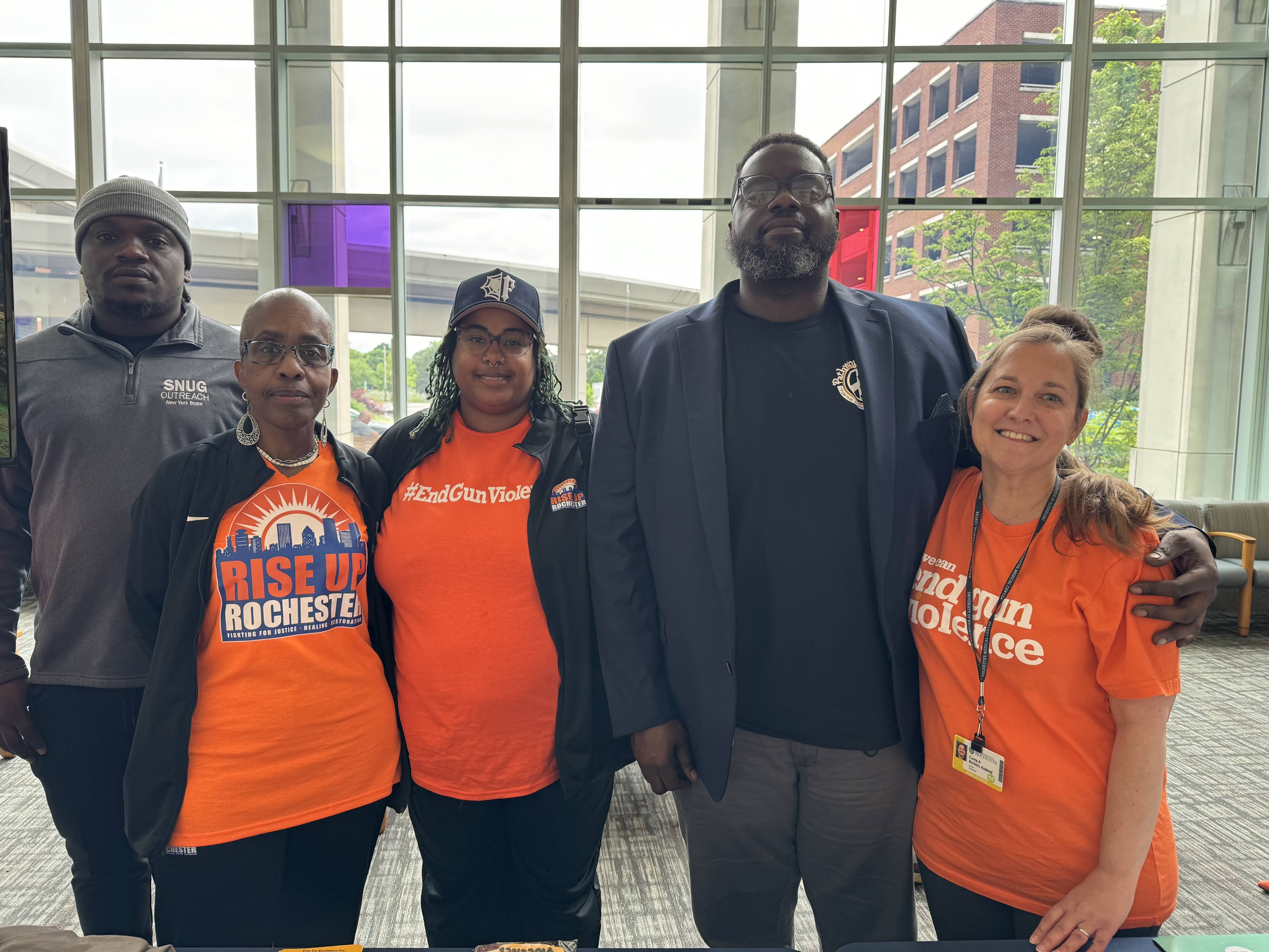 "It's not all about gun violence," she noted. "It's really about building these social connections in our community, and that bi-directional learning that older adults and youth can benefit from."
Her pilot project, "Intergenerational Mentoring to Promote Healthier & Safer Communities," is developing a “Community Connections” program focused on pairing older adults and youth, creating training manuals and experiences for older adult mentors, and testing the program to measure effectiveness.
One specific method invites older adults and their younger counterparts to complete a workbook. Prompts include, "Describe a time and place where you felt comfortable and safe…" and "Write about a person who inspires you." Mentors and mentees meet monthly to share their experiences and connect.
Decades of research support this approach. Mentorship rooted in storytelling and shared experience leads to positive outcomes, including:
- Increased empathy between mentor and mentee
- Stronger connection to the community
- Stronger communication skills, including intergenerational communication
- Increased sense of purpose and belonging
- Decreased negative assumptions about aging
"We are incredibly thankful for the opportunity to continue this work and bring more attention to the importance of healthy aging across the lifespan while addressing the prominent health crisis of community violence," said Nichols-Hadeed. "We look forward to being able to share what we learn with our community."
The "Community Connections" program officially launched in January 2026 with the goal of scaling the model throughout Rochester and eventually across the country.