Comprehensive Stroke Center
Rochester
-
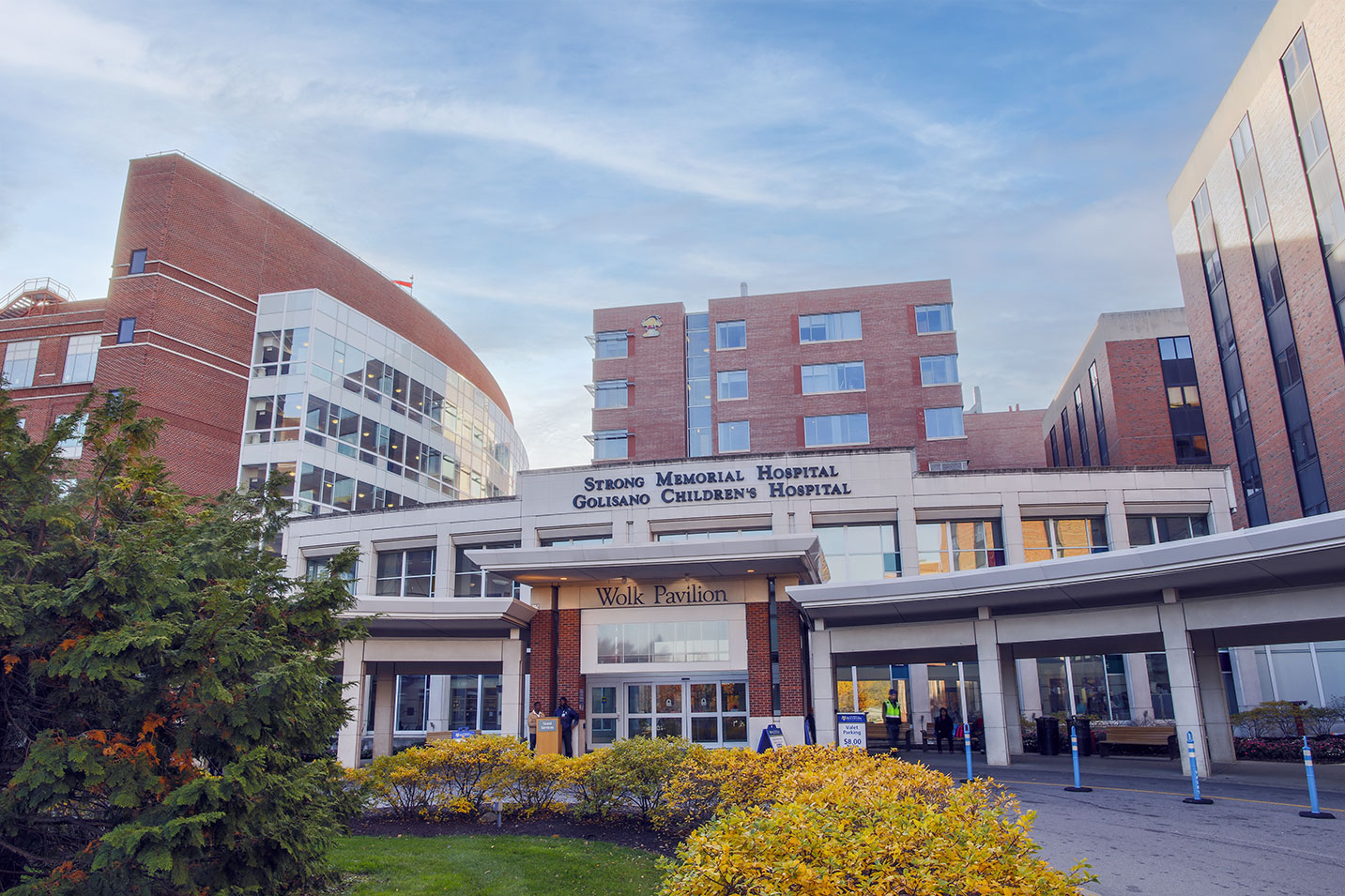
Strong Memorial Hospital
Contact
Phone
Fax
Hours
Monday–Friday 8 a.m.−4:30 p.m.
Overview
University of Rochester Medicine's Comprehensive Stroke Center offers world-class treatment and prevention of stroke, including its creation of the region’s only state-of-the-art Mobile Stroke Unit, and dedicated Neuromedicine Intensive Care Unit.
Our nationally recognized, highly trained stroke and neurocritical care team provide comprehensive care for all types of stroke and cerebrovascular diseases. State-of-the-art neuroimaging capabilities and immediate access to all subspecialists offer patients the most sophisticated medical and surgical treatments necessary for the best outcomes.
Our neurosurgeons have extensive, subspecialty training in life-saving surgeries. We perform the largest number of these procedures in the Rochester metropolitan area and surrounding region.
Learn About Stroke Signs and Symptoms
Act F.A.S.T
Our mission is to provide comprehensive care for all patients with stroke and cerebrovascular disease through a multidisciplinary approach focusing on disease treatment and prevention, quality of care, education, and research.
To see more details on our quality of care, view quality measurement data and visit the Get with the Guidelines public reporting site to see how we compare to other hospitals.
Services
Onsite Advanced Imaging
A variety of imaging techniques are used in stroke diagnosis, including:
By these techniques the doctors can pinpoint the area of stroke in the brain as well as the area of blockage of the vessels. Our experts will also offer both neurological and neurosurgical consult.
Surgical Treatments
Our neurosurgeons are fellowship-trained to use special catheters (tiny tubes) and devices to open blocked brain arteries to restore blood flow to the brain.
Following recovery from stroke, our cerebrovascular neurosurgeons can perform surgery or stenting to open a narrowed artery that caused the initial stroke, helping prevent future problems.
Patients with stroke caused by leaking blood vessels (such as burst brain aneurysms or AVM) may require embolization, which uses wires and catheters inside the arteries, and/or open brain surgery.
Recovery & Rehabilitation
To help stroke patients recover to their maximum potential, each patient is evaluated for their physical, occupational, and speech therapy needs, along with intensive rehabilitation and preventative care to minimize chances of a future stroke.
Neurological rehabilitation may consist of physical or occupational therapy, medicine prescription, modalities, orthotics/bracing, speech and language therapy, or neuropsychology and referrals to other disciplines when needed.

Can Stress Cause a Stroke?
Here’s how something as intangible as stress might affect something as serious as a stroke—and what steps you can take to protect your health.
Providers
-
 Accepting New Patients
 -
 Accepting New Patients
 -
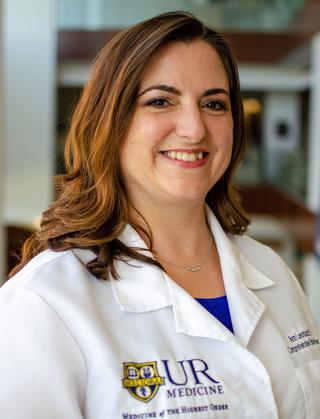
Ann M. Leonhardt Caprio, NP, DNP, RN,
Accepting New Patients -
 Accepting New Patients
 -
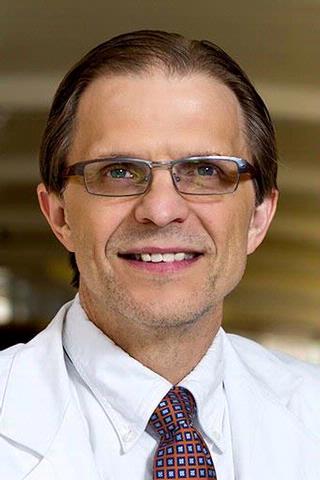
Curtis G. Benesch, M.D., M.P.H.
Accepting New Patients -
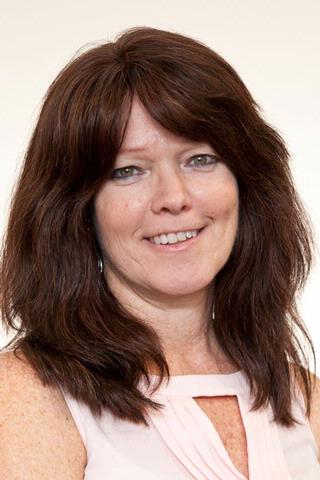 Accepting New Patients
 -
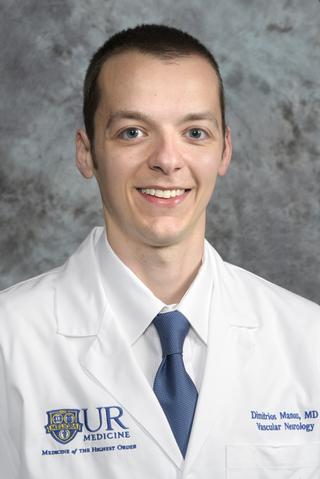 Accepting New Patients
 -
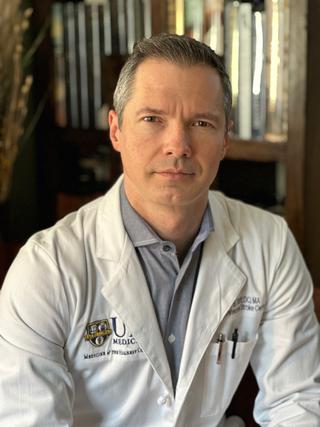 Accepting New Patients
 -
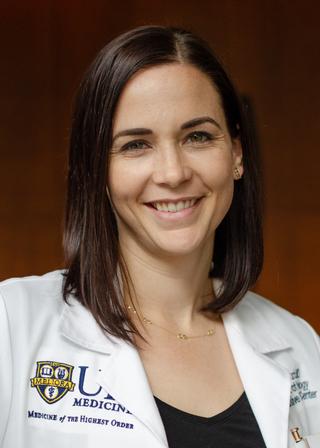 Accepting New Patients
 -
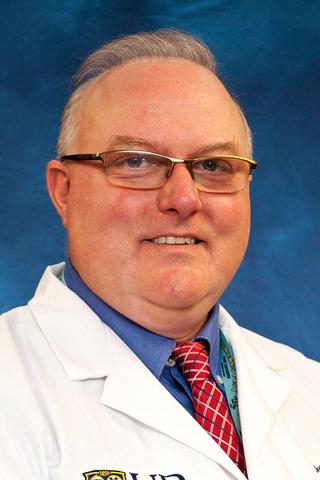
-
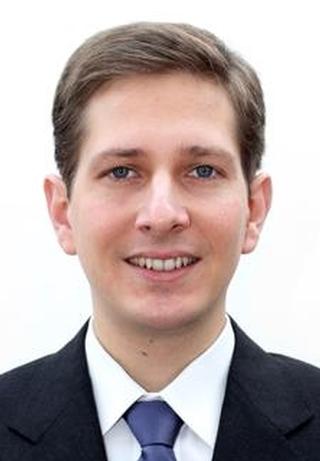 Accepting New Patients
 -
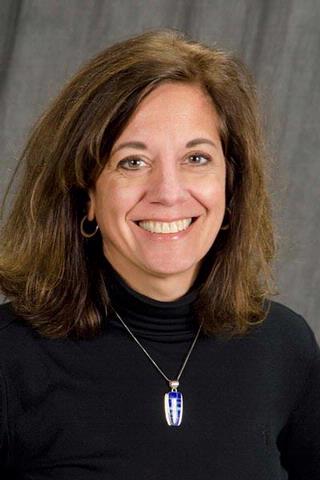 Accepting New Patients
 -
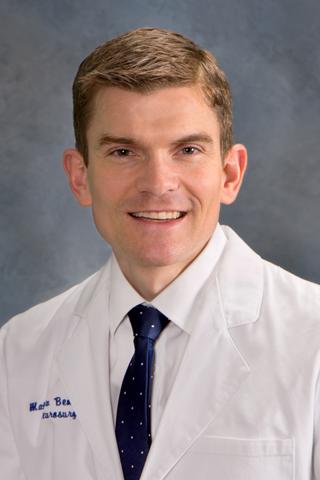 Accepting New Patients
 -
-
 Accepting New Patients
 -
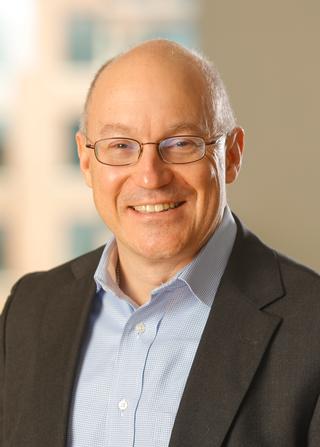
Thomas K. Mattingly, M.D., M.Sc.
Accepting New Patients -
 Accepting New Patients
-
Accepting New Patients
-
Accepting New Patients
-
Ann M. Leonhardt Caprio, NP, DNP, RN,
Accepting New Patients -
Accepting New Patients
-
Curtis G. Benesch, M.D., M.P.H.
Accepting New Patients -
Accepting New Patients
-
Accepting New Patients
-
Accepting New Patients
-
Accepting New Patients
-
-
Accepting New Patients
-
Accepting New Patients
-
Accepting New Patients
-
-
Accepting New Patients
-
Thomas K. Mattingly, M.D., M.Sc.
Accepting New Patients -
Accepting New Patients