Lung Cancer Screening
Make an Appointment
What is Lung Cancer Screening?
Lung cancer screening is the non-invasive process of looking for lung cancer in people who don’t have symptoms. Screening uses a low-dose CT scan (LDCT) to look closely at the lungs.
Research has shown that regular screening of people at higher risk of lung cancer saves lives.
Why Screening Matters
Lung cancer is the leading cause of death from cancer and the second most common cancer in both men and women in the United States.
While treatments are available, they're more likely to be successful when lung cancer is found at an earlier stage.
Early screening is important because symptoms don't typically appear until later stages and may be mistaken for other conditions, such as infection or long-term effects of smoking.
Current and former smokers are at a higher risk of getting lung cancer.
Eligibility
You may be eligible for lung cancer screening if you meet all of the following:
- Between the ages of 50 and 80
- Currently smoke cigarettes, or quit smoking cigarettes within the last 15 years
- Have a smoking history of at least 20 pack-years (your smoking history will be discussed during your appointment)
- Have no signs or symptoms of lung cancer

Schedule Your Screening
If you think you should be screened for lung cancer, speak to your primary care provider or contact us to determine if this screening is right for you.
Our Approach
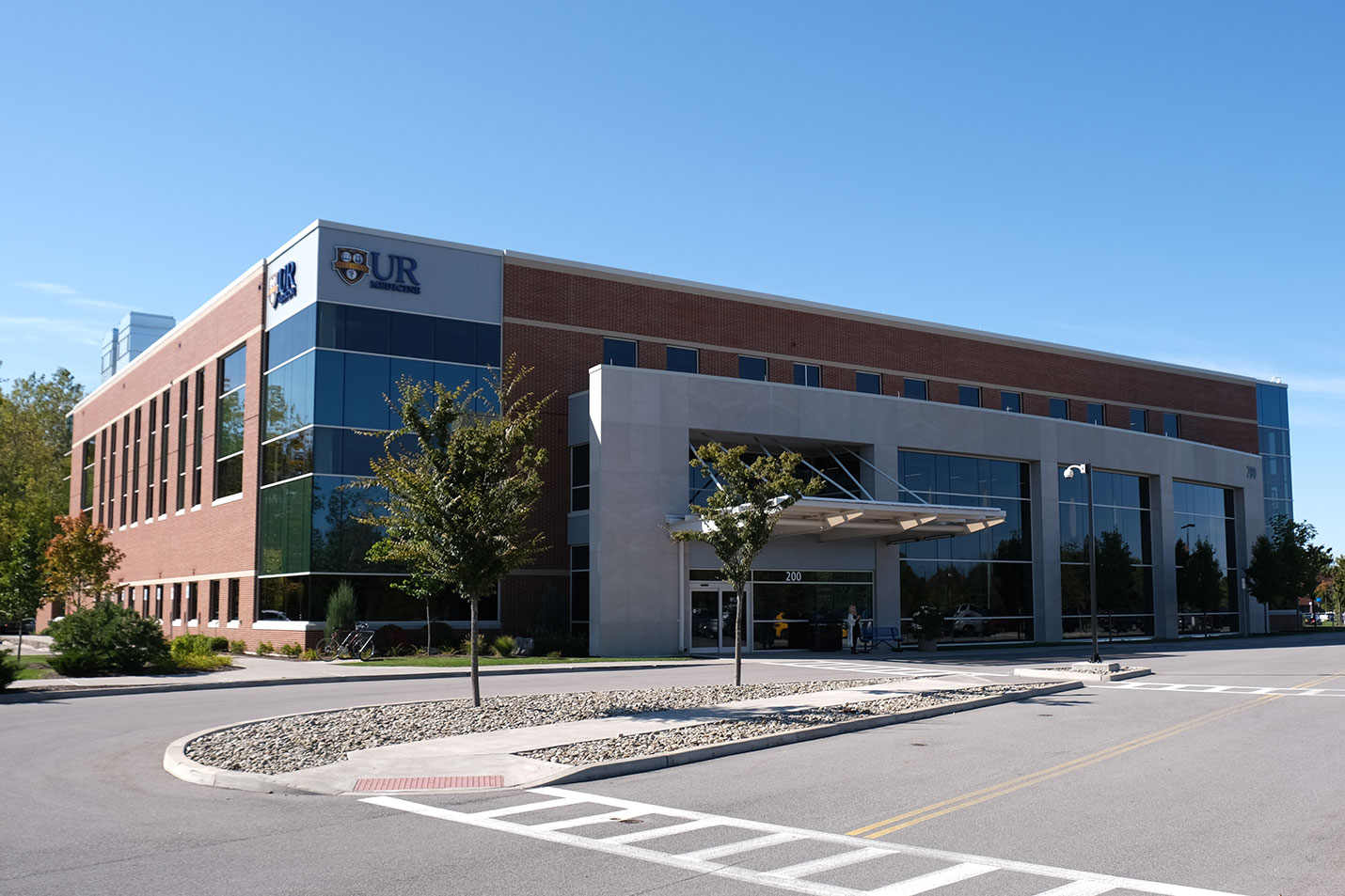
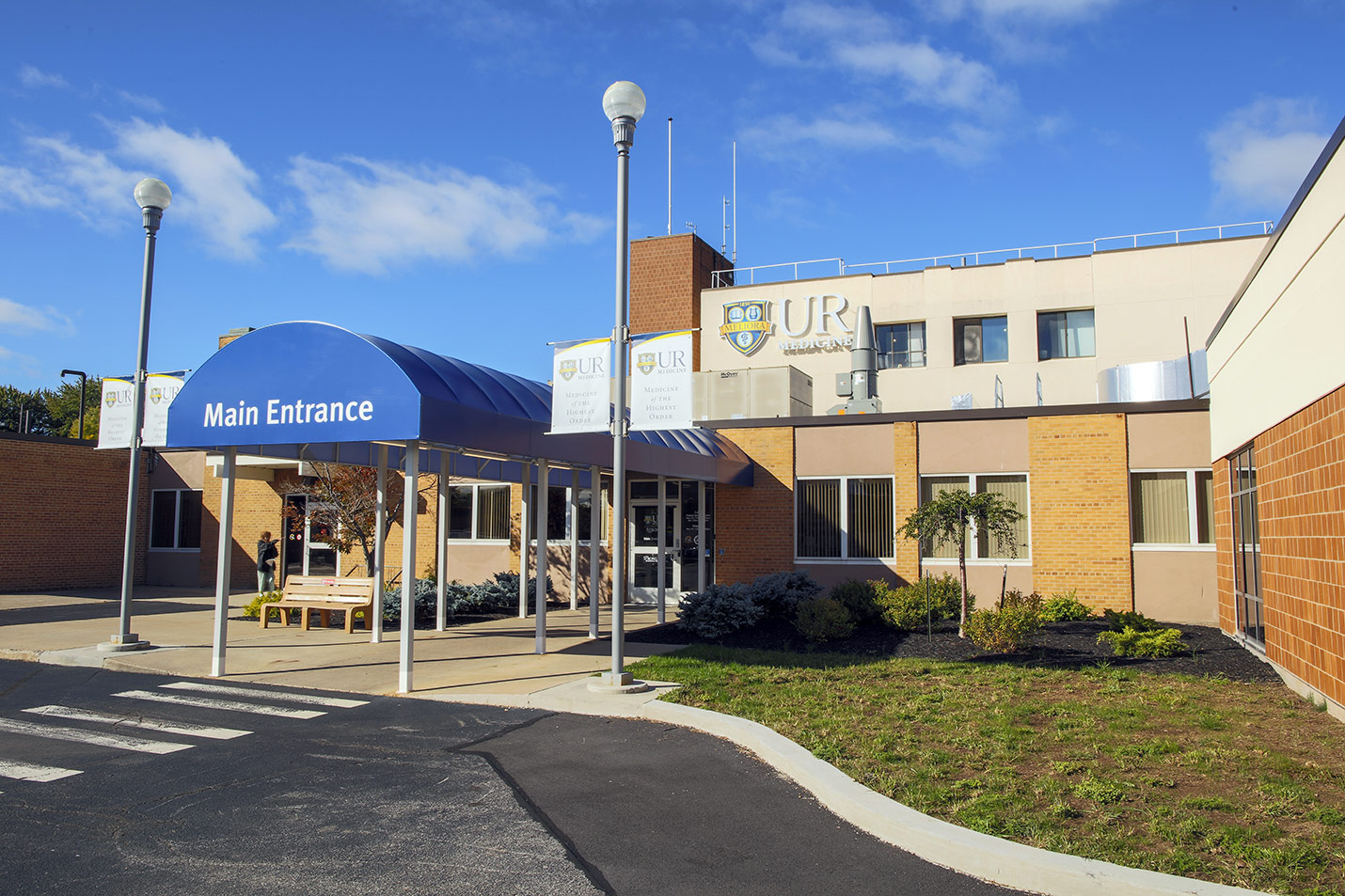
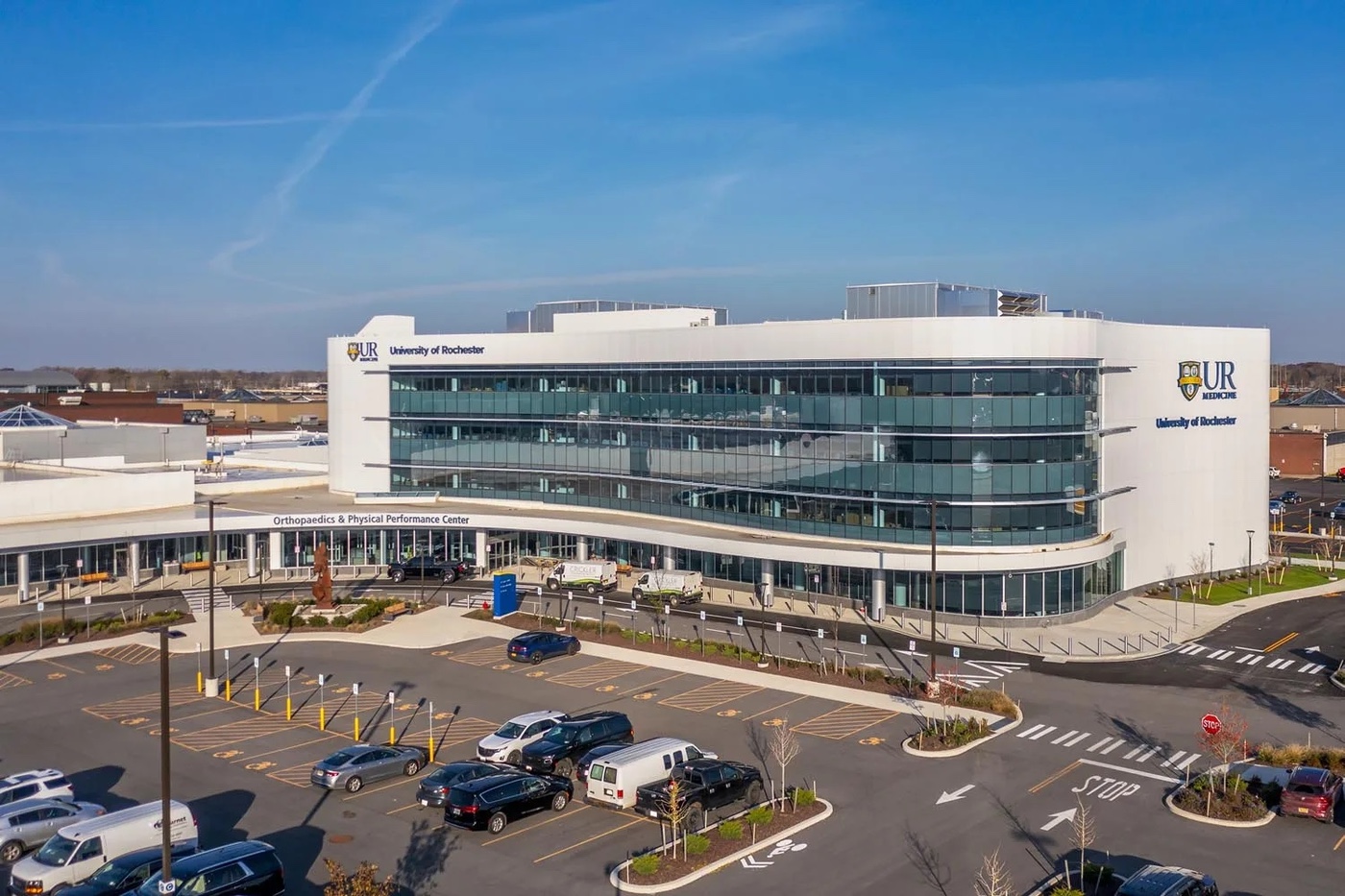
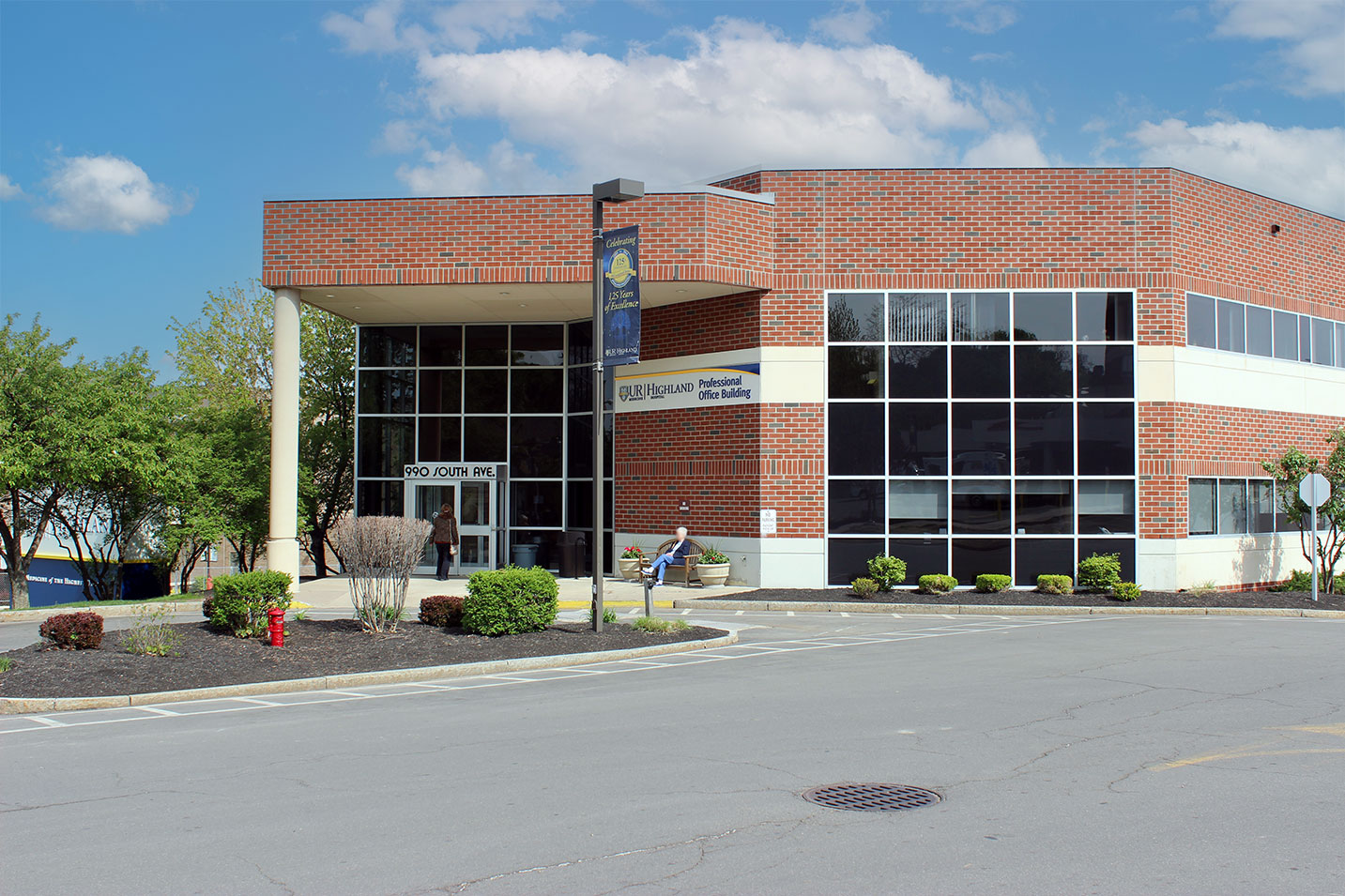
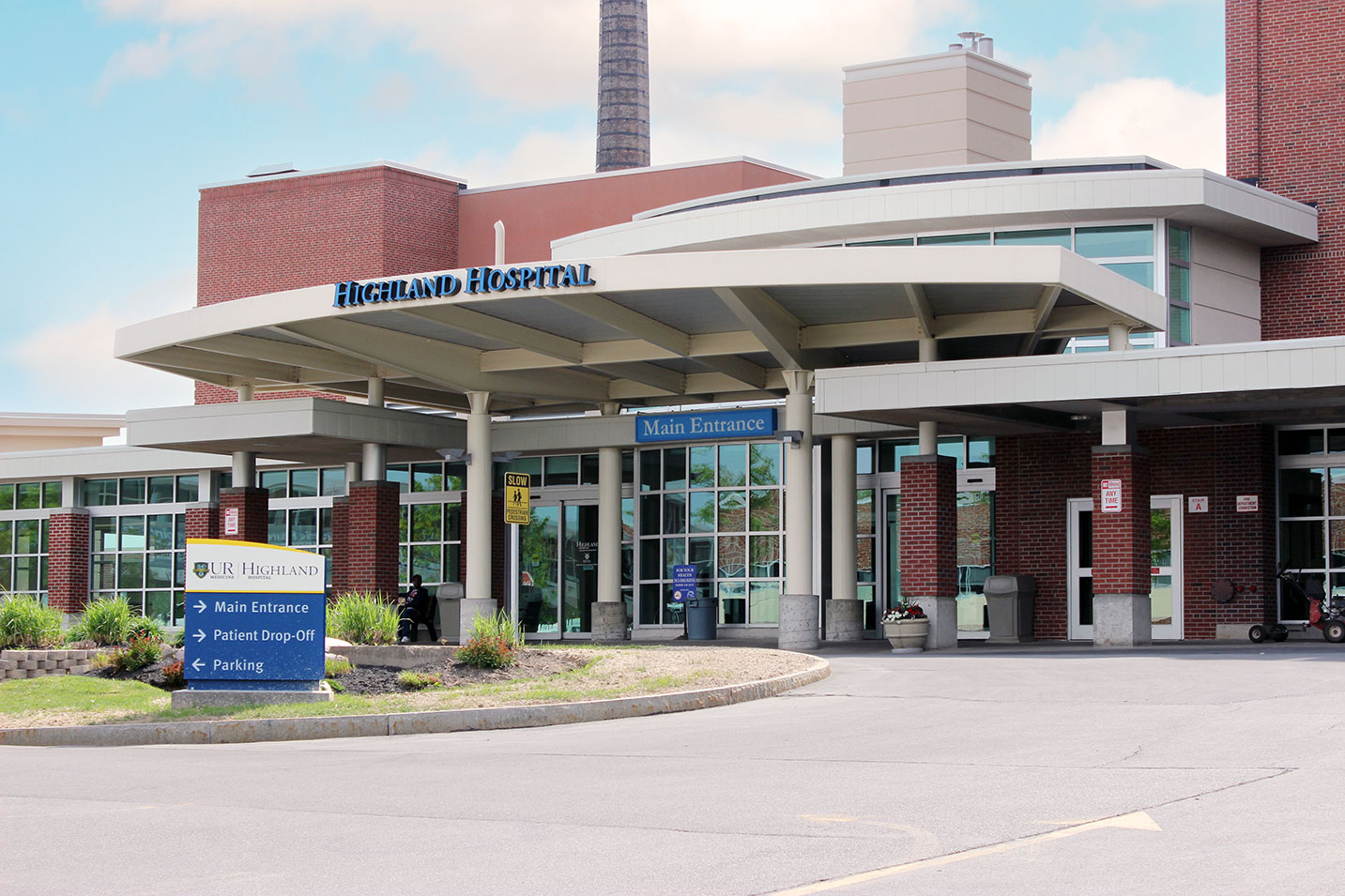
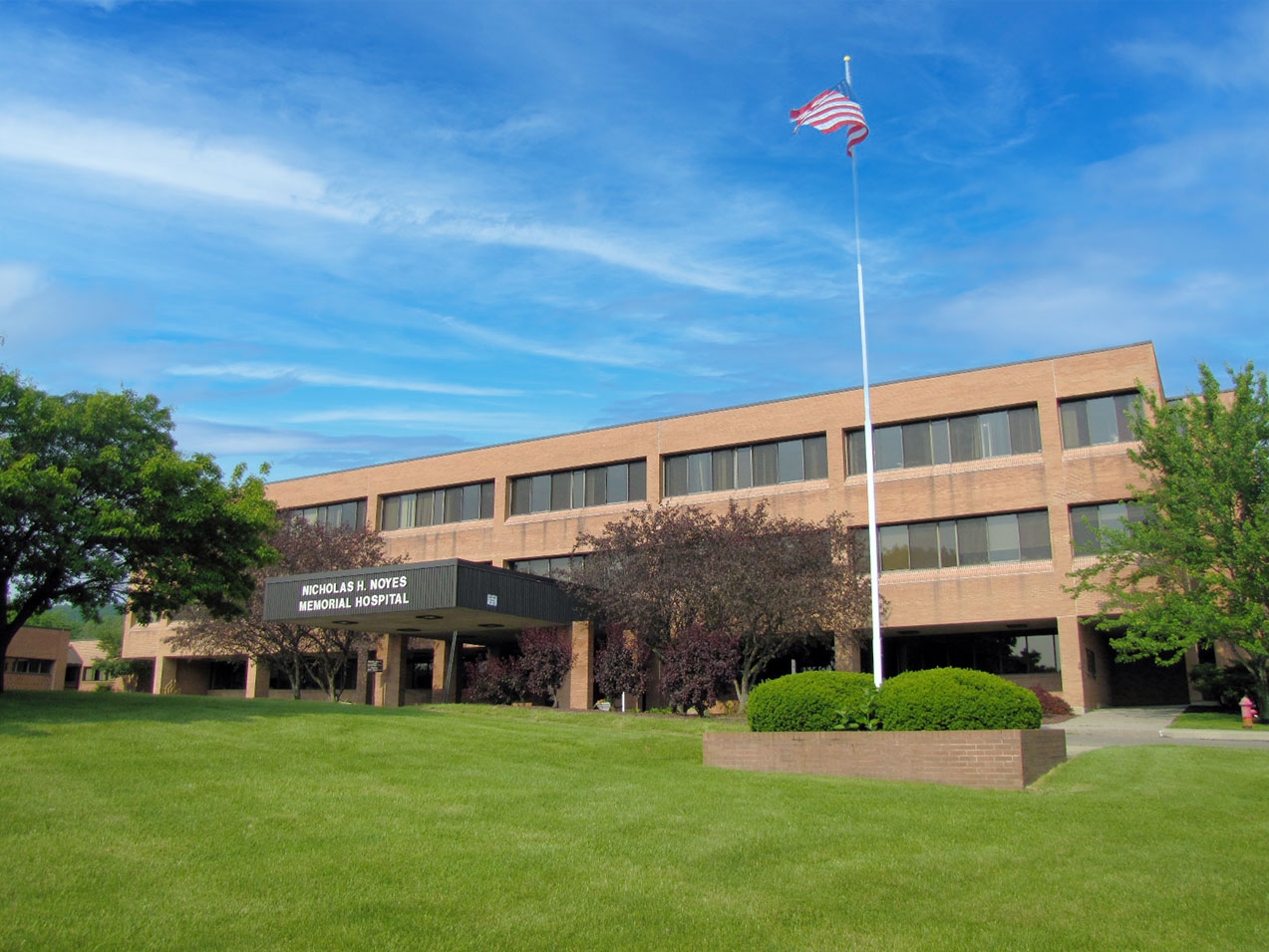
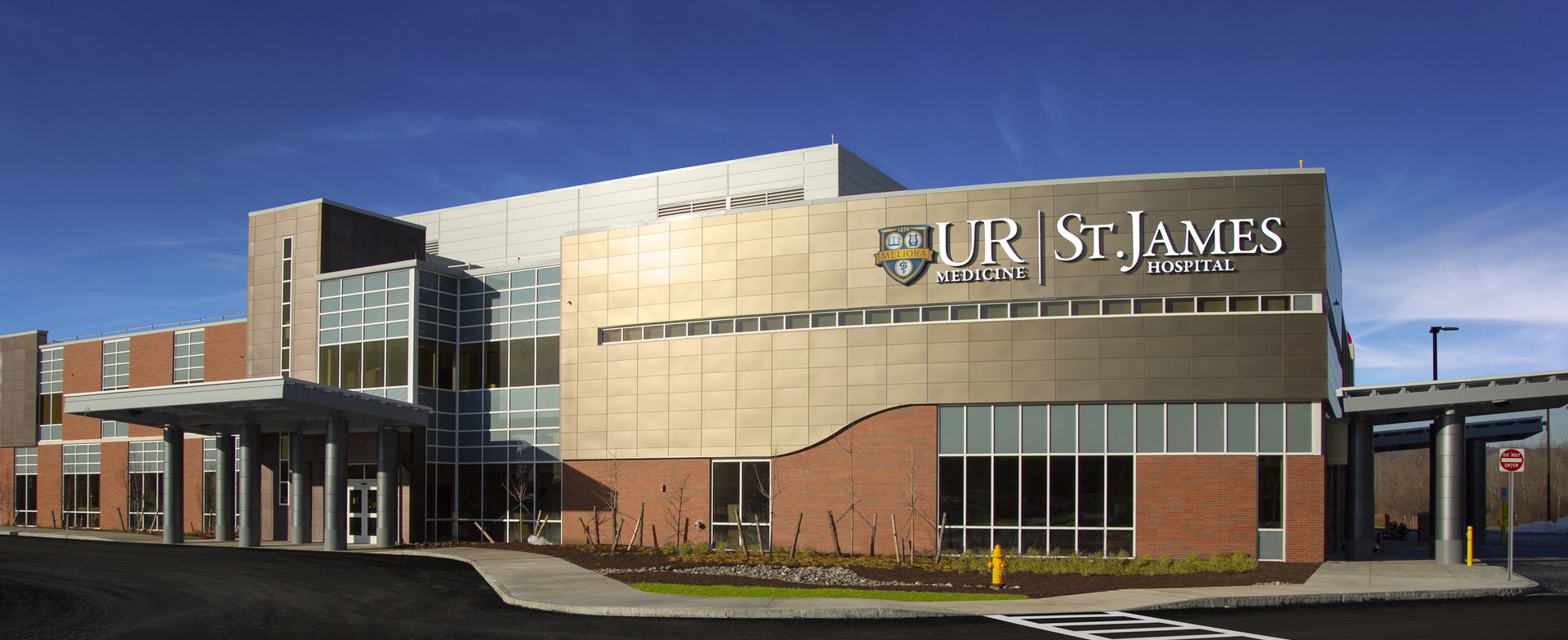
Screenings are available at multiple locations throughout the Greater Rochester region.
Annual lung cancer screening CT examinations are typically fully covered by health care insurance without co-payments. Any co-payments due under your health plan will be billed to you. If you have questions about your coverage, please contact your insurance company directly.
Tobacco Treatment Programs
Smoking is the #1 risk factor for lung cancer. Take the first step toward a healthier, tobacco-free life with University of Rochester Medicine. Our programs offer personalized support, proven strategies, and compassionate guidance to help you quit for good.
Frequently Asked Questions
Screening is the non-invasive process of looking for a disease such as cancer in people who don’t have symptoms. Lung cancer screening uses a Low Dose CT scan (LDCT) to look closely at the lungs each year. Research has shown that using LDCT scans to screen people at higher risk of lung cancer saves lives.
People 50 to 80 years old who:
- Currently smoke or quit cigarette smoking within the past 15 years.
AND - Have at least a 20 pack-year cigarette smoking history.
This is the number of years you smoked multiplied by the number of packs of cigarettes per day. For example, someone who smoked 2 packs per day for 10 years [2 x 10 = 20] has a 20 pack-year smoking history. A person who smoked 1 pack per day for 20 years [1 x 20 = 20] also has a 20 pack-year smoking history.
No. At this time, there has not been sufficient research on risk factors other than cigarette smoking. It is possible that future recommendation could include risk factors other than cigarette smoking.
The exam will be billed to your insurance company. Under the Affordable Care Act, most insurance companies are required to cover lung cancer screening without cost sharing for qualified patients.
If you do not have insurance, certain state or local agencies may provide screening at no or a low cost.
The American Lung Association has an interactive chart on their website detailing insurance coverage for lung screening.
The CT scan takes about 5 minutes in total (with setup and scanning time). The scan itself only takes a few seconds. We ask that you arrive 15 minutes early to allow for check-in.
No. Low dose lung screening CT is quick and painless. No oral or IV contrast is required.
For the maximum benefit you should have annual screenings for as long as you meet the screening criteria (See: Eligibility above.) Being screened each year provides the best chance to catch any new cancers at an early, treatable stage.
Sometimes screening tests will show something abnormal in the lungs or nearby areas that might be cancer. Most of these abnormal findings will turn out not to be cancer, but more CT scans or other tests will be needed to be sure. CT scans of the lungs can also sometimes show problems in other organs that just happen to be in the field of view of the scans. Your health care provider will discuss any such findings with you if they are found.
A chest x-ray can only show your chest from the front or the side while a CT scan shows many cross-sectional images (slices) throughout your chest. Because of this advantage, CT scans can find cancers at a much smaller size than chest x-rays can. Unlike CT lung screening, screening with chest x-rays was not found to save lives.
CT screening uses a lower dose compared to standard CT scans, typically between 1-2 mSv (millisieverts). This is less than one quarter of the radiation received in a standard chest CT.
A possible drawback of this test is that it also sometimes finds abnormalities that turn out not to be cancer, but that might still need to be checked out with further tests. For example, some people might need additional tests such as other CT scans, or even more invasive tests such as needle biopsies or surgery to remove a piece of lung. These added tests might rarely lead to serious complications, even in people who do not have lung cancer.
While annual CT scans can identify cancers at an early treatable stage, stopping cigarette smoking can help prevent lung cancer from developing. Stopping smoking combined with annual Low Dose CT screening is more effective than annual CT screening alone.
If you smoke cigarettes, we can help you get counseling about stopping. To learn more about resources to quit smoking, please call a tobacco specialist at (585) 287-4539 or email quitcenter@urmc.rochester.edu.
What Sets Us Apart?
Each week, a team of lung experts—including a cardiothoracic radiologist (chest imaging expert), lung surgeon, and pulmonologist (lung specialist)—reviews concerning and complex cases together. This multidisciplinary team approach helps ensure accurate Lung-RADS scores while providing personalized care plans for referring providers.
Wilmot Cancer Institute is the only center in the Finger Lakes region with doctors who focus on lung cancer. Wilmot offers the latest treatments and technology, including gene testing of lung tumors, clinical trials with new therapies, minimally invasive robotic surgery, video-assisted thoracic surgery (VATS), endobronchial ultrasound (EBUS), navigational bronchoscopy, and stereotactic body radiotherapy (SBRT).
University of Rochester Medicine Department of Imaging leads in advanced imaging for diagnosis and treatment. We combine education, research, and patient care in a top academic medical center. Our faculty are nationally recognized authorities in their fields.
Learn more about lung cancer and its treatment.
Wilmot Cancer InstituteLocations
View All LocationsWe serve you in the Rochester metropolitan area and surrounding region. Locations are ordered by distance, with those closest to listed first.
11 locations

Patient Education & Support
Information for Referring Providers
To enroll a patient in our Lung Cancer Screening Program:
The following is required:
- Patient is asymptomatic
- Lung Cancer Screening - Shared decision-making counseling documented and charged (G-0296)
- Smoking cessation counseling provided and documented
- Low Dose CT scan ordered (CPT-71271)
- Via eRecord order
- If not on eRecord, via LCS requisition form
To refer a patient through the URochester Medicine Lung Cancer Screening Clinic:
- Referrals can be made in eRecord workflow (Pulmonary Referral/Lung Cancer Screening Clinic) or
- Complete the LCS requisition form and Fax requisition form to (585) 784-7954
- Call the URochester Medicine Lung Cancer Screening Clinic at (877) 728-4543
- Email the URochester Medicine Lung Cancer Screening Clinic