

News
U.S. Congresswoman Louise Slaughter Visits Oyagen
Wednesday, November 13, 2013
OyaGen announced today Congresswoman Louise Slaughter toured its laboratories at the Rochester BioVenture Center in Henrietta and met with its development team. During the visit, the Congresswoman was updated on the progress being made in moving OyaGen's drug programs toward clinical development. She also discussed with management how OyaGen's approach can provide solutions for the government's HIV policies and programs regarding the next generation of AIDS therapy, PrEP and global disease eradication.
Dumont Wins Outstanding Course Director Award
Friday, October 11, 2013
Professor Mark Dumont, Ph.D., was recently presented the Outstanding Course Director Award for 2013. Mark has served as course director for Biochemistry IND 408, a core course in the graduate studies curriculum within the School of Medicine and Dentistry, for over 10 years. Previous to this service, Mark served as director of Biochemistry of Macromolecules, BCH 412, for 5 years. As noted by Professor Eric Phizicky, Ph.D., who lectures in IND 408, Mark has shown an uncanny ability, coupled with exceptional effort, to continually evolve the course to more up-to-date topics and to more sophisticated analysis of existing topics. Almost alone among course directors, he attends most lectures most years, allowing him to evolve a highly coherent course.
Jeffrey Hayes, Ph.D., Professor and Chair of the Department of Biochemistry and Biophysics remarks that Mark's commitment to his students and efforts on their behalf has rightfully earned him the high opinion of both his colleagues and his students, and serves as an exemplary example for all those involved in teaching.
Established in 2013, this award is given to an Outstanding Graduate Course Director. The selection of the awardee is based on the course’s record of excellence, course-instructor survey evaluations and letters of recommendation from students enrolled in the course, and is presented by the Office of the Senior Associate Dean for Graduate Studies.
Fred Sherman, Major Contributor to Modern Genetics, Dies
Thursday, September 19, 2013
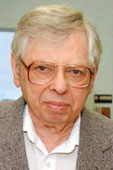
Dr. Fred Sherman
Fred Sherman, Ph.D., an internationally recognized scientist and a faculty member at the University of Rochester Medical Center since 1962, died on September 16 at the age of 81. Sherman, who served as chair of the Department of Biochemistry and then the merged Department of Biochemistry and Biophysics from 1982 until 1999, was one of only three URMC faculty members appointed to the prestigious National Academy of Sciences.
Sherman performed groundbreaking research on the structure of genes and the effects of genetic mutations on proteins in yeast. He was also a proponent of the use of baker's yeast as a genetic model system. Research using yeast is now conducted at virtually all research centers worldwide, largely due to Sherman’s efforts and his teaching of many leaders in the field.
It’s hard to overstate Fred’s contribution to modern genetics. His insights into how genetic mutations affect protein coding and his foresight of the utility of the yeast system quite literally changed the course of biological research,
said Jeffrey J. Hayes, Ph.D., chair of Biochemistry and Biophysics at URMC. Beyond his scientific accomplishments, Fred’s quick wit and sense of humor were legendary. It was always enjoyable to be in a room with Fred. He will be terribly missed.
The Democrat and Chronicle has published an article about Fred's life, viewable here.
Department of Biochemistry and Biophysics Faculty and Students Honored at Opening Convocation
Wednesday, September 18, 2013
Graduate students Lu Han and Michael Mierzejewski were awarded the Elmer H. Stotz Graduate Fellowship in Biochemistry Award. This award was established by the Stotz family to honor Dr. Elmer Stotz, Professor Emeritus and former Chair of the Department of Biochemistry. It is awarded to a Ph.D. student in Biochemistry.
Assistant Professor of Biochemistry and Biophysics, Alan Grossfield, was one of two professors who were awarded the Outstanding Graduate Student Teacher Award. Established in 2013, this award is given to an outstanding graduate student teacher for record of excellence in classroom instruction.
Dr. Eric Phizicky, Professor of Biochemistry and Biophysics, and Dean’s Professor, was one of four professors awarded a Faculty Mentoring Award. Dr. Phizicky won the Mentoring of Academic Faculty Award.
Dr. Jeffrey Hayes, Professor of Biochemistry and Biophysics & Chair of the Department, was awarded the Shohei Koide Professor in Biochemistry and Biophysics. This is a new professorship, established in 2013, and is intended to support the Chair of the Department of Biochemistry and Biophysics.
Congratulations to all of our winners!
OyaGen Receives Funding From State Program
Monday, September 16, 2013
OyaGen is a Rochester-based bio-pharmaceutical company that is on the leading edge of research and development of drug treatments for HIV, AIDS and other viral diseases. Dr. Harold Smith is the founder of the company. Smith welcomed State Comptroller Tom DiNapoli to town Monday and led him on a tour of the facility.
DiNapoli announced the company will receive an additional $150,000. Since 2006, the pension fund's in-state private equity program has invested nearly $1.4 million in OyaGen. With an early investment, then a larger investment is called for and we move through in steps like that so we use the money wisely, and that we are now where we are, which is recognized as leaders in this area,
Smith said.
Funding from the state pension fund has allowed OyaGen to purchase a robotic drug screening device. That device is helping researchers develop drug treatments for HIV, AIDS and other viral diseases.
Hayes to Head Biochemistry and Biophysics at URMC
Wednesday, August 21, 2013
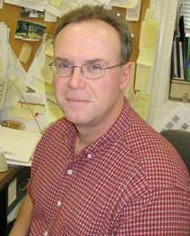
Jeffrey J. Hayes, Ph.D., has been selected as chair of the Department of Biochemistry and Biophysics at the University of Rochester Medical Center. A faculty member for nearly two decades and the recently installed Shohei Koide Professor in Biochemistry and Biophysics, Hayes takes the reins after serving as interim chair since early 2012.
An accomplished and highly-respected scientist, Hayes' research focuses on chromatin, the combination of DNA and proteins that comprise the nucleus of a cell. His lab works to understand how the DNA within chromatin is accessed for replication and repair and used in gene expression - the conversion of genetic information into proteins that make up the body and perform most life functions.
Jeff is skilled at bringing people together for the common good and understands what it takes to create an environment that is conducive to great scientific research and education,
said Lynne E. Maquat, Ph.D., director of the Center for RNA Biology and the J. Lowell Orbison Distinguished Professor of Biochemistry and Biophysics. He is organized, transparent and fair by nature and we are fortunate that he has agreed to take the helm.
Jeff has all the characteristics needed to be an effective chair and was the clear choice to lead the department after an excellent term as interim chair,
said Mark B. Taubman, M.D., dean of the School of Medicine and Dentistry. I am confident that he will take what is already an extremely strong scientific department to an even higher level of excellence.
URMC Biochemistry Professor Receives 2014 ASBMB William C. Rose Award
Friday, August 9, 2013
Lynne Maquat, Ph.D., the J. Lowell Orbison Endowed Chair & Professor, Biochemistry & Biophysics, Director of the University of Rochester Center for RNA Biology, and Chair of the University of Rochester Graduate Women in Science, has been selected to receive The American Society for Biochemistry and Molecular Biology (ASBMB) 2014 William C. Rose Award. The William C. Rose Award recognizes outstanding contributions to biochemical and molecular biological research and a demonstrated commitment to the training of young scientists, as epitomized by the late Dr. Rose. A part of the Award includes transportation to the 2014 ASBMB Annual Meeting to present a lecture, April 26-30, 2014 in San Diego. For more on Dr. Maquat and her research program please visit the Maquat Lab.
Dr. Mahin Maines Granted Patent
Friday, August 2, 2013
On June 4, 2013 Dr. Mahin Maines' patent application #8,455,427: Methods of Modifying Insulin Signaling Using Biliverdin Reductase was granted by the US Patent Trademark Office. The application of the technology is treatment of type 2 diabetes. The patent was issued for therapeutic use of a 7 residue peptide that activates insulin receptor kinase (IRK) and increases glucose uptake more effectively than insulin or IGF-1. The peptide is derived from biliverdin reductase, which itself is a kinase/kinase, a scaffold protein and intracellular transporter in the insulin/IGF-1/PI3-K/MAPK pathways. Additional patent applications for use of the reductase in regulation of the noted pathways are pending.
Dr. Yi-Tao Yu's Research Published in Nature
Friday, July 19, 2013
Department of Biochemistry and Biophysics Associate Professor Yi-Tao Yu, Ph.D. was a co-corresponding author on a paper recently published in Nature. This work presented a novel and completely unexpected codon-anticodon base-pairing interaction in the ribosomal decoding center during translation. This work provided a molecular basis for the decoding of a nonsense codon by the ribosome.
The research was carried out in collaboration with the Venki Ramakrishnan lab at MRC in Cambridge, UK. Dr. Ramakrishnan won the 2009 Nobel Prize in Chemistry (along with Thomas Steitz and Ada Yonath) for his pioneering work on the structure and function of ribosome. Dr. Ramakrishnan will be visiting U of R in October.
Professor's Company Produces Video
Friday, July 19, 2013
Oyagen Inc, a biotech company founded and directed by Harold C. Smith, Ph.D., Professor, Department of Biochemistry and Biophysics, and the Center for RNA biology has produced a video describing how the AIDS virus reproduces and how novel drugs being developed by the company to enable naturally occurring host defense factors to block the virus. The video was produced in conjunction with a recently graduated RIT student Tang Tao.
Using Yeast to Unravel Premature Aging Disorder
Saturday, June 15, 2013
Like a fence that encloses a backyard, all of the body's cells are surrounded by membranes. Each membrane has its own complement of membrane proteins, which perform critical functions like letting things in and out of the cell, and keeping the inside of the cell informed of what's happening on the outside. Mark Dumont, Ph.D., professor of Biochemistry and Biophysics and Pediatrics, says that more than half of the drugs on the market today target membrane proteins.
Despite their importance, the structures and mechanisms that determine how these proteins work are not very well understood. In a recent study in Science, Dumont and collaborators at the University of Virginia and the Hauptman-Woodward Institute in Buffalo describe the structure of a particular membrane protein called Ste24p that is involved in cutting up other proteins in yeast. If there's a defect in this protein, yeast can't mate.
The obvious next question is, how is yeast's inability to reproduce relevant to people? It turns out, the human equivalent of the protein Ste24p, when mutated, causes progeria -- a premature aging disorder in which children develop hair loss, joint ailments, and heart disease, which they typically die of in their mid-teens. Dumont says that better understanding how this protein works -- in yeast and in people -- will help scientists to design a drug or other treatment for this devastating disorder and learn more about the human aging process.
Nadia Fedoriw, a technician in Dumont's lab, grows yeast used for protein production
Dumont is a senior investigator of the Membrane Protein Structural Biology Consortium, one of nine NIH-funded centers across the country that are trying to solve the structures of membrane proteins. He worked with Kathleen Clark and Nadia Fedoriw from Pediatrics and Sara Connelly from Biochemistry and Biophysics on the study.
Department Faculty Awarded 2013 Provost's Multidisciplinary Award
Friday, June 14, 2013
The Provost's Multidisciplinary Award provides pilot funding for especially exciting scholarly research with a high probability of future support from external sources of funding. The Award is designed to foster collaboration between departments and across schools at the University of Rochester. Five diverse research projects at the University were selected as recipients of the sixth annual Provost's Multidisciplinary Awards. The initiative provides $250,000 each year to support faculty research that crosses disciplines.
Visiting Scientist to Present Two Talks
Wednesday, June 12, 2013
Todd Lowe, chief scientific officer of Maverix Biomics Inc. and associate professor of biomolecular engineering at the University of California, Santa Cruz, will present Human TRNAs: A Complex Gene Family Still Full of Surprises
at 11 a.m. Tuesday, June 18, in Adolph Auditorium (1-7619) in the Medical Center. The talk is sponsored by the Department of Biomedical Genetics and the Center for Genomics and Systems Biology. Lowe also will discuss the Maverix Analytic Platform for bioinformatic analysis at 12:30 p.m. in the Biomedical Genetics Conference Room (2-9654), Medical Center.
Biochemistry & Biophysics Students Win Fellowships
Friday, May 24, 2013
Graduate students Nick Leioatts and Will McDougall were recently awarded an Elon Huntington Hooker Fellowship for the 2013-2014 academic year. The doctoral students were selected for their achievements in research from among graduate student applicants campus-wide. Nick's research focuses on using computational methods to understand ligand-induced structural changes in G protein coupled receptors (GPCRs), and is carried out in the laboratory of Alan Grossfield. Will's research focuses on the role of the HIV host-defense factor APOBEC3G and its inactivation by RNA binding, which may provide novel drugable targets for HIV treatment and prevention. His research is carried out in the laboratory of Harold Smith. Congratulations Nick and Will!
New RNA Structure - the Wedekind Lab has it Covered!
Wednesday, May 22, 2013
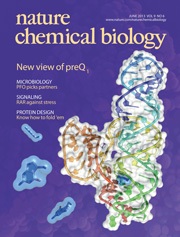
Crystal structure of the preQ1-II riboswitch.
Department of Biochemistry and Biophysics Associate Professor Joseph Wedekind and members of his research group (Joseph Liberman, Mohammad Salim and Jolanta Krucinska) published a paper in the June 2013 issue of Nature Chemical Biology. The work describes the structure of an RNA molecule called the preQ1 class II riboswitch (featured on the journal's cover) that functions as a gene regulatory element for bacteria within the Firmicutes phylum, including human pathogens such as Streptococcus pneumoniae. The RNA structure is bound to the small molecule preQ1, which is the last soluble metabolite in the biosynthetic pathway that produces queuosine, a hypermodified base at the wobble position of certain tRNAs that promotes accurate genetic decoding. Because preQ1 is unique to the bacterial metabolome, the class II preQ1 riboswitch has potential as an antibacterial drug target.
The research was performed primarily at the University of Rochester and made extensive use of the Structural Biology and Biophysics Facility. The work also required the Stanford Synchrotron Radiation Lightsource (Menlo Park, CA), as well as Cornell High Energy Synchrotron Source (Ithaca, NY) where crystals were subjected to X-ray diffraction analyses. The work in Wedekind' lab was funded by the National Institutes of Health/ National Institute for General Medical Sciences (NIH/NIGMS).
The preQ1-II riboswitch structure reveals the chemical details of preQ1 binding in a pocket formed at the junction of three RNA helices. Complementary work from Wedekind's lab showed that preQ1 promotes a more compact shape that leads to blocking of a signal that is necessary for protein synthesis, which leads to lower levels of preQ1 in the cell. Of special note was the lab's observation that the mechanism of action used by the preQ1-II RNA riboswitch is entirely different than that used by the class I preQ1 riboswitch, whose structure and mode of preQ1 binding were reported previously by Wedekind's lab. Overall the results expand the known repertoire of metabolite-binding modes used by regulatory RNAs.
Department of Biochemistry & Biophysics Holds Annual Awards Ceremony
Friday, May 17, 2013
The Department of Biochemistry & Biophysics held its annual Awards Ceremony on Friday, May 17, 2013. Congratulations to our 2013 Graduates:
Ph.D. Program in Biochemistry
- Jennifer DeAngelis
- Kimberly Dean
- Rozzy Finn
- Jason Gloor
- Chenguang Gong
- Athena Kantartzis
- Geoffrey Lippa
- Jessica McArdle
- Adam Miller
- Sharon Pepenella
- Karyn Schmidt
- Wen Shen
- Cody Spencer
- Guowei Wu
Ph.D. Program in Biophysics
- Prahnesh Akshayalingam Venkataraman
- Paul Black
- Zhenjiang Xu
Our department was particularly honored this year to receive the University of Rochester's prestigious Wallace O. Fenn Award named after the first Chairman of the Department of Physiology. This award is given annually to a graduating student from any program within the Medical Center judged to have completed especially meritorious Ph.D. thesis research. This year, the award was given to two recipients for their thesis originality, creative thinking and excellence in research and both recipients were students from the Department of Biochemistry & Biophysics! Congratulations to Paul Black and Chenguang Gong! For a complete list of all awards, please see the Awards Ceremony Program. Photos of the event can be viewed on the B&B event photos page.
David Mathews Heads Working Group Within New Center For Aids Research
Thursday, May 9, 2013
Dr. David Mathews will head one of the primary units within the recently announced $7.5M Center for Aids Research at the University. The NIH-funded center is one of only 18 in the country and brings together University scientists from numerous disciplines. Dr. Mathews, Associate Director of the Center for RNA Biology and Associate Professor within the Department of Biochemistry and Biophysics, will head the working group focused on the biology of the AIDS virus genome, which is comprised of RNA.
URMC Biochemistry Professor Authors Paper in Science
Monday, April 22, 2013
Department of Biochemistry and Biophysics Professor Mark Dumont was the senior author on a paper published in the March 29, 2013 issue of Science. The work described the structure of the protein Ste24p, one of the proteins responsible for processing lipid-modified proteins in yeast and humans.
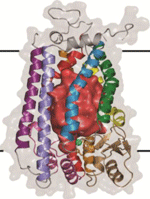
Molecular structure of the protein Ste24p.
The research was performed in collaboration with scientists from the University of Virginia and the Hauptman Woodward Institute in Buffalo, as part of the Membrane Protein Structural Biology Consortium (MPSBC), funded by the National Institutes of Health Protein Structure Initiative. MPSBC is one of 9 membrane protein structure determination centers established in July 2010 as part of the NIGMS PSI: Biology Initiative.
MPSBC aims to establish a pipeline to generate multiple target constructs for expression studies followed by pre-crystallization screening to identify stable protein:detergent complexes. The complexes then undergo high-throughput crystallization screening and optimization followed by structure determination. Targets include transporters, transmembrane enzymes involved in lipid synthesis and lipid attachment, and membrane protein complexes.
Josh Munger, Ph.D. Discusses Jobs in Biochemistry and Biophysics with the Rochester Democrat and Chronicle
Monday, February 25, 2013
Joshua Munger was studying to become a veterinarian, but a microbiology requirement in college — in which he learned about the constant fight between host cells and the viruses that attack them — changed everything. There's this evolutionary battle between the two,” he said. “I enjoyed learning about how they're always one-upping each other, how they're always trying to either cause infection or to limit the infection.
Munger, 37, has been an assistant professor in the Department of Biochemistry and Biophysics at the University of Rochester Medical Center since 2008. His work, which looks at how viral infection changes the metabolism of cells, has implications for cancer research and other areas.
URMC Biochemistry Professor Named a Fellow of the American Academy of Microbiology
Friday, February 15, 2013
Eric Phizicky, Ph.D.
Eric M. Phizicky, Ph.D., dean's professor in the Department of Biochemistry and Biophysics and member of the University's Center for RNA Biology, has been elected to Fellowship in the American Academy of Microbiology (Academy). The Academy is the honorific leadership group within the American Society for Microbiology (ASM), the world's oldest and largest life science organization. The mission of the Academy is to recognize scientists for outstanding contributions to microbiology and provide microbiological expertise in the service of science and the public.
Over the last 50 years, over 2,700 distinguished scientists have been elected to the Academy. Fellows are elected through a highly selective, annual, peer review process, based on their records of scientific achievement and original contributions that have advanced microbiology. Each elected Fellow has built an exemplary career in basic and applied research, teaching, clinical and public health, industry or government service. Academy Fellows are eminent leaders in the field of microbiology and are relied upon for authoritative advice and information on critical issues in microbiology. Election to Fellowship indicates recognition of distinction in microbiology by one's peers.
We couldn't be more pleased that Eric has been awarded this honor and recognition for his excellence and creativity in the microbiological sciences, said Jeffrey J. Hayes, Ph.D., professor and acting chairman of the Department of Biochemistry and Biophysics at the Medical Center. On behalf of the department, please join me in offering his well-deserved congratulations!
Phizicky, who came to the Medical Center in 1987, has spent his career working to understand how tRNA is made and how it does its job in the cell, which is to help with the translation of genes into proteins. His lab also focuses on the design, construction and implementation of genomic methods to analyze protein structure and function, work that's conducted in collaboration with Elizabeth Grayhack, Ph.D., associate professor of Biochemistry and Biophysics.
URMC Biochemistry Professor Named University of Rochester 2013 Presidential Diversity Award Recipient
Thursday, January 10, 2013

University of Rochester President Joel Seligman, with 2013 Diversity Award winners Suzanne Piotrowski (THSP), Kevin Graham (THSP), Alyssa Cannarozzo (THSP), Lynne Maquat of the Medical Center, Kim Muratore (THSP), and Vice Provost for Faculty Development & Diversity Vivian Lewis.
Lynne Maquat, Ph.D., J. Lowell Orbison Endowed Chair & Professor, Biochemistry & Biophysics; Director, University of Rochester Center for RNA Biology: From Genome to Therapeutics; Chair, University of Rochester Graduate Women in Science, has been selected to receive one of two 2013 Presidential Diversity Awards for exemplary contributions to the University's diversity and inclusion efforts. Dr. Maquat is being honored for combining her groundbreaking research agenda with a lifelong commitment to helping women succeed in science. Her remarkable accomplishments include the networking and mentoring programs she initiated as president of the RNA Society; her creation in 2003 of the University of Rochester Graduate Women in Science (GWIS) program; and her award and renewal of an NIH training grant that supports graduate students, including underrepresented minorities, in the cellular, biochemical and molecular sciences.
The Presidential Diversity Awards were created in 2009 by President Joel Seligman to recognize faculty, staff, students, units, departments or teams that demonstrate a commitment to diversity and inclusion through recruitment and retention efforts, teaching, research, multi-cultural programming, cultural competency, community outreach activities, or other initiatives.
BMB Program 10th Annual Retreat Announced!
Wednesday, December 19, 2012
Biochemistry and Molecular Biology (BMB) Program holds its 10th Annual Retreat on Monday, January 14, 2013.
The event is scheduled to be in Rochester Museum and Science Center in Eisenhart Auditorium from 8:30 a.m. till 5:00 p.m.
Faculty Organizers: Beth Grayhack
& Josh Munger
Student Organizers: Angela Balliano & Jiashi Wang
Staff Organizer: Melissa Vera
Monday, January 14; 8:30 a.m. – 5:00 p.m.
Rochester Museum and Science Center, Eisenhart
Auditorium
657 East Ave, Rochester, NY 14607 (show
on Google Maps)
URMC Biochemistry Professor Named a Fellow of the American Association for the Advancement of Science
Monday, December 3, 2012
Eric Phizicky, Ph.D.
Eric M. Phizicky, Ph.D., dean's professor in the Department of Biochemistry and Biophysics at the University of Rochester Medical Center, was named a Fellow of the American Association for the Advancement of Science (AAAS). AAAS is the world's largest general scientific society and publisher of the journal Science.
This year 702 members were awarded this honor by AAAS because of their scientifically or socially distinguished efforts to advance science or its applications. Phizicky, a member of the University's Center for RNA Biology, was elected a Fellow for major contributions to the basic knowledge of tRNA (transfer RNA) processing and turnover and for the development and widespread distribution of powerful genome-wide technologies.
We were extremely happy to hear that Eric was receiving this much-deserved honor. His passion for science is infectious and matched only by his inquisitive nature and skill as a scientist,
said Jeffrey J. Hayes, Ph.D., professor and acting chairman of the Department of Biochemistry and Biophysics at the Medical Center. Aside from his remarkable accomplishments in research, Eric is an outstanding teacher and colleague.
Phizicky, who came to the Medical Center in 1987, has spent his career working to understand how tRNA is made and how it does its job in the cell, which is to help with the translation of genes into proteins. His lab also focuses on the design, construction and implementation of genomic methods to analyze protein structure and function, work that's conducted in collaboration with Elizabeth Grayhack, Ph.D., associate professor of Biochemistry and Biophysics.
Longtime Biochemistry & Biophysics Member, Sayeeda Zain, Ph.D., Dies
Wednesday, November 28, 2012
Sayeeda Zain, Ph.D.
Longtime Biochemistry & Biophysics member, Sayeeda Zain, Ph.D. passed away last week after a long and courageous battle with cancer. Services were held last Sunday for Sayeeda.
Sayeeda did her Ph.D. work with Sherman Weissman in the Dept of Human Genetics, Molecular Biophysics and Biochemistry at Yale University where she carried out some of the very earliest nucleic acid sequencing experiments, determining the sequence of parts of the SV40 virus. She then went to Richard Roberts' group at The Cold Spring Harbor Laboratories, where she applied her knowledge of sequencing to both adenovirus transcripts and genomic DNA -- and co-discovered, with Louise Chow, the phenomenon of mRNA splicing. Roberts later received the Nobel Prize for this work, with Philip Sharp (Nobel Prize in Physiology or Medicine, 1993.
In 1978 Sayeeda took a faculty position in the Microbiology Department at the University of Rochester and later was hired into to the Biochemistry Department by Fred Sherman. Sayeeda's research program focused on eukaryotic gene expression with specific emphasis on proteins involved in Alzheimer's disease and molecular mechanisms of metastasis. She remained an active member of the department, teaching in Molecules-to-Cells, until last year.
URMC Geneticists Verify Cholesterol-Cancer Link
Thursday, September 13, 2012
University of Rochester Medical Center scientists discovered new genetic evidence linking cholesterol and cancer, raising the possibility that cholesterol medications could be useful in the future for cancer prevention or to augment existing cancer treatment.
The data, published in the online journal Cell Reports, support several recent population-based studies that suggest individuals who take cholesterol-lowering drugs may have a reduced risk of cancer, and, conversely that individuals with the highest levels of cholesterol seem to have an elevated risk of cancer.
The cancer-cholesterol question has been debated since the early 20th century, and along with it doctors and scientists have observed various trends and associations. However, until now genetic evidence directly linking cholesterol and malignancy has been lacking, said senior author Hartmut (Hucky) Land, Ph.D., Robert and Dorothy Markin Professor and chair of the Department of Biomedical Genetics and Professor in the department of Biochemistry & Biophysics, and director of research and co-director of the James P. Wilmot Cancer Center at URMC.
Dr. Robert Bambara Receives Lifetime Mentoring Award
Friday, September 7, 2012
Dr. Robert Bambara, professor of Microbiology & Immunology and Biochemistry & Biophysics received the Lifetime Mentoring Award from the University of Rochester Medical Center. A most prestigious award, Dr. Bambara is no stranger to these types of awards having been honored several times in the past, including the 2007 William H. Riker University Award for Excellence in Graduate Teaching. Dr. Bambara has mentored many students and postdoctoral fellows throughout his distinguished career. Some highlights of his many accomplishments over his through exceptional mentoring include
Lata Balakrishnan, Ph.D. Receives Outstanding Postdoc Mentor Award
Wednesday, September 5, 2012
Lata Balakrishnan, Ph.D., who was recently appointed to Research Assistant Professor in the department of Biochemistry and Biophysics, was selected to be this year's recipient of the Outstanding Postdoc Mentor Award. The selection was based on the faculty opinion that Lata demonstrated all of the qualities of a great postdoc mentor, as well as her outstanding credentials.
This award, established this year, is to recognize a School of Medicine and Dentistry postdoc for outstanding mentoring of undergraduate or graduate students and/or other postdocs. The Award was presented to a deserving postdoc of exceptional merit at the School of Medicine and Dentistry Convocation Ceremony on Thursday, August 30th at 4:00pm in the Class of 1962 Auditorium. Currently Lata works in the Bambara Lab focusing on regulation of replication and repair associated proteins via acetylation.
Alan E. Senior, Emeritus Professor, Publishes Reflections Article
Tuesday, September 4, 2012
Alan E. Senior, Emeritus Professor in the department of Biochemistry & Biophysics, recently published a Reflections article in The Journal of Biological Chemistry. The article details his life and work defining the F1F0-ATPase (also known as ATP synthase), which is a fundamental component of oxidative phosphorylation, and P-glycoprotein, an important enzyme that confers multidrug resistance to anti-cancer drugs and other therapeutics.
Biochemistry Students Receive Awards at School of Medicine and Dentistry Convocation Ceremony
Friday, August 31, 2012
Biochemistry graduate student, Michael Mierzejewski received the School of Medicine and Dentistry, Irving Spar Award. The Irving L. Spar Award honors the memory of Dr. Spar, a former Senior Associate Dean for Graduate Studies in the School of Medicine and Dentistry. The Award was presented to a deserving student of exceptional merit at the School of Medicine and Dentistry Convocation Ceremony on Thursday, August 30th at 4:00 pm in the Class of 1962 Auditorium.
Biochemistry students, Clarence Ling, Bronwyn Lucas, Morgan Monaghan, and Charles Owen Smith received the Elmer H. Stotz, Award. The award honors Dr. Stotz, Ph.D., Professor Emeritus and former Chair of the Department of Biochemistry. It provides scholarship funds for graduate students, helping to fulfill the life-long ideals and interest which Dr. Stotz had for graduate education.
Harold C. Smith, Ph.D. Serves as an Organizer for the 2nd World Congress on Virology
Thursday, August 23, 2012
Harold C. Smith, Ph.D., professor in the Department of Biochemistry and Biophysics, served as an organizer for the 2nd World Congress on Virology, Aug. 20-22, in Las Vegas. The meeting brings together scientists, physicians and social workers from around the world with the goal of sharing technology and new understanding concerning the impact of disease caused by viral infections of humans, animals and plants on global and regional health care and socioeconomics. Smith was charged with creating the sweeping meeting program, including recruiting the keynote speaker and organizing sessions with other chairpersons and speakers. He also organized a workshop on drug-discovery efforts around the globe. Important new insights are anticipated concerning the spread of infectious disease, vaccine development and novel preventive and therapeutic approaches.
Biophysics, Structural & Computational Biology Program to Hold Annual Retreat
Friday, August 17, 2012
The BSCB program will hold it's annual retreat at the Memorial Art Gallery on Monday, October 8. Our Ph.D. candidates will be presenting short talks throughout the day and posters during an afternoon session. A major highlight of the retreat is a Career Discussion Panel comprising five diverse scientists:
- Prof. Hong Li (Florida State U.)
- Prof. Doros Petasis (Alleghany College)
- Prof. Barry Goldstein (U. Rochester/professional photographer)
- Dr. Matthew Benning (Bruker-AXS, Inc.)
- Dr. Chris Strohsahl (CellTraffix, Inc.)
Lunch and refreshments will be served, courtesy of the BSCB Program's Neuman Educational Endowment, as well as corporate sponsorship from Genscript, Inc., Bruker-AXS, Inc., and GE Healthcare, Inc.
Drs. Clara Kielkopf and Joseph Wedekind are the faculty organizers and student organizers are Anant Agrawal and Karl Smith. Program and additional information will be available in September.
Lata Balakrishnan Awarded NIH Pathway to Independence K99/R00 Award
Friday, July 20, 2012
Congratulations to Lata Balakrishnan, Postdoctoral Fellow in Dr. Robert Bambara's lab. Lata was awarded a NIH Pathway to Independence K99/R00 Award. The project title is Regulating Pathways and Fidelity of DNA Replication and Repair by Acetylation
. The award is for a period of five years consisting of two phases, with two years being funded for mentored research and three years of funding as an independent scientist (contingent on securing a tenure track faculty position).
Professor Mahin Maines Recognized for Lifetime Contribution to Heme Oxygenase Community
Tuesday, June 5, 2012
Congratulations to Professor Mahin Maines, Ph.D., who received recognition for her lifetime contribution to the Heme Oxygenase Community. Dr. Maines was presented with a certificate acknowledging her contribution, by her peers at the 7th International Congress on Heme Oxygenases and Related Enzymes, 28th May - 1st June, held at the University of Edinburgh
Longtime Faculty Member, Expert in Effects of Radiation on DNA, Dies
Monday, May 14, 2012
William A. Bernhard, Ph.D., a faculty member of the University of Rochester Medical Center for more than 40 years and an internationally known expert on the effects of ionizing radiation on the chemical structure of DNA, died May 9 at his home in Mendon, N.Y., after a brief illness.
Bill was a biophysicist of the highest order, working at the forefront of understanding how radiation damages our
genetic material. His unique command of both the biological and physical aspects of radiation damage earned him
the respect and recognition of colleagues worldwide,
said Jeffrey J. Hayes, Ph.D., chair of the
Department of Biochemistry and Biophysics. The longevity of his research
program, funded by the National Cancer Institute for 37 consecutive years, and the successful careers of his
many trainees are testaments to the consistent high quality of his work, the high regard his peers, and his
commitment to training future scientists. Bill also was a wonderful person and colleague.
Chenguang Gong Receives 2012 Scaringe and China Scholarship Council Awards
Tuesday, May 8, 2012
Chenguang Gong, M.S., a graduate student in the laboratory of Lynne E. Maquat, Ph.D., the J. Lowell Orbison Chair and Professor of Biochemistry and Biophysics and Director of the Center for RNA Biology, was awarded one of two 2012 Graduate Student Scaringe Awards from the RNA Society. Each year, the award is given to recognize graduate students who publish the best papers of the previous year in the areas of interest to the society. Gong was honored for his first-author publication in Nature (2011), which describes a new role for long non-coding RNAs in humans. Gong also has a first-author publication in Genes & Development (2009) and several review articles from his graduate work in the Maquat lab. Gong will receive the award in early June at the Annual Meeting of the RNA Society. As part of the award, Gong is invited to write a review for the society's journal RNA.
Gong also received a Chinese Government Award for Outstanding Students Abroad. Established in 2003 by the China Scholarship Council (CSC), this award encourages research excellence and recognizes overseas Chinese students with outstanding academic accomplishments. The award includes a $5,000 cash prize and a CSC-issued certificate. Gong will join 30 other Chinese graduate students in the CSC's ten-state jurisdiction, which includes not only New York but also Massachusetts, Pennsylvania, Maine, Ohio, Connecticut, New Jersey, Rhode Island, New Hampshire and Vermont, at the Awards Ceremony held on May 25 in New York City.
10th Annual Fred Sherman Lecture Highlights Genetics Day 2012
Wednesday, April 4, 2012
Today, the department of Biomedical Genetics 24th Annual Genetics Day was highlighted by the 10th Annual Fred Sherman Lecture. Dr. Fred Sherman, Professor Emeritus of Biochemistry & Biophysics has been honored for his contributions to Genetics and Yeast Genetics for the past nine years with a lecture named after him. The NIH has funded Fred for a remarkable 45 years, during which time he has published over 280 papers, with more on the way.
In 1970, Fred initiated the famous yeast course at Cold Spring Harbor, which has trained scores of today’s leading investigators. He served as an instructor in this course for 17 years. Fred’s many landmark contributions to several fields of molecular biology were recognized by his election to the National Academy of Sciences in 1985.
Genetics Day is an annual event, including a poster session and plenary lectures, that brings together the University genetics community defined in its broadest sense. This year, Dr. Gary Ruvkun, Professor of Genetics at Harvard Medical School, gave the Sherman Lecture entitled, The tiny RNA pathways of C. elegans.
Lynne Maquat Named 2012 Batsheva de Rothschild Fellow
Friday, March 23, 2012
Professor of Biochemistry & Biophysics and Director for the Center for RNA Biology, Lynne Maquat, Ph.D., has been named a 2012 Batsheva de Rothschild Fellow of the Israel Academy of Sciences and Humanities. Batsheva de Rothschild (1914-1999) was a biologist, trained at the Sorbonne, Paris and at Columbia University, New York. She worked for a while at the Pasteur Institute in Paris.
The Batsheva Fund was established as a private endowment fund, first in New York City and afterwards, in 1965, in Israel. In 1993 she generously transferred the fund to the Israel Academy of Sciences and Humanities. In 1958 she became the only one ever, from her legendary family, to settle in Israel and became active in public life. Science and the arts were the two loves of this exceptional woman. In 1989 she was awarded the prestigious Israel Prize for her many contributions to Israeli society, among them the founding of Israel’s Batsheva and Bat Dor Dance Companies. The Batsheva Fund's purpose is to further Science in Israel for the people of Israel.
Taking another Shot at RAGE to Tame Alzheimer's
Wednesday, March 14, 2012
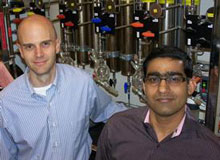
Benjamin Miller, Ph.D., and Itender Singh, Ph.D.
Researchers have taken another crack at a promising approach to stopping Alzheimer's disease that encountered a major hurdle last year. In research published this week in the Journal of Clinical Investigation, scientists have developed a compound that targets a molecular actor known as RAGE, which plays a central role in mucking up the brain tissue of people with the disease.
Scientists at the University of Rochester Medical Center and the University of Southern California synthesized a compound that stops RAGE in mice - reversing amyloid deposits, restoring healthy blood flow in the brain, squelching inflammation, and making old, sick mice smarter. But the scientists caution that the work has a long way to go before it's considered as a possible treatment in people.
In the latest work, Zlokovic and colleagues screened thousands of compounds for anti-RAGE activity and identified three that seemed promising. Then the team turned to chemists Benjamin Miller, Ph.D., and graduate student Nathan Ross. The pair analyzed the compounds' molecular structures, then used that knowledge to create dozens of candidates likely to have activity against RAGE.
Former Biophysics Chair and Senior Dean of Graduate Studies Dies
Tuesday, March 13, 2012
Paul L. LaCelle, M.D., a University of Rochester Medical Center faculty member for more than 40 years, a former department chair and former senior dean, died March 9. He was 82.
Dr. LaCelle, a 1959 graduate of the University's School of Medicine and Dentistry, joined the faculty in 1964 as an instructor of what was then the Department of Radiation Biology and Biophysics. He was named a professor in 1974 and chaired what is now the Department of Biochemistry and Biophysics from 1977 to 1996.
Biophysics, Structural and Computational Biology Graduate Program Holds Annual Retreat
Tuesday, October 11, 2011
The Biophysics, Structural and Computational Biology Retreat took place on Monday, October 10, 2011 at the Memorial Art Gallery in Rochester, NY. There was a great turnout for the event with presentations by postdoctoral fellow's and students from the Dumont, Mathews, Miller, Miao, Kielkopf and Wedekind labs.
In addition to those talks, Dr. Tom Gunter who recently retired from the Biophysics program gave a retrospective talk of the history of the Biophysics program. There was also a Career Panel Discussion featuring Dr. Lea Michel (alumnus, Dr. Kara Bren's lab) from the Rochester Institute of Technology, Dr. Thomas Gaborski who is the President and CEO of SiMPore Inc. as well as Dr. Jack Daiss, Consultant and Chief Scientific Officer at Codevax. The retreat also featured over 20 poster presentations.
Biochemistry and Biophysics Graduate Students Receive Fellowship Awards
Thursday, October 6, 2011
At this year's opening convocation on October 5, two graduate students from the department of Biochemistry & Biophysics received Graduate Fellowship's. Dejun Lin, a Ph.D. student in the Biophysics, Structural and Computational Biology graduate program, was awarded the Leon L. Miller Graduate Fellowship. This fellowship, established by the Miller family, honors Dr. Leon Miller, Professor Emeritus of Biochemistry & Biophysics, for his contributions to science and the School of Medicine and Dentistry. It is awarded annually to a student with interest in developing a biophysics-related research career.
Sarah Amie, a Ph.D. student in the Biochemistry and Molecular Biology graduate program, was awarded the Elmer H. Stotz Graduate Fellowship. This fellowship, established by the Stotz family to honor Dr. Elmer Stotz, Professor Emeritus and former Chair of the Department of Biochemistry, is awarded to a Ph.D. student in biochemistry.
Changing Genetic ‘Red Light’ to Green Holds Promise for Treating Disease
Wednesday, June 15, 2011
In a new study published today in the journal Nature, scientists discovered an entirely new way to change the genetic code. The findings, though early, are significant because they may ultimately help researchers alter the course of devastating genetic disorders, such as cystic fibrosis, muscular dystrophy and many forms of cancer.
This is a very exciting finding,
said Yi-Tao Yu, Ph.D., lead study author and associate professor of Biochemistry and Biophysics at the Medical Center. No one ever imagined that you could alter a stop codon the way we have and allow translation to continue uninterrupted like it was never there in the first place.
Department of Biochemistry and Biophysics Holds Annual Awards Ceremony
Friday, May 13, 2011
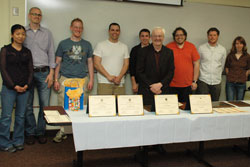
Robert Bambara and Biochemistry & Biophysics Graduates.
The department of Biochemistry & Biophysics held its annual awards ceremony to celebrate those students that received their doctoral degree this year. Awards were also given out to various students and faculty members for their respective research and teaching contributions. The following awards were given:
- Walter Bloor Award for Excellent Ph.D. Thesis
- Keith Connolly and Christopher Hine
- George Metzger Award for Excellence in Biophysics Ph.D. Thesis
- Jessica Snyder
- Marvel-Dare Nutting Award Recognizing an Outstanding Biochemistry Ph.D.
- Tamara Caterino
- William Neuman Award in Biophysics
- Paul Black
- William Neuman Travel Awards
- Paul Black, He Fang, Nicholas Leioatts, and Wenhua Wang
- Excellent Student Seminar Presentations
- Wen Shen, Karyn Schmidt, Krystle McLaughlin, and Nicholas Leioatts
- Faculty Teaching Awards
- David Mathews, Ph.D. and Lynne Maquat, Ph.D.
- Staff Recognition Award
- Melissa Vera
9th Annual Fred Sherman Lecture Highlights Genetics Day 2011
Friday, May 6, 2011
The department of Biomedical Genetics 23rd Annual Genetics Day was highlighted by the 9th Annual Fred Sherman Lecture. Dr. Fred Sherman, Professor Emeritus of Biochemistry & Biophysics has been honored for his contributions to Genetics and Yeast Genetics for the past nine years with a lecture named after him. The NIH has funded Fred for a remarkable 44 years, during which time he has published over 280 papers, with more on the way.
In 1970, Fred initiated the famous yeast course at Cold Spring Harbor, which has trained scores of today’s leading investigators. He served as an instructor in this course for 17 years. Fred’s many landmark contributions to several fields of molecular biology were recognized by his election to the National Academy of Sciences in 1985.
Dr. Lynne Maquat Elected to the National Academy of Sciences
Wednesday, May 4, 2011
Dr. Lynne Maquat was elected to join an elite group of exceptional scientists that make up the National Academy of Sciences. Her election was based on her development of the field of nonsense mediated message decay described in detail on her laboratory website. Her accomplishments include leading this area that focuses on mechanisms by which cells recognize and remove flawed RNAs before they can encode defective proteins, publishing in journals such as Cell and Nature, and training highly successful students and fellows. She is only the third faculty member in the University of Rochester Medical Center with this honor and joins Dr. Fred Sherman as the second member of the Department of Biochemistry and Biophysics in the Academy.
Scientists Find a Key to Maintaining Our DNA
Friday, March 18, 2011
DNA contains all of the genetic instructions that make us who we are, and maintaining the integrity of our DNA over the course of a lifetime is a critical, yet complex part of the aging process. In an important, albeit early step forward, scientists have discovered how DNA maintenance is regulated, opening the door to interventions that may enhance the body's natural preservation of genetic information.
The new findings may help researchers delay the onset of aging and aging-related diseases by curbing the loss or damage of our genetic makeup, which makes us more susceptible to cancers and neurodegenerative diseases, such as Alzheimer's. Keeping our DNA intact longer into our later years could help eliminate the sickness and suffering that often goes hand-in-hand with old age.
Our research is in the very early stages, but there is great potential here, with the capacity to change the human experience,
said Robert Bambara, Ph.D., chair of the Department of Biochemistry & Biophysics at the University of Rochester Medical Center and leader of the research. Just the very notion is inspiring.
Scientists Discover Gene Regulation Mechanism Unique to Primates
Wednesday, February 9, 2011
Scientists have discovered a new way genes are regulated that is unique to primates, including humans and monkeys. Though the human genome – all the genes that an individual possesses – was sequenced 10 years ago, greater understanding of how genes function and are regulated is needed to make advances in medicine, including changing the way we diagnose, treat and prevent a wide range of diseases.
It's extremely valuable that we've sequenced a large bulk of the human genome, but sequence without function doesn't get us very far, which is why our finding is so important,
said Lynne E. Maquat, Ph.D., lead author of the new study published today in the journal Nature.
Biochemical Genomics: Technique Speeds Identification of Genes Associated with Specific Bioactivity
Friday, November 12, 2010
Researchers have developed a technique that identifies genes associated with specific biologically active proteins much more quickly than previously possible.
The approach is potentially useful not just for analyzing gene functions in yeast—the organism on which it's first been demonstrated—but in other organisms as well, including humans. The technique was devised by associate professor Eric M. Phizicky, Ph.D. and research associate professor Elizabeth J. Grayhack, Ph.D. of the department of Biochemistry & Biophysics at the University of Rochester School of Medicine.
Leon Miller, Scientist and Physician at URMC for 72 Years, Dies at 97
Tuesday, September 7, 2010
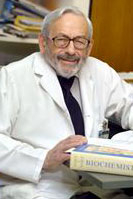
Leon Miller, M.D., Ph.D.
Leon L. Miller, M.D., Ph.D., a scientist and physician who was part of the fabric of the University of Rochester Medical Center for all but the first dozen years of its 84-year history, died Friday, Sept. 3, at Highland Hospital in Rochester.
Dr. Miller, who arrived at the Medical Center in 1938 – just 14 years after University President Rush Rhees laid the cornerstone of the medical center complex and 12 years after the first baby was born at Strong Memorial Hospital – was 97 years old.
Dr. Miller was as vigorous and lucid a person as you can imagine,
said Robert Bambara,Ph.D., chair of the Department of Biochemistry and Biophysics. He came to every faculty meeting and all the seminars, sitting in the front row, listening intently to presentations and asking very astute questions. He was a deep part of the fabric of our department. He was a real advocate for supporting younger faculty members and gave inspiring talks about how established faculty members should support younger faculty,
added Bambara.
Fred Sherman Articles Honored as JBC Classics
Friday, September 3, 2010
To celebrate 100 years of Biochemistry and Molecular Biology, the Journal of Biological Chemistry chose to reprint two of Dr. Fred Sherman's articles as well as write a biographical sketch honoring Fred's over four decades of research with cytochrome c. The two reprints, The Mutational Alteration of the Primary Structure of Yeast Iso-1-cytochrome c (1968) and Identification of Missense Mutants by Amino Acid Replacements in Iso-1-cytochrome c from Yeast (1974) speak to Fred's early research in isolation and identification of cytochrome c mutants which continues today. Dr. Sherman is currently Professor Emeritus in the department of Biochemistry & Biophysics at the University of Rochester Medical Center. Please read the entire JBC Centennial tribute to Dr. Sherman.
Maquat Receives International RNA Society Lifetime Achievement Award
Monday, June 28, 2010
Lynne Maquat, Ph.D., J. Lowell Orbison Chair and Professor of Biochemistry and Biophysics at the University of Rochester Medical Center, was honored with the RNA Society’s Lifetime Achievement Award in Service on Saturday, June 26 at the society's 15th annual meeting in Seattle, Washington. Maquat has been a member of the society since its formation in 1993, and has played an extremely active role, holding every elective office from director, to secretary/treasurer, to president.
Vitamin B3 Controls Important Life Processes by Changing Shape in Response to Oxygen Level
Friday, June 4, 2010
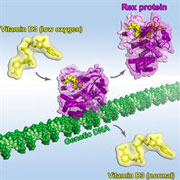
Rex protein in action
Scientists have obtained the first images of a common molecular signal, vitamin B3, which plays a role in making some bacteria potent and some men impotent.
For the first time, researchers have captured three-dimensional images of a protein in the act of responding to oxygen levels by sensing vitamin B3. Vitamin B3, also known as niacin, is essential to convert the food we eat into energy. Vitamin B3 also regulates a variety of processes, including erectile dysfunction, aging and sleep patterns in people. The findings, published in the journal Molecular Cell, could guide future development of antibiotics, and in the long term, new treatments for erectile dysfunction.
Vitamin B3 has been the focus of intense interest since its role as a signaling molecule was discovered, yet no one knew how proteins, the molecular machines of the cell, could sense the slight differences between the oxidized and reduced forms,
said Clara Kielkopf, Ph.D., associate professor in the Department of Biochemistry and Biophysics at the University of Rochester Medical Center and lead study author.
Lynne Maquat Featured in ASCB Newsletter
Monday, March 1, 2010
Lynne E. Maquat, Ph.D., the Dean's Endowed Chair of the Department of Biochemistry and Biophysics at the University of Rochester Medical Center, has been featured in the March 2010 American Society for Cell Biology (ASCB) Newsletter for her contributions to mRNA research. Maquat demonstrated that in mRNA, the nonsense tidied up after itself through a process called nonsense-mediated mRNA decay (NMD).
The problem goes way back,
explains Joan Steitz of Yale. But I consider Lynne the pioneer—and it took her a number of years—in figuring out this mysterious process called nonsense-mediated mRNA decay.
Nearly everyone working with mRNA realized that somehow cells can tell when a premature stop codon has been inserted into an open reading frame. Yet no one had an explanation of what happened to these nonsense proteins. According to Steitz, the big leap came when Maquat figured out that introns must leave a mark on newly synthesized mRNA. Working with Melissa Moore in the late 1990s and early 2000s, Maquat identified that mark—the exon junction complex (EJC).
The full ACSB March 2010 Newsletter can be viewed here, with Dr. Maquat's profile beginning on page 15.
Cancer Researcher Receives Innovation Award for Pioneering Ideas
Thursday, January 14, 2010
Joshua Munger, Ph.D., an assistant professor of Biochemistry and Biophysics, has received a prestigious Damon Runyon Cancer Research Foundation Innovation Award, which recognizes promising early-career scientists who have outstanding research but lack sufficient preliminary data to get traditional funding.
Munger’s research focuses on cancer cell metabolism. A virologist and biochemist by training, he is studying the metabolic activities that are altered when cells transform from normal to malignant. Whereas previous studies have focused narrowly on individual metabolic activities, Munger is taking a more global approach by examining the rates of numerous individual metabolic processes simultaneously.
AIDS May Date Back to Ancient Tiger
Monday, December 7, 2009
Early roots of the virus that causes AIDS might be found in a tiger that lived thousands or millions of years ago, new research suggests.
It appears the virus took on a bit of a tiger's genetic material, scientists say, and a remnant of that cat remains in the virus to this day. That tiger, in fact, may have bitten a monkey, setting off an evolution of the virus that ultimately led to its infection of humans. The finding shouldn't lead to any immediate breakthroughs in AIDS treatment, experts say. But it does provide more insight into how the virus works.
Unless you really understand how these viruses work, the exact step-by-step chemical process, then you can't really rationally design a new clever kind of therapy that may be effective against the virus,
explained study co-author Robert Bambara, Ph.D., Chairman of the University of Rochester's Department of Biochemistry and Biophysics.
Gene Hijacked By HIV Ancestor Suggests New Way to Block Viral Reproduction
Sunday, December 6, 2009
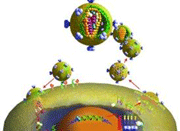
An ancestor of the AIDS virus hijacked an entire gene, perhaps from some prehistoric cat it had infected, a gene that makes it much better able to infect humans, according to a study published online today in Nature Structural and Molecular Biology. The discovery represents the first instance in which researchers have found an entire animal gene within the genome of the human immunodeficiency virus despite 30 years of intense analyses.
HIV molecular biology is the most studied in history, which makes it remarkable that the presence of an entire copy of this gene, called tRNALys3, could go undiscovered within the HIV genome for decades,
said Robert Bambara, Ph.D., former Chair of the Department of Biochemistry and Biophysics at the University of Rochester Medical Center, and the study's lead author. We not only found the gene, but also a plausible explanation for why it is still there after millions of generations: its presence makes HIV dramatically better at reproducing inside of our cells. This suggests new ways to shut down with drugs the ability of the virus to mass produce copies of itself.
Existing Anti-Obesity Drugs May Be Effective Against Flu, Hepatitis and HIV
Monday, September 29, 2008
Viruses dramatically increase cellular metabolism, and existing anti-obesity drugs may represent a new way to block these metabolic changes and inhibit viral infection, according to a study published today in the journal Nature Biotechnology.
Using new fluxomic techniques, our study reveals that viral infection takes control of cellular metabolism and drives, among other things, marked increases in fatty acid synthesis,
said Joshua Munger, Ph.D., assistant professor of Biochemistry and Biophysics at the University of Rochester Medical Center, and a study author. We also found that if you target these increases in fatty acid metabolism using existing anti-obesity and anti-metabolism drugs, you inhibit viral replication.
Researchers Discover Critical Detail of Cellular Defense Against Genetic Mistakes
Thursday, April 17, 2008
In recent years, researchers at the University of Rochester Medical Center have revealed the existence of a natural surveillance system called nonsense-mediated mRNA decay (NMD) that determines which mRNAs are fit to serve as protein templates and sees to the destruction of those with flaws. Researchers hope to tweak the process such that it catches more genetic errors in some cases, or leaves more templates for helpful proteins in place in others, based on the disease at hand. To do so will require a highly detailed knowledge of the NMD pathway.
The current results uncover a critical and previously unappreciated step during the natural process that finds flaws in mRNAs,
said Lynne E. Maquat, Ph.D., J. Lowell Orbison Endowed Chair and professor of Biochemistry & Biophysics at University of Rochester Medical Center, director of the University of Rochester Center for RNA Biology and lead author of the Cell piece. This work has important implications for our understanding of how one of the human cell's most important activities, protein synthesis, undergoes quality control.
Graduate Women in Science Offers Pragmatic Thinking about Future Careers
Saturday, March 1, 2008
Once a month, women graduate students, postdocs, and early-career faculty come together to listen to straightforward advice from accomplished scholars about important steps and critical practices to build a successful academic career. The monthly format provides regular opportunities for women in science to communicate with one another and establish relationships with peers.
The driving force behind the program is its coordinator, Lynne Maquat, Ph.D., J. Lowell Orbison Endowed Chair and Professor of Biochemistry and Biophysics. Maquat offers this important advice to future faculty members: Do things despite your fears; build a strong curriculum vita—because it is always about merit; know yourself and what your strengths are; and be pragmatic about your career—know what you want to accomplish in the next six months, twelve months, and five years and then stick to your plan.
Researchers Seek to Make Cavity-Causing Bacteria Self-Destruct
Tuesday, January 8, 2008
The ability of Streptococcus mutans (S. mutans) to survive in acid is one reason that the species is the main driver of tooth decay worldwide. Past research has shown that this ability has several components including a bacterial enzyme called fatty acid biosynthase M (FabM), which when shut down, makes S. mutans almost precisely 10,000 times more vulnerable to acid damage.
Our first goal is to force the major bacterium behind tooth decay to
destroy itself with its own acid as soon as it eats sugar,
said Robert G. Quivey, Ph.D.,
professor of Microbiology & Immunology at the University of Rochester Medical Center and principal investigator for the grant. After that, this line of work
could help lead to new anti-bacterial combination therapies for many infections that have become resistant to antibiotics.
Quivey's partners in the grant application were Elizabeth Grayhack, Ph.D., research associate professor of Biochemistry & Biophysics, Robert Marquis, Ph.D., professor of Microbiology & Immunology, and Eric Phizicky, Ph.D., professor of Biochemistry & Biophysics.
Research Unveils New Hope for Deadly Childhood Disease
Wednesday, January 2, 2008
Investigators at the University of Rochester Medical Center have uncovered a promising drug therapy that offers a ray of hope for children with Batten disease - a rare neurodegenerative disease that strikes seemingly healthy kids, progressively robs them of their abilities to see, reason and move, and ultimately kills them in their young twenties.
The study, highlighted in the January edition of Experimental Neurology, explains how investigators improved the motor skills of feeble mice that model the disease, helping them to better their scores on successive coordination tests. No treatment currently exists for these kids – nothing to halt the disease, or even to slow it down,
said one of the study's authors, David Pearce, Ph.D., a nationally renowned Batten disease expert and Biochemistry professor at the University of Rochester. His team has published more than 50 studies on the disease's basic mechanisms.
Robert Bambara Honored for Excellence in Graduate Teaching
Tuesday, June 19, 2007
David S. Guzick, M.D., Ph.D., Dean of the University of Rochester's School of Medicine and Dentistry, wrote in his recent Dean's Newsletter that, A truly great scientific career is measured not only by the direct impact of the scientist's original work, but by the impact on the field of his or her progeny--students mentored by the scientist who go on to make substantial contributions themselves.
It is, therefore, truly wonderful to share with you our excitement for Bob Bambara, Ph.D., Professor and Chair of the Department of Biochemistry and Biophysics, who was honored at the University's May 19 Commencement Exercises with the William H. Riker University Award for Excellence in Graduate Teaching,
continued Guzick.
Expert to Discuss Middleman in Protein Synthesis
Tuesday, March 6, 2007
Eric Phizicky, Ph.D., professor of Biochemistry & Biophysics, will give a talk titled tRNA: how and why it’s all dressed up
as part of a lecture series highlighting biomedical research at the University of Rochester.
Phizicky will speak about the tremendous, recent explosion in the understanding of transfer ribonucleic acid (tRNA), the middleman in the process of converting genetic code into proteins that make up the body’s structures, carry its messages and execute its functions. He will speak at 4 p.m. Friday, March 9, in the Case Methods Room (Room 1-9576) at the Medical Center.
Four Rochester Professors Named Fellows of American Association for the Advancement of Science
Friday, December 1, 2006
The American Association for the Advancement of Science (AAAS), the world's largest federation of scientists, has elected four scientists from the University of Rochester as fellows. John Jaenike, Michael K. Tanenhaus, Lynne E. Maquat, and Henry A. Kautz were honored for the advances they've brought to their respective fields. The new fellows will be presented with a certificate at the Fellows Forum during the 2006 AAAS Annual Meeting in San Francisco on Feb. 17, 2007.
Maquat, the Dean's Endowed Chair of the Department of Biochemistry and Biophysics, was nominated for discovery and characterization of nonsense-mediated mRNA decay.
Most recently her work has focused on how human cells protect themselves from constant and potentially destructive changes in gene expression through an RNA-mediated mechanism.
Drug Makes Cells Ignore Mutation
Thursday, November 9, 2006
A drug that corrects the effects of a genetic mutation has produced encouraging results in tests on patients. The drug, PTC124, is designed to fool a patient's cells into producing a functional protein, even though that protein's gene is mutated.
Lynne Maquat, an RNA researcher at the University of Rochester, says more research is needed. But she adds that there is a real need for drugs of this sort. An antibiotic called gentamycin also causes cells to ignore mutations, but it can cause deafness and kidney failure.
Dr. Fred Sherman Receives Genetic Society of America Lifetime Achievement Award
Tuesday, July 25, 2006
Dr. Fred Sherman was honored at this year's Yeast Genetics and Molecular Biology Meeting sponsored by GSA with the lifetime achievement award. Dr. Sherman has tirelessly led international efforts to firmly establish yeast as the premier genetic eukaryotic model system. He is currently Professor Emeritus, but has served as department Chair of Biochemistry and Biophysics (1982-1999) and Chairman of the Genetics Division of the National Academy of Sciences (2000-2003), of which he is one of only two members at the University of Rochester Medical Center. The meeting was held in Princeton, N.J., July 25-30. There were 820 attendees presenting 81 oral presentations and over 500 posters.
Medical Center Researcher Named to Head RNA Society
Thursday, June 1, 2006
Lynne E. Maquat, Ph.D., the Dean's Endowed Chair of the Department of Biochemistry and Biophysics at the University of Rochester Medical Center, has been elected president of the RNA Society. The Society was formed in 1993 to encourage the sharing of experimental results and emerging concepts in ribonucleic acid research.
Two Researchers Elected to the American Academy of Arts and Sciences
Friday, April 28, 2006
Two researchers, one from the University of Rochester Medical Center and another from the University of Rochester River Campus, were named as new members of the 226th class of the American Academy of Arts & Sciences. Lynne E. Maquat, Professor of Biochemistry and Biophysics, received the honor along with Richard Aslin, Professor of Brain and Cognitive Sciences.
Maquat was honored for decades of work that has advanced the understanding of how human cells protect themselves from constant and potentially destructive changes in gene expression. According to a recent article published in Nature Structural & Molecular Biology, the research is important because the protection itself can contribute to disease, and the ability to side-step it may lead to new treatments for hundreds of genetic disorders.
Study Provides Insight into Cellular Defenses Against Genetic Mutation
Tuesday, October 25, 2005
With their latest discovery, researchers have significantly advanced the understanding of how human cells protect themselves from constant and potentially destructive changes in gene expression. According to an article published in this month's Nature Structural & Molecular Biology, the research is important because the protection itself can contribute to disease, and the ability to side-step it may lead to new treatments for hundreds of genetic disorders.
Our study is important because we have determined for the first time that the mRNA-binding protein CBP80 tells the NMD system which mRNAs to review for nonsense codons,
according to Lynne E. Maquat, Ph.D., professor of Biochemistry and Biophysics at the Medical Center, and senior author of the Nature article.
Study to Explore Cellular Circuitry
Wednesday, September 7, 2005
As part of a $4.88 million grant from the National Science Foundation (NSF), molecular biologists from the University of Rochester Medical Center will join a team seeking to create the first complete wiring diagram of a living cell. By wiring diagram, researchers mean a detailed model, not only of the cell’s genes and their function, but also of the interplay between them. When complete, the diagram has the potential to reveal cellular approaches to treating many diseases, including cancer.
With most genes redundant and related to other genes and proteins in predictable ways, we can begin to identify the function of unknown cellular players based on their neighbors and associates,
said Eric Phizicky, Ph.D., professor of Biochemistry & Biophysics at the medical center. That puts us within reach of a completed diagram and the ability to re-wire cells in the treatment of disease.
Search and Destroy: Rochester Scientists Discover New Mechanism of Regulating RNA Degradation
Friday, February 4, 2005
As any dedicated video game player knows, the first requirement for using a weapon or tool is finding it. And it is no different for cell biologists and clinicians who want to take control of gene expression in cells to create therapies to treat disease. While cells have a variety of ways to control gene expression, the trick for players in this game is to recognize them amidst the incredibly complex background of cellular machinery.
Now, in a paper in the January 28th issue of Cell, Lynne E. Maquat, Ph.D., professor of Biochemistry and Biophysics at the University of Rochester Medical Center, and her team, have identified a novel pathway for RNA degradation, a form of regulation that has garnered significant attention in recent years, and one that has the potential to produce a new set of tools for physicians to use to fight disease.
Wilmot Cancer Center Honors Scientists Pioneering Genomic Research
Thursday, November 18, 2004
A pair of scientists whose discoveries have changed genomic research was honored today by the James P. Wilmot Cancer Center at the University of Rochester Medical Center. Eric Phizicky, Ph.D., and Elizabeth Grayhack, Ph.D., received the 2004 Davey Memorial Award for outstanding contributions to cancer research.
Phizicky and Grahack, a husband-and-wife research team, are considered pioneers in the field of functional proteomics. They were the first to develop a method to identify genes by the activity of their products on a genome-wide scale, by using all of the 6,144 genes of yeast as a model system. Their work has broad implications for biological sciences including cancer research.
Biophysics Professor William Simon Featured on NPR's Talk of the Nation
Monday, October 20, 2003
William Simon, Ph.D., professor in the department of Biochemistry & Biophysics at the University of Rochester Medical Center was featured on National Public Radio's (NPR) Talk of the Nation. Host Lynn Neary reads emails from listeners and then talks with Dr. Simon about his 1971 article in Science and the probability of the World Series going seven games.
Eric Phizicky Discusses Probing Protein Function on a Genomic Scale
Monday, May 12, 2003
Eric Phizicky, Ph.D., professor in the department of Biochemistry & Biophysics at the University of Rochester was interviewed and profiled at GenomeWeb. Dr. Phizicky discussed his research at the University Rochester, the library of 6,144 yeast strains, and the fact that his lab has identified genes, in the last four years, associated with more than 38 activities, including just about every biochemical reaction.
The Double Entendre: Gerald Fink's Tribute to Fred Sherman
Thursday, May 1, 2003
Dr. Gerald Fink of Whitehead Institute at MIT recently honored his friend and colleague, Dr. Fred Sherman, with a tribute in the book, The Early Days of Yeast Genetics. Fink and Sherman taught the Cold Spring Harbor Yeast Course for 17 years together. In the chapter, The Double Entendre, Dr. Fink describes his colleague as being deadly serious
about the Yeast course and that he was constantly inventing inexpensive gadgets for the course to substitute for the costly ones.
Citing Fred's zany
sense of humor and love for the course and Cold Spring Harbor itself, Gerry would never had to ask if Fred was enthusiastic about teaching the course another summer: I could tell from the Cheshire grin that squeaked out as he partnered one of the students into the laboratory that he was up for another year.
Scientist Honored for Research Contributions at Wilmot Cancer Center
Wednesday, October 16, 2002
A scientist who studies cellular mistakes was recently honored by the James P. Wilmot Cancer Center at the University of Rochester Medical Center. Lynne E. Maquat, Ph.D., professor of Biochemistry and Biophysics, received the 2002 Davey Memorial Award for outstanding contributions to cancer research.
Maquat was honored for her research into nonsense – flawed molecular coding that results in abnormally shortened proteins and could cause harm. The flaw is oftentimes a mistake in the genetic material, DNA, or its product, RNA, which encodes instructions for making proteins. Mistakes happen routinely and are also at the root of a large percentage of diseases, including cancer.
William Simon Featured on 13WHAM News to Talk About Ultrasound Cardiography
Thursday, May 10, 2001
William Simon, Ph.D., professor in the department of Biochemistry & Biophysics at the University of Rochester Medical Center was featured on 13WHAM News to talk about his 1973 article published in Radiology. The article published with Raymond Gramiak, M.D. and Robert C. Waag, Ph.D. entitled, Ciné Ultrasound Cardiography, discusses the development of a ciné ultrasonic cardiographic technique which produces cross-sectional motion picture studies of the heart using conventional ultrasonic techniques. The area under consideration is examined using a single slow sector scan which incorporates a minimum of 20 cardiac cycles and simultaneously records an electrocardiogram. This panoramic scan views the anatomic structures sequentially, and also includes the motion of the components.
Bio Online Presents: Panel of Scientists Deciphering the Human Proteome
Friday, March 9, 2001
The completion of the first draft of the human genome sequence gives us the potential to understand the precise protein content of every cell in a human being. It is also suddenly within our sights to decipher the function of every protein in the cell, and a number of methods have emerged to meet this challenge.
The Phizicky lab has focused on a genomic approach to biochemical analysis. To this end, a genomic library of yeast strains was prepared, in which each strain expresses a different yeast protein attached to an affinity purification tag. With the purified genomic array of proteins, one can rapidly link any biochemical activity to its cognate gene. This array has been used to identify several different catalytic and binding activities, and can be used to find targets of drugs. A similar array could be developed to analyze the proteins of the human genome.
Dr. Fred Sherman Named Chairman of Genetics Section of National Academy of Sciences
Monday, May 1, 2000
Dr. Fred Sherman, Professor of Biochemistry & Biophysics has been named Chairman of the Genetics Section of the National Academy of Sciences. Dr. Sherman has been investigating various broad aspects of gene expression in yeast, as means to determine processes operating in eukaryotic cells by using iso-1-cytochrome c as a model system for over four decades, and was elected to NAS in 1985.