menu

News

widget-dd7f7cb5-803

Holloway Receives Neuropalliative Care Lifetime Achievement Award

Tuesday, October 14, 2025

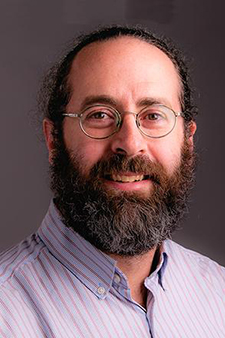
Robert Holloway, M.D., M.P.H.Robert Holloway, MD, MPH, of Neurology and Palliative Care, was this year’s recipient of the International Neuropalliative Care Society’s Lifetime Achievement Award. Holloway received the award, which recognizes pioneers in the field of neuropalliative care, at the INPCS annual meeting in Phoenix, AZ in September.

Holloway was recognized as one of the early giants of the field with contributions to research, education, clinical care, leadership, and mentorship. His encouragement of emerging leaders and his passion for challenging systems and medical culture were noted as exceptional qualities that mark his lasting and ongoing contributions to this field.

Congratulations, Dr. Holloway!

Study Shows Hormone Combination Improved Strength and Function in FSHD Patients

Monday, September 8, 2025

Chad HeatwoleNew research has demonstrated that a combined regimen of growth hormone and testosterone is safe, well-tolerated, and is associated with meaningful improvements in muscle mass, strength, and mobility for men living with facioscapulohumeral muscular dystrophy (FSHD). Researchers believe that this regime could benefit patients with other forms of muscular dystrophy.

“We’ve never seen a therapy in FSHD deliver both real gains in strength and lasting benefit after treatment stops,” said Chad Heatwole, MD, director of the University of Rochester Center for Health + Technology, and principal investigator and lead author of the study in Neurology Genetics. “This hormone combination could mark the first treatment to not only slow this disease, but help patients regain function.”

FSHD is a genetic muscle disorder that usually begins in adulthood. It causes gradual weakness of the face, shoulders, upper arms, and hips. Over time, many patients struggle to walk independently and perform everyday tasks, and there are currently no treatments that can slow or reverse these losses.

Duo of rhGH and Testosterone Boosts Muscle and Mobility

Heatwole and his team enrolled 20 adult men with FSHD who were still able to walk on their own. For six months, participants gave themselves a daily injection of recombinant human growth hormone (rhGH), which helps cells grow and regenerate, and received a testosterone shot every two weeks to support muscle building.

During treatment, the researchers monitored safety through blood tests and tracked changes in body composition, walking ability, and overall strength. After the six-month treatment period, everyone stopped the hormones for three months so the team could see how long any improvements would last.

Read More: Study Shows Hormone Combination Improved Strength and Function in FSHD Patients

Why Are Strokes Increasing in Young Adults?

Tuesday, June 17, 2025

BrainUnderstanding the Heart-Brain Connection

Strokes are often associated with older adults, but recent trends show a concerning rise in strokes among young adults aged 18 to 49. Lifestyle factors like smoking and obesity contribute to this increase, and underlying heart conditions also likely play a significant role.

According to UR Medicine neurologist Adam Kelly, MD, FAAN, understanding the link between the heart and brain is an important step to decreasing your stroke risk, no matter your age. Here’s how.

Risk Factors for Stroke

The rise in strokes among younger people comes in part from risk factors such as:

  • Carotid Artery Disease: Reduces blood flow to the brain from narrowing of the carotid arteries.
  • Diabetes: Increases the risk of plaque buildup in the arteries, which can cause strokes.
  • High Blood Pressure: Damages blood vessels, making them more susceptible to blockage.
  • High Cholesterol: Leads to plaque buildup in arteries, restricting blood flow.
  • Obesity: Contributes to other risk factors, such as high blood pressure and diabetes.
  • Smoking: Damages the cardiovascular system, elevating stroke risk.

It’s important to address these risk factors through lifestyle changes and medical management to help prevent a stroke from occurring.

Read More: Why Are Strokes Increasing in Young Adults?

Glial Replacement Therapy Slows Huntington’s Disease in Adult Mice

Monday, June 16, 2025

Cells of the Brain

Huntington’s disease has long defied attempts to rescue suffering neurons. A new study in Cell Reports shows that transplanting healthy human glial progenitor cells into the brains of adult animal models of the disease not only slowed motor and cognitive decline but also extended lifespan. These findings shift our understanding of Huntington’s pathology and open a potential path to cell-based therapies in adults already showing symptoms.

“Glia are essential caretakers of neurons,” said Steve Goldman, MD, PhD, co-director of the University of Rochester Center for Translational Neuromedicine and lead author of the study. “The restoration of healthy glial support—even after symptoms begin—could reset neuronal gene expression, stabilize synaptic function, and meaningfully delay disease progression. This study shifts the perspective on Huntington’s from a neuron-centric view to one that shows a critical role for glial pathology in driving synaptic dysfunction. It also tells us that the adult brain still has the capacity for repair when you target the right cells.”

Huntington’s Disease: Beyond Neurons

Huntington’s disease is a hereditary brain disorder caused by a mutation in the huntingtin gene. This mutation leads to an abnormal protein that gradually damages nerve cells, particularly in a region called the striatum, causing movement problems, mood changes, and cognitive decline.

The scientific approach to this disease has traditionally focused on saving or replacing the affected neurons, but decades of research in the Goldman lab have shown that the brain’s support cells—called glia—play a crucial role in how the disease unfolds.

Once thought of as mere “glue” holding neurons in place, glia are now known to regulate neuronal health, control inflammation, and maintain the brain’s chemical balance. In Huntington’s, glia become dysfunctional and may contribute to neuronal damage. By replacing diseased glia with healthy ones, scientists hope to restore the supportive environment neurons require to function properly, potentially preserving the nerve cells that are lost in the disease.

Read More: Glial Replacement Therapy Slows Huntington’s Disease in Adult Mice

Can Stress Cause a Stroke?

Friday, May 23, 2025

Stroke is one of the leading causes of death and disability in the U.S. And while we often hear about risk factors like high blood pressure , elevated cholesterol levels, and smoking, there’s another that often flies under the radar: stress.

“It’s hard to draw a straight line between a stressful event and a stroke,” says Dr. Curtis Benesch, Medical Director of UR Medicine’s Comprehensive Stroke Center since its start in 1996. “But when you look at large populations, there is a clear, statistically significant association between chronic stress and stroke risk.”

Here’s how something as intangible as stress might affect something as serious as a stroke—and what steps you can take to protect your health.

Can Long-Term Stress Raise Your Risk of Stroke?

Yes, chronic stress can increase your risk of stroke, but not in a direct way. Dr. Benesch explains that long-term stress contributes to common stroke risk factors like high blood pressure, poor sleep, unhealthy habits, and systemic inflammation.

Over time, this can lead to atherosclerosis (hardening of the arteries), which raises your risk for an ischemic stroke, the most common type.

“We don’t have a ‘stress meter’ like we have a blood pressure cuff, but what we do know is that high levels of chronic stress correlate with higher rates of stroke and cardiovascular disease,” says Dr. Benesch.

Read More: Can Stress Cause a Stroke?

This kind of sleep is essential for a healthy brain

Friday, April 25, 2025

Exercising can keep you mentally engaged and increase blood flow to the brain, which is helpful in glymphatic clearance, says Maiken Nedergaard, codirector of the Center for Translational Neuromedicine. Minimizing stress also boosts the process, she added.

Read More: This kind of sleep is essential for a healthy brain

Newborn Screening Expansion Sparks Research on Early Duchenne Intervention

Monday, April 21, 2025

Bo Lee

New therapies are transforming care for childhood muscular dystrophies by slowing disease progression. However, many of these advances are most effective when initiated early in life, often before symptoms even appear.

In response to the recent approval of gene therapies for Duchenne muscular dystrophy (DMD), New York, Minnesota, and Ohio have all added DMD to their newborn screening panels, creating a unique opportunity for researchers to study earlier diagnosis and intervention.

A new study led by University of Rochester Medical Center (URMC) and Golisano Children’s Hospital pediatric neurologist Bo Lee, MD, and funded by the Department of Defense, will establish a clinical research network spanning multiple sites across the three states. The project aims to characterize the early natural history of DMD in infants and toddlers (ages 0-3) and provide important insight into disease progression in the early stages.

Prospectively enrolling newborns and toddlers identified through state screening programs, the study will conduct longitudinal developmental and functional assessments. Researchers will evaluate cognitive, language, motor, social-emotional, and behavioral development, build a biorepository of specimens, and explore how genetic variations impact early motor milestones.

Read More: Newborn Screening Expansion Sparks Research on Early Duchenne Intervention

Transforming Parkinson’s Care for Underserved Communities

Wednesday, April 16, 2025

BKluger

A new research project is seeking to reshape care for patients with Parkinson’s disease, Lewy Body Dementia, and related neurodegenerative disorders and address disparities in care and outcomes in Black and Hispanic populations.
Parkinson’s is the world’s fastest-growing brain disease, and traditional care models—focused mainly on motor symptoms—are proving insufficient. Recent studies have highlighted that non-motor symptoms such as pain, depression, and cognitive decline can be as devastating, often leading to diminished quality of life, increased caregiver strain, and even higher mortality rates.

A New Paradigm in Parkinson’s Management
Traditionally associated with cancer care, palliative care is now emerging as an important strategy for neurodegenerative conditions. Addressing the full spectrum of patient needs—ranging from symptom management to advanced care planning—palliative care has been shown to improve both patient and caregiver outcomes. The new project will explore how to adapt these models to Black and Hispanic communities in a manner that is culturally relevant, accessible, and scalable.

"The neuro palliative care approach goes beyond traditional neurology by addressing the comprehensive total pain of Parkinson’s,” said University of Rochester Medical Center (URMC) neurologist Benzi Kluger, MD, MS. This holistic model is especially critical for people living in underserved communities who are at higher risk for having symptoms under-treated and may face additional challenges in coordinating care including financial strain."
Kluger—co-principal investigator of the new National Institute of Neurological Disorders and Stroke-funded project—is a pioneer in palliative care. In 2023, he led an international effort to create a framework for its application to neurological disorders.

While research shows that palliative care can improve outcomes for Parkinson’s patients, Black and Hispanic communities are underrepresented in these studies, potentially widening already significant disparities in care. Other research indicates that these groups experience more severe non-motor symptoms and face substantial barriers to receiving comprehensive care.


Read More: Transforming Parkinson’s Care for Underserved Communities

Integrated UR Pharmacy Services Help Patients at the UR Multiple Sclerosis Center Save Thousands on Specialty Medications

Friday, April 11, 2025

“Poster”Pharmacists from the UR Specialty Pharmacy Multiple Sclerosis (MS) Team collaborated with the Neurology Medication Access Team to evaluate the financial assistance used by patients with MS for their high-cost specialty medications, including disease-modifying therapies and the symptomatic treatment, dalfampridine. These therapies can be prohibitively expensive, often presenting a significant barrier to starting treatment.

Their study, recently published in the International Journal of MS Care, highlights the critical role of integrated pharmacy services in assisting patients in securing financial support for these essential medications.

Between July 20, 2020, and July 20, 2022, a total of 663 eligible patients received over $3.37 million in financial assistance. Patients received a median of $2.08 (IQR 12.02) per day of medication coverage.

Specialty pharmacies and medication access specialists, embedded within the health system, are uniquely positioned to significantly reduce out-of-pocket medication costs. By helping patients navigate financial assistance programs, these services enable better access to life-changing MS treatments.

Read more: Financial Assistance Value for Equitable Access to Specialty Medications for Adults With Multiple Sclerosis Using Health System Pharmacy Services

The great brain clearance and dementia debate

Wednesday, April 9, 2025

Scientists have known about a link between poor sleep and an increased risk of dementia for decades. Maiken Nedergaard, codirector of the Center for Translational Neuromedicine, says that people who report six hours or less of sleep a night are more likely to develop dementia later. “Sleep disturbances very often precede the first sign of dementia by many years.”

Read More: The great brain clearance and dementia debate

Brain’s Own Repair Mechanism: New Neurons May Reverse Damage in Huntington’s Disease

Monday, April 7, 2025

New research shows that the adult brain can generate new neurons that integrate into key motor circuits. The findings demonstrate that stimulating natural brain processes may help repair damaged neural networks in Huntington’s and other diseases.

“Our research shows that we can encourage the brain’s own cells to grow new neurons that join in naturally with the circuits controlling movement,” said Abdellatif Benraiss, PhD, a senior author of the study, which appears in the journal Cell Reports. “This discovery offers a potential new way to restore brain function and slow the progression of these diseases.” Benraiss is a research associate professor in the University of Rochester Medical Center (URMC) lab of Steve Goldman, MD, PhD, in the Center for Translational Neuromedicine.

It was long believed that the adult brain could not generate new neurons. However, it is now understood that niches in the brain contain reservoirs of progenitor cells capable of producing new neurons. While these cells actively produce neurons during early development, they switch to producing support cells called glia shortly after birth. One of the areas of the brain where these cells congregate is the ventricular zone, which is adjacent to the striatum, a region of the brain devastated by Huntington’s disease.

The idea that the adult brain retains the capacity to produce new neurons, called adult neurogenesis, was first described by Goldman and others in the 1980s while studying neuroplasticity in canaries. Songbirds, like canaries, are unique in the animal kingdom in their ability to lay down new neurons as they learn new songs. The research in songbirds identified proteins—one of which was brain-derived neurotrophic factor (BDNF)—that direct progenitor cells to differentiate and produce neurons.

Further research in Goldman’s lab showed that new neurons were generated when BDNF and another protein, Noggin, were delivered to progenitor cells in the brains of mice. These cells then migrated to a nearby motor control region of the brain—the striatum—where they developed into cells known as medium spiny neurons, the major cells lost in Huntington’s disease. Benraiss and Goldman also demonstrated that the same agents could induce new medium spiny neuron formation in primates.

Read More: Brain’s Own Repair Mechanism: New Neurons May Reverse Damage in Huntington’s Disease

Navigating Memory and Cognitive Health: A Guide for Families Facing Dementia

Thursday, January 9, 2025

Drill

While some cognitive decline—such as occasional word-finding difficulties or minor memory lapses—is a normal part of aging, the warning signs of Alzheimer’s disease are much different, says David Gill, MD, Chief of the UR Medicine Division of Cognitive and Behavioral Neurology.

Here’s what Dr. Gill says to look for, along with guidance for families facing difficult conversations and decisions associated with memory and cognitive challenges.


Recognizing Early Signs of Dementia
Look for:

  • Memory disruptions that interfere with daily life
  • Difficulty planning or solving problems
  • Challenges with familiar tasks
  • Confusion about time or place
  • Misplacing items with an inability to retrace steps
  • Poor judgment
  • Withdrawal from social or work activities
  • Significant mood or personality changes


Identifying these signs early allows for timely clinical evaluation and care that can make a meaningful difference.

Read More: Navigating Memory and Cognitive Health: A Guide for Families Facing Dementia

Common Sleep Aid May Leave Behind a Dirty Brain

Wednesday, January 8, 2025

Getting a good night’s sleep is a critical part of our daily biological cycle and is associated with improved brain function, a stronger immune system, and a healthier heart. Conversely, sleep disorders like insomnia and sleep apnea can significantly impact health and quality of life. Poor sleep often precedes the onset of neurodegenerative diseases and is a predictor of early dementia.

New research appearing in the journal Cell describes for the first time the tightly synchronized oscillations in the neurotransmitter norepinephrine, cerebral blood, and cerebrospinal fluid (CSF) that combine during non-rapid eye movement (non-REM) sleep in mice. These oscillations power the glymphatic system—a brain-wide network responsible for removing protein waste, including amyloid and tau, associated with neurodegenerative diseases.

New research appearing in the journal Cell describes for the first time the tightly synchronized oscillations in the neurotransmitter norepinephrine, cerebral blood, and cerebrospinal fluid (CSF) that combine during non-rapid eye movement (non-REM) sleep in mice. These oscillations power the glymphatic system—a brain-wide network responsible for removing protein waste, including amyloid and tau, associated with neurodegenerative diseases.

“As the brain transitions from wakefulness to sleep, processing of external information diminishes while processes such as glymphatic removal of waste products are activated,” said Maiken Nedergaard, MD, DMSc, co-director of the University of Rochester Center for Translational Neuromedicine and lead author of the study. “The motivation for this research was to better understand what drives glymphatic flow during sleep, and the insights from this study have broad implications for understanding the components of restorative sleep.”

The study also holds a warning for people who use the commonly prescribed sleep aid zolpidem. The drug suppressed the glymphatic system, potentially setting the stage for neurological disorders like Alzheimer’s, which are the result of the toxic accumulation of proteins in the brain.

Read More: Common Sleep Aid May Leave Behind a Dirty Brain