

News
Brain Immune Cells May Drive More Damage in Females than Males with Alzheimer’s
Monday, December 29, 2025
 More than seven million Americans have Alzheimer’s disease, and two-thirds of them are women, according to the Alzheimer’s Association. The O’Banion Lab at the Del Monte Institute for Neuroscience at the University of Rochester has long been studying this disease and is looking more closely at the differences between male and female brains.
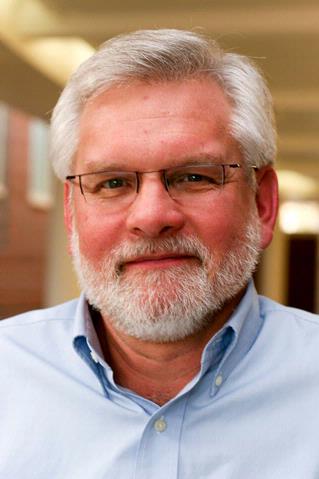
“It is well documented that males and females are diagnosed with Alzheimer’s disease at different rates,” said M. Kerry O’Banion, MD, PhD, professor of Neuroscience and Neurology. “But we still do not have a great understanding of why this is the case. We can only improve any possible treatment or prevention of this disease if we know the why, when, and where these differences are occurring.”
New research led by O’Banion and Neuroscience graduate student Lia Calcines-Rodríguez discovered that the immune cells in the brain, known as microglia, act differently in the male and female Alzheimer’s brain, and appear to cause residual harm in the female brain. As described in their recent paper in the Journal of Neuroinflammation, they discovered that in mice, when microglia respond to amyloid-β plaques—the sticky clumps of protein that accumulate in the brain in Alzheimer’s disease— female microglia express more interferon-related genes. In the body, interferons are known for their role in combating viral infections; however, the role of interferons in Alzheimer’s disease is unknown. Previous research has shown that interferon signaling can drive neuroinflammation and can damage synapses, the connections between neurons. Researchers believe that as the microglia consume the amyloid-β plaques, they may be exposed to DNA or RNA, mistake it for a virus, and this may cause the cells to release interferon, although the exact cause and function of interferon in Alzheimer’s remains unclear.
This research also found that female microglia leave behind larger and more irregular plaques, which damage more neuronal connections than those in the male brain.
“It was surprising to see that female microglia had such a strong interferon response and that these interferon-responsive microglia were taking up more amyloid-β,” said Calcines-Rodríguez, first author of the study. “Interestingly, we did not see differences in amyloid-β pathology or microglia gene expression in females at different hormonal stages of their cycle, suggesting that hormone fluctuation may not explain these differences.” She also sees potential in the interferon signaling in microglia as a possible sex-specific, personalized treatment to combat Alzheimer’s.
Read More: Brain Immune Cells May Drive More Damage in Females than Males with Alzheimer’s2025 Neuroscience Brain Award winners
Tuesday, December 16, 2025
Congratulations to the following award winner.
| Chris Holt | 2025 Golden Brain Award "In recognition of your outstanding contributions and lasting impact on the University of Rochester's Neuroscience Department" |
| Sherry Mentor | 2025 Prefrontal Cortex Award "The Strategic Thinker " |
| John Olschowka | 2025 Hippocampus Award "The Knowledge Keeper " |
| Martha Gdowski | 2025 Amygdala Award "The Empathy Champion " |
| Janelle Kohlman | 2025 Cerebellum Award "The Steady Hand" |
| Krishnan Padmanabhan | 2025 Occipital Lobe Award "The Visionary" |
| Kelsie Smith Hayduk | 2025 Temporal Lobe Award "The Great Communicator" |
| MaKenna Cealie | 2025 Parietal Lobe Award "The Multi-Tasking Maestro" |
| Pam LaDuke | 2025 Brainstem Award "The Foundation " |
| Nathan Smith | 2025 Corpus Callosum Award "The Bridge Builder" |
| Jonathan Williams | 2025 Pituitary Powerhouse Award "The Motivator" |
| Julian Meeks | 2025 Neuron Spark Award "The Innovator" |
| Madalina Tivarus | 2025 Synapse Award "The Connector" |
| Christina Polito | 2025 Left Brain Award "The Logical Leader" |
| Paige Nicklas | 2025 Right Brain Award "The Creative Catalyst" |
| Charmaine Wheatley | 2025 Right Brain Award "The Creative Catalyst" |
| Ania Majewska | 2025 Medulla Medal Award "The Calm Under Pressure " |
Nedergaard Named 2025 NAI Fellow for Transformative Discoveries in Brain Waste Clearance
Thursday, December 11, 2025
Maiken Nedergaard, MD, DMSc, co-director of the University of Rochester Center for Translational Neuromedicine, has been elected a 2025 International Fellow of the National Academy of Inventors. The recognition highlights more than a decade of research that has reshaped neuroscience and opened new possibilities for treating complex brain disorders.
Nedergaard’s work includes the landmark discovery of the glymphatic system, the brain’s previously unrecognized waste-clearing network that becomes most active during deep sleep. Her team more recently identified complementary lymphatic vessels surrounding the brain that help move this waste into the body’s broader clearance pathways. Together, these findings have transformed our understanding of how the brain maintains its health and why conditions such as Alzheimer’s disease, traumatic brain injury, and migraines can emerge when these systems fail.
Read More: Nedergaard Named 2025 NAI Fellow for Transformative Discoveries in Brain Waste ClearanceResearch Hints at the Potential of Pain Relief with CBD
Friday, November 7, 2025
Reaching for CBD-infused lotion or oil may seem like a low-risk way to find pain relief, but little is actually known about the impact that CBD has on the nervous system.
Over the past decade, the use of cannabis products for pain management has increased, in part because in 2018 Congress signed a law removing hemp from the federal Controlled Substances Act, thereby legalizing hemp-derived CBD. Today, it is most commonly found in oil form, as well as in lotions and cosmetics, and it is widely understood that CBD does not cause a ‘high’. However, what CBD does in the human body and brain is not well understood. Currently, the Food and Drug Administration has only approved CBD as an adjunctive treatment for certain forms of epilepsy, and it is not recommended for use during pregnancy.
“We need to understand more about this compound, what mechanisms it interacts with in the brain, its impact on the body, and whether it is a potentially safer solution for treating the chronic pain epidemic,” said Kuan Hong Wang, PhD, professor of Neuroscience and member of the Del Monte Institute for Neuroscience at the University of Rochester, whose lab in collaboration with researchers at Harvard Medical School and Boston Children’s Hospital, recently discovered that in mice, they could effectively deliver CBD to the brain for neuropathic pain relief with no adverse side effects. This research was published today in the journal Cell Chemical Biology.
Read More: Research Hints at the Potential of Pain Relief with CBDSex and Age Shape Progression of Batten Disease, Brainwave Study Finds
Thursday, November 6, 2025
 Batten disease is a rare inherited condition that affects brain development and function. CLN3 disease is the most common type of this disease. The symptoms are life changing. They usually begin between the ages of four and seven. Children will experience vision loss, problems with cognition, movement, seizures, and difficulties with speech. The symptoms make it a difficult disease to study, and how the disease progresses in males versus females is not well understood; however, it is common for female patients with CLN3 to experience a later onset of symptoms compared to males and have a more rapid disease progression.
Researchers from the Del Monte Institute for Neuroscience at the University of Rochester have found that male and female brains show different responses as the disease progresses and have found a model of the disease that could transform future treatments, as explained in a paper published today in the Journal of Neurodevelopmental Disorders.
“Because vision and cognition decline early, it is hard for scientists to track how the disease progresses and develop reliable treatments using standard tests,” said Yanya Ding, PhD, an alumna of the Neuroscience Graduate program in the Wang Lab and first author of the study. “Being able to successfully track brain functions in mice gives us a model that could transform how we study possible treatments and therapeutics for this devastating disease.”
Using a non-invasive measure of brain electrical activity known as electroencephalography or EEG, and an audio test, researchers were able to detect how the brain responds to sound pattern changes in male and female mouse models of CLN3. They surprisingly discovered that male mice showed early auditory problems that improved with age, while female mice had persistent difficulties, evidence that both age and sex play important roles in the progression of Batten disease.
Previous research led by the co-senior author of this study, John Foxe, PhD, principal investigator of the Fredrick J. and Marion A. Schindler Cognitive Neurophysiology Lab at the University of Rochester, identified the easy-to-measure brain process or biomarker in human CLN3 patients that was used in this mouse study.
“These findings highlight the importance of tracking brain function over time and support the use of this EEG-based method as a valuable tool for monitoring disease progression and testing new treatments,” said Kuan Hong Wang, PhD, professor of Neuroscience and co-senior author of the new study. “By showing how Batten disease progresses differently in males and females, this research could help guide more personalized therapies and improve the timing of interventions for better outcomes.”
Read More: Sex and Age Shape Progression of Batten Disease, Brainwave Study FindsUniversity of Rochester Neurobiologist Suzanne Haber Elected to National Academy of Medicine
Saturday, October 18, 2025
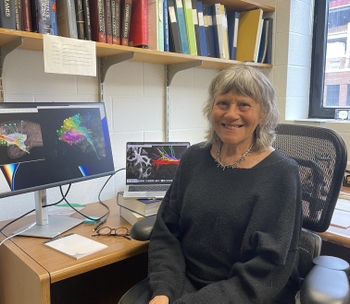
Suzanne N. Haber, PhD
Suzanne N. Haber, PhD, an internationally recognized scientist whose work has transformed our understanding of the brain networks that play a central role in many mental health disorders, including obsessive compulsive disorder (OCD) and depression, has been elected to the National Academy of Medicine (NAM). Recognized as one of the highest accolades in health and medicine, the distinction acknowledges Haber’s significant contributions to the fields of neuroscience and psychiatry over the past 40 years.
Dean’s professor in the Department of Pharmacology and Physiology at the University of Rochester School of Medicine & Dentistry, Haber is a biological map maker, charting the brain regions and circuits that regulate motivation, cognition, and motor control. Through anatomical studies and the use of advanced imaging techniques she’s identified abnormalities in brain circuitry that contribute to neurological and mental health disorders ranging from schizophrenia and OCD to post-traumatic stress disorder, addiction, and depression.
Leader of the National Institutes of Health-funded Silvio O. Conte Center for Basic and Translational Mental Health Research at the University of Rochester, Haber partners with scientists and physicians from institutions across the country to turn her findings on circuit dysfunction into treatments that can improve people’s lives. She’s currently using circuitry models to determine which circuits physicians should target for deep brain stimulation and transcranial magnetic stimulation therapy to be most effective for individuals with OCD, depression, and addiction.
“Suzanne’s research is highly translational,” said Steve Dewhurst, PhD, vice president for Research at the University of Rochester. “Her broad knowledge of brain networks, including the so-called ‘OCD network’, combined with the expertise of state-of-the-art imaging specialists and physicians attuned to patient needs, creates an ideal foundation for understanding how the OCD network regulates brain function in both health and disease. It also sets the stage for the development of innovative treatment strategies. This recognition is a testament to her remarkable insight and collaborative nature.”
Read More: University of Rochester Neurobiologist Suzanne Haber Elected to National Academy of Medicine"A Weekend in Los Angeles: Leveraging Data Science to Improve Reproducibility in Neurorehabilitation Research"
Thursday, October 9, 2025
Aaron Huynh, B.S., a PhD Student in the Neuroscience Graduate Program, recently attended the 3rd annual Reproducible Rehabilitation (ReproRehab) Research Summit as a Learning Fellow. He set goals to share his research, connect with fellow scientists studying neural recovery and rehabilitation, and gather insights to strengthen his experimental design and professional growth. Because of this experience, he gained a deeper understanding of emerging methods in motor neuroscience, valuable feedback that refined his research approach, and new professional connections that will help shape the next stages of his work.
Read More: "A Weekend in Los Angeles: Leveraging Data Science to Improve Reproducibility in Neurorehabilitation Research"Seven current and former NGP students received 2025 GEPA awards
Wednesday, October 1, 2025
 Jiwon Choi, Jessica Ogu, Jessica Fiser, Catrin Zharry, Jonathan Williams, Michael Giannetto all were recipients of the Graduate Student Achievement/Fellowship Award.
Kathryn Toffolo, Phd was a recipient of a Postdoc Award.
If you see any of these outstanding people, let them know you heard of the award and give them a heartfelt congratulations.
Wonderful job to all. Outstanding showing for NGP for another year.
Team Science Showcase: Cracking the Code of Chronic Pain
Friday, September 26, 2025
The path to discovery knows no walls. Labs must be nimble, intuitive, and creative to make advancements that will lead to a better understanding of the human body and treatments for disease.
When tackling a complex problem like chronic pain, which the Centers for Disease Control and Prevention estimates affects more than 50 million adults in the United States, researchers from a myriad of specialties need to join forces to ask questions and piece together answers. At the University of Rochester, dentists, neuroscientists, surgeons, psychiatrists, anesthesiologists, nurse practitioners, and others are partnering to gain knowledge and insights that could transform treatment, care, and outcomes.
“I’ve never had any collaborative environment like here. Not everyone can work with you, but everybody will listen and try to find connections,” said Eli Eliav, DMD, PhD, MBA, director of the Eastman Institute for Oral Health at the University of Rochester. “To conduct pain research, a multidisciplinary approach is key. There will never be one molecule or one drug that will solve all the pain problems in the world."
The Team(s)
At the Neuromedicine Pain Center at the University of Rochester Medical Center, neurosurgeons, neurologists, and anesthesiologists partner to create the best care and treatment plans for patients. They also work with neuroscientists like Paul Geha, MD, associate professor of Psychiatry and Neuroscience and a member of the Del Monte Institute for Neuroscience.
He and Jennifer Gewandter, PhD, MPH, associate professor of Anesthesiology and Perioperative Medicine, along with neurosurgeon Steven Soler, MD, recruit people living with pain who are undergoing spinal cord stimulation—a surgery with an average success rate of 50 percent. Prior to implantation of a spinal cord stimulator, patients must undergo psychological testing to make sure important diagnoses, like PTSD or substance abuse, aren’t missed. Their research aims to add outcome prediction to the psychological clearance step with a more comprehensive test.
“Being able to work with Jennifer, who is an expert in clinical trials, helps us maintain that connection between the more mechanistic work we do on the research side with the actual applications in treatment,” Geha said.
Read More: Team Science Showcase: Cracking the Code of Chronic PainMillisecond Windows of Time May Be Key to How We Hear, Study Finds
Thursday, September 18, 2025
What happens when you listen to speech at a different speed? Neuroscientists thought that your brain may turn up its processing speed as well. But it turns out that at least the auditory part of the brain keeps “listening” or clocking in at a fixed time. That is the key finding of new research out today in Nature Neuroscience. The research was led by Sam Norman-Haignere, PhD, assistant professor of Biostatistics and Computational Biology, Biomedical Engineering, and Neuroscience at the Del Monte Institute for Neuroscience at the University of Rochester, in collaboration with researchers at Columbia University, including Principal Investigator Nima Mesgarani, PhD, of the Zuckerman Institute, and Menoua Keshishian, who completed his PhD in Electrical Engineering in his lab.
“This was surprising. It turns out that when you slow down a word, the auditory cortex doesn't change the time window it is processing. It's like the auditory cortex is integrating across this fixed time scale,” said Norman-Haignere, the study's first author, who started the study as a postdoctoral researcher at Columbia. “One of the key goals of this kind of research is to build better computational models of how the brain processes information in speech, which will increase our set of scientific tools and ultimately help us understand what goes awry when someone has difficulty understanding speech and language processing.”
Read More: Millisecond Windows of Time May Be Key to How We Hear, Study FindsBrain’s Immune Cells Key to Wiring the Adolescent Brain
Tuesday, August 26, 2025
 Making a smoothie, going for an evening walk, or having empathy for a loved one are all examples of executive functions that are controlled by the brain’s frontal cortex. This area of the brain goes through profound change throughout adolescence, and it is during this time that abnormalities in maturing circuits can set the stage for neurodevelopmental disorders, such as schizophrenia and ADHD. Researchers at the Del Monte Institute for Neuroscience at the University of Rochester have discovered that microglia, the brain’s immune cells, play a key role in how the brain adapts to the changes in this area during adolescence, which may transform how neurodevelopmental disorders are treated during this window and, possibly, into adulthood.
“A better understanding of the ways we can drive changes in these circuits offers new targets for disease treatment,” said Rianne Stowell, PhD, research assistant professor of Neuroscience at the University of Rochester Medical Center, and first author of the study out today in Nature Communications. “This area is also susceptible to change, both good and bad, during adolescence. Previous work in our lab has found that both direct activation of frontal dopamine circuits and rewarding behavior drive plasticity of dopaminergic connections to the frontal cortex during adolescence, but not adulthood.”
Read More: Brain’s Immune Cells Key to Wiring the Adolescent BrainScientists Reveal How Senses Work Together in the Brain
Friday, August 15, 2025
It has long been understood that experiencing two senses simultaneously, like seeing and hearing, can lead to improved responses relative to those seen when only one sensory input is experienced by itself. For example, a potential prey that gets visual and auditory clues that it is about to be attacked by a snake in the grass has a better chance of survival. Precisely how multiple senses are integrated or work together in the brain has been an area of fascination for neuroscientists for decades. New research by an international collaboration of scientists at the University of Rochester and a research team in Dublin, Ireland, has revealed some new key insights.
“Just like sensory integration, sometimes you need human integration,” said John Foxe, PhD, director of the Del Monte Institute for Neuroscience at the University of Rochester and co-author of the study that shows how multisensory integration happens in the brain. These findings were published in Nature Human Behaviour today. “This research was built on decades of study and friendship. Sometimes ideas need time to percolate. There is a pace to science, and this research is the perfect example of that.”
Simon Kelly, PhD, professor at University College Dublin, led the study. In 2012, his lab discovered a way to measure information for a decision being gathered over time in the brain using an electroencephalographic (EEG) signal. This step followed years of research that set the stage for this work. “We were uniquely positioned to tackle this,” Kelly said. “The more we know about the fundamental brain architecture underlying such elementary behaviors, the better we can interpret differences in the behaviors and signals associated with such tasks in clinical groups and design mechanistically informed diagnostics and treatments.”
Research participants were asked to watch a simple dot animation while listening to a series of tones and press a button when they noticed a change in the dots, the tones, or both. Using EEG, the scientists were able to infer that when changes happened in both the dots and tones, auditory and visual decision processes unfolded in parallel but came together in the motor system. This allowed participants to speed up their reaction times. “We found that the EEG accumulation signal reached very different amplitudes when auditory versus visual targets were detected, indicating that there are distinct auditory and visual accumulators,” Kelly said.
Using computational models, the researchers then tried to explain the decision signal patterns as well as reaction times. In one model, the auditory and visual accumulators race against each other to trigger a motor reaction, while the other model integrates the auditory and visual accumulators and then sends the information to the motor system. Both models worked until researchers added a slight delay to either the audio or visual signals. Then the integration model did a much better job at explaining all the data, suggesting that during a multisensory (audiovisual) experience, the decision signals may start on their own sensory-specific tracks but then integrate when sending the information to areas of the brain that generate movement.
“The research provides a concrete model of the neural architecture through which multisensory decisions are made,” Kelly said. “It clarifies that distinct decision processes gather information from different modalities, but their outputs converge onto a single motor process where they combine to meet a single criterion for action.”
Read More: Scientists Reveal How Senses Work Together in the BrainA Slice of Mentorship…and Cheesecake
Tuesday, July 22, 2025
Mentorship is more than guidance—it’s about creating space for growth, shared learning, and the occasional slice of cheesecake. In this new Learners on Location video, Elizabeth Plunk, PhD, and Ania Majewska, PhD, reflect on their dynamic as mentor and trainee, the collaborative culture of their neuroscience lab, and the small traditions that make a big difference, like celebrating achievements with treats from Cheesy Eddie’s.
Researchers Find “Forever Chemicals” Impact the Developing Male Brain
Wednesday, July 2, 2025
“Forever chemicals” or per- and polyfluoroalkyl substances (PFAS) have been widely used in consumer and industrial products for the better part of a century, but do not break down in the natural environment. One PFAS, perfluorohexanoic acid or PFHxA, is made up of a shorter chain of molecules and is thought to have less of an impact on human health. New research from the Del Monte Institute for Neuroscience at the University of Rochester suggests otherwise, finding that early life exposure to PFHxA may increase anxiety-related behaviors and memory deficits in male mice.
Hopefully, this is the first of many studies evaluating the neurotoxicity of PFHxA.”
“Although these effects were mild, finding behavioral effects only in males was reminiscent of the many neurodevelopmental disorders that are male-biased,” said Ania Majewska, PhD, professor of Neuroscience and senior author of the study out today in the European Journal of Neuroscience. Research has shown, males are more often diagnosed with neurodevelopmental disorders such as autism and ADHD. “This finding suggests that the male brain might be more vulnerable to environmental insults during neurodevelopment.”
Researchers exposed mice to PFHxA through a mealworm treat given to the mother during gestation and lactation. They found that the male mice exposed to higher doses of PFHxA in utero and through the mother’s breastmilk showed mild developmental changes, including a decrease in activity levels, increased anxiety-like behaviors, and memory deficits. They did not find any behavioral effects in females that were exposed to PFHxA in the same way.
Read More: Researchers Find “Forever Chemicals” Impact the Developing Male BrainLaurel Carney receives national mentorship award
Friday, June 27, 2025
Laurel Carney, the Marylou Ingram Professor in Biomedical Engineering and a professor of neuroscience, received the 2025 David T. Blackstock Mentorship Award from the Acoustical Society of America. Presented by the ASA Student Association, the Blackstock Award recognizes exceptional mentorship in the field of acoustics and is based on nominations submitted by ASA members.
The award was established in 2004 by the ASA Student Council to honor individuals who demonstrate outstanding dedication and excellence in mentoring students across a wide range of areas. It was named in honor of David T. Blackstock, a pioneer in nonlinear acoustics and a former professor at both the University of Rochester and the University of Texas at Austin.
Glial Replacement Therapy Slows Huntington’s Disease in Adult Mice
Monday, June 16, 2025
Huntington’s disease has long defied attempts to rescue suffering neurons. A new study in Cell Reports shows that transplanting healthy human glial progenitor cells into the brains of adult animal models of the disease not only slowed motor and cognitive decline but also extended lifespan. These findings shift our understanding of Huntington’s pathology and open a potential path to cell-based therapies in adults already showing symptoms.
“Glia are essential caretakers of neurons,” said Steve Goldman, MD, PhD, co-director of the University of Rochester Center for Translational Neuromedicine and lead author of the study. “The restoration of healthy glial support—even after symptoms begin—could reset neuronal gene expression, stabilize synaptic function, and meaningfully delay disease progression. This study shifts the perspective on Huntington’s from a neuron-centric view to one that shows a critical role for glial pathology in driving synaptic dysfunction. It also tells us that the adult brain still has the capacity for repair when you target the right cells.”
Read More: Glial Replacement Therapy Slows Huntington’s Disease in Adult MiceUniversity Research Award Winners 2025
Tuesday, May 27, 2025
Congratulations to Mitchell Jude and Wang Kuan Hong who recieved a 2025 research award for Optogenetic Inactivation Of Cortico-Cortical Projection Pathways In Non-Human Primate.
Announcement of PhD Commencement Awards - 2025
Wednesday, May 7, 2025
Congratulations to our very own Luke Shaw and Bryan Redmond who are the 2025 recipients of the Vincent du Vigneaud Award and Leadership Award for Excellence in Equity and Inclusion, respectively.
Super proud of these accomplishments and for continuing to shine the light on the NGP.
- Chris Holt, Director Neuroscience Graduate Program
This kind of sleep is essential for a healthy brain
Friday, April 25, 2025
Exercising can keep you mentally engaged and increase blood flow to the brain, which is helpful in glymphatic clearance, says Maiken Nedergaard, codirector of the Center for Translational Neuromedicine. Minimizing stress also boosts the process, she added.
Read More: This kind of sleep is essential for a healthy brainResearchers Find Temporary Anxiety Impacts Learning
Monday, April 21, 2025
A brief episode of anxiety may have a bigger influence on a person’s ability to learn what is safe and what is not. The research recently published in Nature Science of Learning used a virtual reality game that involved picking flowers with bees in some of the blossoms that would sting the participant—simulated by a mild electrical stimulation on the hand.
Researchers worked with 70 neurotypical participants between the ages of 20 and 30. Claire Marino, a research assistant in the ZVR Lab, and Pavel Rjabtsenkov, a Neuroscience graduate student at the University of Rochester School of Medicine and Dentistry, were co-first authors of the study that found that the people who learned to distinguish between the safe and dangerous areas—where the bees were and were not—showed better spatial memory and had lower anxiety, while participants who did not learn the different areas had higher anxiety and heightened fear even in safe areas. Surprisingly, they discovered that temporary feelings of anxiety had the biggest impact on learning and not a person’s general tendency to feel anxious.
“These results help explain why some people struggle with anxiety-related disorders, such as PTSD, where they may have difficulty distinguishing safe situations from dangerous ones,” said the senior author of this study, Benjamin Suarez-Jimenez, PhD, associate professor of Neuroscience and Center for Visual Science at the Del Monte Institute of Neuroscience at the University of Rochester. “The findings suggest that excessive anxiety disrupts spatial learning and threat recognition, which could contribute to chronic fear responses. Understanding these mechanisms may help improve treatments for anxiety and stress-related disorders by targeting how people process environmental threats.”
Suarez-Jimenez explains that it is now important to understand if individuals with psychopathologies of anxiety and stress have similar variations in spatial memory. Adding an attention-tracking measure, like eye-tracking, to future studies could help determine whether a focus on potential threats impacts broader environmental awareness.
Additional authors include Caitlin Sharp, Zonia Ali, Evelyn Pineda, Shreya Bavdekar, Tanya Garg, Kendal Jordan, Mary Halvorsen, Carlos Aponte, and Julie Blue of the University of Rochester Medical Center, and Xi Zhu, PhD, of Columbia University Irving Medical Center. The research was supported by the National Institute of Mental Health, Wellcome Trust Fellowship, and the European Research Council Grant.
Read More: Researchers Find Temporary Anxiety Impacts LearningModulating the Brain’s Immune System May Curb Damage in Alzheimer’s
Thursday, April 17, 2025
New research suggests that calming the brain’s immune cells might prevent or lessen the damaging inflammation seen in Alzheimer’s disease. The study points to the key role of the hormone and neurotransmitter norepinephrine, and this new understanding could pave the way for more focused treatments that start earlier and are tailored to the needs of each person.
“Norepinephrine is a major signaling factor in the brain and affects almost every cell type. In the context of neurodegenerative diseases such as Alzheimer’s disease, it has been shown to be anti-inflammatory,” said Ania Majewska, PhD, with the Del Monte Institute for Neuroscience at the University of Rochester, and senior author of the study, which appears in the journal Brain, Behavior, and Immunity. “In this study, we describe how enhancing norepinephrine’s action on microglia can mitigate early inflammatory changes and neuronal injury in Alzheimer’s models.”
Brain Chemicals & Immune Cells
The research, which was conducted in mice, included teams from two labs, combining research programs studying the complex role of the brain’s immune system and the role of inflammation in Alzheimer's. Led by Linh Le, PhD, a graduate student in both labs, the researchers focused on norepinephrine, a chemical in the brain that helps control inflammation. In our brains, immune cells called microglia usually help keep things in balance. Microglia have a receptor called β2AR, which acts like a “switch” and directs the cells to respond to norepinephrine and calm down inflammation.
In Alzheimer’s disease and as we age, this calming switch becomes less active, especially in areas of the brain where harmful protein clumps called amyloid plaques build up. As these plaques form, the nearby microglia lose more of their β2AR receptors, making it harder for them to fight inflammation.
When scientists removed or blocked the receptor, the brain’s damage worsened: more plaques, increased inflammation, and more harm to brain cells. On the other hand, when they stimulated or "turned up" the receptor, the harmful effects were reduced. Interestingly, the results appeared to depend on factors like the animal’s sex and how early the treatment started.
Read More: Modulating the Brain’s Immune System May Curb Damage in Alzheimer’sDo neurons transmit light?
Monday, April 14, 2025
Optics and brain and cognitive science researchers aim to see if neurons can transport light like fiber-optic communications channels
Neurons, the cells in brains and spinal cords that make up the central nervous system, communicate by firing electrical pulses. But scientists have found hints that neurons may transmit light as well, which would profoundly change current models of how the nervous system works.
Researchers from the University of Rochester have begun an ambitious project to study if living neurons can transmit light through their axons—the long, tail-like nerve fibers of neurons that resemble optical fibers. The John Templeton Foundation provided a three-year, $1.5 million grant to support the research.
“There are scientific papers offering indications that light transport could happen in neuron axons, but there’s still not clear experimental evidence,” says the principal investigator, Pablo Postigo, a professor at Rochester’s Institute of Optics. “Scientists have shown that there is ultra-weak photon emission in the brain, but no one understands why the light is there.”
If light is at play and scientists can understand why, it could have major implications for medically treating brain diseases and drastically change the way physicians heal the brain. But measuring optical transport between neurons would be no easy task.
“A neuron’s axon is less than two microns wide, so if you want to measure the optical properties, you need to use nanophotonic techniques,” says Postigo. “If there is light transmission, it may happen with very tiny amounts of light, even a single photon at a time.”
Postigo, an expert in nanophotonics, will design probes that are able to interact optically with living neurons. He is partnering with Michel Telias, an assistant professor of ophthalmology and of neuroscience and a member of the Center for Visual Science, who specializes in measuring the electrical properties of neurons and their action potentials.
Using the photonic nanoprobes, the researchers will inject light into the neuron axon and detect the outcoming photons. If the neuron’s axon can transmit light, they will measure the light’s wavelengths and intensities.
written by Luke Auburn Director of Communications, Hajim School of Engineering & Applied Sciences
Read More: Do neurons transmit light?What New Research Revels about Autism, Stimming, and Touch
Monday, April 14, 2025
Tapping a pen, shaking a leg, twirling hair—we have all been in a classroom, meeting, or a public place where we find ourselves or someone else engaging in repetitive behavior—a type of self-stimulatory movement also known as stimming. For people with autism, stimming can include movements like flicking fingers or rocking back and forth. These actions are believed to be used to deal with overwhelming sensory environments, regulate emotions, or express joy, but stimming is not well understood. And while the behaviors are mostly harmless and, in some instances, beneficial, stimming can also escalate and cause serious injuries. However, it is a difficult behavior to study, especially when the behaviors involve self-harm.
“The more we learn about how benign active tactile sensations like stimming are processed, the closer we will be to understanding self-injurious behavior,” said Emily Isenstein, PhD (’24), Medical Scientist Training Program trainee at the University of Rochester School of Medicine and Dentistry, and first author of the study in NeuroImage that provides new clues into how people with autism process touch. “By better understanding how the brain processes different types of touch, we hope to someday work toward more healthy outlets of expression to avoid self-injury.”
Researchers used several technological methods to create a more realistic sensory experience for active touch—reaching and touching—and passive touch—being touched. A virtual reality headset simulated visual movement, while a vibrating finger clip—or vibrotactile disc—replicated touch. Using EEG, researchers measured the brain responses of 30 neurotypical adults and 29 adults with autism as they participated in active and passive touch tasks. To measure active touch, participants reached out to touch a virtual hand, giving them control over when they would feel the vibrations. To measure passive touch, a virtual hand reached out to touch them. The participant felt vibrations when the two hands “touched," simulating physical contact. As expected, the researchers found that the neurotypical group had a smaller response in a brain signal to active touch when compared to passive touch, evidence that the brain does not use as many resources when it controls touch and knows what to expect.
However, the group with autism showed little variation in brain response to the two types of touch. Both were more in line with the neurotypical group's brain response to passive touch, suggesting that in autism, the brain may have trouble distinguishing between active and passive inputs. “This could be a clue that people with autism may have difficulty predicting the consequences of their actions, which could be what leads to repetitive behavior or stimming,” said Isenstein.
It was a surprising finding, particularly in adults. John Foxe, PhD, director of the Golisano Intellectual and Developmental Disabilities Institute at the University of Rochester and co-senior author of the study, remarked that this may indicate the difference in children with autism could be greater than their neurotypical counterparts. “Many adults with autism have learned how to interact effectively with their environment, so the fact that we’re still finding differences in brain processing for active touch leads me to think this response may be more severe in kids, and that’s what we also need to understand.”
Read More: What New Research Revels about Autism, Stimming, and TouchThe great brain clearance and dementia debate
Wednesday, April 9, 2025
Scientists have known about a link between poor sleep and an increased risk of dementia for decades. Maiken Nedergaard, codirector of the Center for Translational Neuromedicine, says that people who report six hours or less of sleep a night are more likely to develop dementia later. “Sleep disturbances very often precede the first sign of dementia by many years.”
Read More: The great brain clearance and dementia debateUnderstanding Autism: What It Is and What It Isn’t
Wednesday, April 9, 2025
 Autism is complex and sometimes misunderstood. Myths and misinformation associated with autism can harm the autism community and perpetuate health disparities. Understanding autism starts with defining what it is—and what it isn’t.
Learn the facts from our experts Suzannah J. Iadarola, PhD, director of the Strong Center for Developmental Disabilities and associate professor of Pediatrics, and Emily Knight, MD, PhD, a clinician scientist in the Departments of Pediatrics, Developmental & Behavioral Pediatrics, and Neuroscience.
What is Autism?
Autism Spectrum Disorder (ASD) is a developmental difference that affects how people may perceive, experience, and interact with the world around them
While experiences vary widely, common characteristics include:
- Differences in social interaction and communication.
- Repetitive behaviors and focused interests.
- Sensory differences, including heightened sensitivities to sounds, lights, or textures; intense interest in sensory input; or both.
Is Autism a Mental Illness?
No, autism is not a mental illness—it is not an illness at all. Autism is a neurodevelopmental difference that primarily affects how a person thinks, perceives, and interacts with others.
It is important to know that some people with autism may experience co-occurring mental health conditions like anxiety and depression. These are separate from autism but are common within the neurodiverse community.
Read More: Understanding Autism: What It Is and What It Isn’tBrain’s Own Repair Mechanism: New Neurons May Reverse Damage in Huntington’s Disease
Monday, April 7, 2025
New research shows that the adult brain can generate new neurons that integrate into key motor circuits. The findings demonstrate that stimulating natural brain processes may help repair damaged neural networks in Huntington’s and other diseases.
“Our research shows that we can encourage the brain’s own cells to grow new neurons that join in naturally with the circuits controlling movement,” said Abdellatif Benraiss, PhD, a senior author of the study, which appears in the journal Cell Reports. “This discovery offers a potential new way to restore brain function and slow the progression of these diseases.” Benraiss is a research associate professor in the University of Rochester Medical Center (URMC) lab of Steve Goldman, MD, PhD, in the Center for Translational Neuromedicine.
It was long believed that the adult brain could not generate new neurons. However, it is now understood that niches in the brain contain reservoirs of progenitor cells capable of producing new neurons. While these cells actively produce neurons during early development, they switch to producing support cells called glia shortly after birth. One of the areas of the brain where these cells congregate is the ventricular zone, which is adjacent to the striatum, a region of the brain devastated by Huntington’s disease.
The idea that the adult brain retains the capacity to produce new neurons, called adult neurogenesis, was first described by Goldman and others in the 1980s while studying neuroplasticity in canaries. Songbirds, like canaries, are unique in the animal kingdom in their ability to lay down new neurons as they learn new songs. The research in songbirds identified proteins—one of which was brain-derived neurotrophic factor (BDNF)—that direct progenitor cells to differentiate and produce neurons.
Further research in Goldman’s lab showed that new neurons were generated when BDNF and another protein, Noggin, were delivered to progenitor cells in the brains of mice. These cells then migrated to a nearby motor control region of the brain—the striatum—where they developed into cells known as medium spiny neurons, the major cells lost in Huntington’s disease. Benraiss and Goldman also demonstrated that the same agents could induce new medium spiny neuron formation in primates.
Read More: Brain’s Own Repair Mechanism: New Neurons May Reverse Damage in Huntington’s Disease10 small things neurologists wish you’d do for your brain
Thursday, April 3, 2025
There’s growing research linking air pollution exposure to cognitive decline; scientists think very fine, inhalable particles in the air could trigger chemical changes once they reach the brain, says Deborah Cory-Slechta, a professor of environmental medicine and of neuroscience. She adds that wearing an N95 or surgical mask and using indoor air filters on days when air quality is worse (including because of wildfire smoke) can minimize your exposure.
Read More: 10 small things neurologists wish you’d do for your brain70 countries have banned this pesticide. It’s still for sale in the US
Wednesday, January 22, 2025
The Washington Post, January 22
“The data is the data,” says Deborah Cory-Slechta, a professor of environmental medicine and of neuroscience. She says paraquat exposure is associated with the loss of dopamine neurons, which can cause slow and uncoordinated movements, tremors, and difficulty communicating, all of which are consistent with Parkinson’s disease.
“The evidence is very strong, both based on animal studies and on epidemiological evidence the fact that it kills dopamine neurons,” she said.
Brain Immune Cells May also be From Mars and Venus
Tuesday, January 21, 2025
Researchers find that microglia function differently in males versus females
 A collision happens. Someone is hurt, a head injury, a concussion. Just as the first responders arrive to help the person, inside the brain, another “crew” of responders is busy clearing debris and repairing injured tissue.
This crew is called the microglia—the immune cells of the central nervous system. Microglia are imperative to maintaining neuronal function by clearing toxins in the brain and central nervous system. But if they are overactive, they can damage neurons instead and, in some cases, have been found to promote the progression of neurodegenerative diseases like Alzheimer’s and Parkinson’s.
During development, there are known sex-related differences in how microglia function. But into adulthood, there was thought to be less variation in how they behave. New research from the Del Monte Institute for Neuroscience at the University of Rochester finds that microglia function may not be as similar across sex as once thought. This discovery could have broad implications for how diseases like Alzheimer's and Parkinson's are approached and studied, and points to the necessity of having gender-specific research. It is already known that more women are diagnosed with Alzheimer’s and more men are diagnosed with Parkinson’s, but it’s unclear why.
“It is a fortuitous finding that has repercussions for what people are doing in the field, but also helps us understand microglia biology in a way that people may not have been expecting,” said Ania Majewska, PhD, professor of Neuroscience and the senior author of a study out today in Cell Reports that shows how microglia respond differently in adult male versus female mice when given an enzyme inhibitor to block its microglia survival receptor. “This research has a lot of ramifications for microglia biology and as a result all these diseases where microglia are important in a sex-specific manner.”
Pexidartinib or PLX3397 is an enzyme inhibitor commonly used to remove microglia in the lab setting to help researchers better understand the role of these cells in brain health, function, and disease. PLX3397 is also used to treat the rare disease tenosynovial giant cells tumors (TGCT), a condition that causes benign tumors to grow rapidly in the joints.
Researchers in the Majewska Lab were using PLX3397 in male versus female experiments but continued to run into difficulties, so they decided to take a different approach with the inhibitor. Instead of using it to ask other questions, they decided to better understand how microglia were responding to the drug in males versus females.
Read More: Brain Immune Cells May also be From Mars and VenusBiotin May Shield Brain from Manganese Damage, Study Finds
Tuesday, January 21, 2025
 While manganese is essential in many bodily functions, both deficiency and excessive exposure can cause health issues. Maintaining a balanced diet typically provides sufficient manganese for most individuals; however, high levels of exposure can be toxic, particularly to the central nervous system. Chronic manganese exposure may result in a condition known as manganism, characterized by symptoms resembling Parkinson's disease, including tremors, muscle stiffness, and cognitive disturbances.
New research published in Science Signaling employs model systems and human nerve cells to show the mechanisms by which manganese inflicts damage to the central nervous system. The study also suggests that the vitamin biotin may be protective, potentially mitigating manganese-induced damage.
“Exposure to neurotoxic metals like manganese has been linked to the development of Parkinsonism,” said Sarkar Souvarish, PhD, an assistant professor at the University of Rochester Medical Center (URMC) Departments of Environmental Medicine and Neuroscience and lead author of the study. “In this study, we applied untargeted metabolomics using high-resolution mass spectrometry and advanced cheminformatics computing in a newly developed model of parkinsonism, leading us to the discovery of biotin metabolism as a modifier in manganese-induced neurodegeneration.”
Read More: Biotin May Shield Brain from Manganese Damage, Study FindsAir pollution and brain damage: what the science says
Tuesday, January 14, 2025
Post-mortem studies of human brains provide direct evidence that numerous pollutants—including nanoparticles and toxic metals—accumulate in brain tissue. Deborah Cory-Slechta, a professor of environmental medicine and of neuroscience, says she suspects that the brain can’t cope with the resulting metal concentrations, noting that, for decades, pathologists have seen elevated levels of various metals in the brains of people with neurodegenerative diseases. She is now studying how the metals disrupt brain chemistry.
Read More: Air pollution and brain damage: what the science saysCommon Sleep Aid May Leave Behind a Dirty Brain
Wednesday, January 8, 2025
Getting a good night’s sleep is a critical part of our daily biological cycle and is associated with improved brain function, a stronger immune system, and a healthier heart. Conversely, sleep disorders like insomnia and sleep apnea can significantly impact health and quality of life. Poor sleep often precedes the onset of neurodegenerative diseases and is a predictor of early dementia.
New research appearing in the journal Cell describes for the first time the tightly synchronized oscillations in the neurotransmitter norepinephrine, cerebral blood, and cerebrospinal fluid (CSF) that combine during non-rapid eye movement (non-REM) sleep in mice. These oscillations power the glymphatic system—a brain-wide network responsible for removing protein waste, including amyloid and tau, associated with neurodegenerative diseases.
New research appearing in the journal Cell describes for the first time the tightly synchronized oscillations in the neurotransmitter norepinephrine, cerebral blood, and cerebrospinal fluid (CSF) that combine during non-rapid eye movement (non-REM) sleep in mice. These oscillations power the glymphatic system—a brain-wide network responsible for removing protein waste, including amyloid and tau, associated with neurodegenerative diseases.
“As the brain transitions from wakefulness to sleep, processing of external information diminishes while processes such as glymphatic removal of waste products are activated,” said Maiken Nedergaard, MD, DMSc, co-director of the University of Rochester Center for Translational Neuromedicine and lead author of the study. “The motivation for this research was to better understand what drives glymphatic flow during sleep, and the insights from this study have broad implications for understanding the components of restorative sleep.”
The study also holds a warning for people who use the commonly prescribed sleep aid zolpidem. The drug suppressed the glymphatic system, potentially setting the stage for neurological disorders like Alzheimer’s, which are the result of the toxic accumulation of proteins in the brain.
Read More: Common Sleep Aid May Leave Behind a Dirty Brain