

About the Program
About the Program
Structure of the Program
The internship begins on July 1st and concludes on June 30th of each academic year and provides 2000 hours of training. Trainees in this program are referred to as "Psychology Residents." Residents will complete the internship program over 12 months on a full-time (40 hours/week) basis. Resident didactic training is provided on Wednesdays. Residents participate in cohort-wide didactics and attend University of Rochester Department of Psychiatry Grand Rounds. Once per month, residents also participate in post–Grand Rounds sessions with trainees from other psychiatry training programs. These post–Grand Rounds sessions build on topics covered in didactics and Grand Rounds and provide additional opportunity for discussion and interdisciplinary collaboration
Interns are matched to one of the following clinical tracks:
- Hillside Children’s Center
- University of Rochester (UR) Addiction, Testing, & Innovative Technology Clinical Research
- Rochester Regional Health (RRH) Outpatient Behavioral Health (Adult)
- Rochester Regional Health (RRH) Integrated Care
- Rochester Regional Health (RRH) Neuropsychology at the Neuroscience Institute
- Ontario County Mental Health (OCMH).
Training Curriculum
The training curriculum has been designed in accordance with the internship program’s required competencies. Each competency is met through both experiential and didactic training. While in their clinical settings, residents provide supervised behavioral health intervention and/or assessment services to community members. Intervention may include individual, group, and/or family therapy, and may be provided for children, adolescents and/or adults, depending on the clinical placement. Assessment opportunities are provided at each placement site. Therapy clients, type and number of assessments, consultation work, and research vary depending on the specific site.
Residents across clinical sites have the opportunity to gain experience working with and consulting across a variety of disciplines as a component of their training program, as each track involves collaboration across various systems of care. Experiences may involve collaboration and consultation with various agencies and/or providers within multiple care disciplines and settings.
All residents are provided with didactic and experiential training in the use of telehealth and interactive therapeutic technologies, as these skills are critical for providers in highly underserved areas and are core to the mission of the internship training program. Additionally, residents have the opportunity to engage in alternate experiences including training and resource development.
All residents are expected to conduct research through at least one ongoing “scholar project”, the focus of which is determined collaboratively between the primary supervisors and the resident.
Supervision
Residents are provided two hours of individual supervision by a licensed psychologist who oversees the clinical work at their sites. Supervision is provided on a weekly, scheduled basis, with residents receiving a minimum of 4 hours per week, including at least 2 hours of individual supervision from licensed doctoral-level psychologists. Additional supervision may be provided in individual or group formats and is focused on supporting clinical skill development and ensuring quality of care. Licensed doctoral-level psychologists maintain overall responsibility for supervision and integration across settings, and residents have access to supervision and consultation during clinical service delivery as needed.
Evidence-Based Practices
Residents will receive training in the following evidence-based practices: cognitive behavioral therapy (CBT), dialectical behavioral therapy (DBT), trauma-informed care, motivational interviewing (MI) and motivational enhancement therapy (MET). Training occurs through site-specific clinical trainings that occur at the beginning of the internship year, ongoing supervision by clinical supervisors, and a resource library for use by all trainees and staff.
Residents attend a weekly seminar series/didactics with clinical experts within the community. Residents will be able to observe and/or listen to presentations on diverse topics pertaining to current research on evidence based psychotherapy, assessment, consultation, trauma-informed practice, addiction research, ethics, professionalism, interactive technologies, and telehealth as well as additional topics.
Research and Scholarship
Residents are trained in the scientist-practitioner model by incorporating scholarship into the internship curriculum. Residents are supported in the development and execution of a year-long scholar project. A scholar project is an independent piece of scholarly work that is independent from dissertation work; it can be completed as part of ongoing research at one of the clinical sites or can be a unique project, developed by a resident and deployed at one or multiple internship sites.
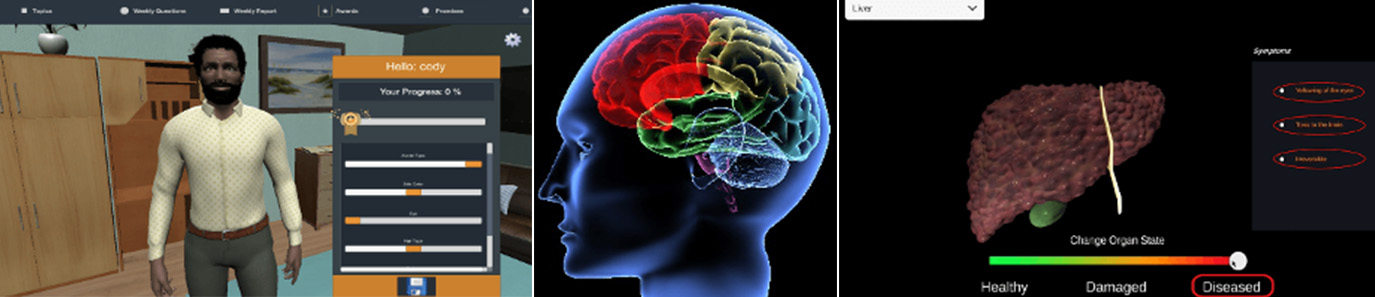
Given the focus on digital technologies, it is asked that residents incorporate digital components into their scholar projects, if possible.
Residents present their scholar project to their cohort, faculty, and community leaders at the end of internship. Residents also present their scholarly work at the University of Rochester’s Department of Psychiatry Trainee Poster Day. Scholar projects can be:
- Independent projects unique to residents’ interests and career goals
- Unique approaches to existing work and projects at clinical sites
- Reviews of intersections of digital and mechanical approaches to mental health
Scholar projects cannot be the same project as resident dissertations.
In addition to presentations, residents are encouraged to attend and submit at regional, national, and international conferences. Residents are also encouraged to submit their scholarly work to publication.
Didactic Training
Resident didactic training is provided on Wednesdays. Residents participate in cohort-wide didactics and attend University of Rochester Department of Psychiatry Grand Rounds. Once per month, residents also participate in post–Grand Rounds sessions with trainees from other psychiatry training programs. These post–Grand Rounds sessions build on topics covered in didactics and Grand Rounds and provide additional opportunity for discussion and interdisciplinary collaboration.