Department News
DOM Represents at Back-to-Back National GI Meetings
Monday, December 1, 2025
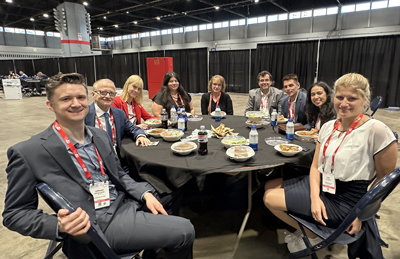
Members of DOM joined colleagues from across the continent for two national gastroenterology meetings in October: The Collaborative Group of the Americas on Inherited Gastrointestinal Cancer (CGA-IGC) meeting in St. Louis, MO, October 9-11, and the American College of Gastroenterology (ACG) Meeting in Phoenix, AZ, October 24-29.

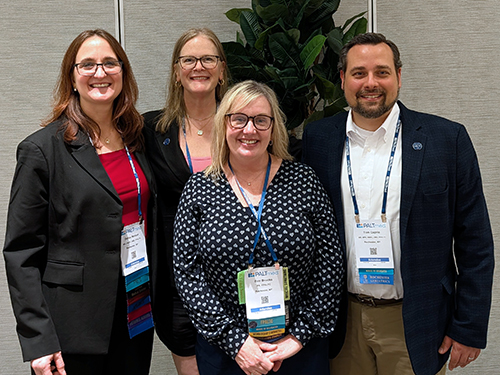
From left: Carol Shaw, NP, Nick Bartell, MD, Danielle Marino, MD, Ashley Hendershot, DNP,
Maria McGreevy, MD, Patty Mallaber, DNP, and Allie Zeznick, PA.
CGA-ICG Annual Meeting
A group from Wilmot’s Hereditary Cancer Screening and Risk Reduction Program shared expertise on colonoscopy and genetic testing at the CGA-IGC Annual Meeting:
- Joshua Rosario, URochester SMD medical student, Nicholas Bartell, MD, and Danielle Marino, MD, of Gastroenterology and Hepatology, presented the poster “Colonoscopy Findings and Polyp Pathology in CHEK2 Carriers”
- Maria McGreevy, MD, of Hematology and Oncology, participated in a “Hereditary Live” discussion of complex cases
- Carol Shaw, NP, Ashley Hendershot, NP, and Patricia Mallaber, NP, presented a podium presentation entitled “How we do it: Leveraging innovation to improve access to hereditary cancer genetic testing in an APP lead clinic,” highlighting the benefits of having APPs in a hereditary cancer clinic.
Peruse the CGA-IGC Abstract eBook for information on these presentations and more.
ACG 2025

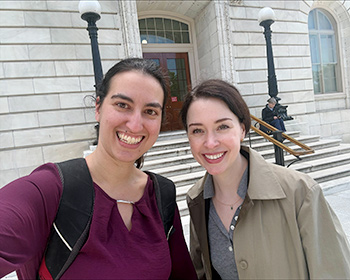
From left: Junseo Lee, MD, Shivangi Kothari, MD, Anuroop Yekula, MBBS, and Sofia Shaikh, MD.
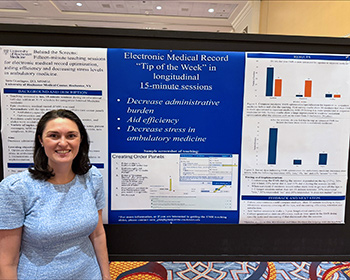
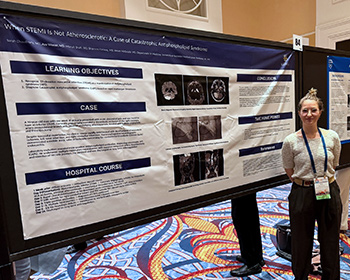
Gastroenterology and Hepatology teams and their collaborators taught courses and shared a wide range of research at ACG 2025.
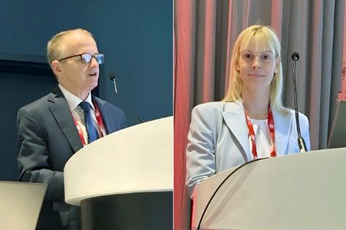
Shivangi Kothari, MD, of Gastroenterology and Hepatology, who serves as the ACG governor for Northern NY, presented three courses: Tackling Refractory Esophageal Strictures, Expert Endoscopic Techniques on Screen, and Contending with Endoscopy in Pregnancy.
Sarah Enslin, PA-C, of Gastroenterology and Hepatology, co-directed the inaugural APP Leadership Summit and presented a summit talk on professional development and fulfillment. She also teamed up with Vivek Kaul, MD, of Gastroenterology and Hepatology, to deliver a presentation on interprofessional collaboration. In addition, she presented a lecture on sub-specialization of GI APPs during the annual meeting and moderated the APP luncheon, “Beyond the Clinic: APP Networking for Career Growth in GI.”
Leslie Graus, PA-C, won an ACG Presidential Poster Award for “(P1752) Treponema Tricks the Liver: A Case of Reversible Cholangiopathy in Disguise,” alongside co-authors Monica Patel, MD, Gastroenterology fellow, Charlotte Ryan, MD, of Pathology and Laboratory Medicine, and Sarah McPherson, NP, Sarah Enslin, PA, Vivek Kaul, MD, and Patrick Twohig, MD, MPH, of Gastroenterology and Hepatology. Other poster presentations include:

From left: Janice Cheong, MD, Danielle Marino, MD, Junseo Lee, MD, and Victoria Howard, PA.
- (P1780) Air Is the Enemy: A Fatal Case of Emphysematous Hepatitis
Presented by Anuroop Yekula, MBBS, Gastroenterology fellow
Co-authors: Junseo Lee, MD, Gastroenterology fellow, Daniel Oppenheimer, MD, of Imaging Sciences, and Truptesh H. Kothari, MD, MS, of Gastroenterology and Hepatology. - (P2248) Lemmel Syndrome: A Case Series of Duodenal Diverticula Causing Obstructive Jaundice
Presented by Junseo Lee, MD, Gastroenterology fellow
Co-authors: Ashwath Elangovan, URochester student, Joshua Rosario, URochester SMD student, Philomena Burger, BA, URochester SMD student, and Truptesh H. Kothari, MD, MS, of Gastroenterology and Hepatology. - (P2703) Evaluation of the Efficacy of the BARS® Device for Trans-Oral Outlet Reduction in an Ex Vivo Model Study
Presented by Truptesh H. Kothari, MD, MS, of Gastroenterology and Hepatology
Co-authors: Smit B. Kothari, BS, URochester student, and Victoria H. Howard, PA-C, of Gastroenterology and Hepatology - (P3993) ALTered Expectations: A Diagnostic & Therapeutic Detour into Silent Granulomatous Hepatitis
Presented by Richa Patel, BS, trainee in Health Humanities and Bioethics
Co-authors: Monica Patel, MD, Gastroenterology fellow, Charlotte Ryan, MD, of Pathology and Laboratory Medicine, and Sarah McPherson, NP, Sarah Enslin, PA, Vivek Kaul, MD, and Patrick Twohig, MD, MPH, of Gastroenterology and Hepatology. - (P6300) Polyarteritis Nodosa, a Rare Cause of Abdominal Pain
Presented by Philomena Burger, BA
Co-authors: Charlotte Blumrosen, MD, Medicine-Pediatrics resident, Alexandra France, MD, and Danielle Marino, MD, of Gastroenterology and Hepatology.
Adult Cystic Fibrosis Team Recognized as Outstanding Collaborative Partners
Tuesday, November 11, 2025

From left: Emily Stender, RN, Diana Johnson, SW, Laurent Quenaud, senior director of volunteer &
donor relations at CFF, Donna Germuga, RT, Paula Lomas, senior director of clinical communications
at CFF, Amanda Ramos, RN, Marin Valentino, PharmD.
The Cystic Fibrosis Foundation (CFF) honored Transitional Care Medicine’s Adult Cystic Fibrosis team with an Outstanding Care Center Partnership Award at the 2025 North American Cystic Fibrosis meeting in October.
The Outstanding Partnership Award recognizes care centers and teams collaborating with their local CFF chapters to serve the needs of the greater community of patients, families and communities. Recipients of the award are selected based on local collaboration efforts, engagement with local chapter programs and events, involvement of chapter staff in center-directed initiatives, and more.
“I can always count on my connections at the UR Medicine Complex Care Center to support ideas, programs, and events in the Rochester community,” said Patricia Schwarzweller, associate executive director of the WNY chapter of CFF, who nominated the group for the award. “They go above and beyond when caring for our most important community members and I feel they deserve any recognition we can give them to support our appreciation for all they do.”
Spreading Knowledge, Not Disease at IDWeek 2025
Friday, November 7, 2025
DOM had a strong showing at IDWeek 2025, a major annual gathering of over 10,000 infectious diseases experts. Physicians, pharmacists, researchers, and trainees in the Infectious Diseases Division shared their knowledge at the conference via workshops, posters, and oral presentations addressing some of the field’s most pressing challenges.
Check out the fascinating (and sometimes gross) work they shared.
Workshops and Presentations

Brenda Tesini, MD, poses with a poster for her presentation.
Affiliated Session: Advancing RSV Vaccination in Older Adults: Empowering Experts to be Advocates
Presented by Brenda Tesini, MD, of Infectious Diseases
Workshop: Pus, Slough, and Drainage: Oh My! Hands-on Introduction to Wound Care
Moderated by Ted Louie, MD, of Infectious Diseases
Affiliated Session: RSV is Only Half the Story: Uncovering Human Metapneumovirus (hMPV) Burden in Adult
Moderated by Ed Walsh, MD, of Infectious Diseases
Affiliated Session: Impact on ID Quality from Changes in Federal Regulations and Resource
Presented by Alexandra Yamshchikov, MD
Presentation: A Growing Threat: The Rising Incidence of ESBL-E Infections Among Pediatric Patients in Monroe Co, NY
Presented by Hsioa Che “Kiki” Looi, MPH, of the Center for Community Health & Prevention (CCHP)
DOM coauthors: Brenda Tesini, MD, and Ghinwa Dumyati, MD, of Infectious Diseases
Presentation: Safety, Tolerability, and Immunogenicity of the mRNA-1345 RSV Vaccine in Solid Organ Transplant Recipients Aged ≥18 Years
Presented by Eric Mayer, MD, of Moderna DOM co-authors: Ann Falsey, MD, of Infectious Diseases
Posters

From left: Paulina Sudnik, MD, Ghinwa Dumyati, MD, and Colin Samoriski, MD, at
IDWeek in Atlanta, GA.
Poster (Quality Improvement): A Clinical Management Algorithm Using Society for Vascular Surgery Wound, Ischemia, and Foot Infection (WIfI) Score in Emergency Departments (ED) for Lower Extremity Wounds (LEW) Improves Diagnostic Efficiency and Resource Allocation, Implications for Quality Improvement (QI)
Presented by Colin Samoriski, MD, of Infectious Diseases, who won a travel award for the poster
Coauthors: Christine Kim, MD, Internal Medicine resident, Ted Louie, MD, of Infectious Diseases, and Alexandra Yamshchikov, MD, of Infectious Diseases
Poster (Social Determinants of Health): Social Determinants of Health (SDOH) are Associated with Non-Intravascular Device (IVAD) Related Adverse Events (AE) in Patients Treated with Outpatient Parenteral Antimicrobial Therapy (OPAT)
Presented by Colin Samoriski, MD, of Infectious Diseases DOM coauthors: Alexandra Yamshchikov, MD, of Infectious Diseases, and Mike Sportiello, MD, PhD, a recent UR SMD graduate

Ghinwa Dumyati, MD, poses with her poster.
Poster (Respiratory Infections): Why Aren't We Treating? Reasons for Antiviral Non-Prescription in Hospitalized Children with Influenza
Presented by Christina Felsen, MPH, of CCHP
DOM coauthors: Brenda Tesini, MD, and Ghinwa Dumyati, MD, of Infectious Diseases
Poster (Health Care-Associated Infections): Real World Effectiveness of Fidaxomicin in Preventing Recurrence of Initial Community-Associated C difficile Infection
Presented by Christopher Myers, MS, of CCHP DOM coauthor: Ghinwa Dumyati, MD, of Infectious Diseases
Poster (Health Care-Associated Infections): Mupirocin Resistance Among Methicillin-Resistant Staphylococcus aureus Surveillance Isolates Associated with Invasive Infections, 2005-2022
Presented by Holly Biggs, MD, MPH, of the Centers for Disease Control & Preventions
DOM Coauthor: Ghinwa Dumyati, MD, of Infectious Diseases
Poster (Antibiotic Stewardship): Clinician Alert Interactions and Antibiotic Exposure in Beta-Lactam Allergic Patients following Suppression of Beta Lactam Antibiotic (BLA) Cross-Sensitivity Alerts (CSAs) in the Electronic Health Record (EHR): A Need for Balancing Measures
Presented by Alexandra Yamshchikov, MD, of Infectious Diseases
DOM coauthors: Jessica Stern, MD, of Allergy, Immunology, and Rheumatology, David Dobrzynski, MD, of Infectious Diseases, and ID Clinical Pharmacists Katelyn Quartuccio, PharmD, Stephanie Shuler, PharmD, and Sarah Spitznogle, PharmD

From left: Sonal Munsiff, MD, Alexandra Yamshchikov, MD, Jennifer Wachala, MD,
Paul Bohjanen, MD, PhD, Edward Walsh, MD, and Ted Louie, MD, out for a team dinner.
Poster (Respiratory Infections): Differentially Expressed Genes in Patients with Legionella and Streptococcus Pneumonia
Presented by Paulina Sudnik, MD, of Infectious Diseases DOM coauthors: Ed Walsh, MD, Angela Branche, MD, Ann Falsey, MD, of Infectious Diseases
Poster (Bone and Joint): Epidemiology, Clinical Characteristics, and Outcomes of Patients with Nontuberculous Mycobacterial Bone and Joint Infections at the University of Rochester Medical Center, New York from 2019-2023
Presented by Patrick Passarelli, MD, a recent ID fellowship graduate
DOM coauthors: Michael Croix, MD, Alok Gupta, MBBS, and Sonal Munsiff, MD, of Infectious Diseases
Poster (Antibiotic Stewardship): Impact of Social Determinants of Health on Synchronous and Asynchronous Antibiotic Prescribing Practices: Quality Improvement Experience of a Large Primary Care Network
Presented by Mike Sportiello, MD, PhD, a recent UR SMD graduate
DOM coauthors: Robert Fortuna, MD, MPH, of Primary Care, and Alexandra Yamshchikov, MD, of Infectious Diseases
Holloway Receives Neuropalliative Care Lifetime Achievement Award
Tuesday, October 14, 2025
Robert Holloway, MD, MPH, of Neurology and Palliative Care, was this year’s recipient of the International Neuropalliative Care Society’s Lifetime Achievement Award. Holloway received the award, which recognizes pioneers in the field of neuropalliative care, at the INPCS annual meeting in Phoenix, AZ in September.
Holloway was recognized as one of the early giants of the field with contributions to research, education, clinical care, leadership, and mentorship. His encouragement of emerging leaders and his passion for challenging systems and medical culture were noted as exceptional qualities that mark his lasting and ongoing contributions to this field.
Congratulations, Dr. Holloway!
A Call for Compassion in Lung Cancer Care
Wednesday, October 1, 2025
Lung cancer is a highly stigmatized form of cancer. It is the leading cause of cancer death, however, “quantum leaps” in screening, diagnosis, and treatment mean lung cancer is no longer a death sentence.
M. Patricia Rivera, MD, chief of Pulmonary and Critical Care Medicine, is a member of the American Cancer Society National Lung Cancer Roundtable and co-chair of the roundtable’s Health Equity Task Force. She and fellow roundtable members recently issued a call for greater hope and compassion in lung cancer care.
Below, Rivera offers advice for physicians to better engage with patients who have lung cancer or who are at risk of developing it.
Abolish Blame
Individuals with lung cancer, particularly those who have smoked, are often blamed by society for bringing on cancer. It’s easy to forget that nicotine is a very potent, addictive, and legal drug—one that is marketed to teenagers and readily available in all communities, especially underserved communities. People smoke because they are addicted, not because they don't care about their health. As physicians, we must be mindful in every patient interaction to avoid insinuating blame.
Stop Using the Term “Smoker” and Other Stigmatizing Language
For years, the National Lung Cancer Roundtable Stigma and Nihilism Task Force has called for healthcare workers, including physicians, to stop using the term smoker and to use person-first language like “person who smokes” instead. But I still see “smoker” and “lung cancer patient”—terms that are stigmatizing and reduce a person to a particular behavior or condition—in most manuscripts I review for major journals. Switching to person-first language is a simple thing you can do immediately to better engage with patients who have lung cancer.
Lead with Empathy
As a pulmonologist, I’ve had many conversations with patients who have just found out they may have or do have lung cancer. These are invariably difficult and delicate conversations, delivering what is likely the worst news these patients have ever received. Once, a fellow in training initiated one of these conversations by first asking the patient, “How much do you smoke?” Smoking history is important to capture, but if that’s your introductory question, you have already stigmatized the patient. It was a teachable moment for the fellow and an example I still use to highlight the importance of leading with empathy. Your first priority should be to understand the patient’s experience. What are their symptoms? Do they have any pain? Saving questions about smoking history for later in the conversation reduces the chance that they will be perceived as accusatory.
Screen, Screen, Screen!
In the last 20 years, the survival rates for lung cancer have improved annually because we're detecting it earlier and treating it more effectively. However, as of 2022, only about 20 percent of eligible individuals are being screened. Under current guidelines, individuals between the ages of 50 and 80 who have a 20-pack-year history of smoking (i.e., one pack of cigarettes per day for 20 years, or two packs a day for 10 years, etc.), and if quit smoking, have quit within 15 years, should be screened. For clinicians, the challenge is confirming the smoking history. Patients’ smoking habits often change over time, and patients who have quit can fall through the cracks. Physicians and advanced practice providers must thoughtfully dissect each patient’s smoking history to get an accurate pack-year estimate and to ensure that all eligible patients are offered and educated about lung cancer screening.
Help Patients Quit Smoking
Quitting smoking is by far the most important intervention to prevent patients from developing and dying from lung cancer, but many patients lack access to smoking cessation support and treatment. Only 22 states provided comprehensive coverage of tobacco cessation treatment through Medicaid. As physicians, we must advocate for better access to tobacco cessation support and pharmacotherapy, and offer empathetic and supportive counseling for all patients who smoke. Here are several regional and state resources physicians and advanced practice providers can use to help patients quit smoking:
- Wilmot Cancer Institute Tobacco Cessation Program
- Center for Community Health & Prevention Nicotine Dependence Treatment
- The Center for a Tobacco-Free Finger Lakes helps health care systems design and implement nicotine addiction treatment policies and guidelines
- New York State Quitline and Quitsite
Kidney Transplant Team Performs 3,000th Life-Saving Surgery
Thursday, September 18, 2025

The kidney transplant team recently gathered to celebrate the retirement of longtime surgeon
and leader Mark Orloff, MD (seated front, center).
The Transplant Institute recently performed it’s 3,000th kidney transplant surgery, providing a mid-50s local man a second chance at life.
“Performing 3,000 kidney transplants is a tremendous accomplishment for the kidney transplant team which is a leader in this life-saving care in upstate New York,” said Roberto Hernandez-Alejandro, MD, chief of the Transplant Institute, which provides kidney, liver and pancreas transplantation. The Medical Center also provides heart and bone marrow transplants.
The large and busy team provides about 100 life-saving transplants for adults and pediatric patients annually, thanks to the generosity of organ donors. Last year there were 120 surgeries, a record for the program.
“It’s important for the team to recognize the hard work and commitment that it takes to reach these milestones. We should celebrate the successes that our patients and their families achieve because of our team’s efforts,” said Jeremy Taylor, MD, medical director of Kidney and Pancreas Transplantation.
Recent advances have improved outcomes and availability of organs for patients, including minimally invasive surgical techniques and organ swaps, or chains, said Randeep Kashyap, MD, MPH, surgical director of kidney and pancreas transplantation.
The Medical Center was an early adopter of the National Kidney Exchange paired donations, which links incompatible patients and donors, with matches at other institutions. These “swaps” or “chains” can involve multiple centers, which increases the level of coordination, yet also improves access to organs for patients in need.
“We’ve got a great team that is dynamic and dedicated,” Kashyap said. “We’ve recruited very good people who have great experience and skills, work together well, and we’re fortunate to lead an excellent group.”
Congratulations to New Internal Medicine Residency Leaders
Tuesday, September 16, 2025
After two decades of leadership within the Internal Medicine Residency program, Alec O’Connor, MD, MPH, of Hospital Medicine, has stepped down as associate program director passing the mantle to Meghan Train, DO, of Hospital Medicine. The program has also appointed Sara Gianfagna, DO, MSMed, of General Medicine, as assistant program director for Ambulatory Curriculum.
“Dr. O’Connor’s thoughtful leadership and innovative contributions to both our IM Residency program and residency education at the national level have been invaluable,” said Amy Blatt, MD, IM Residency Program Director. “He navigated a rapidly changing medical education and public health landscape with creativity, poise, and sincere dedication to our residents. I am so grateful for his leadership and mentorship and feel very lucky that he will continue to play an important role in our program.”
O’Connor was instrumental in helping the program transition to X+Y block scheduling, implementing resident communication coaching and wellbeing programs, creating a nocturnist program to improve resident education and supervision, and safely guiding trainees through the COVID pandemic. He will remain involved in the IM Residency as an assistant program co-director for Research and Scholarship.
Train, who has served as core faculty for the IM Residency since 2021, will step into her new role as associate program director for Resident Learning and Assessment on October 1. In this role, she will aid resident mentorship, competency assessment, curriculum development, and recruitment.
Train will also continue to direct the residency’s Quality Improvement and Patient Safety curriculum, a role she had held for the past four years. In that role, she developed a QI and Patient Safety didactic curriculum and training track, expanded residents’ involvement in inter-professional QI projects, and created a Health Care Systems, Leadership, and Quality elective.
Train has been recognized for her support and mentorship of resident scholarship with the 2021 and 2024 Internal Medicine Research Mentoring Awards and was recently selected for the 2025-2027 Dean's Teaching Fellowship.
Gianfagna, who served as a chief resident for the IM Residency in 2022-2023, has officially joined the program’s core faculty as assistant director of Ambulatory Curriculum. Over the past year, she has coordinated the residency’s ambulatory education sessions under the mentorship of Catherine Gracey, MD, the associate program director for Ambulatory Education. In her new role, she will continue to innovate and adapt the residency’s curriculum to meet the diverse and evolving needs of physicians pursuing careers in general medicine and ambulatory specialties.
Gianfagna is interested in medical education focusing on clinical reasoning and strategies to engage learners. Her skill and dedication as an educator have been recognized with the 2023-2025 Kohn Teaching Fellowship and 2025 Arthur W. Bauman Award for General Medicine Teaching.
“Dr. Train and Dr. Gianfagna are outstanding clinicians and educators in our department who have both contributed positively to the residency through their enthusiastic engagement and formal and informal leadership roles.” said Blatt. “These new positions are a well-deserved recognition of their hard work, and I’m excited to see how they will shape the program in these new roles.”
Ahmed Recognized for Infection Prevention Efforts
Monday, September 15, 2025

From left: Michelle Vignari, RN, BSN, CIC; Mary Condon, PhD, RN, CIC;
Bilal Ahmed, MBBS; and Jennifer Ornt, RN, BSN, CIC.
On September 9, Bilal Ahmed, MBBS, of Internal Medicine, received the 2025 Infection Prevention Outstanding Contribution Award from the Rochester Finger Lakes Chapter of the Association for Professionals in Infection Control and Epidemiology. The award recognizes Ahmed’s leadership, dedication, and stellar contributions to infection prevention across Highland, Noyes Memorial, and St. James Hospitals.
As associate medical director at Highland Hospital and CMO for both Noyes Memorial and St. James Hospitals, Ahmed has been instrumental in standardizing hand hygiene, blood contamination prevention, employee health, and antibiotic stewardship. Proactively partnering with infection prevention teams, he fosters multidisciplinary engagement and dedication among health care staff to improve patient outcomes.
Nominated by Michelle Vignari, RN, BSN, CIC, director of Infection Control at Highland Hospital, Mary Condon, PhD, RN, CIC, clinical educator at St. James Hospital, and Jennifer Ornt, RN, BSN, CIC, director of Infection Prevention and Employee Health Services at Noyes Memorial, they said, “There is no better supporter of infection prevention among the three hospitals. We are honored to have his presence and support for our infection prevention programs.”
Medical-Legal Partnership Helps UR Medicine Patients and Providers
Tuesday, August 5, 2025
In mid-May, clinicians and social workers at Strong Memorial Hospital received a glut of complaints from patients frantically seeking help maintaining their enriched housing, a type of long-term supportive care primarily for older adults. These patients were among nearly 100 residents who were given only 10 days to move out of their enriched housing units at Danforth Towers and Hudson Ridge Apartments in Rochester.
Luckily, our social work and care management team knew exactly what to do. They engaged our Medical-Legal Partnership, a collaboration between Strong Internal Medicine, Highland Family Medicine, Golisano Children’s Hospital, and Legal Assistance of Western New York (LawNY).
The partnership is built for situations just like this. It provides free civil legal services to patients with health-harming legal needs.
Our team connected patients with attorneys from LawNY, who immediately began advocating for any interested residents—not just UR Medicine patients—and continue to represent them as this issue unfolds.
“When you have an issue like this, especially if you don't have a lot of resources, it can be very hard to figure out who can advocate for you,” said Mahala Schlagman, MD, of General Medicine, who is director of our Medical-Legal Partnership. “This program gives patients a place to turn for help and gives health care providers peace of mind being able to connect patients with that help.”
A more than two-year effort culminated in the initiation of the partnership at Strong Internal Medicine and Highland Family Medicine in 2019, followed by Golisano Children’s Hospital in 2023. The partnership is made up of a multidisciplinary team of attorneys, clinicians, social workers, and health care staff who are trained to recognize health-harming legal needs.
The partnership has connected over 1,000 patients with legal support from LawNY.
“The bulk of the support we provide falls under income and housing, because you need those things to have a form of stability in your life, and that impacts overall health,” said Tanisha Gamble, LMSW, project manager for the Medical-Legal Partnership.
But, Gamble says, our partnership program has also helped reinstate patients’ food benefits, negotiated with a patients’ landlords to mitigate mold or lead exposures, helped patients recertify to maintain adequate home care through Medicaid, and much more.
“When you work with patients who have tremendous social needs, sometimes you can’t get to the medical issues because the social need is front and center,” said Schlagman. “Our Medical-Legal Partnership really allows us—the health care providers—to focus on the patients’ medical conditions.”
Anyone can refer a patient to LawNY by calling (585) 325-2520. And donations to support the effort are always welcome.
Join the URMC Data Champions Network
Wednesday, July 30, 2025
The Data Champions Network, a new initiative at URMC to build expertise and support around our eRecord Data and Analytics tools, is looking for new members. As a Champion, you'll serve as a key resource in your department, helping facilitate communication, training, and support related to our reporting systems while building your own expertise through a "Learn, Apply, Lead" approach.
The program has two phases:
- Short-term: Build comfort and proficiency through basic and advanced training on various reporting tools
- Long-term: Become a go-to expert in your area, eventually presenting dashboards and reports you've created or find particularly valuable
As a Data Champion, you will:
- Enhance your skills: Deepen your familiarity with available data and analytics tools
- Receive ongoing support: Get regular access to ask reporting questions and receive guidance
- Stay updated: Gain exclusive access to system updates, new features, and upcoming developments
- Make an impact: Help shape the future of data and analytics at URMC
Time Commitment (meetings beginning in September)
- Required: 1-hour monthly meeting
- Optional: 2-hour monthly drop-in session
- Ongoing: Review reporting updates and share relevant information within your department
If you're interested in joining please complete the Data Champions Network Application Form. For more information, please email Katrina Conrow: Katrina_Conrow@urmc.rochester.edu.
Cardiology Appoints Leaders for Clinical Services and Academic Affairs
Thursday, July 10, 2025
Two new leadership positions within the Division of Cardiology were recently created to support expansion of clinical and academic programs. Thomas Curran, MD, was named vice chief of Clinical Cardiology Services, and Mehmet Aktas, MD, MBA, was named vice chief of Academic Affairs, effective July 1.
“Cardiology is one of our largest divisions with eight subspecialties and a research portfolio spanning basic to clinical research,” said Ruth O’Regan, MD, chair of the Department of Medicine. “These new positions were necessary to integrate and advance the division’s clinical, research, and education missions.”
Curran and Aktas will work with Cardiology Chief Spencer Rosero, MD, to unify the division’s mission across its many sub-specialties, provide coverage across UR Medicine’s care network throughout Upstate New York, and elevate our national and international reputation.
Both roles are essential to continue to advance the goals of the URMC Cardiac Care service line, which includes Cardiology and Cardiac Surgery.
“Dr. Curran and Dr. Aktas have served the division in similar capacities for several years,” said Rosero. “Given their demonstrated track record for outstanding clinical service management and mentorship of faculty and trainees—and the division’s growing needs—these promotions are long overdue.
Vice Chief of Clinical Cardiology Services
Thomas Curran, MD
Curran’s role focuses on oversight of the division’s clinical operations with an eye toward expanding existing services and developing new ones to meet institutional goals. Serving as a liaison between Cardiology and other clinical specialties, such as Emergency Medicine, Surgery, Primary Care/Internal Medicine, and Imaging Sciences, Curran will foster transdisciplinary collaboration to provide comprehensive, seamless care.
A major objective of this new role is to provide access to cardiology services and clinical trials to patients across upstate New York. That will require Curran to lead an effort to expand clinical cardiology services to all UR Medicine affiliates and to integrate clinical trial enrollment throughout the system.
“My vision is to continue to build on the excellent care we provide,” said Curran, professor of Clinical Medicine. “We will introduce new technologies, systems, and providers to improve access and patient care. Our ultimate goal is to have an integrated team, so we can seamlessly work together to optimize the patient experience and further our growth.”
Curran will continue to see patients and work closely with ambulatory cardiology team members.
Vice Chief for Academic Affairs
Mehmet Aktas, MD, MBA
Aktas, associate professor of Medicine, is responsible for supporting the career advancement of Cardiology’s sizable community of faculty, clinicians, and APPs. That entails mentoring and advocating for faculty of all ranks as they pursue academic career goals related to clinical work, research, education, community services, or administration.
“Cardiology’s academic mission is indispensable to the division’s broader goal of providing exceptional patient care,” said Aktas. “Without our research and education missions, we couldn’t offer our patients the latest and best treatments, drugs, or devices. That’s why it’s so important that we support our faculty as they pursue academic careers.”
Aktas also leads faculty recruitment across sub-specialties and support institutional faculty career development initiatives.
SLEDding Uphill: DOM Leaders Upskill in URMC SLED Program
Thursday, July 10, 2025

SLED graduates pose with program directors. From left: Judith Baumhauer, MD, MPH, Colleen Tomcik, MD,
Daniel McFarland, DO, Linda Rasubala, DDS, PhD, Andrew Cantos, MD, Timothy Bushnell, PhD, Elizabeth
Brown, MD, MPH, Justin Hopkin, MD, Michelle Janelsins, PhD, MPH, Supriya Mohile, MD, MS, Brett
Robbins, MD, and Janine Shapiro, MD. (Not pictured: Catherine Gracey, MD, and Carla Casulo, MD.)
Demonstrating their Meliora values, six DOM leaders and faculty members recently completed a two-year professional development course designed to create transformational leaders. URMC’s Senior Leadership Education and Development (SLED) program helps leaders in academic health centers meet complex and emerging health system challenges.
Through evidence-based, collaborative learning and reflective practice, participants learn how to provide direction, mentor others, foster organizational efficiency, and lead through organizational development.
Participants develop and implement mentored leadership projects that address real-life needs in their roles over the course of the program. DOM faculty leadership projects include:
- Brett Robbins, MD, senior associate dean for Graduate Medical Education and professor of Hospital Medicine, developed a new communication strategy for Graduate Medical Education.
- Vice Chair for Academic Affairs Supriya Mohile, MD, MS, developed a multi-center clinical trial infrastructure for geriatric oncology.
- Hospital Medicine Chief Justin Hopkin, MD, conducted a needs assessment of UR Medicine affiliate hospitalist groups.
- Daniel McFarland, DO, of Hematology/Oncology, proposed a collaborative care model to implement at the Wilmot Cancer Institute.
- Catherine Gracey, MD, vice chair for Education, developed a clinician educator track for fellows.
- Carla Casulo, MD, associate professor of Hematology/Oncology, took a 360-degree view of mentorship to empower mentees at every stage of career development.
Congratulations to all graduates!
Farewelcome to Medicine Trainees
Wednesday, June 25, 2025
June is a bittersweet time of year for medical trainees. It marks the end of one chapter—filled with long hours, complex cases, and indelible bonds with peers—and the beginning of the next.
Farewell
Throughout the past month, the DOM recognized and celebrated the achievements of our outgoing trainees—and held a friendly resident-faculty Jeopardy competition (complete with colorful and creative costumes).
Whether trainees are staying at URMC or continuing their careers on distant shores, DOM Chair Ruth O’Regan, MD, urges them to “hold the spirit of Meliora and always strive for better. Approach your roles with curiosity, humility, and a commitment to lifelong learning. Push boundaries, challenge norms, and seek to improve the lives of those you serve.”
Please join us in congratulating our graduating residents (pictured below) and fellows (see fellows slideshow).
2025 Internal Medicine Residency graduates Front: Keyan Zarei, MD, PhD, Jade Walden, MD, Nataliia Paone Aerton, MD, Aneliya San, MD, Anne Zhang, MD, Maya Shumyatcher, MD, Rachel Turner Hilley, MD, and Xingyi Shi, MD. Second row: Nina Rizk, MD, MPH, MS, Christina Moore, MD, Emma Hassell, MD, Lauren Lewis, MD, Louis Arens, MD, Michael Tiongson, MD, and Tony Sun, MD, PhD. Third row: Kelsey LaPiano, MD, Meghan DioGuardi, MD, Kristen Clements, MD, PhD, Anan Kazi, MD, and Casey Storms, MD. Fourth row: Rohith Palli, MD, PhD, Neesha Desai, MD, Joseph Glick, MD, and Jean Lafontant, MD, MPH. Top row: Seif Nasir, MD, MPH, Troy Anlage, MD, and Filip Koritysskiy, MD. Photo credit: Alliet Photography.
2025 Medicine-Pediatrics Residency graduates Front: Jennifer Tich, MD, Sonia Joshi, MD, Grace Ng, MD, and Kunali Gurditta, MD. Middle: Jenny Beuschel, MD, Rebekah Roll, MD, and Amanda Kaley, MD. Back: Justin Lansinger, MD, and Michelle Prong Geiger, MD. Photo credit: Alliet Photography.
Welcome
In June, we also welcomed a new crop of medical trainees. This year 46 new residents joined our ranks, 26 in Categorical Internal Medicine (IM), two in IM Primary Care, two in IM Preliminary, eight in Adult Neurology, and eight in Medicine-Pediatrics. The University of Rochester and University at Buffalo supplied the largest number of residents in this cohort, with seven residents each. Others came to us from medical schools in 16 U.S. states as well as Canada, Peru, and Pakistan.
Congratulations and welcome to our incoming residents! View a slideshow of incoming residents.
Aging Experts Share Wisdom at American Geriatrics Society Meeting
Tuesday, June 24, 2025
Geriatrics/Aging faculty members and fellows had a strong showing at the 2025 annual scientific meeting of the American Geriatrics Society (AGS) in Chicago in May.
As co-PI of the Geriatrics Workforce Enhancement Program (GWEP), Thomas Caprio, MD, of Geriatrics/Aging, moderated the GWEP pre-conference session.

Lisa Vargish, MD, MS
Lisa Vargish, MD, MS, of Geriatrics/Aging, was elected by a national vote to serve as chair of the AGS Teacher’s Section. She also presented the poster “An Age-Friendly Consultative Home Visit Pilot Program Embedded in a Primary Care Practice” as part of the Presidential Poster Session.
Mary Bonnett, MD, of Geriatrics/Aging, led a Geriatric Academic Career Award Special Interest Group session.

Courtney Kramer, MD
Courtney Kramer, MD, Geriatric Medicine fellow, presented the poster “Impact of an Embedded Geriatrician in Achieving Age-Friendly Outcomes for an Academic Perioperative Medicine Clinic.”
Sarah Morgan, MD, Geriatric Medicine fellow, presented the poster “Digging Deeper into Anxiety Symptoms: A Case of Serotonin Syndrome Related to Post-Strok Neurostimulant Use.”
Kah Poh (Melissa) Loh, BMedSci, MBBCh, BAO, MS, of Hematology/Oncology, presented the poster “Strategies to Advance Research through inclusive of Diverse older Adults and Artificial Intelligence in Aging Research and Clinical Care.”

Photo caption: (left to right) Heather Lander, MD,
Annie Medina-Walpole, MD, and Jennifer
Muniak having fun at the AGS Dance Party.
Laura Robinson, MPH, program coordinator of the Finger Lakes Geriatrics Education Center, presented “Promoting Age-Friendly Care & Career Development Across Specialties: The Geriatric-Faculty Scholars Program” as part of the Education Paper Session.
Additional co-authors include Jennifer Muniak, MD, Medicine, Highland Hospital; Katlyn McBride, MD, of Geriatrics/Aging; Suzanne Gillespie, MD, of Geriatrics/Aging; Annette Medina-Walpole, MD, of Geriatrics/Aging; Dallas Nelson, MD, of Geriatrics/Aging; Dana Stanton, PAC of Geriatrics/Aging; and Lauren O’Connor, PAC, of Internal Medicine.
Nephrology, Endocrinology Fellows Jump the Shark (Tank)
Tuesday, June 24, 2025

From back left: Marilyn Augustine, MD, Janany Sabescumar, MD, James Rutowski, MD
(Neph), Katherine Hazen, MD (Endo), Frantzcess Compas, MD (Endo), Hira Khan, MBBS
(Endo), and Hye Jeong Han, DO (Endo). Front from left: Scott Liebman, MD, MPH, Sara
McLeod, DOO, MPH, and Erica Miller, MD
Nephrology and Endocrinology fellows participated in a Shark Tank-style competition at the culmination of a year-long curriculum devoted to ensuring optimal health for all. Teams of fellows presented their projects developed over the course of the year and were judged by “Sharks” Sara Macleod, DO, MPH of Endocrine/Metabolism, Erica Miller, MD of Cardiology, and Scott Liebman, MD, MPH of Nephrology.
Four teams competed for bragging rights and Endocrinology fellows Katherine Hazen, MD and Fadila Noor, MBBS won the competition with their project, “Disparities in Diabetes Technology: A Study of Access and Outcomes Related to Continuous Glucose Monitoring.”
This was the first year Nephrology and Endocrinology teamed up for such a program and they hope to make it an annual occurrence, according to faculty champions Marilyn Augustine, MD of Endocrine/Metabolism, and Janany Sabescumar, MD of Nephrology.
Home is Where the Hospital Is: Hospital at Home Program Launching in September
Thursday, June 12, 2025
Meet Edna, a fiercely independent 82-year-old who lives alone with family support. The last place Edna wants to be is in the hospital, but she can’t ignore her worsening shortness of breath and swelling legs.
Under the current UR Medicine system, Edna would be admitted to the hospital to receive acute care for heart failure for days or possibly weeks. But with a new Hospital at Home (HaH) program, launching this September, Edna will be able to get the inpatient care she needs in the comfort of her own home.
UR Medicine Hospital at Home combines advanced remote monitoring, telehealth technology, and in-home clinical visits to deliver hospital-level care in a more comfortable and personalized setting. The program reflects UR Medicine’s commitment to addressing ongoing hospital capacity challenges while working to improve patient satisfaction and outcomes.
Why This Matters
We anticipate the HaH program will enhance clinical team satisfaction and strengthen our connection to the patients we serve. Here’s how:
- Patient-Centered Care: Patients experience the therapeutic impact of receiving treatment and recovering in familiar surroundings, which promotes comfort and healing.
- Improved Outcomes: When HaH is compared to traditional inpatient hospitalization, studies have shown comparable or better clinical outcomes, reduced readmissions, and higher patient satisfaction scores.
- Community Impact: HaH can expand access to care for populations facing barriers to traditional hospital services.
- System Efficiency: By easing inpatient bed shortages, HaH supports our strategic goals for tertiary and quaternary care.
HaH is being developed under the leadership of Justin Hopkin, MD, chief of Hospital Medicine, Shayne Hawkins, RN, director of Med/Surg Nursing, and Kelly Luther, MSW, senior director of Social Work and Patient & Family Services. The program’s clinical and administrative leaders include Clare Park, DO, of Hospital Medicine (medical director), Heather Jackson, MS, RN, (senior nurse manager), and Michelle B. Maxon, MBA, (administrative director).
HaH will start with a small patient census and scale gradually to ensure quality oversight and seamless care delivery. Additional resources, including an intranet page and public-facing website, are coming soon.
To learn more about HaH, watch this month’s DOM Town Hall, featuring a presentation by program leader Justin Hopkin, MD.
Email HospitalAtHome@urmc.rochester.edu with any questions.
Celebrating Resident Excellence
Wednesday, June 11, 2025
Two Internal Medicine residents were honored for leading innovative research and quality improvement initiatives, earning the annual Resident Excellence Awards in Quality Improvement and Research Grand Rounds. Please join us in congratulating this year’s winners:
Quality Improvement
Joseph Glick, MD
Mentor: Catherine Glatz, MD, of Hospital Medicine
Mitigating Excessive Laboratory Testing in Hospitalized Patients: An Interdisciplinary Quality Improvement Initiative
Excessive laboratory testing can be harmful, costly, and futile to patients. Since 2022, Joseph Glick, MD, along with an interdisciplinary team, has implemented a quality improvement project to decrease excessive lab testing across the 6-1400 and 6-3400 units. Glick’s team implemented educational interventions for physicians and nurses that reduced the median number of lab tests per patient encounter by 18%, but the reduction was not sustained. Subsequent surveys showed a majority of physicians and nurses support reducing labs and feel that more fully utilizing the EMR (for example, to place limits on the duration of lab orders, and flags prompting lab reduction for medically ready or ALC patients) may help promote a sustained decrease. The team is now planning to implement structured education for first- and second-year resident orientations and taking a closer look at developing an EMR integration.
Research
Aneliya San, MD
Mentor: Mehmet Aktas, MD, of Cardiology
Sex Hormone-Dependent Modulation of Cardiac Repolarization During the Menstrual Cycle in Women Treated with QT-Prolonging Drugs
Many medications, including antiarrhythmics, antibiotics, and antipsychotics, can disrupt normal heart rhythms by prolonging the QT interval and women are disproportionately impacted by drug-induced QT prolongation. Aneliya San, MD, examined how hormonal fluctuations throughout the menstrual cycle affects drug-induced QT prolongation. San mapped ECG recordings to hormone levels in 41 women: 20 treated with drugs known to prolong the QT interval and 21 controls. Results confirmed a drug-hormone interaction, with increased estrogen exacerbating drug-induced QT prolongation and higher progesterone-estradiol ratios correlating with shorter QT intervals. The takeaway: women of reproductive age should be closely monitored when prescribing QT-prolonging drugs, and treatment should be tailored based on hormonal influences.
Watch a recording of the grand rounds to learn more about awardees’ projects.
GI Team Gets Gutsy at Digestive Disease Week
Wednesday, June 11, 2025
“Be Gutsy” was the theme of this year’s Digestive Disease Week, the premier meeting of digestive health clinicians, researchers, and industry professionals from around the world. Eight members of our Gastroenterology & Hepatology Division were among 13,000 attendees, and delivered 12 presentations, 12 posters, and two original lectures, and moderated two sessions.
Sarah Enslin, PA-C, physician assistant of Gastroenterology & Hepatology, presented, “Incorporating APPS into Your Endoscopic Practice to Promote Improved Patient Satisfaction.” She also participated in an AGA-sponsored panel discussion, “Career Planning for GI NPs and Pas.”
Vivek Kaul, MD, professor of Gastroenterology & Hepatology, presented the Distinguished Abstracts Plenary Session of the AGA presentation ceremony and delivered five presentations and four posters:
- Mentorship in Advanced Endoscopy (Presentation)
- Are You Smarter Than Your Mentor: Management of Pancreatic Cystic Neoplasms (Presentation)
- Novel Technologies for Screening, Surveillance and Treatment of Barrett's Esophagus (Presentation)
- Progression Rates of Barrett's Esophagus and Dysplasia Detected by WATS-3D are Similar to Those Diagnosed by Forceps Biopsies (Presentation)
- Late Breaking Clinical Abstracts Plenary (Presentation)
- Blood-based Testing Practices Amongst High-risk Individuals Undergoing Pancreatic Cancer Surveillance within the International Pancreatic Cancer Early Detection (PRECEDE) Consortium (Poster)
- Consensus Recommendations for Liquid Nitrogen Spray Cryotherapy for BE Using a Modified Delphi Process (Poster)
- Consensus Recommendations for Liquid Nitrogen Spray Cryotherapy for Esophageal Cancer Using a Modified Delphi Process (Poster)
- MUC2 Immunostaining Predicts Neoplastic Progression as Accurately as the Presence of Goblet Cells in ColumnarLined Esophagus: A Wats3D Study of 3553 Patients (Poster)
- Controversial Areas in Pancreatic Cancer Surveillance: A Survey Across the International Pancreatic Cancer Early Detection (PRECEDE) Consortium (Poster)
Shivangi Kothari, MD, assistant professor of Gastroenterology & Hepatology, presented “Optimal Strategies for Colonic Polyp Management: When to choose EMR or ESD,” and moderated the session “Training, Technology, and Tackling Challenges in Clinical Practice.”
Truptesh Kothari, MD, MS, associate professor of Gastroenterology & Hepatology, presented two original lectures, “Role of EUS in Therapeutic Oncology” and “Kothari EUS-FNA Techniques,” and moderated “A New Frontier in Gastrointestinal Endoscopy: The Cutting-Edge Developments in Gastrointestinal Endoscopy.” He also delivered two presentations and four posters:
- Endoscopic Ultrasound (Presentation)
- DDW Clinical Science Late-Breaking Abstract Plenary (Presentation)
- Training, Technology, and Tackling Challenges in Clinical Practice (Poster)
- Metabolic Dysfunction-Associated Steatotic Liver Disease (MASLD) and Metabolic Dysfunction-Associated Steatohepatitis (MASH) (Poster)
- Cholelithiasis and Biliary Tract Disorders (Poster)
- Endoscopic Retrograde Cholangiopancreatography (ERCP) (Poster)
Danielle Marino, MD, associate professor of Gastroenterology & Hepatology, delivered the presentation “Medical Education Face-Off: Debating Hot Button Issues of GI Training,” and the poster “BarberED, BeautiED, Then Screened (BBTS).”
Natalie Mitchell, MD, Gastroenterology fellow, presented the poster “Assessing Gastroenterology Fellow Engagement and Satisfaction with transition to academic half day education model.”
Patrick Twohig, MD, MPH, assistant professor of Gastroenterology & Hepatology, co-presented the posters, “Comparative Risks of GERD, Gastric Intestinal Metaplasia, and Upper GI Cancers in Obesity Patients: A Propensity-Matched Population-Based Study of Bariatric Surgery vs GLP-1 Receptor Agonists” and “HCC and Mortality Risk Across Cirrhosis Etiologies: A Nationwide Population-Based Study” alongside mentee Emily Shu-Yen Chan, MD, MS.
2025 Pilot Awardees Will Tackle Everything from Microplastics to Contraception
Thursday, May 22, 2025
The Department of Medicine funds promising research, quality, and educational initiatives through its Research and Education Pilot Awards program. Awardees receive $20,000-$40,000 for basic, clinical, or translational research or educational scholarship projects.
Congratulations to this year’s awardees, who will kick their projects off on July 1:
Optimizing cardiac imaging in women with early-stage breast cancer
Approximately 20% of breast cancers overexpress human epidermal growth factor 2 (HER2). While HER2-targeted therapies improve survival, they also increase the risk of heart failure. Current guidelines recommend that all women receive cardiac imaging every three months during treatment, regardless of their risk of cardiotoxicity. Farhan Bajwa, MD, assistant professor of Cardiology, will study whether tailoring the frequency of cardiac imaging to each patient’s baseline risk of cardiotoxicity (prior to cancer treatment) reduces harm and waste.
Evaluating curriculum for hospitalists and residents in caring for patients with an eating disorder
Adults who receive adequate care can recover from eating disorders, yet eating disorders have the second-highest mortality rate of all mental health disorders due to a lack of access to care. Adam Bracken, MD, assistant professor of Hospital Medicine and Pediatrics, will develop and evaluate a curriculum to train Hospital Medicine faculty and APPs, and Internal Medicine residents to diagnose and manage patients with eating disorders. The curriculum for faculty and APPs would include three one-hour sessions with an opportunity for a simulated patient experience. The resident curriculum is a two-week elective with rotations on inpatient units. Both curricula will be assessed iteratively using the Context, Input, Process, and Product evaluation model.
Using AI to improve clinicians’ communication with older patients with advanced cancer
Ehsan Hoque, MD, professor of Computer Science, will develop and test the AI platform, SOPHIE, to help clinicians improve communication skills for serious illness conversations with advanced cancer patients. SOPHIE allows clinicians to practice conversations with a virtual patient and receive real-time feedback to improve clarity, empathy, and patient empowerment. Hoque and Epstein will create scenarios reflecting diverse clinical situations to enhance communication, particularly with underserved and low-literacy populations.
Characterizing the infusion of microplastics to patients undergoing cardiopulmonary bypass
Cardiopulmonary bypass pumps, which are used in over 90% of cardiac surgeries, have many flexible and compressible components made of the synthetic polymer, polyvinyl chloride (PVC).
Mark Marinescu, MD, assistant professor of Clinical Medicine, Cardiology, will investigate if PVC or other synthetic polymers leach into patient blood during bypass support in the form of microplastics. Preliminary findings indicate that contamination from the cardiopulmonary bypass circuit is introduced into the priming solution despite using a pre-bypass filter. How these microplastics impact health is still unknown.
Comparing six-minute walk test to cardiopulmonary exercise test
Nearly half of patients hospitalized with acute pulmonary embolism report breathlessness and functional limitation three months later. These patients often undergo cardiopulmonary exercise testing (CPET) to evaluate physiologic abnormalities during exercise, but this test does not replicate patients’ normal weight-bearing activities and is too strenuous to administer within three months of an acute pulmonary embolism. Dominick Roto, DO, assistant professor of Pulmonary Diseases and Critical Care, will investigate whether a six-minute walk test with incorporated CPET measurements can produce similar testing results as the traditional maximal-effort CPET. The six-minute walk test does not require strenuous exercise or expensive equipment and better replicates patients’ normal activity, suggesting it may be a safe and cost-effective alternative for early functional assessment of post-pulmonary embolism impairment.
Impact of weight gain perceptions on hormonal contraceptive selection
Hormonal contraceptives are highly effective, but women with overweight or obesity may be more likely to discontinue them due to weight gain concerns. Adnin Zaman, MD, assistant professor of Endocrine/Metabolism, will develop and validate a novel, patient-centered survey to assess women’s experience and perceptions of weight-related side effects of hormonal contraceptives. In the long term, this survey could serve as a clinical tool to help providers tailor contraceptive counseling.
DOM Faculty and Trainees Showcase Collaborative Work at SGIM Annual Meeting
Wednesday, May 21, 2025
Faculty and trainees representing Primary Care, General Medicine, Hospital Medicine, and the Medicine-Pediatrics Residency showcased their cross-departmental collaborative work at the Society of General Internal Medicine annual meeting. This year’s meeting held May 14-17 in Hollywood, FL, focused on how academic general internists are changing the healthcare landscape.

DOM faculty and trainees presented on a range of education and research projects:
Robert Fortuna, MD, MPH, professor of Internal Medicine and Primary Care, presented “Medical Resident Clinic Directors: Faculty Roles, Scheduling, Coverage Strategies, and Inclusion of Advanced Practice Partners.”
Kunali Gurditta, MD, Medicine-Pediatrics Resident, and M. Mahala Schlagman, MD, assistant professor of General Medicine, presented the poster “Implementing an Accessibility Activity to Improve Education on Ableism for Internal Medicine Residents.” Other DOM coauthors include Amy Blatt, MD, director of the Internal Medicine Residency. Gurditta started this work in the Hoekelman Center as part of the Community Health & Advocacy Resident Education track.
Sara Gianfagna, DO, MSMEd, assistant professor of General Medicine, presented the poster “Nursing, Pharmacy and Nutrition: oh my! Teaching to Improve Utilization of our Interdisciplinary Team for Diabetes Education During Ambulatory Education Sessions.” Other DOM coauthors include Catherine Gracey, MD, DOM vice chair for education and interim chief of General Medicine.
Jennifer Joy Beuschel, MD, Medicine-Pediatrics Resident, presented the poster “Intersection of Social Vulnerability, Social Drivers, Race and Hypertension.” Other DOM coauthors include Rebekah Roll, MD, Medicine/Pediatrics resident, John S. Clark, MPP, chief administrative office for Primary Care, and Robert Fortuna, MD, MPH.
David Staudt, MD, assistant professor of Hospital Medicine, presented the poster "Ripple Effects: The Impact of Preclinical Ultrasound "Homework" on Medical Student Attitudes and Behaviors" and the workshop "Practical POCUS: How to safely integrate trainee-driven POCUS into medical decision-making with minimal ultrasound training"
Jennifer Pascoe, MD, associate professor of Hospital Medicine, also attended.
Caprio to Serve as Acting Chief of Geriatrics During Medina-Walpole Sabbatical
Thursday, May 15, 2025
Thomas Caprio, M.D.
Annette Medina-Walpole, M.D.
Annette Medina-Walpole, MD, will temporarily step down as chief of the Division of Geriatrics/Aging to focus on her role as director of the UR Aging Institute (URAI). Academic geriatrician Thomas Caprio, MD, will serve as acting division chief during Medina-Walpole’s year-long sabbatical, starting July 1.
“Tom’s training and expertise span the clinical, research, and education missions, and he has proven himself as both an institutional and national leader in geriatrics,” said Department of Medicine Chair Ruth O'Regan, MD. “His experience and expertise make him a great fit for this position, and I look forward to working with him over the next year.”
Caprio is a geriatrician and hospice/palliative care physician, serving as chief medical officer of UR Medicine Home Care, medical director of UR Medicine Hospice, and professor of Geriatrics, Dentistry, Psychiatry, Public Health Sciences, and Clinical Nursing. He also directs the Finger Lakes Geriatric Education Center.
Caprio leads research that improves care delivery for older adults. He studies how interdisciplinary approaches, such as geriatrics-related educational programs for health care professionals, can improve care and outcomes for aging patients with complex needs. He also investigates ways to improve health care policies affecting home care, hospice services, and long-term care.
As acting chief, Caprio will oversee the division’s education, research, and clinical care programs and over 45 faculty members who provide care for thousands of older adults each year. He will maintain the division’s role in shaping the future of healthcare delivery to older adults in the region.
“I am deeply honored to take on this role and continue to support the University of Rochester’s national reputation for excellence in geriatrics," said Caprio. “I’m excited to continue building our collaborative clinical teams as we provide age-friendly care throughout our health system and advocacy for funding to support our ongoing work in research and education.”
Over the next year, Medina-Walpole will develop a five-year strategic plan for the URAI that aligns with UR Boundless Possibilities and URMC strategic plans.
The URAI integrates aging-related expertise in research, patient care, education, and community outreach across the University to empower older adults to age with vitality. Since its inception in 2019, the institute has helped researchers procure over $40 million in new funding, developed strong collaborations across the University and community organizations, established a training grant in Alzheimer’s Disease, and led URMC’s Age-Friendly Health Care System transformation.
“The UR Aging Institute has had an incredibly successful start,” said Medina-Walpole. “Now, it’s time to bring the institute to the next level, in line with other premier national aging institutes. My academic leave will focus on establishing future directions and priorities that build on our mission.”
Medina-Walpole will visit renowned aging programs at other prominent academic institutions to draw inspiration from their operational models. She will also conduct a listening tour across the University to identify new opportunities for collaboration across the URAI. A strategic planning taskforce and an external advisory board will help develop and evaluate the new URAI strategic plan.
Medina-Walpole plans to resume her role as Geriatrics/Aging chief and clinical duties on July 1, 2026.
Researchers Have Their Fingers on the Pulse of the Annual Heart Rhythm Society Meeting
Wednesday, May 14, 2025
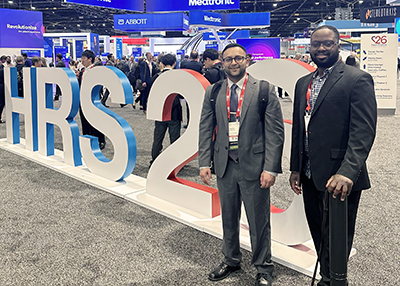
Left to right: Valentina Kutyifa, MD, PhD, Ilan Goldenberg, MD, David Huang, MD,
Wojciech Zareba, MD, PhD, Claudio Schuger, MD, (of Wayne State University)
and Mehmet Aktas, MBA, MD
Cardiology researchers were among the more than 10,000 heart rhythm clinicians, allied professionals, scientists, and researchers who attended the Heart Rhythm Society’s annual meeting this year.
The meeting featured 200 educational sessions led by more than 2,000 experts, including:
Mehmet Aktas, MBA, MD, of Cardiology, presented a poster showing that the cancer drug, acalabrutinib, is associated with increased risk of atrial fibrillation in patients with lymphoproliferative disorders on behalf of lead author Saadia Sherazi, MBBS, MS, of Highland Hospital Medicine.
Ilan Goldenberg, MD, of Cardiology Heart Research, participated in a faculty debate arguing for the need to use risk stratification strategies prior to implanting a primary prevention implantable cardioverter device (ICD) in patients with ischemic or nonischemic heart failure.
Daniel Han, a student in the Medical Scientist Training Program, presented the poster “Non-Obese Patients with Metabolic Syndrome and Heart Failure Outcomes in ICD or Cardiac Resynchronization Therapy with Defibrillator (CRT-D) Patients in MEGA-MADIT,” a project that was mentored by Valentina Kutyifa, MD, PhD.
David Huang, MD, of Cardiology, presented the poster “Effects of Left Ventricular Assist Device (LVAD) Support on Recurrent Ventricular Arrythmias and ICD Therapies Among Advanced Heart Failure Patients: Comparing the PIVATAL and RAID Trials.”
Valentina Kutyifa, MD, PhD, of Cardiology Heart Research, was part of a panel discussion on breaking down gender disparities in cardiovascular clinical trials leadership and hosted a research roundtable in the Fellows-in-Training Meet-the-Mentors session. She also had a late-breaking oral presentation, “Contemporary Outcomes of Non-Ischemic Cardiomyopathy Patients with Implanted Devices” related to BIO-LIBRA, a multicenter clinical study on non-ischemic cardiomyopathy, led by the University of Rochester in collaboration with Biotronik. Kutyifa also presented a poster “Risk of Heart Failure or Death in Men and Women with RBBB in MEGA-MADIT,” to provide information on outcomes of this cohort.
Alexei Nakonechnyi, PhD, and Dillon Dzikowicz, PhD, RN, PCCN, of Cardiology Heart Research, presented two posters, “Dynamic Risk Stratification for Progression to Persistent Atrial Fibrillation in Patients with Cardiac Implanted Electronic Devices,” and “Machine Learning for Predicting Progression to Persistent Atrial Fibrillation Using Point-in-Time Risk Stratification.”
Amole Ojo, MD, of Cardiology, presented the poster “Risk Factors and Outcomes Associated with Failed Implantable Cardioverter Defibrillator Shocks,” and hosted an oral abstract session exploring the role and outcomes of cardiac resynchronization therapy (CRT) and conduction system pacing among patients in common, specific scenarios. He also participated as a mentor in the Fellows-in-Training and the Medical Student, Intern, & Resident Meet-the-Mentors Roundtables. Ojo also co-hosted the HRS Board Review Course, a refresher on electrophysiology fundamentals for physicians and fellows preparing for certification or recertification.
Wojciech Zareba, MD, PhD, of Cardiology and Cardiology Heart Research, presented two posters, “Clinical Phenotype of Variants of Uncertain Significance in Long QT Syndrome Patients by Genotype,” and “Clinical, Electrocardiographic, and Cardiac Magnetic Resonance Imaging Risk Factors Associated with Ventricular Tachyarrhythmias in Nonischemic Cardiomyopathy (MARVEN Study).”
MDS Foundation Honors Bennett with a Lifetime Achievement Award
Wednesday, May 14, 2025
John M. Bennett, MD
John M Bennett, MD, professor emeritus of Medicine, Hematology/Oncology and Pathology and Laboratory Medicine, and a founding leader of the now Wilmot Cancer Center, received a Lifetime Achievement Award from the Myelodysplastic Syndromes Foundation on May 8 at the 18th annual International Congress held in Rotterdam, the Netherlands.
Recognized for his leadership and pivotal contributions to the field, Bennett was the editor-in-chief of the Leukemia Research Journal for 20 years and served as the first chair of the Myelodysplastic Syndromes Foundation from 1997 to 2010.
He came to University of Rochester in July 1969, practicing a few years at Highland Hospital as head of the Hematology/Oncology program before shifting to Strong Memorial Hospital, which was in the beginning stages of forming a cancer center. Surgical Oncology, Radiation Oncology, and other departments came together to create the University of Rochester Cancer Center in 1974.
Bennett served as URCC clinical director from its inception until 1996, when he shifted to a part-time role with hematopathology. In those early years, he helped create the foundation for the center’s strength in attending to patients' psychosocial needs, commitment to educational programs, and national leadership in clinical trials that would help make today's cancer treatments possible.
A role model and dedicated mentor, many young physicians were drawn to Rochester to study with Bennett. He is a member of numerous professional societies and contributed more than 600 publications to medical literature as well as several books.
Reporting for Duty: Morning Report Room is Back in Use
Tuesday, May 13, 2025

After being sidelined for several months for renovations, the Morning Report room (7.2346/7.2366) returned to action on May 1. The beautifully renovated space features new technology and a sound system to support interactive, hybrid meetings, movable tables and chairs that allow room reconfiguration, six clinical workstations for residents and learners, and a kitchenette for our peckish physicians.
Residents and rotating medical students have swipe access to the space, which is typically used for Morning Report, noon conferences, residency meetings, patient handoffs, small team teaching, and patient care discussions. Trainees are welcome to use the workstations and kitchenette whenever the room is not in use for meetings.
DOM Heart Research on Display at EHRA 2025 in Vienna
Wednesday, April 30, 2025
DOM cardiac researchers traveled to Vienna, Austria at the end of March to present their work at the annual congress of the European Heart Rhythm Association (EHRA), part of the European Society of Cardiology.


Ilan Goldenberg, MD, of Cardiology Heart Research, hosted a steering committee meeting for the PRIMARY PREVENT VT trial, which is led by a team at the University of Rochester and included 20 centers in Europe. This innovative clinical trial is designed to evaluate novel ablation modalities to reduce the risk of arrhythmias and sudden death in patients with heart failure.
David Huang, MD, of Cardiology, delivered a Late Breaker Trial presentation on the rationale and design of PIVATAL, an NIH sponsored, multi-center trial investigating the role of intraoperative ventricular ablation in high-risk heart failure patients eligible for left ventricular assist devices. He also presented preliminary, blinded arrhythmia and clinical outcomes data from the patients enrolled thus far.
Valentina Kutyifa, MD, PhD, of Cardiology Heart Research, spoke in two sessions on implantable cardioverter defibrillator therapy and chaired a session on cardiac pacing. She attended a meeting as a member of the steering committee of the PROFID EHRA trial, which is investigating the role of the defibrillator with contemporary medical therapy in over 100 sites in Europe. Kutyifa also joined the EP Europace editorial board as associate editor of innovative technologies.
Strategic Plan: Expanding Robust Research to Achieve Breakthrough Discoveries
Wednesday, April 16, 2025
This is part of a series highlighting the Department of Medicine 2024-2028 Strategy and Action Plan, its five pillars for success, and progress toward meeting the goals.

Collaborative research that advances discovery is essential for success, and the DOM is committed to securing new funding to support further exploration.
To attain this goal, outlined in the Strategic Plan, the priorities are:
- Expand basic, translational, clinical, medical education, and DEI research through interdisciplinary teams across diverse disciplines;
- Increase accruals in clinical trials and expand clinical research across the lifespan of diverse populations; and,
- Enhance our national and international reputation via interdisciplinary research and collaboration.
Laura Calvi, MDLaura Calvi, MD
Valentina Kutyifa, MD, PhDValentina Kutyifa, MD, PhD“We are focused on providing internal teams the tools and resources to prepare, submit and attain new grant awards,” said Valentina Kutyifa, MD, PhD, vice chair for Clinical Research. “New grants will lead to more groundbreaking scientific discoveries that improve patient care.”
Efforts to expand research through interdisciplinary teams are already yielding results:
- New grant awards: In fiscal year 2024, DOM was awarded $41.3 million in grants, with $7.6 million in new awards. Researchers from all divisions submitted 187 proposals and 67 projects were awarded. There are 488 active externally sponsored projects, 294 of which are clinical trials.
- Biostatistical Shared Resource: Launched in 2022, this program supports mentored faculty and trainee researchers who do not have funding to cover their activities. Areas of support include study preparation and pre-study planning, sample size, basic statistics, multivariate regression, non-parametric tests, correlations, basic survival analyses and database management. Laura M. Calvi, MD, vice chair for Basic and Translational Science, is spearheading the biostatistical shared resource program.
- Division faculty research delegates: Delegates representing each division’s basic and clinical research identify areas of improvement, and design and launch new initiatives to expand current research efforts.
- New research website: launched in 2024, provides a centralized platform for showcasing research, publications, collaborations, research teams, and resources. It is designed to be a resource for internal team members, external collaborators and the broader community. The research leadership team is supported by Stefanie Fingler, MBA, director of Research Operations, and Kari Steinmetz, assistant director of Clinical Research.
Activities also are underway to increase clinical trial accruals:
- Initial study feasibility process: In January, leaders unveiled a new standard operating procedure for feasibility of clinical trials as part of a new, comprehensive clinical trials platform. Its primary mission is to achieve translation through clinical trials, with the goal of creating a uniform framework to identify innovative studies that align with the missions of DOM’s various divisions.
- OnCore use policy: To harmonize OnCore use across the department, active studies must be entered into the clinical trial management system. This allows for accurate tracking of study status, subject recruitment, and patient demographics.
- Ongoing study feasibility process: A pilot initiative is in place to assess ongoing study feasibility. All DOM clinical research protocols will be reviewed semi-annually and annually to ensure adequate scientific progress.
Another priority is to expand collaborations and research abroad. New initiatives in this area include the Uganda Program, led by Paul R. Bohjanen, MD, PhD, chief of Infectious Diseases, with the aim to develop a Global Health Program focusing on infectious diseases research and treatment. And, a program aimed at initiating new scientific and educational programs with the National University of Sciences & Technology in Islamabad, Pakistan is being led by Bilal Ahmed, MD, FACP, FRCP, of Internal Medicine.
National Champs: Wilmot Future Deaf Scientists Program Recognized at Deaf Education Conference
Tuesday, April 15, 2025
DOM Chair Ruth O’Regan, MD, and fellow co-director of the Wilmot Future Deaf Scientists Program, Wyatte Hall, PhD, received the National Champion Award from the Conference of Educational Administrators of Schools and Programs for the Deaf (CEASD) last week. O’Regan and Hall were honored for their “visionary leadership in establishing and expanding the [Wilmot] Future Deaf Scientists program,” which introduces deaf and hard-of-hearing high school students to the world of science and medicine with a focus on cancer research.
The National Champion Award honors stakeholders external to the CEASD for, “exemplary strategic assistance, substantive financial or programmatic support, legislative or policy advocacy, or other unique efforts which directly impact the success of CEASD on behalf of the member schools and programs, students and their families.”
Hall (right) and McLetchie (left) accepted the award at the CEASD meeting in Pittsburgh on behalf of O’Regan and the entire Wilmot Future Deaf Scientists team.The Wilmot Future Deaf Scientists Program began as a partnership between the Wilmot Cancer Institute and the Rochester School for the Deaf in 2021, offering a four-week summer internship at Wilmot for RSD high school students. Last summer, the program secured funding from the National Cancer Institute to expand its programming to four other cancer centers who will collaborate with their respective local schools for the Deaf. This summer, the internship will be offered for the first time at Yale Cancer Center, Stanford Cancer Institute, Indiana University Simon Comprehensive Cancer Center, and University of Kentucky Markey Cancer Center.
This fall, the program will also implement a new year-round curriculum for RSD students. Wilmot researchers and medical professionals will deliver classroom lessons and fireside chats at RSD throughout the school year culminating in an expanded summer internship at Wilmot.
“Students have expressed life-changing impacts, with some identifying career goals in nursing and medicine as a direct result of their participation,” said RSD Superintendent and CEASD board member Anthony McLetchie in a letter nominating O’Regan and Hall for the award. “Drs. Hall and O'Regan have created not just an academic initiative but a transformative model for fostering scientific ambition, representation, and equity among Deaf youth. Their dedication to removing systemic barriers and empowering Deaf students exemplifies the spirit of the National Champion Award, and we are immensely proud to celebrate their far-reaching contributions to our school and the broader Deaf community.”
Teaching Together After All these Years: DOM Faculty Meet at Internal Medicine Conference
Tuesday, April 15, 2025
(Left to right) Catherine Tan, MD, Eric Anish, MD, and Diego Cahn-Hidalgo, MD, pose at the ACP Internal Medicine meetingNearly thirty years after serving as chief residents together in the DOM’s Internal Medicine Residency Program, Catherine Tan, MD, Diego Cahn-Hidalgo, MD, members of our Primary Care, and Eric Anish, MD, now an internist at the University of Pittsburgh Medical Center, taught together once again at the American College of Physicians (ACP) Internal Medicine Meeting in early April.
The trio, who had kept in touch but hadn’t taught together since their 1997-98 chief residency days, held a workshop to teach internal medicine and primary care physicians and trainees how to perform joint injections.
“Primary care physicians don’t perform a lot of procedures. We wanted to build their confidence to give these injections, so they don’t have to refer patients to an orthopedist,” said Tan. “We can save patients a lot of time and pain this way, not having to wait for another appointment.”
The trio’s arthrocentesis and bursal injection workshop was one of over 200 sessions at the ACP meeting offering professional development and best practices in patient care. The ACP is the largest medical specialty organization in the U.S. and Tan describes its annual meeting as the “Superbowl of Internal Medicine.”
The meeting brings together Internal Medicine physicians, trainees, and allied health professionals from all corners of the globe and all walks of life.
Tan and Cahn-Hidalgo were not the only DOM members to attend this year’s event in New Orleans. The following also represented DOM:
- Leslie Algase, MD, FACP, of Primary Care, who is on the board of regents for the ACP, helped host a UR Internal Medicine Residency reception and mentored during the Women in Medicine Networking Luncheon sponsored by ACP.
- Edward Chin, MD, who completed an Internal Medicine residency at URMC and is now an endocrinologist at the Medical College of Georgia, received Mastership at this year’s meeting. Mastership is an award honoring “highly accomplished persons demonstrating impact in practice, leadership, or in medical research.”
- Lisa C. Schwartz, MD, of Primary Care was inducted as a new ACP fellow, a peer-reviewed and supported credential that reflects excellence in internal medicine.
- Valerie Newman, MD, of Primary Care, who is the Rochester district president of NYACP, and Meghan DioGuardi, MD, an Internal Medicine Resident, also attended.
Strategic Plan: Supporting a Thriving Workforce and Culture
Wednesday, April 2, 2025
This is part of a series highlighting the Department of Medicine 2024-2028 Strategy and Action Plan, its five pillars for success, and progress toward meeting the goals.
The DOM prioritizes wellness and education for faculty, staff and learners, because engaged and healthy workforce supports quality patient care. The Strategic Plan outlines its mission of cultivating a thriving workforce and culture.
“Delivering outstanding, compassionate care to patients and achieving an engaged, healthy workforce are not mutually exclusive,” said Allen P. Anandarajah, MBBS, associate chair for Wellness.
“We want to provide the support our team needs to attain their goals and cultivate a workforce that is proudly striving to achieve the missions of the DOM and the Medical Center.”
The focus is to:
- Support and promote faculty and staff well-being;
- Provide professional development opportunities for faculty and staff; and,
- Foster a culture of wellness and interactive engagement.
Allen Anandarajah, MDAnandarajah is leading the effort to advance these goals through a methodical process, and actions to date include:
COMPASS Program: During the past year, wellness champions and faculty members from various divisions joined the Colleagues Meeting to Promote and Sustain Satisfaction (COMPASS) Program – an initiative developed by the Mayo Clinic. The sessions promote physician well-being by improving provider engagement, improving meaning in work, and understanding provider needs.
Wellness champions gauged provider feedback on such topics as what matters to them at work, what makes them proud to work here, and what gets in the way of what matters. The divisions that participated were Allergy, Immunology and Rheumatology, Pulmonary and Critical Care Medicine, Nephrology, Hospital Medicine, Palliative Care, Primary Care Network, Hematology/Oncology, and Geriatrics.
Consult etiquette guidelines: The Wellness Committee is working to update and improve etiquette guidelines, which have been in place since 2022. This work appreciates the importance of clear communication in a consult and how consult etiquette can foster physician engagement and promote teaching.
Website: DOM’s Wellness Committee is working to inform colleagues of activities through a dedicated section on the DOM website. The site includes wellness champions, resources, data, and interest groups, such as sporting activities, cooking and music, faculty and APPs can participate in to connect with others. Check it out.
DOM Spotlights Research in Health Equity at Symposium
Tuesday, April 1, 2025
More than 200 people gathered for the Research in Health Equity Symposium to learn about the breadth of community research and engagement efforts.
A highlight of the event was the keynote lecture by sickle cell expert Dr. Wally R. Smith of Virginia Commonwealth University, who also led a dynamic panel discussion with local community advocates.
Check out photos from the event.
Several faculty, staff, and learners were recognized for presenting impactful research:
- Best Community Engagement Project: Wyatte Hall, MA, PhD, (Deaf Wellness Center) and Wyatte Hall, MA, PhD, (Public Health Sciences) for Creating Deaf Equity in Behavioral Health Measurement
- Best Oral Presentation: Ashley Jenkins, MD, (Hospital Medicine) for We Have to Change How We Interact with the Patient: Comprehensive Sickle Cell Care is the Anchor for Ideal Inpatient Sickle Cell Care
- Best Poster Presentation: Milena Insalaco, (Health Equity Research in Oncology [HERO] Lab) for Our Community is Not Appropriately Served: LGBTQ Cancer Survivors and Caregivers Have Suggestions for Providers
- Honorable Mention – Poster Presentation: Laura Perrone, PhD, (Psychiatry Fellow) for UR-Supporting Our Students: Establishing an Expanded School Mental Health Model within the Rochester City School District
Special thanks to the following individuals for coordinating the event: Laura Stamm, PhD, Ahona Shirin, MSPH, and Chunkit Fung, MD, MSCE. We are also grateful to the DOM DEI Council and the Office of Health Equity Research for their support."
Parag Patel Joins QI Scholar Program
Monday, March 31, 2025
Parag P. Patel, MDParag P. Patel, MD, of Cardiology, was selected for the UR Medicine Quality Institute (QI) Scholar Program to improve healthcare quality and outcomes through collaborative research, teaching and mentoring opportunities.
As an associate scholar, Patel will connect with faculty across the health system and institution to expand collaborative efforts for quality and performance improvement. This will include gaining priority access to clinical/operational data for analytics, evaluation and research activities, and other QI resources.
“As a physician, I am dedicated to delivering quality care,” said Patel. “The challenge is to build a team and system to operate efficiently while achieving ideal and safe outcomes.”
Efficient care delivery can improve both patient and staff satisfaction while minimizing burnout he said.
“Having experienced the pandemic and the recent IV saline shortage – and seen how staff burnout and accessibility are everyday issues – it’s more important than ever that we learn how to manage the ever-increasing demands on health care and deliver care in a timely manner.”
DEI Roadmap Developed for Meeting Strategic Plan Goals
Monday, March 17, 2025
This is part of a series highlighting the Department of Medicine 2024-2028 Strategy and Action Plan, its five pillars for success, and progress toward meeting the goals.
The DOM Strategic Plan articulates five focus areas to strengthen our clinical, education, research, workplace culture, and outreach programs. A key mission is diversity, equity and inclusion, and Chunkit Fung, MD, associate chair of DEI, and Laura Stamm, PhD, director of DEI, recently shared an update on how the DOM will meet the goals.
Three strategic priorities have been identified in a roadmap for implementing the plan: evolving workforce and culture through an inclusive lens, integrating DEI into all missions including community outreach and global endeavors.
The DOM Diversity, Equity and Inclusion Council, which includes DEI champions and a diverse group of APPs, faculty, staff, nurses, fellows and residents, is advising these activities aimed to develop, implement and disseminate initiatives to advance this strategic goal.
Planned activities to evolve the workforce and culture range from establishing a policy on inclusive recruitment and retention processes and initiatives to foster a team that mirrors community demographics. And, an allyship faculty development program will be created, in collaboration with OEI education, to support the effort.
Integrating these goals into clinical, research and education activities will include routine reporting and analysis of clinical metrics by race, ethnicity and gender with development of targets for all divisions.
Faculty collaboration with the URMC Community Advisory Council on initiatives that support increasing under-represented minorities in medicine, provide opportunities for international clinical care and research for our trainees, and offer pathways for selected international medical school graduates to enter our training program.
Laura Stamm, PhD
Chunkit Fung, MD“We are excited to have developed this roadmap for implementing our DEI initiatives,” Fung said. “Our plan includes tangible, achievable actions that will help us reach DOM and URMC’s DEI objectives. Working collaboratively with all divisions and stakeholders across the Medical Center will support these initiatives.”
“First and foremost, our work will be inclusive and transparent,” added Stamm. “We will continue to inform the Department about what we want to accomplish, provide updates on our outcomes and be accountable to the plan.”
Divisions are already working to incorporate DEI activities:
- Hematology/Oncology is enhancing diversity of clinical trial accrual at Wilmot Cancer Institute and fostering more inclusive trial design and development in investigator-initiated trials.
- Palliative Care has been working to specifically include some mention of health care disparity or social justice within didactic sessions.
- Over the last year, the Highland DOM DEI Committee developed a standardized tool to help review root cause analyses from an equity perspective.
- Cardiology developed a Health Equity and Quality Improvement Curriculum by Erica Miller, MD.
Updates on project implementation throughout the divisions are available on the DOM DEI website.
URMC Joins National Network for Bronchiectasis and NTM Care
Friday, March 14, 2025
Alexandra Adams, MD
Sonal Munsiff, MDThe Medical Center is among 33 centers across the country selected for the Bronchiectasis and NTM Care Center Network. URMC was named a Clinical Associate Center, the only site in Upstate New York, supporting specialized care for bronchiectasis and nontuberculous mycobacterial (NTM).
Sonal S. Munsiff, MD, of Infectious Diseases, and Alexandra Adams, MD, of Pulmonary Diseases and Critical Care, are co-directors of the center.
“We are proud to be part of the first national network for the treatment of these highly complex lung infections,” said Munsiff. “This national designation is a testament to our leadership in providing outstanding patient care and in conducting cutting-edge research in lung diseases.”
The network aims to develop standards of care that can be implemented across different centers, reduce the diagnosis time and support high-quality care.
“This designation will provide us greater access to clinical research trials to treat these conditions and help improve the standards of care for bronchiectasis and NTM patients across Central and Western New York,” Adams said.
More than 300,000 people in the United States are treated for bronchiectasis each year. It is characterized by enlarged airways that are thickened or scarred, making it difficult to clear mucus buildup. NTM is a chronic condition caused by mycobacteria and impacts people with compromised immune systems or other lung conditions, like bronchiectasis or COPD.
Network centers will create a national registry of patients, which will help management of the diseases and improve patient outcomes. The teams are working to establish a registry in the EMR to track bronchiectasis and NTM patients and support research.
Strategic Plan: Expanding Access, Innovation to Provide Superior Patient Care
Tuesday, March 4, 2025
This is part of a series highlighting the Department of Medicine 2024-2028 Strategy and Action Plan, its five pillars for success, and progress toward meeting the goals.
The DOM aims to strengthen its role as "pioneers in superior patient care and public health," as outlined in the strategic plan. Executing this part of the plan focuses on expanding access to care and will build on the Department’s achievements in delivering outstanding patient care. "This pillar of the strategic plan is all about patient access to care,” said Marc Berliant, MD, vice chair for Clinical Affairs. “Through these strategic priorities, we are aiming to increase access to primary and specialty care."
The four priorities are to:
- Deliver world class, equitable care across the Finger Lakes region;
- Leverage modern technology to extend care to all parts of the health system;
- Address social determinants of health; and,
- Disseminate clinical innovation and expertise around the world.
Marc Berliant, MD
Justin Hopkin, MD
One way to improve patient outcome and advance health equity is the Hospital at Home project, which offers promise in enabling patients to be treated at home through provider support and medications, while helping alleviate hospital overcrowding. Care for any conditions -- pneumonia, acute-kidney injury due to dehydration, mild congestive heart failure, COPD and cellulitis – can be provided at home and leaders plan to launch the program this Fall.
"Our multi-stakeholder group is excited to launch this scalable service that will provide better clinical outcomes, enhance patient experience, advance health equity and improve provider well-being," said Justin Hopkin, MD, chief of Hospital Medicine.
Several other programs and initiatives are underway to achieve this strategic pillar’s goals, including:
- Strong Internal Medicine, Highland Family Medicine and the Primary Care Network have joined forces to create a Primary Care Service Line to share best practices and improve quality of care. This service line will be implementing “Making Care Primary,” a CMMI-sponsored model that will compensate PCPs based on quality outcomes. Initial quality metrics include diabetic/hypertension control and colon-cancer screening. This program is one of the Department’s first experiences with a value-based care payment system.
- The Primary Care Network and Strong Internal Medicine are now able to examine clinical outcomes from an equity perspective, to address gaps in care.
- Efforts to leverage technology include utilization of URMC’s new Dragon Ambient Experience (DAX) program. As part of DAX, some DOM providers are using AI to transcribe patient notes.
- The Department is in the process of assessing staffing levels across all divisions to ensure that clinical practices can manage patient volumes. One program that resulted from this assessment is optimizing the use of APPs to provide care in a team-based environment.
- To help improve access in outlying counties, the Allergy, Immunology and Rheumatology team expanded services to Batavia, Geneva General and F.F. Thompson and Infectious Diseases team is establishing consult service and antibiotic stewardship at Geneva General, F.F. Thompson and the Southern Tier.
Sai 'Bindi' Reddy Named Interim Chief of Nephrology Division
Monday, March 3, 2025
Sai Reddy, MD
Clinician-scientist Sai Subhodhini (Bindi) Reddy, MD, has been named interim chief of the Division of Nephrology as chief Thu Le, MD, departs to lead the Department of Medicine at University of California, Irvine. The appointment is effective March 4.
Reddy is clinical director of the division, director of the Strong Memorial Hospital inpatient dialysis and section chief for Highland Hospital Nephrology. She also serves as medical director for the Fresenius dialysis centers in Brighton and Scotts
“I am very pleased Bindi will lead our Nephrology division on an interim basis,” said Ruth O’Regan, MD, chair of Medicine. “Bindi will be an outstanding steward of the division until we identify a permanent chief.”
A national search is underway to identify a new chief.
“It is a privilege to continue in the footsteps of my former predecessors and colleagues, Dr. David Bushinsky and Dr. Thu Le,” said Reddy, professor of Medicine. “I work with an amazing group of people, and I am excited to continue collaborating with them to advance URMC’s missions of delivering excellent patient care, preparing the next generation of clinicians and conducting meaningful research.”
Reddy cares for patients with chronic kidney disease and undergoing dialysis, including pregnant women living with the disease. Her previous research studies included a clinical trial to reduce cardiovascular events in patients with chronic kidney disease and diabetes, and a randomized double-blind trial of peritoneal dialysis exit-site infection prevention.
A past recipient of the National Kidney Foundation’s Excellence in Care Award, Reddy is a member the American Society of Nephrology, Women in Nephrology and the National Kidney Foundation.
Reddy completed her undergraduate studies at Duke in 1989, received her medical degree from Temple University School of Medicine (AOA) in 1993. She began her career at URMC as a medicine resident, later completed a Nephrology fellowship at URMC and then joined the faculty in 1998. Over the years, she has been a member of the faculty senate and faculty professional council.